Table of Contents >> Show >> Hide
- Why the Black Low Rung Counter Stool Works So Well
- Get the Height Right First, Always
- What to Look for in a Black Low Rung Counter Stool
- Material Ideas That Actually Look Good in Black
- Where This Style Looks Best
- Common Buying Mistakes to Avoid
- How to Style a Black Low Rung Counter Stool
- Who Should Buy This Type of Stool?
- Final Thoughts
- Extended Experience: Living With a Black Low Rung Counter Stool
Some furniture shouts for attention. A black low rung counter stool does not. It simply walks into the kitchen, looks cool, tucks under the island, and quietly becomes everyone’s favorite seat. That is the magic. It is practical without looking boring, stylish without trying too hard, and adaptable enough to work in everything from a crisp modern apartment to a cozy farmhouse kitchen where somebody is always reheating coffee.
If you are shopping for a black low rung counter stool, you are probably after more than color. You want the right counter height stool, the right silhouette, a comfortable footrest, a frame that feels sturdy, and a finish that does not start looking tired after three breakfasts and one enthusiastic spaghetti night. You may also want a stool that does not visually crowd the room. That is where the low-rung look earns its keep.
This guide breaks down what makes this style so appealing, how to choose one that actually fits your kitchen, and why black continues to be the overachiever of kitchen seating. Spoiler alert: it goes with everything, hides daily wear better than many lighter finishes, and makes even a humble island feel a little more intentional.
Why the Black Low Rung Counter Stool Works So Well
A black stool is the design equivalent of a great leather jacket. It sharpens a room instantly. In kitchens, black brings contrast to white cabinetry, grounds pale wood floors, and adds definition to open-plan spaces that might otherwise feel a little too airy. It can read industrial, modern, Scandinavian, transitional, or classic depending on the materials around it. In other words, it is not picky.
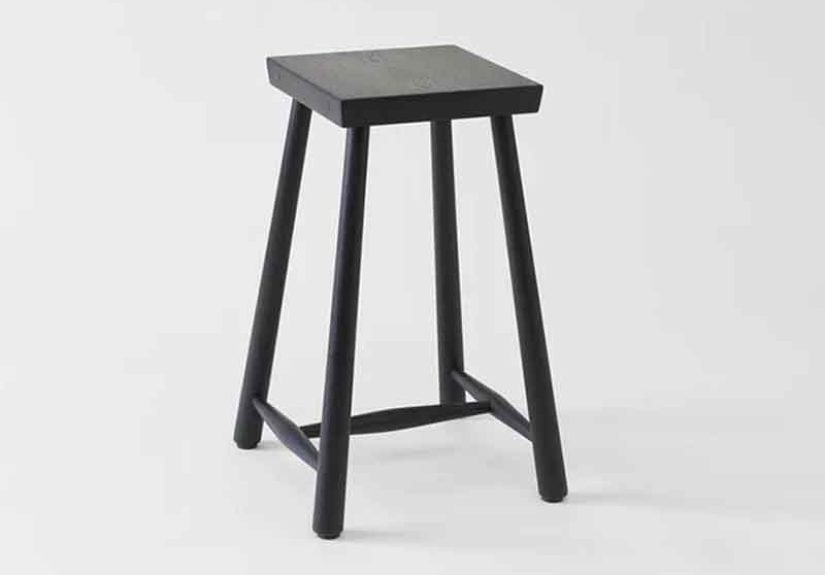
The “low rung” part matters too. Shoppers often use the phrase to describe stools with a lower crossbar or footrest and a more open lower frame. That detail affects both form and function. Visually, a low rung stool feels lighter than a bulky upholstered seat with a thick apron and chunky legs. Practically, a rung gives your feet somewhere to land, which sounds minor until you have spent twenty minutes on a stool without one and started wondering whether gravity is holding a grudge.
Because this style often has a cleaner frame, it also tucks more neatly under counters. That matters in real kitchens where traffic flows around islands, kids zigzag through snack time, and adults pretend they are not standing around the island for the fourth conversation of the evening.
Get the Height Right First, Always
No matter how good a stool looks online, the wrong height will ruin the experience. Most kitchen counters and islands are around standard counter height, which means the surface is typically about 34 to 36 inches from the floor. For that setup, most counter height stools land around 24 to 27 inches high at the seat. That gap usually leaves enough room for legs and keeps the user from feeling wedged under the countertop like a file folder in an overstuffed drawer.
A simple sizing rule
Measure from the floor to the underside or top of the counter and aim for roughly 10 to 12 inches of space between the seat and the surface. That range is the sweet spot for comfort. If your seat is too high, knees get cramped. Too low, and the counter feels like a ledge in a waiting room.
Spacing matters too
If you are buying more than one stool, leave enough elbow room. Around 24 inches per stool is a solid baseline, and larger stools with arms or swivel functions often need more. For walkways behind the seats, try to maintain good clearance so people can move comfortably even when someone is seated. A gorgeous kitchen loses its charm fast when every breakfast requires a three-point turn.
What to Look for in a Black Low Rung Counter Stool
1. A comfortable footrest or rung
The rung is not a decorative afterthought. It is part comfort feature, part structural support, and part styling cue. A well-placed rung helps people settle into the stool naturally. It can also make the frame feel more stable. On metal stools, the rung often reinforces the industrial look. On wood stools, it softens the silhouette and makes the whole piece feel grounded.
2. A frame that matches your lifestyle
Black counter stools come in several common frame types, and each brings a different personality:
- Metal frame: sleek, durable, and often ideal for modern or industrial interiors.
- Wood frame: warmer, more classic, and easy to blend into transitional kitchens.
- Mixed materials: black wood with cane, black steel with leather, or black legs with upholstered seats for more texture and dimension.
If your kitchen already has a lot of hard finishes like quartz, tile, or stainless steel, a black stool with wood, cane, or upholstery can keep the space from feeling cold. If your room is already full of warm oak and natural linen, a matte black metal stool may be exactly the contrast it needs.
3. The right back style
Backless stools are the champions of clean lines and easy storage. They slide under the counter beautifully and make a small kitchen look less crowded. Low-back styles offer a bit more support without visually dominating the room. Full-back stools are best when the island doubles as a serious hangout spot for meals, laptop work, or long chats that begin with “just five minutes” and somehow end near dessert.
4. Easy-care surfaces
Black hides a lot, but not everything. Matte finishes are forgiving and usually look sophisticated. Faux leather and performance fabrics are practical for busy households. Real leather ages beautifully if cared for well. Painted wood can be charming, though it may show edge wear over time in high-contact areas.
Material Ideas That Actually Look Good in Black
One reason this category is so popular is the sheer variety. Retailers across the U.S. show how broad the look can be. Matte-black aluminum stools create a refined industrial feel. Black leather sling designs bring a more fashion-forward edge. Ebonized wood with black boucle adds texture without abandoning the monochrome look. Black wood paired with natural cane softens the darkness and keeps the stool from feeling too severe. Even practical entry-level pieces in black metal or molded materials can look surprisingly polished in the right kitchen.
That range is useful because it means “black” is not one-note. It can feel tailored, cozy, edgy, sculptural, or casual depending on the material combination. If you want a stool that blends in, choose a simple black frame with a slim profile. If you want one that becomes a design feature, choose a piece with contrast stitching, woven seating, curved wood, or a statement back.
Where This Style Looks Best
Modern kitchens
In a modern kitchen, a black counter stool adds clean contrast and structure. Think waterfall islands, pale oak cabinets, and simple pendant lighting. A low-rung silhouette keeps the whole setup feeling uncluttered.
Farmhouse and transitional spaces
Black works beautifully in warmer rooms too. Against white shaker cabinets, brass hardware, and wood countertops, black stools add just enough visual punctuation. They keep the room from drifting into “too sweet” territory.
Small kitchens
Because many low-rung stools have open frames and slimmer legs, they work well in compact kitchens. They provide seating without creating a heavy visual wall around the island. This is especially helpful when the kitchen opens into a living or dining area and every piece of furniture needs to pull double duty.
Open-plan homes
In large open spaces, black stools act like anchor points. They help define the kitchen zone and echo other dark accents in lighting, hardware, window frames, or dining furniture. That repetition makes the whole room feel more cohesive.
Common Buying Mistakes to Avoid
Choosing by photo alone
A stool can look fantastic online and still be too tall, too deep, too shiny, or too bulky for your space. Always check measurements. Glamour without fit is just expensive disappointment.
Ignoring seat comfort
If your island is used for quick coffee breaks, a hard seat may be fine. If it is homework headquarters, casual dining central, and the unofficial meeting room of the house, consider padding, a shaped seat, or a supportive back.
Forgetting traffic flow
Three stools may technically fit under your island. That does not mean three stools should live there full-time. Think about how people walk through the room, open appliances, and move around seated guests.
Matching everything too perfectly
Your stools do not need to be the exact same black as your light fixtures, cabinet pulls, and faucet. A little finish variation can make the room feel layered rather than flat. Matte black, satin black, and ebonized wood can happily coexist.
How to Style a Black Low Rung Counter Stool
The easiest styling move is repetition. Echo the black finish elsewhere in the room through pendants, cabinet hardware, framed art, or a dark faucet. That gives the stool company and helps it feel intentional.
Next, add contrast. If your stool is black metal, pair it with warm wood boards, woven baskets, or a linen runner. If it is upholstered in black fabric or leather, balance it with stone, ceramic, or lighter wood tones. A fully black setup can be stunning, but it needs texture or it risks feeling a little flat.
Finally, remember scale. Slim stools pair well with narrow islands and minimalist kitchens. Chunkier upholstered stools belong in larger kitchens where they will not overwhelm the room. The goal is not to win a furniture wrestling match with your island.
Who Should Buy This Type of Stool?
A black low rung counter stool is a strong choice for anyone who wants kitchen seating that is versatile, stylish, and relatively forgiving in daily life. It is especially good for:
- Homeowners designing around a black-and-white or warm-neutral palette
- People who want stools that tuck under the counter neatly
- Families who need seating that looks polished but can handle real use
- Apartment dwellers who need compact, visually light seating
- Design lovers who want one piece that can bridge modern and classic elements
It may be less ideal if you want plush, lounge-like seating or if your kitchen already leans very dark and heavy. In that case, you might prefer a lighter wood stool or a black frame with a lighter seat.
Final Thoughts
The beauty of the black low rung counter stool is that it solves a very practical problem while still looking like a smart design decision. It offers comfortable counter seating, a useful footrest, a tidy profile, and enough style flexibility to work almost anywhere. It can be minimal, dramatic, cozy, refined, or industrial depending on the version you choose.
Most important, it earns its place in the kitchen. That is what separates good furniture from furniture that only knows how to pose for listing photos. A well-chosen stool supports daily life: breakfast, homework, late-night takeout, holiday baking, awkward small talk, great conversation, and all the little moments in between. And when it happens to look this good in black, that is just a bonus.
Extended Experience: Living With a Black Low Rung Counter Stool
Living with a black low rung counter stool is one of those small home upgrades that quietly changes how a kitchen feels every day. On paper, it is just seating. In practice, it becomes the place where the room starts and ends. In the morning, it is where someone sits with coffee before the house fully wakes up. At lunch, it becomes the quick perch for a sandwich, a grocery list, or a phone call. By evening, it is pulled out again for dinner prep, casual conversation, or the kind of “I’ll keep you company while you cook” promise that usually means somebody samples half the roasted potatoes.
What stands out most over time is how useful the shape is. A lower rung gives your feet a natural landing spot, which makes even a simple stool feel noticeably better during longer sitting sessions. You do not think about that feature until you use a stool without one. Then suddenly you are shifting around, hooking your feet on random frame bars, and wondering why your posture feels like a question mark. The low rung solves that quietly. It encourages a more relaxed seat and makes the stool feel stable, grounded, and easy to settle into.
The black finish also earns its reputation in day-to-day life. It tends to disguise scuffs, crumbs, and routine wear better than pale finishes, especially in busy kitchens. That does not mean it never needs cleaning, but it usually looks composed even between wipe-downs. In family spaces, that matters. The stool still looks sharp when somebody slides onto it in socks, when a backpack bumps the legs, or when the kitchen turns into snack central after school.
There is also a social side to these stools that is easy to underestimate. A kitchen island with comfortable stools naturally attracts people. Guests gravitate there. Kids do homework there. Adults linger there even when there is perfectly good seating elsewhere in the home. A black low rung stool helps because it feels less formal than a dining chair and less bulky than a larger upholstered counter seat. It invites short sits that often become long ones. That is usually a sign you picked the right stool.
From a visual standpoint, the style ages well. Trends shift, but black rarely looks out of place. If you repaint cabinets, swap pendants, or update the hardware, the stools usually still work. That flexibility is part of their value. You are not buying a one-season design crush. You are buying a reliable piece that can evolve with the room. And honestly, that is refreshing in a world where some furniture trends burn bright for six months and then look like they need their own apology note.
In real homes, the best furniture is the kind you stop thinking about because it simply works. That is exactly where a black low rung counter stool shines. It supports everyday routines, adapts to changing decor, and keeps your kitchen looking pulled together without demanding constant attention. It is the rare piece that feels both useful and stylish every single day, which is probably why people keep returning to it. Good looks help, of course. But the real win is that it makes ordinary life at the counter easier, more comfortable, and a little better looking too.