Table of Contents >> Show >> Hide
- Why Books Help When a New Baby Is on the Way
- What to Look for in Books for a New Big Sister or Brother
- Best Books for a New Big Sister (or Brother)
- I’m a Big Sister / I’m a Big Brother by Joanna Cole
- I Am a Big Sister / I Am a Big Brother by Caroline Jayne Church
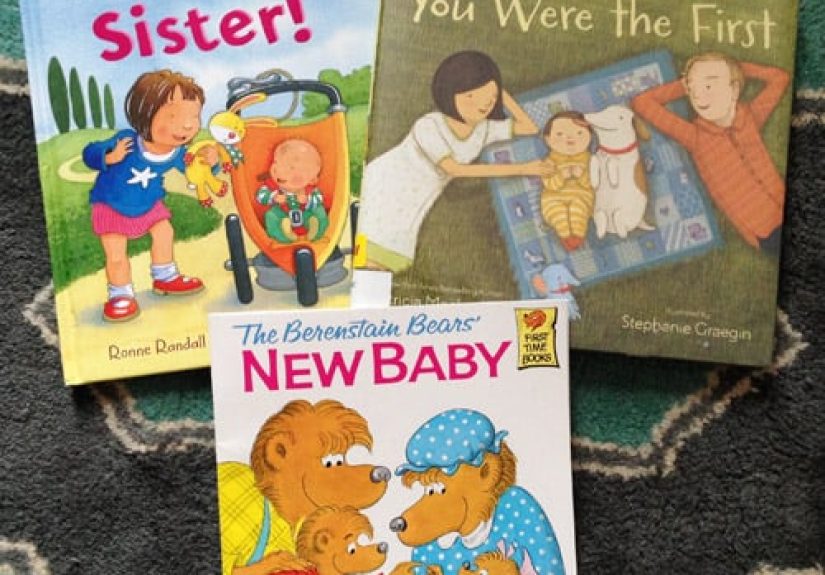
- The New Baby by Mercer Mayer
- Big Brothers Are the Best / Big Sisters Are the Best by Fran Manushkin
- Babies Don’t Eat Pizza by Dianne Danzig
- Waiting for Baby by Rachel Fuller
- Little Miss, Big Sis by Amy Krouse Rosenthal
- Big Sister by DK
- Baby’s Here! by Jessica Young
- Big Brother Daniel from Daniel Tiger’s Neighborhood
- Welcome to the Big Kids Club: What Every Older Sibling Needs to Know! by Chelsea Clinton
- There’s Going to Be a Baby by John Burningham and Helen Oxenbury
- Sona Sharma, Very Best Big Sister? by Chitra Soundar
- First There Was Me, Then There Was You by Yvonne Sewankambo
- How to Choose the Right Book for Your Child
- Simple Ways to Use These Books Before and After Baby Arrives
- Real-Life Experiences Families Often Have With New Sibling Books
- Conclusion
- SEO Tags
There are few promotions in life more adorable, chaotic, and emotionally confusing than becoming a big sister or big brother. One minute your child is the center of the family universe. The next minute, everyone is talking about diapers, bassinets, and a mysterious tiny roommate who has not yet contributed to rent. It is a lot.
That is exactly why the right books matter. The best books for a new big sister or brother do more than announce, “Yay, baby!” They help children picture what is coming, laugh at the weird parts, understand that babies are loud potatoes at first, and feel reassured that they still matter very much. A good sibling book can turn a big life change into something a child can hold, read, ask questions about, and revisit when emotions start doing cartwheels.
In this guide, you will find what makes a great new sibling book, how to choose one based on your child’s age and personality, and a list of standout titles that can help make the transition feel calmer, sweeter, and a little more fun for everyone involved.
Why Books Help When a New Baby Is on the Way
Children do better with big transitions when the unknown becomes more familiar. Books are wonderful for that because they slow life down. Instead of hearing, “A baby is coming,” in one abstract sentence, a child gets to see what that can actually look like. They can notice that babies cry, sleep, eat, and need a lot of help. They can also see that older siblings sometimes feel proud, annoyed, curious, jealous, excited, or all four before lunch.
That emotional honesty is gold. A strong book does not pretend every child instantly becomes a cheerful diaper-fetching angel. It makes room for mixed feelings. That matters because many kids feel strange about the new baby long before they have the words to explain it. If a story says, “Yep, this can feel weird,” your child is more likely to think, “Oh good, I am normal. I am not the villain in a baby-themed drama.”
Books also create a simple ritual. Reading together before bedtime or during quiet time gives parents a natural chance to talk. You can pause and ask, “Do you think that part would feel hard?” or “What would you like to help with when the baby gets here?” Suddenly, the conversation is not a lecture. It is a shared story, which is a much easier doorway for young children.
What to Look for in Books for a New Big Sister or Brother
1. Age-appropriate language
Toddlers usually do best with board books, short sentences, repetition, and bright illustrations. Preschoolers can handle fuller picture books with a bit more emotional nuance. If your child is older, a book that explains what babies actually do may be more useful than a super-simple “I love my baby sibling” story.
2. Realistic expectations
The best new sibling books are warm without being sugary to the point of nonsense. Babies are cute, yes. They are also noisy, needy, and not immediately available for tea parties. A book that gently reflects reality will be more believable and more comforting.
3. Validation of big feelings
Look for stories that leave room for frustration, confusion, or disappointment. Your child does not need a book that pressures them to perform happiness. They need a book that says love can grow alongside impatience, and that both can exist in the same little person wearing dinosaur pajamas.
4. A manageable helper role
A great book invites older siblings to participate in small, age-appropriate ways, like singing to the baby, grabbing a diaper, choosing a blanket, or making funny faces. That is very different from suggesting they should become assistant parents. Helpful? Yes. Parentified? No thank you.
5. Re-read potential
This is not a one-night-only purchase. The strongest books work before the baby arrives and after the baby comes home, when the real plot twists begin. Choose a title you will not mind reading again and again, because your child absolutely will request it at the precise moment you sit down with a cup of coffee.
Best Books for a New Big Sister (or Brother)
I’m a Big Sister / I’m a Big Brother by Joanna Cole
These are classic picks for a reason. They are simple, reassuring, and focused on the new identity a child is stepping into. The tone is calm and encouraging, which makes them especially useful for toddlers and younger preschoolers who need a gentle introduction to the whole big-sibling idea.
I Am a Big Sister / I Am a Big Brother by Caroline Jayne Church
If you want something sweet, affectionate, and toddler-friendly, these are easy winners. They emphasize connection and small ways a child can feel proud of their new role. The illustrations are soft and warm, and the overall feeling is less “major family restructuring” and more “you are loved, and this can be lovely too.”
The New Baby by Mercer Mayer
This one has an old-school charm and a very approachable tone for young kids. It is great for explaining the practical realities of a baby joining the household. Think of it as a low-drama, high-comfort option for children who do best when life is explained in plain language.
Big Brothers Are the Best / Big Sisters Are the Best by Fran Manushkin
These books are upbeat and celebratory without becoming too syrupy. They are particularly useful if your child is excited by the idea of a “big kid” role and wants a confidence boost. The message is clear: being older can feel special, meaningful, and fun.
Babies Don’t Eat Pizza by Dianne Danzig
This title wins on curiosity alone. It is playful, funny, and very child-centered, which makes it perfect for kids who want to know what babies actually do and do not do. If your child asks approximately 47 questions before breakfast, this one can help channel that energy in a productive direction.
Waiting for Baby by Rachel Fuller
This is a smart pick for the anticipation stage. It focuses on the stretch of time before the baby arrives, which can feel endless to small children. If your child is still in the “So… when exactly does the baby show up?” phase, this book helps make the waiting period feel real and understandable.
Little Miss, Big Sis by Amy Krouse Rosenthal
This one is cheerful, affectionate, and easy to love. It walks through the transition from only child to big sister with plenty of heart. A nice bonus is that it also hints at the longer sibling story ahead, not just the first dramatic week when the baby comes home and everyone forgets what sleep is.
Big Sister by DK
For very young children, especially those who benefit from clear visuals and straightforward explanations, this is a strong modern option. It introduces common emotions and everyday realities in a simple, age-appropriate way, making it useful for toddlers who are just beginning to understand what a sibling actually is.
Baby’s Here! by Jessica Young
This interactive, rhythmic board book is a great fit for children who respond well to action, repetition, and read-aloud fun. It celebrates the new baby while keeping the tone light and playful. Translation: good choice for wigglers who do not sit still for long unless the story practically bounces.
Big Brother Daniel from Daniel Tiger’s Neighborhood
If your child already loves Daniel Tiger, this is an easy sell. Familiar characters can make a big transition feel less intimidating, and Daniel’s world is built for emotional learning. A recognizable face saying, “Hey, sibling life can be tricky but okay,” often lands better than a random stranger in a picture book.
Welcome to the Big Kids Club: What Every Older Sibling Needs to Know! by Chelsea Clinton
This is a terrific option for slightly older preschoolers and early elementary kids who want facts along with encouragement. It answers practical questions about babies in a funny, accessible way. If your child is fascinated by how babies work, this book can make the new sibling feel less mysterious and more manageable.
There’s Going to Be a Baby by John Burningham and Helen Oxenbury
This book has a thoughtful, emotionally intelligent approach that can work beautifully for children who are processing more complex feelings. It captures the imaginative side of waiting for a new baby while still honoring uncertainty. It is the kind of story that tends to spark good conversations rather than just ending with a tidy smile.
Sona Sharma, Very Best Big Sister? by Chitra Soundar
If you want a story with more personality and a fuller family world, this one is a lovely addition. It explores the transition to becoming a sibling with warmth and cultural texture. This can be a nice pick for readers who want a story rather than a simple concept book.
First There Was Me, Then There Was You by Yvonne Sewankambo
This title looks beyond the first “new baby” moment and into the evolving sibling relationship that follows. It is warm, affectionate, and honest about the way love and rivalry can grow together. That makes it especially appealing for families who want a book that stays relevant after the newborn stage.
How to Choose the Right Book for Your Child
For toddlers ages 1 to 3
Go with short board books, clear pictures, and repeated phrases. Titles like I’m a Big Sister, I’m a Big Brother, Big Sister, or Baby’s Here! are often the best fit. At this age, your goal is familiarity and comfort, not a deep seminar on sibling psychology.
For preschoolers ages 3 to 5
Preschoolers can usually handle more story and more feeling. Books like Little Miss, Big Sis, The New Baby, Waiting for Baby, or There’s Going to Be a Baby can help them imagine the transition while giving them words for what they are feeling.
For curious kids who want facts
If your child keeps asking how babies see, sleep, cry, or poop, yes, poop is always in the chat, pick a book with more explanation. Welcome to the Big Kids Club is especially helpful here because it answers real questions in a humorous, age-friendly way.
For kids attached to favorite characters
Leaning on a familiar series can be a brilliant move. A Daniel Tiger title may do more emotional heavy lifting than an unfamiliar “award-winning masterpiece” your child refuses to touch. This is not the time for literary snobbery. This is the time for cooperation.
Simple Ways to Use These Books Before and After Baby Arrives
- Read early, not just late. Start a few weeks or months before the due date so the idea has time to sink in.
- Pause to ask questions. Try, “What do you think might be hard?” or “What would you want to teach the baby?”
- Connect the story to real life. Point out baby clothes, the crib, or family photos from when your older child was a baby.
- Keep one-on-one reading time sacred. A short daily reading ritual helps reassure your child that they still get your attention.
- Re-read after the baby comes home. That is when the books often become most useful, because now the story has a loud, squirmy co-star in real life.
Real-Life Experiences Families Often Have With New Sibling Books
One of the most common experiences parents describe is that the “big sibling book phase” starts out adorable and then gets unexpectedly revealing. You think you are just reading a cute story about becoming a big brother. Your child thinks it is the perfect time to ask whether the baby will steal their crackers, sleep in their bed, or receive suspiciously more kisses per day. In other words, the book becomes less of a story and more of a tiny therapy session with illustrations.
That is actually a good thing. Many children use books as a safe way to talk sideways about their worries. They may not say, “I am afraid you will love the baby more than me.” But they might point to a page and ask, “Why is that sister sad?” That question is often doing a lot of emotional work. When parents answer gently, kids feel seen without being pushed too hard.
Another very real experience is that children often latch onto one specific part of a book and repeat it for days. Maybe it is the page where the older sibling helps with a diaper. Maybe it is the line about babies crying. Maybe it is the simple fact that babies do not play right away, which can come as deeply disappointing news to a preschooler who had apparently scheduled immediate hide-and-seek. Repetition is part of how kids process change, so if your child wants the same book every night, that usually means it is helping.
Families also discover that books can soften the first awkward weeks after birth. A child who seemed excited during pregnancy may become clingy, grumpy, or suddenly determined to act like a baby again. That can feel alarming, but it is common. Going back to familiar sibling books after the baby is born gives children a way to revisit the transition with new understanding. The story now connects to real life: the crying, the feeding, the waiting, the helping, the not helping, and the occasional dramatic flop onto the floor because the baby got the lap first.
And then there are the unexpectedly sweet moments. A toddler hears a line from a book and repeats it to the baby. A preschooler proudly announces, “I am in the big kids club now.” A child who once looked skeptical about the whole arrangement suddenly brings over a blanket, sings to the baby, or pats a tiny foot with great seriousness. Books do not create sibling love out of thin air, but they can give children a script for connection while the relationship is still brand new.
So yes, these books are practical tools. But they are also memory-makers. Years later, many families remember the title they read before the baby came, the page their child always requested, or the funny question that stopped everyone in their tracks. In a season full of change, that kind of shared reading becomes more than preparation. It becomes part of the family story itself.
Conclusion
The best books for a new big sister or brother are not just cute gifts tucked into a baby shower basket. They are conversation starters, emotional translators, and gentle little bridges between the old family rhythm and the new one. Whether your child is thrilled, hesitant, nosy, or dramatically opposed to the baby project, the right story can help them feel included, informed, and loved.
If you are choosing just one book, think about your child first. Are they a toddler who needs simple reassurance? A preschooler with big feelings? A curious kid who wants the facts? Match the book to the child, not just the trend list. The sweetest outcome is not finding the “perfect” title. It is finding the one your child asks you to read again, then carries into this new chapter with a little more confidence and a lot less mystery.