Table of Contents >> Show >> Hide
- What Is Bullous Emphysema?
- Bullous Emphysema vs. Regular Emphysema
- Common Symptoms of Bullous Emphysema
- When Symptoms Need Emergency Care
- What Causes Bullous Emphysema?
- Risk Factors
- How Doctors Diagnose Bullous Emphysema
- Treatment Options for Bullous Emphysema
- When Is Surgery Considered?
- Outlook: Can You Live Well With Bullous Emphysema?
- Daily Living Tips for Bullous Emphysema
- Experience-Based Insights: What Life With Bullous Emphysema Can Feel Like
- Conclusion
Bullous emphysema sounds like something a villain would invent in a medical drama, but it is a real lung condition that deserves serious attention. In simple terms, bullous emphysema happens when damaged air sacs in the lungs form large air-filled spaces called bullae. These bullae can take up valuable room in the chest, crowd healthier lung tissue, and make breathing feel like trying to sip a milkshake through a coffee stirrer.
This condition is closely linked to emphysema, a major type of chronic obstructive pulmonary disease, better known as COPD. While bullous emphysema cannot usually be reversed, the right care plan can help reduce symptoms, lower the risk of complications, and improve daily comfort. The key is understanding what is happening in the lungs, recognizing warning signs early, and working with a healthcare professional before breathlessness starts running the show.
What Is Bullous Emphysema?
Bullous emphysema is a form of emphysema in which parts of the lung develop bullae, or enlarged air spaces. Normal lungs contain millions of tiny air sacs called alveoli. These alveoli help move oxygen into the blood and remove carbon dioxide. In emphysema, the walls of these air sacs become damaged. When that damage leads to large pockets of trapped air, those pockets are called bullae.
A small bulla may not cause noticeable symptoms. A large one, however, can press on healthier lung tissue and reduce the amount of lung available for normal breathing. Some bullae become so large that they occupy a major portion of one side of the chest. When this happens, doctors may describe the condition as giant bullous emphysema.
Think of the lung like a neighborhood full of tiny, efficient apartments. Bullae are like oversized empty warehouses taking up space but not doing much useful work. The more room they claim, the harder the remaining “apartments” must work to keep oxygen moving.
Bullous Emphysema vs. Regular Emphysema
Emphysema generally refers to widespread destruction of the alveoli. Bullous emphysema is more specific because it involves visible bullae. Many people with bullous emphysema also have underlying COPD, but the size, number, and location of bullae can vary from person to person.
This distinction matters because treatment decisions may change. For example, a person with diffuse emphysema may need inhalers, pulmonary rehabilitation, oxygen therapy, and lifestyle changes. A person with one or more very large bullae pressing on healthier lung tissue may also be evaluated for a procedure called bullectomy, which removes large bullae in selected cases.
Common Symptoms of Bullous Emphysema
Bullous emphysema symptoms can develop slowly, which is why some people brush them off as aging, being out of shape, or “just needing more coffee.” Unfortunately, lungs do not accept caffeine as a repair strategy.
Shortness of Breath
The most common symptom is shortness of breath, especially during activity. Climbing stairs, walking uphill, carrying groceries, or rushing across a parking lot may suddenly feel much harder than before. Over time, breathlessness may appear during simple daily tasks or even while resting.
Chronic Cough
A long-lasting cough can occur, especially in people who also have chronic bronchitis or COPD. Some people cough up mucus, while others have a dry, irritating cough that seems to show up at the worst possible time, usually during a quiet room or important phone call.
Wheezing and Chest Tightness
Wheezing may happen when airways narrow or airflow becomes limited. Chest tightness can also occur, particularly during exertion. This symptom should always be taken seriously because chest discomfort can also come from heart problems, infection, or a collapsed lung.
Fatigue and Reduced Exercise Tolerance
When breathing requires extra effort, the body uses more energy just to do basic tasks. People with bullous emphysema may feel tired after activities that once felt easy. Exercise tolerance often drops gradually, so the change may be more obvious when comparing today’s ability with what was normal six months or a year ago.
Frequent Respiratory Infections
Lung damage can make respiratory infections harder to handle. Colds, bronchitis, flu, pneumonia, or COPD flare-ups may trigger worsening breathlessness, more coughing, fever, or increased mucus production.
When Symptoms Need Emergency Care
Bullae can sometimes rupture, increasing the risk of pneumothorax, commonly called a collapsed lung. This is a medical emergency. Seek urgent care if you experience sudden sharp chest pain, sudden severe shortness of breath, bluish lips or fingertips, confusion, fainting, or symptoms that rapidly worsen.
Emergency symptoms should not be “watched for a bit” while searching online. If breathing suddenly changes, it is time for real medical help, not a heroic staring contest with the symptom.
What Causes Bullous Emphysema?
The leading cause is long-term exposure to lung irritants, especially cigarette smoke. Tobacco smoke damages airways and alveoli over time, making COPD and emphysema more likely. Secondhand smoke, air pollution, workplace dust, chemical fumes, and biomass smoke may also contribute to lung injury.
Genetics can also play a role. Alpha-1 antitrypsin deficiency is an inherited condition that raises the risk of emphysema, sometimes at a younger age than expected. People who develop emphysema before age 45, have a family history of COPD, or have emphysema despite little or no smoking history may be tested for this condition.
Risk Factors
Bullous emphysema is more likely in people who smoke or previously smoked, people with COPD, and people exposed to long-term airborne irritants. Risk may also rise with a family history of lung disease, asthma, repeated respiratory infections, or alpha-1 antitrypsin deficiency.
Age matters too. COPD often develops slowly over many years, so symptoms may not become obvious until midlife or later. However, bullous lung disease can occasionally appear in younger adults, especially when genetic risk factors, smoking, or other exposures are involved.
How Doctors Diagnose Bullous Emphysema
Diagnosis usually begins with a medical history and physical exam. A healthcare professional may ask about smoking history, workplace exposures, family history, symptoms, exercise tolerance, and past lung infections. They may also listen for wheezing, reduced breath sounds, or signs of overinflated lungs.
Chest X-Ray
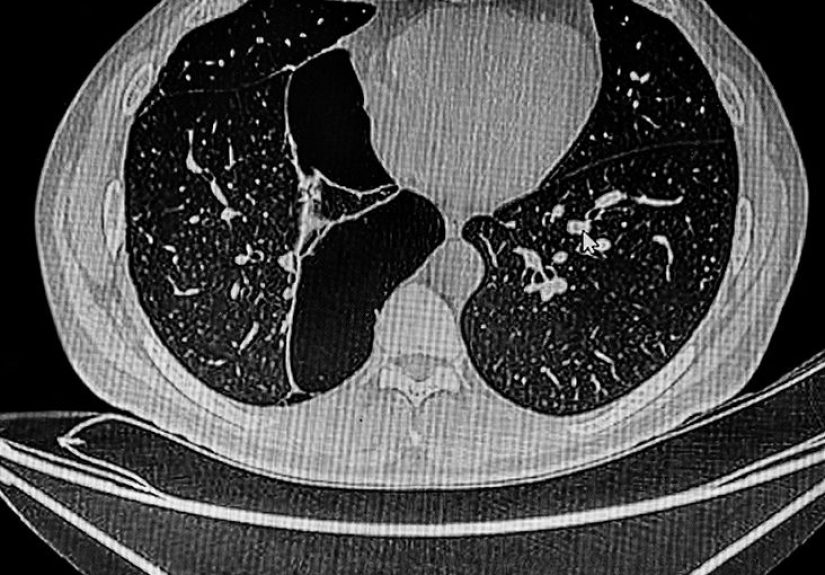
A chest X-ray may show large bullae, lung overinflation, or other conditions that could explain symptoms. However, X-rays do not always detect early emphysema or smaller bullae.
CT Scan
A CT scan provides more detailed images of the lungs. It can show the size and location of bullae, the amount of emphysema, and whether nearby lung tissue is being compressed. CT imaging can also help doctors decide whether surgery or another intervention might be useful.
Spirometry and Pulmonary Function Tests
Spirometry measures how much air a person can forcefully breathe out and how quickly. It is a key test for diagnosing COPD and assessing airflow limitation. Other pulmonary function tests may measure lung volumes, oxygen transfer, and exercise capacity.
Blood Tests
Blood tests may check oxygen and carbon dioxide levels, especially in more advanced disease. Testing for alpha-1 antitrypsin deficiency may be recommended when emphysema appears at a younger age, seems unusually severe, or occurs with limited smoking exposure.
Treatment Options for Bullous Emphysema
Treatment depends on symptom severity, lung function, bulla size, overall health, and whether complications are present. The goal is not simply to “treat a scan.” The goal is to help the person breathe better, move more comfortably, avoid flare-ups, and protect remaining lung function.
Stop Smoking and Avoid Irritants
If you smoke, quitting is one of the most powerful steps you can take. It cannot rebuild destroyed alveoli, but it can slow further damage and improve the effectiveness of treatment. Avoiding secondhand smoke, dusty environments, chemical fumes, and poor air quality can also help reduce irritation.
Bronchodilators
Bronchodilators are inhaled medicines that relax the muscles around the airways. This can make breathing easier and reduce wheezing or chest tightness. Some are used for quick relief, while others are taken daily for long-term control.
Inhaled Steroids and Combination Inhalers
Inhaled steroids may be used in some people with frequent COPD flare-ups or airway inflammation. Many treatment plans include combination inhalers that pair bronchodilators with other medications. A healthcare professional chooses these based on symptoms, exacerbation history, and lung function.
Pulmonary Rehabilitation
Pulmonary rehabilitation is one of the most underrated tools in chronic lung care. It combines supervised exercise, breathing techniques, education, nutrition guidance, and support. People often learn how to pace activities, use inhalers correctly, manage breathlessness, and build confidence without feeling like every walk is a mountain expedition.
Oxygen Therapy
Oxygen therapy may be recommended if blood oxygen levels are too low. It may be used during sleep, activity, recovery from illness, or throughout the day depending on medical testing. Oxygen should always be used exactly as prescribed because too much or too little can create problems.
Vaccines and Infection Prevention
Respiratory infections can trigger serious flare-ups. People with COPD or emphysema should talk with their healthcare professional about recommended vaccines, including flu, COVID-19, pneumococcal, and RSV vaccines when appropriate. Handwashing, avoiding sick contacts, and treating infections early can also help.
When Is Surgery Considered?
Surgery is not needed for everyone with bullous emphysema. In fact, many people are managed with medication, rehabilitation, oxygen therapy, and lifestyle changes. But surgery may be considered when bullae are very large, symptoms are significant, and the surrounding lung tissue may work better if the bullae are removed.
Bullectomy
Bullectomy is surgery to remove one or more large bullae. It may improve breathing in carefully selected people, especially when giant bullae compress healthier lung tissue. It is not a cure for COPD, and it is not appropriate for everyone. Doctors weigh possible benefits against risks such as air leaks, infection, bleeding, and the person’s overall lung reserve.
Lung Volume Reduction Surgery
Lung volume reduction surgery removes the most damaged areas of lung tissue so healthier areas and the diaphragm can work more efficiently. This option is usually reserved for selected people with severe emphysema, often in specific lung regions.
Endobronchial Valves
Some people with severe emphysema may qualify for endobronchial valves. These small one-way valves are placed through a bronchoscope to reduce trapped air in diseased parts of the lung. They are not the same as bullectomy, but they may help selected patients reduce hyperinflation.
Lung Transplant
In advanced cases that do not respond to other treatments, lung transplant evaluation may be discussed. This is a major decision involving strict eligibility criteria, lifelong follow-up, and medications that suppress the immune system.
Outlook: Can You Live Well With Bullous Emphysema?
The outlook for bullous emphysema varies. Some people have small bullae and mild symptoms for years. Others have severe COPD, frequent flare-ups, low oxygen levels, or complications that require more intensive care. Important factors include smoking status, lung function, oxygen levels, bulla size, infection history, overall fitness, and whether other conditions such as heart disease are present.
Bullous emphysema is usually chronic, meaning it does not simply disappear. Still, “chronic” does not mean “hopeless.” Many people improve their quality of life with smoking cessation, correct inhaler use, pulmonary rehabilitation, oxygen therapy when needed, and careful monitoring. In selected cases, surgery can relieve pressure from large bullae and improve breathing.
Daily Living Tips for Bullous Emphysema
Living with bullous emphysema often requires practical adjustments. These changes may sound small, but together they can make the day feel less like an obstacle course.
Pace Your Activities
Break tasks into smaller steps. Sit while showering, cooking, or folding laundry. Use a rolling cart for groceries or household supplies. Plan harder activities for the time of day when your energy is strongest.
Practice Breathing Techniques
Pursed-lip breathing can help slow breathing and keep airways open longer. Breathe in gently through the nose, then breathe out slowly through pursed lips as if cooling soup. No actual soup required, though soup is rarely a bad idea.
Keep Moving Safely
Exercise may feel intimidating, but inactivity can weaken muscles and make breathlessness worse. A supervised pulmonary rehabilitation plan is often the safest way to build stamina. Always ask a healthcare professional what level of activity is safe for your condition.
Watch for Flare-Up Signs
Call your healthcare professional if you notice worsening shortness of breath, increased mucus, changes in mucus color, fever, chest discomfort, swelling in the legs, or needing rescue medication more often than usual.
Experience-Based Insights: What Life With Bullous Emphysema Can Feel Like
People living with bullous emphysema often describe the condition less as one dramatic event and more as a gradual shrinking of their “breathing budget.” At first, the budget may only run low during big withdrawals: climbing several flights of stairs, carrying heavy bags, mowing the lawn, or walking quickly in cold air. Later, ordinary tasks may start charging interest. A shower, a trip to the mailbox, or a conversation while walking can feel surprisingly demanding.
One common experience is learning that breathlessness is not always predictable. A person may feel fine sitting at breakfast, then become winded while bending to tie a shoe. Bending compresses the chest and abdomen, which can make breathing harder. That is why many people learn little workarounds: slip-on shoes, long-handled tools, shower chairs, lightweight laundry baskets, and keeping frequently used items at waist height. These are not signs of “giving in.” They are smart design upgrades for real life.
Another practical lesson is that anxiety and breathlessness can feed each other. When breathing becomes difficult, it is natural to panic. Panic then makes breathing faster and shallower, which can worsen the sensation. Pulmonary rehabilitation often helps because it teaches people what to do when breathlessness appears. Having a plan turns a scary moment into a manageable routine: stop, sit, lean forward slightly, relax the shoulders, use pursed-lip breathing, and restart slowly when breathing settles.
Many patients also learn the importance of honest communication. Instead of saying, “I’m fine,” when they are clearly not fine, they may say, “I need two minutes before we keep walking,” or “I can come, but I need a place to sit.” This kind of clarity helps family and friends offer support without hovering like anxious helicopters.
People who use oxygen therapy often need time to adjust emotionally. Some feel self-conscious at first. Others worry that oxygen means they have failed somehow. In reality, oxygen is a treatment tool, not a character judgment. Glasses help eyes see. Canes help balance. Oxygen helps the body get what it needs. The goal is not to look perfectly effortless; the goal is to stay safer, more active, and more present.
The biggest experience-based takeaway is this: bullous emphysema care works best when it is proactive. Waiting until symptoms become unbearable can lead to emergency visits and fewer options. Tracking symptoms, keeping appointments, using inhalers correctly, quitting smoking, staying vaccinated, and asking about rehabilitation can all make daily life more manageable. The lungs may be complicated, but the strategy is refreshingly practical: protect what still works, treat problems early, and build routines that help every breath count.
Conclusion
Bullous emphysema is a serious lung condition, but understanding it can make it far less mysterious. It develops when damaged air sacs form large bullae that may interfere with breathing. Symptoms often include shortness of breath, cough, wheezing, chest tightness, fatigue, and reduced exercise tolerance. The condition is strongly linked to smoking and COPD, though genetics and environmental exposures can also play a role.
Treatment may include quitting smoking, inhaled medications, pulmonary rehabilitation, oxygen therapy, infection prevention, and in selected cases, procedures such as bullectomy, endobronchial valves, lung volume reduction surgery, or transplant evaluation. The best care plan is personalized, monitored, and adjusted over time.
If you or someone you love has symptoms of bullous emphysema, do not wait for breathing problems to become the boss of the household. A healthcare professional can help identify the cause, measure lung function, review imaging, and build a plan that supports better breathing and better living.