Table of Contents >> Show >> Hide
Cheesecake is one of those desserts that somehow manages to feel elegant, comforting, dramatic, and slightly dangerous all at once. One minute it is the crown jewel of a holiday table, and the next minute it is a midnight snack eaten straight from the fridge while wearing socks that do not match. That is the magic of cheesecake recipes: they can be dressed up with berries and citrus zest or kept simple with nothing but a buttery crust and a creamy filling that does all the talking.
If you have ever felt intimidated by cheesecake, you are not alone. The dessert has a reputation for being fussy, cracking under pressure, and requiring the sort of emotional stability most of us only pretend to have on weekdays. But great cheesecake recipes are less about perfection and more about understanding a few basic moves. Once you know what makes a cheesecake silky, rich, and balanced, the whole process becomes much more approachable.
This guide breaks down the most popular types of cheesecake recipes, what makes each one special, and how to choose the right version for your occasion. Whether you want a classic New York-style cheesecake, a no-bake summer dessert, a rustic Basque beauty, or mini cheesecakes for a party, there is a recipe style that fits. Better yet, there is a way to make it without turning your kitchen into a stress laboratory.
What Makes a Great Cheesecake Recipe?
The best cheesecake recipes usually share the same core elements: a flavorful crust, a creamy filling, a balanced level of sweetness, and a method that protects the texture from turning dry, grainy, or cracked. Cream cheese is the usual star, but sour cream, heavy cream, ricotta, mascarpone, or yogurt often show up to add tang, softness, or a lighter finish.
The crust matters more than people think
A crust is not just a crunchy floor for the filling to sit on. It adds contrast. Graham cracker crust is the classic choice, but cookie crusts, vanilla wafer crusts, chocolate crumb crusts, and even nut-based crusts can completely change the personality of the dessert. A good crust should hold together when sliced, taste buttery without becoming greasy, and offer enough texture to keep the filling from feeling too soft on its own.
The filling should be smooth, rich, and not absurdly dense
The phrase “rich and creamy” gets tossed around so often it should probably pay rent, but in cheesecake recipes it truly matters. A smooth filling begins with softened cream cheese and room-temperature ingredients. Cold dairy tends to resist blending, which leads to lumps. Overmixing, on the other hand, can whip in too much air, which is a fast track to puffing, sinking, and cracking. In other words, cheesecake likes calm energy.
Chilling is not optional
Cheesecake is one of the few desserts that gets dramatically better after a long rest. Time in the refrigerator allows the filling to firm up, the flavors to settle, and the slices to look clean instead of collapsing into a delicious identity crisis. If a recipe says chill for several hours or overnight, it is not being bossy for fun. It is protecting your dessert.
Popular Cheesecake Recipes Worth Making
There is no single “best” cheesecake recipe because different styles do different jobs. Some are dense and classic, some are light and airy, and some look slightly scorched on purpose and somehow get away with it. Here are the cheesecake styles most home bakers should know.
1. Classic New York-Style Cheesecake
This is the heavyweight champion of cheesecake recipes. New York-style cheesecake is rich, tall, smooth, and unapologetically indulgent. It usually leans on full-fat cream cheese, eggs, sugar, vanilla, and often sour cream or heavy cream for extra richness. The texture is dense but still creamy, not stiff or chalky.
This style is perfect for holidays, birthdays, and those moments when a dessert needs to look like it pays taxes. It is usually baked in a springform pan and often benefits from a water bath or a humid oven environment. Top it with fresh strawberries, cherry sauce, lemon curd, or nothing at all if you want the filling to stay center stage.
2. No-Bake Cheesecake
No-bake cheesecake recipes are the friendly cousins of baked cheesecake. They are easier, faster, and ideal for warm-weather entertaining when turning on the oven feels like a personal attack. The filling often relies on cream cheese plus whipped cream, condensed milk, or another stabilizing ingredient to create that mousse-like texture.
No-bake cheesecake is lighter than baked cheesecake and often a little fluffier. It is an excellent choice for beginners, casual dinners, and summer parties. Flavors like lemon, Oreo, peanut butter, strawberry, and key lime work especially well here because the chilled filling carries bright or sweet mix-ins beautifully.
3. Basque Cheesecake
If classic cheesecake is polished and formal, Basque cheesecake is the cool guest who arrives late and still steals the show. This crustless style is baked at a high temperature, which creates a deeply caramelized top and edges while the center stays creamy and custardy. It looks rustic, a little dramatic, and completely intentional.
Basque cheesecake recipes are wonderful for bakers who want big flavor without obsessing over a flawless top. They often require parchment lining and less decoration because the cake itself is the visual moment. Chocolate, coffee, sweet potato, pumpkin, and sesame variations all work beautifully in this format.
4. Mini Cheesecakes
Mini cheesecakes are the answer to parties, potlucks, showers, bake sales, and guests who say they only want a “small bite” and then quietly take three. These are usually baked in muffin tins with paper liners, making portioning simple and cleanup less annoying.
Mini cheesecake recipes are also good for flavor variety. You can make a single base and top different batches with fruit, caramel, crushed cookies, chocolate ganache, or spiced pumpkin topping. They chill faster than full-size cheesecakes and feel a little less high-stakes, which is always nice.
5. Ricotta or Lighter-Style Cheesecake
Not every cheesecake recipe needs to feel like a velvet brick. Ricotta cheesecakes, yogurt cheesecakes, and other lighter versions offer a softer, more delicate texture and a more subtle tang. These are excellent when you want a dessert that feels refined rather than heavy.
Lemon, honey, berry, and almond flavors pair especially well with these recipes. They are great for brunches, spring gatherings, and dinners where the main course was already rich enough to require a recovery nap.
6. Chocolate and Flavor-Swirled Cheesecakes
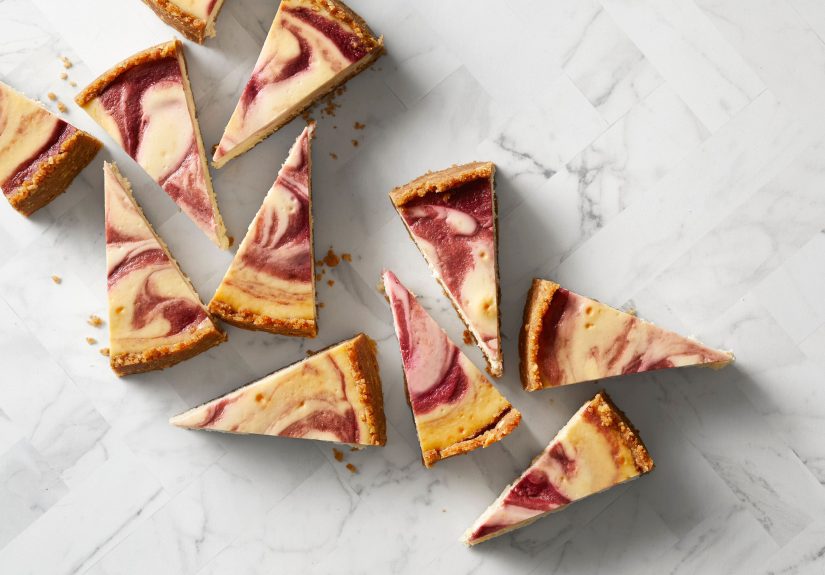
Chocolate cheesecake deserves its own fan club. It can be made as a full chocolate filling, a marble swirl, or a layered dessert with ganache on top. Swirled cheesecakes also open the door to pumpkin, raspberry, caramel, peanut butter, matcha, espresso, and seasonal combinations.
These cheesecake recipes work best when the added flavor does not overwhelm the structure of the filling. A swirl should feel intentional, not like the batter got into a disagreement with the topping.
Foolproof Tips for Better Cheesecake Recipes
If you want more successful cheesecake recipes, technique matters just as much as ingredients. The good news is that the most helpful tips are simple.
Use room-temperature ingredients
Softened cream cheese blends smoothly. Room-temperature eggs mix in more easily. Sour cream and heavy cream combine better when they are not ice-cold. This one step improves texture before the batter even reaches the pan.
Do not overbeat after adding eggs
Once eggs go into the bowl, mix just until combined. Too much mixing adds air, and trapped air can rise in the oven and fall later, which leads to cracks and sinking. Cheesecake is not a meringue. It does not need drama.
Bake gently
Many classic cheesecake recipes benefit from gentle, even heat. That can mean a water bath, a pan of hot water in the oven for steam, or simply lower-temperature baking depending on the style. The goal is to avoid sudden heat that cooks the edges too fast while the center is still trying to get organized.
Know when it is done
A baked cheesecake should usually look set around the edges with a slight jiggle in the center. It should not slosh like a dairy-based earthquake. Carryover heat and chilling will finish the job. Overbaking is one of the fastest ways to lose that creamy texture.
Cool gradually
Rapid temperature changes can encourage cracks. Letting the cheesecake cool gently before refrigerating helps it settle more gracefully. It is basically the dessert version of not slamming on the brakes.
Chill long enough to slice cleanly
Give your cheesecake time. Overnight is often ideal for a full-size version. For the cleanest slices, use a sharp knife dipped in hot water and wiped between cuts. Yes, it is slightly fussy. Yes, it is worth it.
Common Cheesecake Mistakes and How to Avoid Them
Cracks on top
Usually caused by overbaking, overmixing, or sudden cooling. The fix is better temperature control, gentler mixing, and patience. Also, toppings like fruit or sour cream can hide a cracked top if needed. We believe in both skill and strategic camouflage.
Soggy crust
This can happen when a springform pan leaks during a water bath or when the crust is not pre-baked long enough. Wrapping the pan well, using a steam method instead, or pre-baking the crust can help.
Lumpy filling
Cold cream cheese is usually the culprit. Start with softened ingredients and scrape the bowl often. Your mixer is helpful, but it is not a mind reader.
Runny no-bake cheesecake
This often comes from underwhipped cream, too much liquid flavoring, or not enough chilling time. A no-bake cheesecake needs structure from the ingredients and the refrigerator. The fridge is doing half the job, so let it work.
How to Choose the Right Cheesecake Recipe
The best cheesecake recipe depends on your goal. If you want a showstopper for a holiday table, choose a classic baked cheesecake or a New York-style version with a fruit topping. If you want something easy and warm-weather friendly, go with a no-bake cheesecake. If you want a trendy, deeply flavored dessert with a forgiving appearance, Basque cheesecake is the move. For parties, mini cheesecakes are practical and charming. For a lighter finish after dinner, try ricotta cheesecake or a fruit-forward recipe with lemon or berries.
Think about timing too. Some cheesecake recipes are make-ahead heroes, which makes them ideal for entertaining. In fact, cheesecake often tastes better after a full chill because the flavor becomes more balanced and the texture firms up. That is a rare dessert perk: it rewards procrastination that looks like planning.
Why Cheesecake Recipes Never Go Out of Style
Cheesecake recipes stay popular because they are endlessly adaptable. They can be classic, playful, nostalgic, elegant, rustic, seasonal, or over-the-top. You can make one in a springform pan, a pie plate, a muffin tin, or a baking dish. You can top it with fresh fruit, sauces, whipped cream, cookie crumbs, nuts, citrus zest, or absolutely nothing.
More importantly, cheesecake feels generous. It is the kind of dessert that suggests celebration, comfort, and maybe the possibility of a second slice if nobody is counting. It works for beginners once they learn the basics, and it keeps advanced bakers interested because there are always new flavor combinations to try.
If you are building a collection of dependable desserts, cheesecake recipes deserve a permanent place in it. Start with one style, learn how the texture behaves, then branch out. Before long, you will stop fearing the springform pan and start acting like someone who casually has “a cheesecake in the fridge.” That is a powerful energy.
Cheesecake Experiences From the Kitchen
The experience of making cheesecake is part science, part patience, and part learning not to panic when the center still wiggles. Anyone who has baked one knows there is a moment near the end when you stare through the oven door and wonder whether you have created dessert or a creamy optical illusion. That moment is universal. Cheesecake teaches you that some of the best kitchen results do not look finished right away.
One of the first lessons people learn from cheesecake recipes is that texture starts long before baking. When the cream cheese is soft and the ingredients are ready, the batter comes together smoothly and almost luxuriously. When they are cold, the whole process feels like trying to negotiate with a stubborn brick. That tiny bit of prep changes the mood of the bake. Suddenly, the mixer is working with you instead of filing complaints.
Another common cheesecake experience is discovering the difference between “mixed” and “overmixed.” Many bakers start out thinking more mixing must equal a smoother filling. Then they bake a cheesecake that rises like it has big plans and sinks like it just read the comments section. That is when the recipe becomes a teacher. Cheesecake rewards restraint. It likes gentle handling, steady heat, and the kind of patience that feels suspiciously like maturity.
Then comes the cooling and chilling phase, also known as the part where cheesecake tests your character. Cookies are ready fast. Brownies are ready fast. Cheesecake looks at that kind of urgency and says, “Not my culture.” It wants to cool gradually and chill thoroughly. People who rush this stage usually remember it because the slices turn messy, soft, or oddly sad. People who wait get that clean, creamy cut that makes the whole dessert feel professional.
Serving cheesecake is its own experience too. It has a way of making ordinary dinners feel more special. A plain cheesecake with berries can look elegant without much effort. A chocolate cheesecake can instantly become the center of attention. A no-bake cheesecake on a hot day feels like a brilliant life decision. Mini cheesecakes make guests happy because they are cute, practical, and remove the awkwardness of portion negotiation. No one has to pretend they want “just a sliver.”
There is also the emotional experience of realizing that cheesecake does not have to be flawless to be excellent. A crack on top does not ruin the flavor. A slightly rustic edge does not matter once the first forkful lands. In fact, many memorable cheesecakes are the ones that look homemade in the best possible way. They feel generous and real. They do not look factory-perfect, but they taste like someone cared enough to make dessert properly.
Over time, cheesecake recipes become personal. People remember the one they made for Thanksgiving, the one they carried carefully to a birthday dinner, the one they topped with strawberries that were finally in season, or the one they made just because the week had been rude and dessert felt necessary. That is why cheesecake keeps showing up in home kitchens. It is not only delicious. It is dependable, adaptable, and tied to moments people actually remember.
And honestly, that may be the best thing about cheesecake. It feels a little fancy, but it still belongs at home. It turns technique into comfort, and a few humble ingredients into something celebratory. Also, if there happens to be one lonely slice left in the fridge the next morning, breakfast will suddenly become a very interesting conversation.