Table of Contents >> Show >> Hide
- Why Window Treatments Matter in Bright Rooms
- 20 Window Treatment Ideas to Make Any Space Feel Brighter
- 1. Use sheer white curtains for an instant airy effect
- 2. Hang curtain rods higher than the window frame
- 3. Extend rods wider than the window
- 4. Choose light-filtering roller shades for a clean, modern look
- 5. Layer sheers with blackout panels for flexibility
- 6. Try Roman shades in pale linen or cotton
- 7. Add café curtains in kitchens and breakfast corners
- 8. Use woven wood shades to warm up bright light
- 9. Pick soft neutral tones instead of dark drapery
- 10. Install top-down, bottom-up shades for privacy without gloom
- 11. Use solar shades in bright home offices
- 12. Embrace barely-there hardware
- 13. Match the curtain color closely to the wall color
- 14. Use interior shutters for crisp, controlled light
- 15. Consider window film when curtains feel too heavy
- 16. Frame bay windows with flexible treatments
- 17. Use cellular shades when you want brightness plus comfort
- 18. Go for simple valances only when the room needs softness
- 19. Use patterned curtains sparingly and strategically
- 20. Choose cordless styles for a cleaner finish
- How to Pick the Right Brightening Window Treatment
- Real-World Experiences: What People Notice After Switching to Brighter Window Treatments
- Final Thoughts
- SEO Tags
Some rooms are blessed with glorious sunlight. Others get one sad beam at 4:17 p.m. and call it a day. The good news? Smart window treatments can make almost any room feel lighter, fresher, and more open without forcing you to knock down walls or pray for better weather.
The trick is choosing coverings that work with daylight instead of wrestling it to the floor. The best window treatment ideas soften glare, protect privacy, and still let a room breathe. From airy sheers and Roman shades to woven woods, café curtains, and sleek roller blinds, the right choice can visually lift a ceiling, widen a wall, and make the whole space feel less cave-like and more magazine-spread-adjacent.
Below are 20 brightening window treatment ideas that balance beauty and function, along with practical examples for living rooms, kitchens, bedrooms, bathrooms, and small spaces that need every ounce of light they can get.
Why Window Treatments Matter in Bright Rooms
Window treatments do more than cover glass. They shape how natural light enters a room, how shadows fall across furniture, and how big or cozy a space feels. Heavy fabrics, dark colors, and awkward lengths can visually drag a room down. Lighter materials, better placement, and the right level of filtering can make the same window feel dramatically more generous.
If your goal is a brighter home, focus on three things: light diffusion, visual weight, and placement. Diffusing sunlight keeps it soft rather than harsh. Lower visual weight prevents a room from feeling boxed in. And strategic placement, especially hanging treatments higher and wider than the window frame, can make windows seem larger than they really are. That is the decorating equivalent of a flattering camera angle, and frankly, houses deserve that too.
20 Window Treatment Ideas to Make Any Space Feel Brighter
1. Use sheer white curtains for an instant airy effect
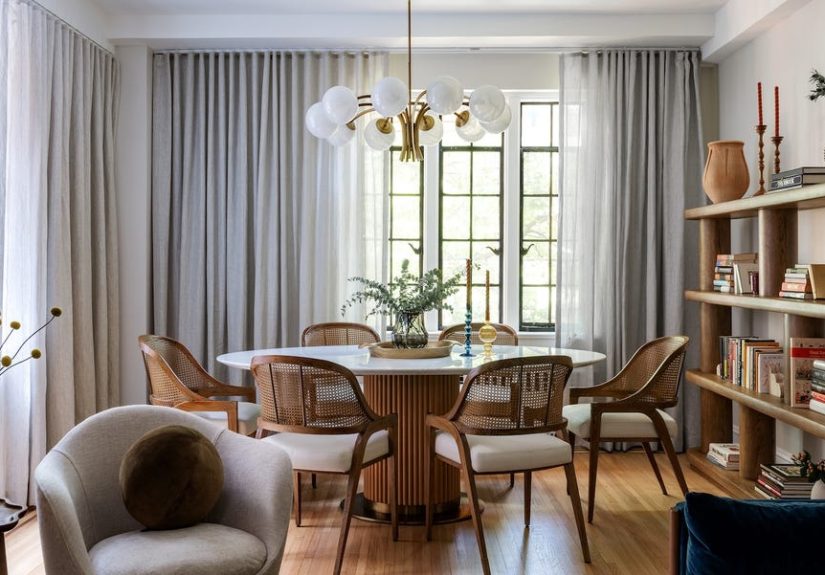
Sheer white curtains are the classic bright-room move for a reason. They filter daylight rather than block it, soften the view, and create that breezy glow people usually describe as “effortless” after spending three weekends choosing fabric. In living rooms and bedrooms, they work beautifully on their own when privacy needs are modest.
2. Hang curtain rods higher than the window frame
Mounting rods closer to the ceiling draws the eye upward and makes windows look taller. That simple change can make a room feel brighter because the whole wall looks more open and vertical. Pair that trick with long panels that skim the floor and the window suddenly feels like it got promoted.
3. Extend rods wider than the window
When curtain panels can stack mostly off the glass, more daylight gets into the room during the day. This is one of the smartest window treatment ideas for small living rooms, narrow bedrooms, or any space where the window already feels undersized. More exposed glass equals more visible light. Math has never looked so decorative.
4. Choose light-filtering roller shades for a clean, modern look
Roller shades are excellent when you want minimal bulk. A light-filtering fabric keeps a room bright while muting glare, making them especially useful in home offices, breakfast nooks, and TV rooms that still need daytime light. They disappear visually when raised, which helps the architecture shine.
5. Layer sheers with blackout panels for flexibility
Layering is the overachiever of window treatments. During the day, the sheers keep things soft and luminous. At night, blackout drapes give you privacy and better sleep. This combo is ideal in bedrooms, nurseries, and guest rooms where you want options instead of committing to full brightness or total darkness all day long.
6. Try Roman shades in pale linen or cotton
Roman shades bring softness without the full volume of drapery. In a light linen, ivory cotton, or muted oatmeal tone, they look tailored and bright without feeling stark. They are especially effective in dining rooms, kitchens, and studies where you want polish but not fuss.
7. Add café curtains in kitchens and breakfast corners
Café curtains cover only the lower half of the window, which means you get privacy where you need it while still letting sunlight pour in up top. They are charming, practical, and one of the best solutions for windows over sinks or in street-facing breakfast areas. Bonus: they make even ordinary coffee feel a little more cinematic.
8. Use woven wood shades to warm up bright light
If a room has plenty of sun but still feels cold or flat, woven wood shades can help. They filter light in a warmer, more textured way than plain fabric treatments. The result is brightness with character. These are especially attractive in living rooms, sunrooms, and bedrooms with natural or coastal-inspired decor.
9. Pick soft neutral tones instead of dark drapery
Color has visual weight. Deep charcoal, espresso, or heavy jewel tones can look dramatic, but they often make a room feel more enclosed. Soft white, cream, sand, pale gray, greige, and warm flax tones reflect and distribute light more gently, helping the whole space look fresher and less shadowy.
10. Install top-down, bottom-up shades for privacy without gloom
This style lets you lower the shade from the top while keeping the bottom covered. It is a fantastic solution for bathrooms, street-level bedrooms, and front rooms where privacy matters but you do not want to live like a stylish mole person. You keep daylight and lose the fishbowl feeling.
11. Use solar shades in bright home offices
Solar shades are ideal when the problem is not a lack of light, but too much aggressive, screen-blasting sunshine. They cut glare while preserving a bright overall look and often maintain a better outdoor view than thicker treatments. If your laptop screen turns into a mirror by noon, this is your cue.
12. Embrace barely-there hardware
Bulky rods, oversized finials, and heavy brackets can visually clutter a window. Slim hardware in finishes that blend with the wall or window trim keeps the look lighter. In small rooms, this detail matters more than people think. It is a subtle move, but subtle moves are often the ones that stop a room from looking overworked.
13. Match the curtain color closely to the wall color
High contrast can chop up a room visually. When curtains are close to the wall color, the eye reads the space as more continuous, which makes it feel larger and brighter. This is particularly effective in apartments, guest bedrooms, and hall-adjacent rooms where every visual trick earns its keep.
14. Use interior shutters for crisp, controlled light
Shutters can look bright and architectural, especially in white or off-white finishes. Because the louvers adjust, you can direct light more precisely than with a solid panel. They are especially appealing in bathrooms, traditional homes, and sunny spaces where you want privacy, clean lines, and a bit of timeless structure.
15. Consider window film when curtains feel too heavy
Decorative or frosted window film is a clever option for bathrooms, sidelights, and close-to-the-neighbor situations. It gives privacy while letting in daylight, and it does not add visual bulk at all. That makes it a smart fix for minimalist spaces or rooms where fabric treatments would just feel like one accessory too many.
16. Frame bay windows with flexible treatments
Bay windows can be a huge asset, but the wrong treatment can turn them into a dark, fussy corner. Sheer panels, Roman shades, or café curtains usually preserve their openness better than thick drapes pulled across the whole span. Let the shape do the work. Bay windows already have main-character energy.
17. Use cellular shades when you want brightness plus comfort
Cellular shades are a practical pick for rooms that need soft light and better insulation. They can help a space feel comfortable without resorting to heavy drapery, and light-filtering versions keep the room bright. In bedrooms, nurseries, and drafty living areas, they offer a nice balance of softness and performance.
18. Go for simple valances only when the room needs softness
A tailored valance can soften a kitchen, laundry room, or breakfast nook without blocking much glass, but the key is restraint. Keep the fabric light, the shape simple, and the scale proportional. Done well, a valance adds personality. Done poorly, it starts to resemble an overexcited lampshade.
19. Use patterned curtains sparingly and strategically
Pattern does not automatically darken a room, but busy, high-contrast prints can make a space feel heavier. If you love pattern, choose airy fabrics and lighter backgrounds, or use patterned side panels with lots of open space between them. This keeps the room lively without visually swallowing the daylight.
20. Choose cordless styles for a cleaner finish
Cordless shades and blinds create a neater silhouette and help windows look less cluttered. They are especially useful in modern homes, family spaces, and anywhere you want the treatment to feel sleek rather than fussy. Cleaner lines often read as brighter lines, which is exactly the point here.
How to Pick the Right Brightening Window Treatment
The best option depends on the room. In a living room, sheer curtains, woven shades, or light-filtering rollers usually create the brightest overall effect. In bedrooms, layering is often the smartest route because it gives you daytime glow and nighttime darkness. In kitchens, café curtains, Roman shades, and slim rollers tend to look crisp without getting in the way. In bathrooms, privacy film, shutters, or top-down shades are often the strongest choices.
Also think about the direction of the light. East-facing rooms may need a little softness in the morning, while west-facing rooms often benefit from glare control in the afternoon. North-facing spaces usually need treatments that preserve every scrap of daylight possible. And if the room is already dark, avoid anything too heavy, too dark, too ornate, or too eager to show off.
Bright rooms are rarely about one miracle product. More often, they are the result of a few smart decisions working together: lighter fabric, better mounting height, softer color, and a treatment style that respects the window instead of smothering it.
Real-World Experiences: What People Notice After Switching to Brighter Window Treatments
One of the most common real-life experiences with window updates is pure surprise. Homeowners often expect a room to look a little better after swapping treatments, but they do not always expect the room to feel larger, calmer, and cleaner at the same time. A small guest room with dark grommet panels can feel almost like a different room after switching to ivory linen drapes hung a few inches below the ceiling. Nothing about the architecture changes, yet the room suddenly feels taller and less boxed in.
In apartments, renters often notice that the biggest improvement comes from reducing visual weight. Replacing heavy blackout curtains in a living room with sheer panels and a light-filtering roller shade can make the daytime atmosphere feel far more open. People describe the result as brighter, but what they usually mean is that the room feels less tense. Light spreads more evenly, corners look softer, and furniture no longer feels like it is huddled in the shadows plotting a dramatic monologue.
Kitchens are another place where small treatment changes create outsized results. A common experience is that full-length curtains near a sink or breakfast area look charming in theory but quickly start to feel bulky, impractical, or just a little too committed. Café curtains or a simple Roman shade often solve that problem. They preserve privacy while keeping the upper part of the window open, and that tends to make everyday routines feel more pleasant. Morning coffee feels brighter, prep areas look cleaner, and the whole room reads as more functional.
Bedrooms tell a slightly different story. People usually want brightness by day and cave mode by night, which is why layered treatments get such strong feedback. Sheers with blackout panels let the room feel soft and restful during the day without forcing a choice between glare and gloom. Many people find that this setup makes the room feel more finished too, because it adds depth without making the window wall heavy.
Home offices are where the practical benefits show up fastest. Anyone who has tried to work through sharp afternoon glare knows that “bright” and “usable” are not always the same thing. Solar shades or light-filtering rollers often improve the experience immediately by reducing eye strain while keeping the room visually open. The space still feels alive and sunlit, but screens become readable and the desk stops feeling like the worst seat in the house.
There is also a strong emotional side to these changes. Brighter window treatments tend to make people open their curtains more often, keep rooms tidier, and enjoy natural light instead of fighting it. The room becomes easier to live in. That may be the biggest lesson of all: the right window treatment is not just decoration. It quietly changes how a space works from morning to night, and sometimes that is enough to make the whole home feel lighter.