Table of Contents >> Show >> Hide
- What Are Chocolate Espresso Fondants?
- Why Espresso Makes Chocolate Taste Better
- Chocolate Espresso Fondants Recipe
- How to Know When Chocolate Espresso Fondants Are Done
- Best Chocolate to Use
- Make-Ahead Tips
- Serving Ideas That Make Them Shine
- Common Mistakes and Easy Fixes
- Flavor Variations
- Food Safety Note
- Why This Dessert Works So Well
- Kitchen Experiences With Chocolate Espresso Fondants
- Conclusion
Chocolate espresso fondants are the dessert equivalent of a dramatic movie entrance: quiet on the outside, wildly emotional in the middle, and absolutely guaranteed to make people lean forward with a spoon. These small, rich cakes look polished enough for a restaurant menu, but the secret is wonderfully simple. Melt good chocolate with butter, whisk it into eggs and sugar, add a whisper of flour, then bake just long enough for the edges to set while the center stays molten.
The espresso is not here to hijack the dessert and turn it into a coffee shop pastry. Its job is sneakier and smarter. A little espresso powder deepens the chocolate flavor, adding roasted bitterness and complexity so the fondant tastes darker, richer, and more grown-up. Think of espresso as chocolate’s best hype person: it stands slightly behind the main character and makes everything more impressive.
This guide walks you through how to make chocolate espresso fondants with a glossy molten center, tender cake-like edges, and enough confidence to unmold them without whispering a prayer to the dessert gods. You will also find troubleshooting tips, make-ahead advice, flavor variations, serving ideas, and real kitchen experience notes for getting the timing just right.
What Are Chocolate Espresso Fondants?
Chocolate espresso fondants are individual chocolate cakes baked in ramekins until the outside is softly set and the inside remains warm, thick, and flowing. They are often called molten chocolate cakes, chocolate lava cakes, or chocolate fondants. The word “fondant” can confuse American bakers because it often refers to the smooth sugar paste used to cover celebration cakes. In this case, however, fondant means something much more delicious: a rich dessert with a melting center.
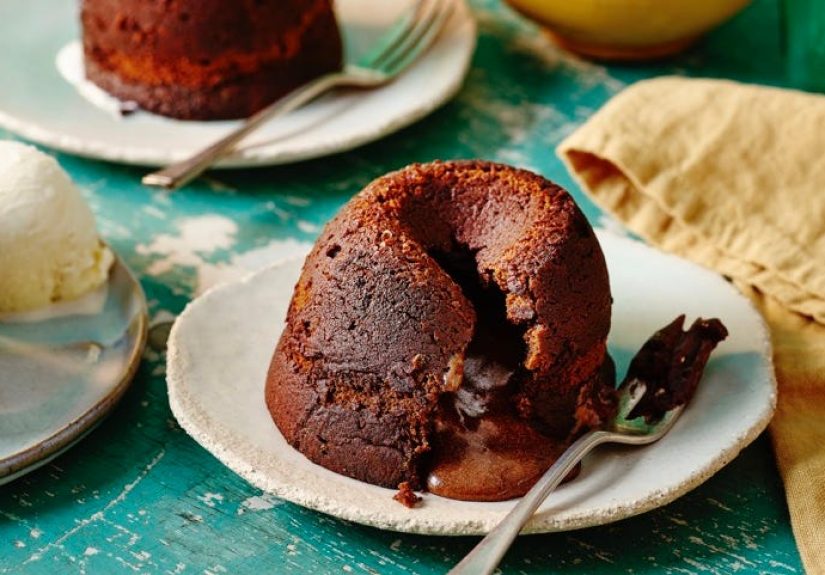
The beauty of a chocolate fondant is contrast. The outer layer gives you a delicate cake texture, while the center behaves like hot chocolate ganache that took a wrong turn and ended up becoming dinner-party theater. When you cut into it, the middle spills onto the plate like a tiny chocolate volcano. Ideally, nobody claps, but honestly, they might.
Why Espresso Makes Chocolate Taste Better
Espresso powder and chocolate are a classic pairing because they share deep, roasted, slightly bitter notes. Used carefully, espresso does not make the dessert taste aggressively like coffee. Instead, it sharpens the chocolate, balances sweetness, and adds a subtle mocha aroma. This is especially helpful in a fondant because the ingredient list is short. With so few players on the field, every one of them needs to perform.
For this recipe, instant espresso powder works best because it dissolves smoothly and delivers concentrated flavor without adding extra liquid. Strong brewed espresso can also work, but too much liquid may loosen the batter and affect the molten structure. If you love a clear coffee flavor, use the full amount of espresso powder. If you want the espresso to act only as a background note, start with less.
Chocolate Espresso Fondants Recipe
This recipe makes four individual fondants using 6-ounce ramekins. The result is rich, intense, and best served warm, about 1 to 2 minutes after unmolding. That short rest helps the cakes hold their shape while keeping the center beautifully molten.
Recipe Overview
- Prep time: 15 minutes
- Cook time: 10 to 12 minutes
- Total time: About 30 minutes
- Servings: 4 fondants
- Best for: Date night, dinner parties, holidays, birthdays, or emergency chocolate situations
Ingredients
- 6 ounces bittersweet chocolate, chopped, preferably 60% to 70% cacao
- 1/2 cup unsalted butter, plus more for greasing ramekins
- 2 large eggs
- 2 large egg yolks
- 1/3 cup granulated sugar
- 1 teaspoon instant espresso powder, or 1 1/2 teaspoons for a stronger mocha flavor
- 1 teaspoon vanilla extract
- 1/4 teaspoon fine sea salt
- 3 tablespoons all-purpose flour
- 1 tablespoon unsweetened cocoa powder, for dusting ramekins
- Powdered sugar, whipped cream, vanilla ice cream, or berries, for serving
Step-by-Step Instructions
1. Prepare the ramekins
Preheat the oven to 425 degrees Fahrenheit. Generously butter four 6-ounce ramekins, making sure to coat the bottoms, sides, and corners. Dust each ramekin with unsweetened cocoa powder, then tap out the excess. Cocoa powder helps the fondants release cleanly and keeps the outside chocolatey instead of giving it a pale floury coat.
2. Melt the chocolate and butter
Place the chopped bittersweet chocolate and butter in a heatproof bowl. Melt gently over a saucepan of barely simmering water, stirring until smooth. You can also microwave the mixture in short 20-second bursts, stirring between each burst. The goal is glossy and melted, not scorched and grumpy. Let the mixture cool for 3 to 5 minutes so it does not scramble the eggs.
3. Whisk the eggs, yolks, and sugar
In a medium bowl, whisk the eggs, egg yolks, and sugar until the mixture looks slightly lighter and thicker. You do not need to whip it into a full sponge-cake foam, but a little air helps create a delicate structure around the molten center.
4. Add espresso, vanilla, and salt
Whisk the espresso powder, vanilla extract, and salt into the egg mixture. The espresso powder should dissolve well. If it clumps, keep whisking for a few seconds. Nobody wants a surprise espresso pebble in the middle of dessert, unless the theme of the evening is “culinary betrayal.”
5. Combine the chocolate and egg mixtures
Slowly pour the warm chocolate-butter mixture into the eggs while whisking constantly. Add it gradually so the eggs warm gently. Once combined, the batter should look glossy, thick, and deeply chocolatey.
6. Fold in the flour
Sift or sprinkle the flour over the batter and fold it in just until no dry streaks remain. Do not overmix. Flour gives the fondants enough structure to stand upright, but too much mixing can make the texture tougher than necessary.
7. Fill and bake
Divide the batter evenly among the prepared ramekins, filling each about three-quarters full. Place the ramekins on a baking sheet and bake for 10 to 12 minutes. The edges should look set, the tops should be slightly puffed, and the centers should still have a gentle jiggle. If the centers look fully firm, the fondants may still taste delicious, but the molten drama may have left the building.
8. Rest, unmold, and serve
Let the fondants rest for 1 minute. Run a thin knife around the edge of each ramekin. Place a dessert plate over the top, carefully invert, and lift the ramekin away. Serve immediately with powdered sugar, whipped cream, berries, or a scoop of vanilla ice cream.
How to Know When Chocolate Espresso Fondants Are Done
The most important skill in making chocolate espresso fondants is knowing when to pull them from the oven. The difference between molten perfection and a very nice mini brownie can be just 60 seconds. Look for set edges, slightly puffed tops, and centers that wobble softly when you nudge the baking sheet. They should not slosh like raw batter, but they should not stand completely still either.
Because ovens vary, the first batch is your test drive. If your fondants collapse completely when unmolded, bake them 1 minute longer next time. If the center is mostly set, bake them 1 minute less. Once you learn your oven and ramekin size, this recipe becomes wonderfully predictable.
Best Chocolate to Use
Use chocolate you would happily eat on its own. Bittersweet chocolate in the 60% to 70% cacao range gives the best balance of richness, sweetness, and structure. Semisweet chocolate works if you prefer a softer, sweeter flavor. Unsweetened chocolate is usually too harsh unless the sugar is adjusted. Milk chocolate can make the fondants overly sweet and less intense, though it can be blended with dark chocolate for a gentler version.
Chopped bar chocolate often melts more smoothly than standard chocolate chips because chips are designed to hold their shape. High-quality baking wafers or melting discs are also excellent. If using chips, choose a brand known for melting well and stir gently to avoid overheating.
Make-Ahead Tips
One reason chocolate espresso fondants are so useful for entertaining is that they can be prepared ahead. Make the batter, fill the buttered and cocoa-dusted ramekins, cover them tightly, and refrigerate for up to 24 hours. When ready to bake, let the ramekins sit at room temperature while the oven preheats. Cold batter may need 1 to 2 extra minutes in the oven.
You can also freeze unbaked fondants. Cover the filled ramekins well and freeze for up to one month. Bake directly from frozen, adding several minutes to the baking time. The texture may be slightly denser, but the convenience is hard to argue with. Dessert in the freezer is basically edible confidence.
Serving Ideas That Make Them Shine
Chocolate espresso fondants are intense, so they love partners that bring contrast. Vanilla ice cream is the classic choice because cold creaminess against warm chocolate is difficult to improve. Lightly sweetened whipped cream works beautifully, especially with a pinch of espresso powder or vanilla bean. Fresh raspberries, strawberries, or blackberries add acidity and color. A drizzle of salted caramel makes the dessert extra indulgent, while chopped toasted hazelnuts or almonds add crunch.
For a dinner-party plate, dust the fondant with powdered sugar, add a spoonful of whipped cream, scatter a few berries, and finish with shaved chocolate. It looks elegant, but the effort level stays very reasonable. That is the sweet spot: fancy enough to impress, simple enough that you are not washing twelve bowls while your guests are having fun without you.
Common Mistakes and Easy Fixes
The fondants stuck to the ramekins
The ramekins may not have been greased thoroughly enough. Use softened butter and coat every surface, then dust with cocoa powder. Pay special attention to the bottom edge where the sides meet the base.
The center was not molten
The fondants were likely overbaked, the ramekins were too small, or the batter rested too long at room temperature before baking. Reduce the baking time by 1 to 2 minutes next time.
The cakes collapsed
A little settling is normal, but total collapse usually means the fondants needed another minute in the oven. The edges must be set enough to hold the molten center.
The flavor tasted flat
Add a little more salt, use better chocolate, or increase the espresso powder slightly. Salt and espresso both help chocolate taste deeper and more complete.
Flavor Variations
Once you master the basic chocolate espresso fondant, variations are easy. Add a teaspoon of orange zest for a chocolate-orange version. Tuck a small square of salted caramel chocolate into the center before baking for an extra molten surprise. Stir in a pinch of cinnamon and cayenne for a Mexican-inspired twist. Add a splash of coffee liqueur for an adults-only dessert, or place a teaspoon of peanut butter in the center for a chocolate-peanut butter fondant that will make grown people unusually quiet.
If you want a gluten-free version, replace the all-purpose flour with a reliable one-to-one gluten-free baking flour or use finely ground almond flour for a softer texture. The fondants may be slightly more delicate, so let them rest for an extra minute before unmolding.
Food Safety Note
Chocolate fondants have a molten center, but molten should not mean careless. Use fresh eggs, keep ingredients properly refrigerated, and bake the cakes until the edges are set and the center is hot. For anyone who is pregnant, elderly, immunocompromised, or especially cautious about undercooked eggs, consider using pasteurized eggs and checking one test fondant with a food thermometer. The goal is indulgence, not a dramatic subplot.
Why This Dessert Works So Well
Chocolate espresso fondants succeed because they deliver maximum reward from a short ingredient list. Butter adds richness, eggs provide structure, sugar softens the bitterness, flour gives just enough support, and espresso makes the chocolate taste more chocolatey. The hot oven sets the outside quickly while the center stays fluid. It is not complicated, but it does require attention.
That attention is part of the fun. Unlike a sheet cake that politely waits on the counter, fondants ask you to show up at the right moment. They reward timing, confidence, and a little nerve. When they work, they feel almost magical. When they do not, you still have warm chocolate cake, which is not exactly a tragedy.
Kitchen Experiences With Chocolate Espresso Fondants
The first time you make chocolate espresso fondants, you may feel as if you are negotiating with your oven. The recipe says 10 to 12 minutes, but your oven may have strong opinions. One baker’s perfect 11-minute fondant is another baker’s fully set chocolate cupcake. That is why the best practical advice is to bake one test fondant before serving guests. It sounds fussy, but it is actually the shortcut to confidence. Once you know whether your oven runs hot, cold, or emotionally unpredictable, the remaining ramekins become much easier to manage.
In my experience, the most satisfying fondants come from treating the ramekins with respect. Greasing them casually is where problems begin. A quick swipe of butter is not enough. The butter should coat the inside generously, almost like you are polishing the ramekin for a tiny chocolate ceremony. Cocoa powder should cling to every buttered surface. When this step is done well, unmolding feels smooth and calm. When it is rushed, the cake may stick, tear, or come out looking like it lost an argument.
Another useful experience: do not panic if the tops crack slightly. A small crack is not failure. It often means the outside has set, and the center is still soft. Once the fondant is inverted and dressed with powdered sugar or ice cream, nobody will inspect it like a building code officer. The real test comes when the spoon goes in. If the center flows, you have won.
The espresso level is also personal. For family dinners, I usually keep it subtle, using about 1 teaspoon so the dessert tastes like deep chocolate rather than coffee. For coffee lovers, especially after a steak dinner or holiday meal, a little extra espresso powder makes the fondants taste bold and sophisticated. Just avoid adding too much, because espresso can become bitter if it stops supporting the chocolate and starts trying to take over the room.
Serving temperature matters more than people think. A fondant eaten straight from the oven can be too hot to appreciate, while one left sitting for 10 minutes may lose its molten center. The sweet spot is a short rest, a careful unmold, and immediate serving. Vanilla ice cream is the easiest partner because it cools the richness and creates that dreamy hot-cold contrast. Berries are excellent when you want brightness. Whipped cream is ideal when you want softness without making the plate too sweet.
For entertaining, the make-ahead method is a lifesaver. Fill the ramekins in the afternoon, refrigerate them, and bake after dinner. This lets you enjoy the meal instead of disappearing into the kitchen like a dessert magician with poor social skills. Just remember that chilled batter needs a little extra time. Watch the edges, not just the clock.
Perhaps the best part of chocolate espresso fondants is how forgiving they are emotionally. If underbaked, they become a delicious chocolate pudding cake. If overbaked, they become rich mini cakes. If perfect, they become the kind of dessert people remember. In every case, the room smells like melted chocolate and butter, which is already a strong argument in favor of making them.
Conclusion
Chocolate espresso fondants are proof that a dessert does not need a long ingredient list to feel luxurious. With quality chocolate, a touch of espresso powder, properly prepared ramekins, and careful timing, you can create a warm, restaurant-style dessert at home. The outside is tender, the center is molten, and the flavor is deep enough to make silence fall over the table for at least three spoonfuls.
Whether you serve them for Valentine’s Day, a holiday dinner, a birthday, or a Tuesday that needs emotional support, these fondants deliver. Start with the recipe, learn your oven, and do not be afraid to test one before serving. The reward is rich chocolate, a flowing espresso-kissed center, and the quiet satisfaction of knowing you just made dessert look much harder than it actually was.
Note: For the most reliable results, bake one test fondant first, especially if you are using a new oven, different ramekin size, or chilled batter.