Table of Contents >> Show >> Hide
- What Makes Classic Zucchini Bread So Good?
- Classic Zucchini Bread Ingredients
- Classic Zucchini Bread Recipe
- The Secret to Moist Zucchini Bread
- Common Mistakes to Avoid
- Best Mix-Ins for Classic Zucchini Bread
- How to Store Zucchini Bread
- How to Serve Classic Zucchini Bread
- Classic Zucchini Bread Variations
- Why This Recipe Works
- Personal Experience: What Baking Classic Zucchini Bread Teaches You
- Conclusion
- SEO Tags
Classic zucchini bread is the friendly little miracle of American home baking: it turns a humble green squash into a tender, cinnamon-scented loaf that somehow works for breakfast, snack time, dessert, and “I just walked through the kitchen and need one more slice” emergencies. It is soft without being soggy, sweet without pretending to be cake, and practical enough to rescue that zucchini hiding in your crisper drawer like it owes you money.
At its heart, classic zucchini bread is a quick bread, which means it uses baking soda or baking powder instead of yeast. No kneading, no rising, no dramatic countertop flour storm. You mix the wet ingredients, fold in the dry ingredients, stir in shredded zucchini, and bake until the kitchen smells like cinnamon, vanilla, and good decisions.
This guide walks through a reliable classic zucchini bread recipe, plus the little techniques that make the difference between a loaf that slices beautifully and one that collapses into a delicious but emotionally complicated brick.
What Makes Classic Zucchini Bread So Good?
The magic of zucchini bread is not that it tastes strongly like zucchini. In fact, the vegetable is more of a supporting actor than the star. Zucchini brings moisture, tenderness, and subtle freshness. The flavor comes from warm spices, brown sugar, vanilla, and the lightly caramelized crust that forms as the loaf bakes.
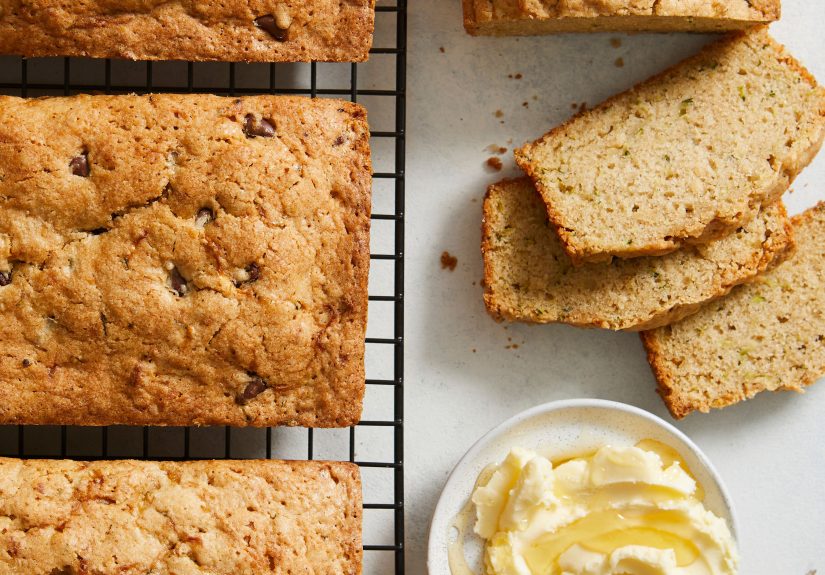
A good classic zucchini bread should have a soft crumb, a gently domed top, and enough structure to hold together when sliced. It should not be greasy, gummy, dry, or so sweet that it needs to file paperwork as a cupcake. The best version sits in that cozy middle ground: homey, rich, moist, and easy to eat plain or with a swipe of butter.
Classic Zucchini Bread Ingredients
The ingredient list is simple, but each item has a job. Baking is basically a tiny edible construction project, except the building disappears by lunchtime.
Fresh Zucchini
Use medium zucchini when possible. They usually have tender skin, mild flavor, and fewer oversized seeds. There is no need to peel zucchini for bread. The skin softens during baking and leaves pretty green flecks throughout the loaf. Shred it on the large holes of a box grater or use a food processor.
All-Purpose Flour
All-purpose flour gives the loaf enough structure without making it tough. Spoon the flour into your measuring cup and level it off instead of scooping directly from the bag. Too much flour is one of the fastest ways to turn moist zucchini bread into a doorstop with cinnamon.
Oil or Melted Butter
Vegetable oil creates a very moist, tender loaf that stays soft for days. Melted butter adds richer flavor but can produce a slightly firmer crumb. For a classic texture, oil is the dependable choice. For more flavor, use half oil and half melted butter.
Brown Sugar and Granulated Sugar
Brown sugar adds moisture and a light caramel note, while granulated sugar helps the loaf bake up with a pleasant crust. Using both gives the bread balanced sweetness and texture.
Eggs
Eggs bind the batter and help the loaf rise. Room-temperature eggs mix more evenly, but if yours are cold, do not panic. Zucchini bread is forgiving. It has seen worse.
Cinnamon, Nutmeg, and Vanilla
Cinnamon is the classic spice. A small amount of nutmeg deepens the flavor without making the bread taste like a holiday candle. Vanilla rounds everything out and makes the loaf smell like you know exactly what you are doing.
Classic Zucchini Bread Recipe
Ingredients
- 1 3/4 cups all-purpose flour
- 1 teaspoon baking soda
- 1/2 teaspoon baking powder
- 1 teaspoon ground cinnamon
- 1/4 teaspoon ground nutmeg
- 1/2 teaspoon fine salt
- 2 large eggs
- 1/2 cup vegetable oil
- 1/2 cup packed light brown sugar
- 1/3 cup granulated sugar
- 2 teaspoons vanilla extract
- 1 1/2 cups shredded zucchini, lightly squeezed if very watery
- 1/2 cup chopped walnuts or pecans, optional
- 1/2 cup chocolate chips, optional
Instructions
- Preheat the oven to 350°F. Grease a 9-by-5-inch loaf pan and line it with parchment paper, leaving a little overhang for easy lifting.
- Shred the zucchini using the large holes of a box grater. If it looks extremely wet, gently press it with a clean towel or paper towels. Do not squeeze it bone-dry; that moisture is part of the charm.
- In a medium bowl, whisk together flour, baking soda, baking powder, cinnamon, nutmeg, and salt.
- In a large bowl, whisk eggs, oil, brown sugar, granulated sugar, and vanilla until smooth.
- Stir the shredded zucchini into the wet mixture.
- Add the dry ingredients to the wet ingredients and fold gently with a spatula until just combined. A few small streaks of flour are better than overmixing.
- Fold in nuts or chocolate chips, if using.
- Spread the batter into the prepared loaf pan and smooth the top.
- Bake for 50 to 65 minutes, or until a toothpick inserted into the center comes out clean or with a few moist crumbs.
- Cool in the pan for 15 minutes, then lift the loaf onto a wire rack and cool completely before slicing.
The Secret to Moist Zucchini Bread
The secret is balance. Zucchini contains a lot of water, which is wonderful until it becomes too wonderful. If your zucchini is fresh and moderately juicy, add it as is. If it releases puddles of liquid the moment you shred it, gently blot or squeeze it. The goal is damp shredded zucchini, not vegetable confetti.
Oil also helps keep zucchini bread moist because it stays liquid at room temperature. That is why oil-based quick breads often remain soft longer than butter-based loaves. Brown sugar helps too, because it holds moisture and gives the crumb a plush texture.
Common Mistakes to Avoid
Overmixing the Batter
Once flour meets liquid, gluten begins forming. A little gluten gives structure; too much makes the loaf tough. Fold the batter gently and stop as soon as the ingredients are combined.
Using Too Much Zucchini
More zucchini sounds like a good idea until the loaf turns heavy and wet in the center. Measure after shredding, and avoid packing it down aggressively. Zucchini bread should be moist, not auditioning for pudding.
Underbaking the Center
Zucchini bread can look done on top while still being underbaked inside. Check the center with a toothpick or thin knife. If the top browns too quickly, loosely tent the loaf with foil and keep baking until the middle is set.
Slicing Too Soon
Warm zucchini bread smells irresistible, but slicing too early can make it crumble. Letting the loaf cool gives the crumb time to firm up. This is the hardest step because the bread will be sitting there looking smug and delicious.
Best Mix-Ins for Classic Zucchini Bread
Classic zucchini bread is excellent plain, but it also welcomes extras. Chopped walnuts or pecans add crunch and a toasted flavor. Chocolate chips make the loaf more dessert-like. Raisins or dried cranberries bring chewy sweetness. Shredded coconut gives a subtle tropical note, while orange zest brightens the whole loaf.
For the best balance, keep mix-ins to about 1/2 to 3/4 cup total for one loaf. Too many extras can weigh the batter down and make slicing messy. Nobody wants a loaf that falls apart like it just heard bad news.
How to Store Zucchini Bread
Cool the loaf completely before storing it. Wrap it tightly in plastic wrap or place it in an airtight container. At room temperature, classic zucchini bread usually keeps well for about 2 to 3 days. For longer storage, refrigerate it for up to a week, though refrigeration can make the texture slightly firmer.
Zucchini bread also freezes beautifully. Wrap the whole loaf or individual slices in plastic wrap, then place them in a freezer-safe bag. Freeze for up to 3 months. Individual slices are especially convenient because you can thaw one at a time for breakfast, lunchboxes, or late-night snack negotiations.
How to Serve Classic Zucchini Bread
A slice of classic zucchini bread is wonderful on its own, but there are many ways to dress it up. Serve it slightly warm with salted butter for a simple breakfast. Toast a slice and spread it with cream cheese for a tangy contrast. Add a drizzle of honey if you like extra sweetness. For dessert, serve it with vanilla yogurt, whipped cream, or a small scoop of ice cream.
It also makes a thoughtful homemade gift. Bake it in mini loaf pans, wrap the cooled loaves in parchment, and tie them with kitchen twine. People love receiving homemade bread because it says, “I care,” and also, “I had zucchini and ambition.”
Classic Zucchini Bread Variations
Healthier Zucchini Bread
For a lighter loaf, replace half the oil with unsweetened applesauce or plain Greek yogurt. You can also swap up to half the all-purpose flour for whole wheat flour. The bread will taste slightly nuttier and feel a bit heartier.
Chocolate Chip Zucchini Bread
Add 1/2 cup semisweet chocolate chips to the batter. Mini chocolate chips distribute especially well and give every bite a little chocolate surprise.
Nutty Zucchini Bread
Fold in toasted walnuts or pecans. Toasting the nuts first makes a big difference because it deepens their flavor and keeps them from tasting flat.
Lemon Zucchini Bread
Add 1 tablespoon of lemon zest to the batter and finish the cooled loaf with a simple glaze made from powdered sugar and lemon juice. This version tastes brighter and more summery.
Why This Recipe Works
This classic zucchini bread recipe works because it uses enough zucchini for moisture, enough oil for tenderness, and enough spice for flavor without overwhelming the loaf. The mix of brown and white sugar creates both softness and a lightly crisp edge. Baking soda and baking powder help the bread rise evenly, while eggs provide structure.
The method matters too. Mixing dry and wet ingredients separately prevents uneven pockets of baking soda or spice. Folding gently protects the crumb. Cooling before slicing keeps the loaf neat. These are small steps, but together they create a bread that tastes like it came from a seasoned baker instead of a person trying to use up squash before it becomes compost with opinions.
Personal Experience: What Baking Classic Zucchini Bread Teaches You
One of the best things about classic zucchini bread is that it feels like a recipe passed from one kitchen to another, even when you are making it for the first time. It has that old-school American baking energy: practical, cozy, and just sweet enough to make a regular afternoon feel special. The first time you grate zucchini for bread, it may seem suspicious. A vegetable? In a sweet loaf? On purpose? But once the batter comes together, the logic becomes clear. Zucchini quietly disappears into the crumb and leaves behind moisture, softness, and little green flecks that make the bread look homemade in the best possible way.
In my experience, the biggest lesson is patience. Zucchini bread rewards the baker who does not rush. If you overmix the batter, the loaf gets dense. If you slice it while it is steaming, the center can look gummy even if it is fully baked. If you use too much zucchini, the bread may slump. But when you measure carefully, fold gently, and let the loaf cool, the result is dependable and deeply satisfying.
Another useful experience is learning how flexible the recipe can be. A plain loaf is classic for a reason, but small changes can make it feel new. A handful of toasted walnuts makes it taste more rustic. Chocolate chips turn it into an after-school treat. Orange zest gives it a bakery-style fragrance. A pinch of ginger adds warmth. Even the sweetness can be adjusted slightly depending on how you plan to serve it. For breakfast, a less sweet loaf with nuts works beautifully. For dessert, chocolate chips and a light glaze can make it feel more indulgent.
Zucchini bread is also one of the best recipes for using seasonal produce without making a big production out of it. During summer, zucchini can pile up quickly in gardens and markets. This loaf turns that abundance into something practical. Bake one loaf for now and freeze another for later. Future you will be very impressed, and possibly a little emotional, when a homemade slice appears from the freezer on a busy morning.
The final experience worth mentioning is how good zucchini bread tastes the next day. Many quick breads improve after resting overnight because the moisture settles evenly through the crumb and the spices become more rounded. A slice on day two, lightly toasted with butter, may be even better than the first slice. That is the quiet genius of classic zucchini bread: it is easy, forgiving, useful, and somehow always welcome.
Conclusion
Classic zucchini bread is proof that simple ingredients can create something memorable. With shredded zucchini, flour, warm spices, sugar, eggs, and oil, you can bake a loaf that is moist, tender, and full of nostalgic flavor. The key is not complicated technique; it is thoughtful balance. Use fresh zucchini, avoid overmixing, bake until the center is fully set, and let the loaf cool before slicing.
Whether you enjoy it plain, packed with walnuts, dotted with chocolate chips, or brightened with citrus zest, zucchini bread deserves its place among the most beloved quick breads. It is practical enough for weekday breakfasts and charming enough to share as a homemade gift. Best of all, it turns extra zucchini into something people actually cheer for, which is no small achievement for a vegetable.
Note: This article was created from a synthesis of established American quick-bread techniques, trusted home-baking practices, and widely tested zucchini bread methods.