Table of Contents >> Show >> Hide
- Why a Budget Closet Makeover Actually Works
- Start With the Step Everyone Wants to Skip
- The Best Closet Creation Plan Under $25
- Affordable Closet Ideas That Give the Biggest Payoff
- How to Make a Cheap Closet Look Custom
- Closet Creation Ideas for Different Spaces
- Mistakes That Blow the Budget Fast
- A Simple 30-Minute Closet Reset Routine
- Real-World Experience: What Budget Closet Creation Actually Feels Like
- Conclusion
Creating a closet that looks organized, works harder, and does not bully your wallet is absolutely possible. No, you do not need a celebrity-sized dressing room, custom millwork, or a budget that whispers “luxury.” Sometimes all you need is a little strategy, a tape measure, and twenty-five bucks that are ready to stop enabling chaos. Whether your closet is a tiny reach-in, a cramped apartment nook, or a hallway catchall that has turned into a fabric avalanche, you can make it feel smarter, cleaner, and far more functional without spending big.
The secret to closet creation for under $25 is not buying more stuff just because it says “organizer” on the label. It is about using cheap closet solutions wisely. Think vertical storage, better categories, low-cost hooks, bins, and one or two small upgrades that solve your biggest problem first. A closet does not need to be fancy. It needs to stop hiding your favorite shirt like it is in witness protection.
Why a Budget Closet Makeover Actually Works
Most messy closets are not failing because they are too small. They are failing because they are trying to do too many jobs with no system. Shoes pile on the floor, bags hang wherever gravity allows, and seasonal clothes camp out front and center like they pay rent. A budget closet makeover works because it forces you to focus on what matters: accessibility, visibility, and using every inch well.
When you keep the project under $25, you are less likely to overcomplicate it. That usually means fewer gimmicks and more practical improvements. A tension rod can create a second hanging zone. Adhesive hooks can handle belts, bags, or tomorrow’s outfit. Small bins can keep socks, scarves, and workout gear from becoming one mysterious textile smoothie. In other words, the best inexpensive closet ideas are not glamorous. They are just wildly useful.
Start With the Step Everyone Wants to Skip
Edit Before You Organize
Before you buy a single basket, take everything out. Yes, everything. Organizing around clutter is like brushing your hair in a wind tunnel. You can try, but the odds are not great. Sort your clothing and accessories into simple piles: keep, donate, repair, and seasonal storage. If you have not worn it in a year, it either needs a dramatic comeback or a new home.
This step matters because the cheapest way to create more closet space is to own less stuff that does not serve you. You do not need a miracle organizer for six pairs of jeans that no longer fit your life, your style, or your sense of self-respect. Once the closet is edited down, the space becomes easier to measure and much easier to organize.
Measure the Space
Grab a tape measure and jot down the width, depth, and height of your closet. Measure the top shelf, the open floor space, the back of the door, and the distance under hanging clothes. This takes five minutes and can save you from buying bins that fit only in your imagination. Small closet organization works best when your storage pieces actually match the space you have.
The Best Closet Creation Plan Under $25
If you are working with a tiny budget, do not try to fix every single thing at once. Pick one main pain point and build around it. Here is a realistic example of a DIY closet makeover on a budget that can work in many homes:
Option A: The Small Reach-In Closet Fix
- 1 tension rod for a second hanging level: about $6 to $8
- 1 pack of adhesive hooks for bags, belts, or scarves: about $5
- 2 small bins or baskets from a dollar store or discount retailer: about $6 to $8 total
- 1 hanging shelf organizer or shoe organizer on clearance: about $8 to $10
You would not buy all of those at once unless you scored a good deal, but mixing and matching two or three of them can completely change how your closet works. A second rod instantly doubles hanging space for shorter items like shirts and folded pants. Hooks use dead wall space. Bins create categories. A hanging organizer turns vertical air into actual storage. That is how you stretch a tiny closet budget without feeling like you decorated with wishful thinking.
Option B: The Entry Closet Rescue
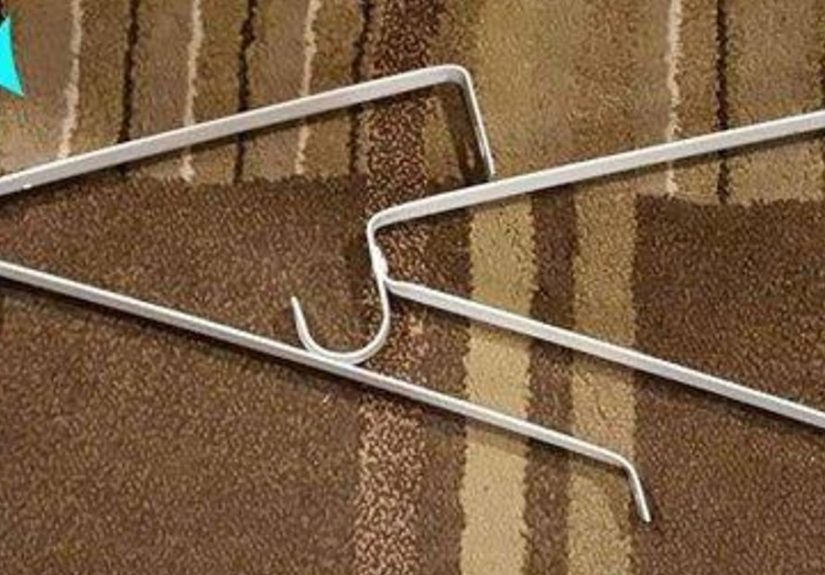
- Over-the-door hooks: about $7
- 2 labeled baskets for gloves, dog gear, or umbrellas: about $8
- Heavy-duty adhesive hooks for reusable bags or keys: about $5
- Plastic shelf riser or shoe tray: about $5
This setup works beautifully in a coat closet that has become a national emergency. The goal is to get items off the floor and assign each family member or category a home. Suddenly the closet is less “dig and hope” and more “open and grab.”
Affordable Closet Ideas That Give the Biggest Payoff
1. Add a Second Hanging Zone
One rod is fine if your wardrobe consists entirely of ball gowns and trench coats. For everyone else, double hanging is one of the smartest cheap closet solutions around. A lower rod works well for shirts, skirts, kids’ clothes, or folded pants on hangers. It takes advantage of empty air that usually goes unused.
2. Use the Closet Door Like It Owes You Rent
The back of a closet door is prime storage real estate. Over-the-door organizers can hold shoes, clutches, scarves, cleaning items, or rolled tees. If your door has clearance, hooks or pocket organizers add storage without eating into the closet footprint. That is a big win in a small bedroom or apartment.
3. Put Small Items in Bins
Closets get messy fast when little things roam free. Belts, socks, swimsuits, hats, and workout gear all benefit from bins or baskets. The magic is not the container itself. The magic is the category. When every item has a home, cleanup becomes quick instead of theatrical.
4. Store Shoes Vertically
Shoes are notorious floor hogs. A hanging organizer, stackable rack, or narrow shelf can keep them visible and upright. If you are working with almost no money, even repurposed magazine files or sturdy open bins can help corral flats and sandals. The goal is simple: stop letting shoes become little roadblocks with laces.
5. Move Off-Season Items Up High
The top shelf should not be a graveyard of random objects. Use it intentionally. Store off-season sweaters, vacation wear, sentimental pieces, or extra linens up high in matching bins, zip bags, or labeled baskets. Daily-use items should stay at eye level or below. Your closet should work like a good grocery store, not a scavenger hunt.
6. Swap Bulky Hangers for Slim Ones
If you can find a discount pack of slim hangers within budget, they can free up surprising room. They keep clothing aligned and reduce bulk across the rod. If not, at least match the hanger type where possible. Closets feel neater when hangers behave like a team and not like a group project gone wrong.
How to Make a Cheap Closet Look Custom
Here is the fun part: a low-budget closet can still look polished. Matching containers instantly make a closet feel more intentional. Labels help even when you think you will “totally remember” what is inside each basket. Color grouping also works wonders. Hang whites together, then neutrals, then colors, then darker pieces. It looks tidy and makes dressing faster.
You can also create mini zones. Give one area to work clothes, one to casual wear, one to accessories, and one to shoes. This is not about perfection. It is about reducing friction. A well-zoned closet saves time every morning, which is honestly priceless even if your bins came from the dollar store.
Closet Creation Ideas for Different Spaces
Apartment Closet
In a rental, removable upgrades are your best friend. Tension rods, over-the-door organizers, adhesive hooks, and freestanding bins are perfect because they do not require major installation. Keep your everyday clothing easy to reach and move anything seasonal elsewhere if possible, such as under-bed storage.
Kids’ Closet
Children’s closets benefit from lower rods, open bins, and simple labels with words or pictures. If kids can reach it, they are more likely to use it. More importantly, they are less likely to launch every shirt onto the floor in search of one superhero pajama top.
Linen or Utility Closet
These closets thrive on categories. Towels, cleaning products, paper goods, backup toiletries, and bedding should each get a dedicated section. Use shelf risers, baskets, and labels to create visual boundaries. The goal is not merely neatness. It is being able to find a sheet set without triggering an avalanche.
Mistakes That Blow the Budget Fast
The biggest budget mistake is buying organizers before identifying the problem. Another common issue is choosing too many small containers without a plan. That creates a closet full of bins and no actual logic. Also, do not spend your whole budget on something trendy that stores only one category if your real issue is hanging space or shoe overflow.
Avoid heavy upgrades if you are not sure they fit your lifestyle. Fancy drawer systems are nice, but a couple of labeled baskets may solve the same issue for a fraction of the cost. Keep your closet makeover grounded in how you live, not in how an impossibly serene catalog model stores eight beige sweaters.
A Simple 30-Minute Closet Reset Routine
Once your closet is set up, keep it functional with a quick reset once a week. Put misplaced items back in their zones, return shoes to their spot, refold anything unruly, and remove clothes that migrated in from other rooms like they are on vacation. Then do a monthly mini edit to remove items you no longer wear.
This is what makes closet organization on a budget last. The makeover does not fail because your supplies were cheap. It fails when the system is too complicated to maintain. Keep it simple, and your closet stays useful.
Real-World Experience: What Budget Closet Creation Actually Feels Like
One of the most interesting things about a low-cost closet project is how quickly it changes your daily routine. Before the makeover, a closet often feels like a tiny stress machine. You open the door to grab one thing, and suddenly you are negotiating with a pile of shoes, three reusable bags, a cardigan you forgot you owned, and one lonely hanger hanging on for emotional support. After even a small upgrade, the whole space feels calmer. Not bigger, exactly. Smarter.
The first real lesson people notice is that organization feels better when it matches real habits. If you wear the same ten things every week, those items should be front and center. If your fancy event clothes come out twice a year, they do not need prime real estate. The under-$25 approach teaches you to stop organizing for your fantasy self and start organizing for the person who needs to get dressed on a Tuesday morning without losing patience.
Another experience that surprises people is how much visual clutter affects mood. When bags, belts, and loose clothes are shoved together, the closet feels annoying before you even touch anything. Add two hooks, one hanging organizer, and a couple of bins, and suddenly the space gives off useful, grown-up energy. You may still be wearing old sweatpants, but your closet has standards now.
There is also a satisfying moment when you realize you do not need a full custom system to feel organized. A lot of the improvement comes from categories and placement, not expensive materials. A bin for workout clothes, a hook for tomorrow’s outfit, a shelf for handbags, and a second rod for shorter garments can make a tiny closet feel dramatically more functional. It is a reminder that good design is often less about money and more about paying attention.
Budget closet creation also teaches restraint. When you only have twenty-five dollars, every purchase has to earn its place. That tends to lead to smarter decisions. You stop asking, “Is this cute?” and start asking, “Will this solve the mess I am constantly fighting?” That is a useful mindset for organizing any part of a home.
And perhaps the best experience of all is the maintenance. A thoughtfully arranged cheap closet is easier to keep tidy because it gives your things somewhere to go. The floor is no longer a backup storage plan. The top shelf is no longer a mystery zone. The back of the door finally starts contributing to the household instead of just swinging open and shut like it has no responsibilities.
So yes, a closet created for under $25 may sound modest. But in everyday life, it can feel oddly luxurious. You can see what you own. You can reach what you need. You can get dressed without wrestling a pile of fabric like it insulted your family. For such a small project, that is a pretty big win.
Conclusion
Closet creation for under $25 is not about pretending a discount bin is the same as a full renovation. It is about proving that a small budget can still create a high-function space. With an edit, a plan, and a few hardworking tools like hooks, bins, hanging organizers, or an extra rod, you can create a closet that feels cleaner, easier, and far more useful. The best part is that this kind of makeover is accessible. No contractor required. No luxury budget required. Just a little creativity, a little honesty about what you actually wear, and a willingness to stop storing chaos like it is part of the decor.