Table of Contents >> Show >> Hide
- Why “brand” matters more than the label font
- How Healthline chooses its top picks (and how you can “think like a tester”)
- A quick look at the 7 best vitamin brands for 2026
- 1) Thorne Best overall
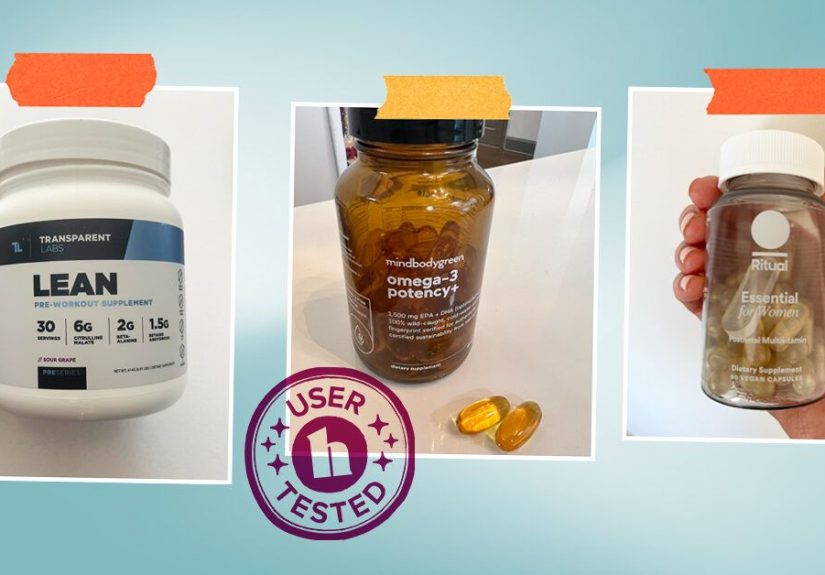
- 2) Ritual Best for multivitamins
- 3) mindbodygreen Supplements Best for high-potency vitamins
- 4) HUM Nutrition Best with dietitian support
- 5) FullWell Best for prenatal vitamins
- 6) Hiya Health Best for little kids
- 7) Transparent Labs Good for athletes
- How to choose the right vitamin brand (without spiraling)
- Common supplement traps to avoid
- Final thoughts
- Experiences: what vitamin routines are actually like (the good, the weird, and the “oops”)
Buying vitamins can feel like wandering into a supermarket aisle that somehow has opinions. There are labels shouting “ULTRA!” and “MEGA!” and “SPACE-AGE FORMULA!”and you’re just trying to find something trustworthy that won’t taste like regret.
This guide breaks down Healthline’s top vitamin brand picks for 2026 and adds practical, real-world context on what those picks mean for everyday shoppers. You’ll get the “why,” the “who it’s best for,” and the “what to check before you toss it in your cart.”
Quick note: Vitamins and supplements can help fill gaps, but they’re not a substitute for a balanced dietand they’re not risk-free. If you’re pregnant, nursing, managing a condition, taking medications, or buying supplements for a child or teen, check with a qualified healthcare professional first.
Why “brand” matters more than the label font
Here’s the not-so-fun truth: supplements aren’t vetted the same way prescription medications are. That means the brand’s quality systemstesting, sourcing, manufacturing standards, and transparencycarry a lot of the trust-building load.
In plain English: a solid brand acts like a responsible adult. It verifies ingredients, checks for contaminants, and doesn’t rely on marketing glitter to do the heavy lifting.
How Healthline chooses its top picks (and how you can “think like a tester”)
Healthline’s best-brand approach emphasizes vetting and quality signals such as independent testing, meaningful certifications, ingredient quality, reputation, value, and hands-on product impressions. That’s a smart framework because it focuses on what shoppers can actually verifyrather than vibes.
Quality signals that matter
- Third-party testing: Independent labs confirm purity and potency (i.e., what’s on the label is what’s in the bottle).
- Recognized certifications: Marks like USP verification or NSF programs can add extra reassurance.
- Transparent labeling: Clear amounts for each ingredientno mysterious “proprietary blend” fog.
- Manufacturing standards: Look for brands that follow cGMP and have robust quality controls.
- Realistic claims: “Supports” is different from “cures.” Trust brands that stay in their lane.
A quick look at the 7 best vitamin brands for 2026
Healthline’s 2026 picks cover different needs (multivitamins, athletes, kids, prenatal, and more). Here are the seven brands and what they’re known for:
- Thorne Best overall
- Ritual Best for multivitamins
- mindbodygreen Supplements Best for high-potency formulas
- HUM Nutrition Best with dietitian support
- FullWell Best for prenatal vitamins
- Hiya Health Best for little kids
- Transparent Labs Good for athletes
1) Thorne Best overall
If you want one brand that consistently screams “we did the homework,” Thorne is Healthline’s top overall pick. It’s known for research-backed formulations, broad product variety, and strong quality practices.
Why it made Healthline’s list
- Wide selection: Multivitamins, single vitamins, minerals, fish oil, probiotics, protein, and specialty blends.
- Quality focus: Thorne’s manufacturing facility certifications and sport-focused testing options are a plus for people who want extra assurance.
- Availability: Easy to find online and at major retailers.
Best for
- People who want a strong “one-stop” brand
- Anyone picky about quality systems and manufacturing standards
- Athletes who prefer brands with sport-oriented testing options
Watch-outs
- Price: Often premium-priced.
- Serving size: Some multis require multiple capsules per daygreat for commitment, less great for your morning routine.
2) Ritual Best for multivitamins
Ritual is the “minimalist who still color-codes their pantry” of multivitamins. Healthline highlights Ritual for traceable ingredients and third-party testing, plus formulations tailored by age and sex.
Why it made Healthline’s list
- Targeted formulas: Designed to help bridge common nutrient gaps rather than cram in everything under the sun.
- Transparency: Ingredient sourcing details are easy to find and understand.
- Testing and certifications: Healthline notes Clean Label Project certification across products and additional certifications for some items.
Best for
- People who want a streamlined multivitamin (not a “kitchen sink” formula)
- Those who appreciate subscriptions and consistent routines
- Anyone who values traceability and clear labeling
Watch-outs
- Not the most comprehensive: If you need higher doses for a diagnosed deficiency, you may need a different plan (and professional guidance).
- Cost: Premium pricing is common for subscription-style brands.
3) mindbodygreen Supplements Best for high-potency vitamins
mindbodygreen earned Healthline’s “high potency” slot. Think concentrated formulations and a brand identity that leans into premium packaging, tighter product focus, and testing claims.
Why it made Healthline’s list
- Third-party tested: A major trust signal when potency is part of the pitch.
- Diet-friendly positioning: Healthline notes vegan options and free-from characteristics like gluten- and dairy-free.
- Packaging choices: Dark amber glass is intended to help protect contents from light/heat exposure (especially relevant for certain ingredients).
Best for
- People who want premium, focused formulas and don’t mind paying for them
- Those who prefer supplements aligned with specific dietary preferences (like vegan-friendly lines)
Watch-outs
- High potency isn’t always better: More isn’t automatically “more healthy.” Some nutrients can be harmful in excess.
- Price: Expect a higher cost per serving.
4) HUM Nutrition Best with dietitian support
HUM is Healthline’s pick when you want a little guidance built into the experience. The brand stands out for pairing subscribers with registered dietitian support and for third-party testing emphasis, alongside certifications highlighted by Healthline.
Why it made Healthline’s list
- Dietitian access: Helpful if you’re overwhelmed by choices or unsure what fits your diet and lifestyle.
- Third-party testing: Healthline notes testing for purity and potency.
- Certifications: Healthline highlights cGMP, Clean Label Project, and Non-GMO Project verification.
Best for
- People who want expert input (especially when stacking multiple supplements gets tempting)
- Shoppers who like guided quizzes and recommendations, but still want quality controls
Watch-outs
- “More supplements” momentum: Some plans can encourage taking multiple productsmake sure you actually need them.
- Evidence varies by product: Not every trendy ingredient has equally strong research behind it.
5) FullWell Best for prenatal vitamins
Prenatal vitamins aren’t the place to “wing it.” FullWell is Healthline’s top prenatal brand pick, emphasizing comprehensive formulations and transparent quality practices, including certificates of analysis (COAs) per product (as noted by Healthline).
Why it made Healthline’s list
- Designed by experts: Healthline notes formulation by a registered dietitian and fertility nutrition expert.
- Quality transparency: Third-party testing for purity and potency and COAs available for products (per Healthline).
- Additional assurances: Some products carry relevant certifications mentioned by Healthline.
Best for
- People planning pregnancy, currently pregnant, or postpartumworking with a clinician
- Anyone who wants robust documentation and testing visibility
Watch-outs
- Capsule count: Some prenatal regimens require multiple capsules per day.
- Not always in stores: Often purchased direct, which is convenient but not “grab it today” easy.
6) Hiya Health Best for little kids
Hiya is Healthline’s pick for little kids, with a focus on kid-friendly delivery (chewables and powders) and a “less sugar, more structure” approach. Healthline notes third-party testing and several diet-friendly characteristics.
Why it made Healthline’s list
- Sugar-free angle: A refreshing departure from candy-ish gummies.
- Third-party tested: A meaningful signal when parents want reassurance.
- Practical packaging: Refillable bottle system and subscriptions can reduce clutter and make routines easier.
Best for
- Families who want chewables without the “basically dessert” vibe
- Parents who like subscription convenience and kid-friendly routines
Watch-outs
- Age fit: Healthline notes it may not be the best nutrient source for kids older than about 9.
- Cost can add up: Especially if you add multiple products.
7) Transparent Labs Good for athletes
For athletes, quality isn’t just about wellnessit can be about safety and compliance. Transparent Labs is Healthline’s athlete-oriented pick, emphasizing third-party testing and transparent labels.
Why it made Healthline’s list
- Transparent labeling: Clear ingredient amounts and less “mystery dust.”
- Third-party testing: Useful for products marketed toward performance.
- Performance lineup: Includes staples like creatine, electrolytes, protein, greens, and multivitamins.
Best for
- Active people who want straightforward labels and quality checks
- Athletes who are picky about what’s in their supplements
Watch-outs
- Not for everyone: Performance-oriented formulas may be inappropriate for some conditions or medicationsask a clinician if unsure.
- Sweeteners/flavor: Some people dislike stevia or unflavored aftertastes.
How to choose the right vitamin brand (without spiraling)
Even with a best-brand list, your “best” choice depends on your needs. Here’s a practical checklist that dietitians and evidence-based reviewers commonly emphasize:
1) Start with the gap, not the hype
Ask: what are you actually trying to solve? Common reasons include limited diets, diagnosed deficiencies, life stages (pregnancy), or restricted eating patterns. If you can, confirm needs with lab work and professional guidanceespecially for iron, vitamin D, and B12.
2) Look for independent verification
Third-party testing and recognizable certifications can help confirm that the supplement contains what it claims and avoids certain contaminants. Not every great brand has every certification, but “tested and verified” beats “trust us, bestie.”
3) Avoid megadoses unless a clinician tells you otherwise
More isn’t automatically betterparticularly for fat-soluble vitamins (A, D, E, K), which can build up in the body. High-potency products should come with extra caution and extra clarity.
4) Check interactions and duplicates
Multivitamins plus “extras” can accidentally stack the same nutrients. This is how people unintentionally end up taking three versions of zinc, two versions of vitamin D, and one heroic dose of “wait… why am I nauseous?”
5) Pick the form you’ll actually take
Capsules, softgels, powders, chewables, gummiesyour best supplement is the one you can take consistently and tolerate. If gummies help adherence, just remember they often contain added sugars and may have lower doses of certain nutrients.
Common supplement traps to avoid
- Overpromising marketing: Be skeptical of “miracle” language or promises to treat, cure, or prevent disease.
- Proprietary blends: If it won’t tell you how much of each ingredient is included, it’s hard to judge safety and value.
- Too-many-things formulas: The longer the ingredient list, the harder it is to evaluate interactions and evidence.
- Online counterfeit risk: When possible, buy directly from the brand or reputable retailers with good supply-chain controls.
Final thoughts
Healthline’s 2026 top picks cover a range of real-life needsgeneral wellness, targeted multivitamins, high potency, expert support, prenatal care, kids, and athletics. The biggest win isn’t memorizing brand names; it’s learning how to evaluate quality so you can shop confidently even when new products pop up.
If you want a shortcut: choose a reputable brand, verify testing, avoid megadoses, and match the product to your actual needs. Your body doesn’t need a “supplement haul.” It needs a smart plan.
Experiences: what vitamin routines are actually like (the good, the weird, and the “oops”)
When people start taking vitamins, they often expect a dramatic “movie montage” transformationsparkly energy, perfect skin, and the sudden urge to meal-prep quinoa. In real life, vitamin experiences are usually more subtle and a lot more… logistical.
The most common experience is simply consistency. Many people report that the biggest benefit of picking a reliable brand is peace of mind. They stop switching products every two weeks, stop doom-scrolling reviews at midnight, and settle into a routine that’s easy to follow. Subscription-style brands can be especially helpful for that, not because they’re magical, but because they reduce friction: the bottle shows up, and you keep going.
Then there’s the “I didn’t realize I was missing that” moment. Someone who rarely eats fish may choose a multivitamin with omega-3s and notice that taking it is just… easier than remembering a separate supplement. Another person with a restrictive diet might finally find a brand that clearly states what’s included (and what’s not), which makes it easier to avoid allergens or ingredients they don’t tolerate well. The experience here isn’t fireworksit’s fewer question marks.
Texture and taste matter way more than people admit. Powders can be great until you realize you now own a shaker bottle that lives in your car like a chaotic pet. Some people love mixing collagen or greens into smoothies; others discover that “unflavored” still has a flavorand that flavor is betrayal. Capsules can be easy until a serving size is six pills, at which point your vitamin routine starts looking like you’re preparing for space travel.
Parents often describe vitamins for kids as a behavior project. Whether it’s chewables instead of gummies, sticker-covered refillable bottles, or a bedtime routine that includes a supplement, the “experience” is usually about compliance and calm. The best brands for families tend to be the ones that make the routine simple, keep sugar low, and provide enough transparency that parents feel confident about what they’re giving their child.
Athletes have a different type of experience: risk management. For active people, especially those in organized sports, the goal is often to find products with clear labels and robust testing signals. The “best” feeling is knowing you’re not accidentally taking something questionable. It’s less about hype and more about staying consistent with training and recovery while avoiding unnecessary surprises.
Finally, there’s the “oops, I doubled up” phase. This happens when someone takes a multivitamin, adds a hair/skin/nails blend, tosses in immune gummies “just in case,” and accidentally stacks several nutrients. Many people learn (sometimes the hard way) that the smartest supplement routine is a simple one, ideally guided by actual needs and, when appropriate, a clinician’s advice.
The best takeaway from real-world vitamin experiences is this: your routine should feel boringin the best way. Easy, repeatable, transparent, and matched to your body’s needs. If your supplements feel like a second job, it’s time to simplify.