Table of Contents >> Show >> Hide
- What Are Grits, Exactly?
- Pick Your Grits: Instant vs. Quick vs. Stone-Ground
- The Easy Way: A Foolproof, Creamy Grits Recipe
- Step-by-Step: How to Make Grits Without Lumps (or Tears)
- The Ratio Cheat Sheet (Because This Is Where Most People Get Burned)
- How to Cook Stone-Ground Grits the Easy Way (Still Easy, Just Longer)
- How to Make Them Taste Like You Know Someone’s Grandma
- Troubleshooting: Fix Your Grits in Under 60 Seconds
- Easy Serving Ideas (Breakfast, Dinner, and “I Forgot to Grocery Shop”)
- Make-Ahead, Storage, and Reheating (Because Life Is Busy)
- FAQs: Quick Answers for the Grit-Curious
- Conclusion: Easy Grits, Big Comfort
- Real-World Experiences: What Cooking Grits Actually Feels Like (and How to Win)
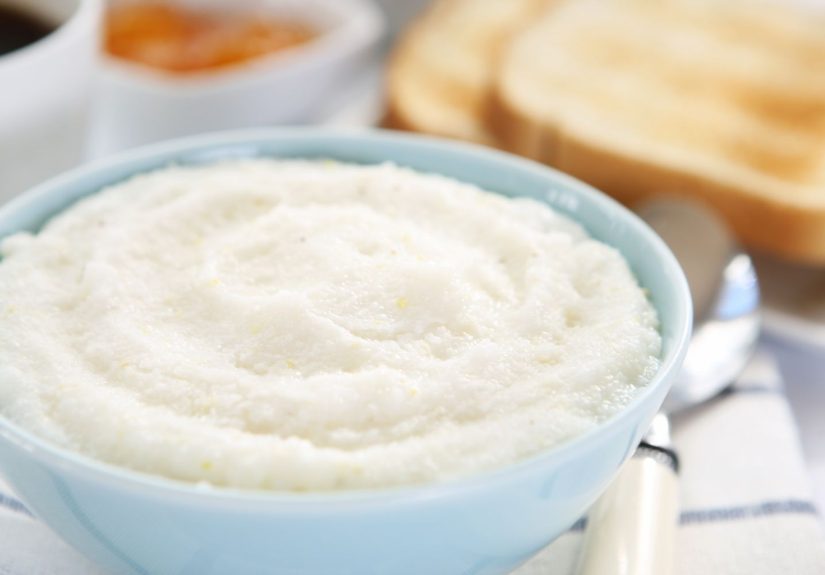
Grits are proof that comfort food doesn’t need a complicated backstory. They’re basically ground corn + hot liquid + a little patience,
and somehow that turns into a bowl of creamy, buttery goodness that feels like a warm hug with manners.
But yesgrits can also go sideways. They can clump. They can scorch. They can turn into something that resembles drywall paste
(and tastes like regret). The good news? Cooking grits the easy way is mostly about two things: the right ratio and the right rhythm.
Once you’ve got those, you can make breakfast grits, cheesy grits, shrimp-and-grits-worthy grits, and even “I’m eating this at 10 p.m. in sweatpants” grits.
What Are Grits, Exactly?
Grits are made from ground dent corn (often white corn, sometimes hominy), cooked into a thick porridge. They’re a Southern staple,
wildly versatile, and happiest when you treat them like a blank canvas that deserves butter. Lots of butter.
If you’ve ever wondered “Isn’t this just polenta?”close cousins, different vibes. Polenta is typically made from yellow corn and can skew coarser,
while grits are usually finer and creamier when cooked. (Family reunions can be awkward like that.)
Pick Your Grits: Instant vs. Quick vs. Stone-Ground
Instant grits
Fast, convenient, and perfectly acceptable when you’re hungry right now. Texture is usually smoother but less complex.
If this is your weekday breakfast lane, no judgmentjust add butter and keep moving.
Quick-cooking grits
The sweet spot for most people. They cook in minutes, still taste like real grits, and handle mix-ins (cheese, garlic, bacon) like a champ.
Stone-ground grits
Bigger flavor, more texture, more personality. They take longer and need a little more babysitting, but the payoff is real:
deeper corn flavor and a rich, hearty feel. Think “weekend project” rather than “microwave miracle.”
The Easy Way: A Foolproof, Creamy Grits Recipe
This base recipe is designed for real life: minimal fuss, no fancy equipment, and flexible enough to go sweet or savory.
It works best with quick-cooking or “regular” (non-instant) grits. I’ll show you how to tweak it for stone-ground too.
Main keywords you’ll naturally hit while cooking
You’re here for an easy grits recipe, but along the way you’ll also master creamy grits, the right grits ratio,
and a few upgrades that make people assume you know what you’re doing (even if you’re secretly reading this on your phone over the stove).
Ingredients (Serves 4)
- 1 cup grits (quick-cooking or regular; not instant if you want the best texture)
- 3 cups water
- 1 cup milk (whole milk for extra creamy grits; any milk works)
- 1 teaspoon kosher salt (start here; adjust at the end)
- 2 tablespoons butter (minimum; your heart knows the truth)
- Black pepper, to taste
Optional upgrades (choose your adventure)
- Cheese grits: 1 to 1 1/2 cups shredded sharp cheddar (or a combo)
- Extra-rich: splash of heavy cream or half-and-half
- Savory base: swap part of the water for chicken stock or broth
- Flavor boost: garlic powder, smoked paprika, Cajun seasoning, or a pinch of cayenne
Step-by-Step: How to Make Grits Without Lumps (or Tears)
-
Bring the liquid to a boil.
In a medium saucepan, bring 3 cups water + 1 cup milk to a gentle boil. Add the salt.
(Salting early matters because grits won’t magically absorb salt later like a culinary sponge with goals.) -
Whisk in the grits slowly.
Turn the heat down slightly so it’s bubbling but not raging.
While whisking, sprinkle the grits in graduallydon’t dump the whole cup like you’re pouring dog food.
This is the single biggest “cook grits the easy way” secret. Slow rain, steady whisk, no clumps. -
Reduce heat and simmer.
Lower heat to low (or medium-low if your stove runs timid). Cover partially.
Simmer 10–15 minutes for quick-cooking or 15–25 minutes for regular, stirring every few minutes so nothing sticks. -
Finish with butter (and friends).
When the grits are thick and tender, turn off the heat and stir in butter.
Add black pepper. Taste. Adjust salt. If you’re making cheese grits, stir in shredded cheese until melted and dreamy. -
Adjust texture like a pro.
Too thick? Add a splash of hot water or milk and stir.
Too thin? Simmer another 2–3 minutes uncovered, stirring often.
You’re in charge here. The grits work for you.
The Ratio Cheat Sheet (Because This Is Where Most People Get Burned)
There isn’t one “universal” ratio because different grinds behave differently, and people like different textures.
But these guidelines will keep you safely in Creamy Town:
- Quick-cooking grits: about 4:1 liquid to grits (ex: 4 cups liquid to 1 cup grits)
- Regular grits: start around 4:1, then loosen at the end if needed
- Stone-ground grits: often need 5:1 (or more) and a longer simmer for full tenderness
Want extra creamy grits? Use a mix of water and milk (or stock and milk). Water hydrates the grains; milk brings softness and richness.
And if you’re going savorybroth can add depth without extra effort.
How to Cook Stone-Ground Grits the Easy Way (Still Easy, Just Longer)
Stone-ground grits are a little like a cast-iron skillet: they reward you when you slow down and respect them.
Here’s the low-drama method:
- Use 5 cups liquid (water, or water + milk, or stock) per 1 cup stone-ground grits
- Whisk grits in slowly, then simmer low and covered
- Stir and scrape the bottom every 2–3 minutes early on, then every 5 minutes as they relax
- Expect 30–60 minutes depending on grind size and your preferred texture
If they stiffen before they’re tender, don’t panic. Add more hot liquid a little at a time and keep going.
Stone-ground grits aren’t difficultthey’re just not in a hurry.
How to Make Them Taste Like You Know Someone’s Grandma
1) Butter is not optional (sorry)
Butter turns “plain” into “please don’t talk to me while I eat this.” Start with 2 tablespoons for 4 servings,
then upgrade as your conscience allows.
2) Use good salt timing
Salt the cooking liquid early. Then taste at the end. This keeps the seasoning balanced instead of weirdly salty on top and bland underneath.
3) Cheese grits that don’t turn grainy
Take the pot off the heat before adding cheese, then stir until melted. Sharp cheddar is classic, but you can mix in Parmesan for punch
or a little cream cheese for extra smoothness. Keep it warm, not boiling, once cheese is in.
4) Stock for savory depth
If you’re making shrimp and grits or serving grits with braised meat, swap some water for chicken stock.
It adds savory backbone without adding extra work.
Troubleshooting: Fix Your Grits in Under 60 Seconds
“My grits are lumpy.”
Whisk harder. Then whisk smarter. For stubborn lumps, use a whisk aggressively for 30 seconds, or hit them with a quick blitz using an immersion blender.
Next time, sprinkle grits in slowly while whisking.
“They’re too thick.”
Add hot water, milk, or broth a splash at a time. Stir, wait 20 seconds, repeat until creamy.
“They’re too thin.”
Simmer uncovered for a few minutes and stir often. Grits tighten as they cool, so don’t overcorrect.
“They taste bland.”
Add salt, then add butter, then add pepper. If you want more dimension: a pinch of garlic powder, smoked paprika, or a dash of hot sauce.
Bland grits aren’t a failurethey’re just an invitation.
“The bottom burned.”
Do not stir the burned part into the rest (this is not a “character-building” moment).
Carefully pour the unburned grits into a new pot, leaving the scorched layer behind. Lower heat next time and stir more often.
Easy Serving Ideas (Breakfast, Dinner, and “I Forgot to Grocery Shop”)
- Classic Southern breakfast: grits + eggs + bacon (or sausage) + hot sauce
- Cheese grits bowl: cheddar grits + scallions + jammy egg
- Shrimp and grits base: savory grits made with stock + sautéed shrimp + pan sauce
- Veggie-forward: grits + sautéed greens + roasted tomatoes + crumbled feta
- Sweet option: grits + butter + a drizzle of maple + cinnamon (think “corny oatmeal,” in a good way)
Make-Ahead, Storage, and Reheating (Because Life Is Busy)
Grits thicken as they cool. That’s normal, not personal. Store leftovers in an airtight container in the fridge for up to 3–4 days.
To reheat: warm them in a saucepan over low heat and add milk, water, or broth a splash at a time, stirring until smooth.
Microwave works toojust stir every 30 seconds and add liquid as needed.
Pro move: when you reheat cheese grits, add a little extra dairy and a small handful of fresh cheese at the end for a “just-made” vibe.
FAQs: Quick Answers for the Grit-Curious
Are grits gluten-free?
Corn is naturally gluten-free, but processing can introduce cross-contamination. If gluten matters for you, check labels for gluten-free certification.
Can I use milk only?
You can, but milk can scorch more easily. A mix of water + milk is easier and still gives you creamy grits.
Can I cook grits in a slow cooker or pressure cooker?
Yes. Slow cookers are great for hands-off batches, and pressure cookers can speed up creamy results.
These methods are especially handy for stone-ground grits when you don’t want to hover over the stove.
What’s the best cheese for cheese grits?
Sharp cheddar is the classic. Mix in Parmesan for extra savory bite, or add a little creamy cheese (like cream cheese) for silkiness.
Avoid pre-shredded cheese if possibleit can melt less smoothly.
Conclusion: Easy Grits, Big Comfort
If you remember nothing else, remember this: slow sprinkle + steady whisk + gentle simmer.
That’s the easy way to cook grits that come out creamy, tender, and ready for whatever you’re cravingsimple butter and salt,
bold cheese grits, or a full shrimp-and-grits situation that makes an ordinary day feel like a small celebration.
Grits don’t need you to be fancy. They just need you to be consistent. And maybe slightly generous with butter.
Real-World Experiences: What Cooking Grits Actually Feels Like (and How to Win)
Cooking grits the easy way isn’t just a recipeit’s a tiny kitchen life skill that quietly upgrades your entire routine. The first “experience” most
people have with grits is the surprise of how fast things happen once the liquid boils. You’re standing there feeling confident,
then you add the grits too quickly, and suddenly the pot has the texture of wet sandcastle. This is why the slow sprinkle matters.
Think of it like adding snow to make a snowball: a little at a time so it sticks smoothly instead of forming icy boulders.
Another common moment: the “Are these done yet?” phase. With quick-cooking grits, you’ll notice they go from thin to thick in what feels like
90 seconds, which is both impressive and slightly suspicious. Don’t rush the finish. Let them simmer gently until the raw grain taste disappears
and the texture feels creamy instead of crunchy. If you taste one and it feels like it’s still wearing a tiny corn helmet, give it a few more minutes.
Stir, breathe, repeat. (This is also good advice for group projects.)
Then there’s the “my grits turned into a brick” experienceusually discovered the next morning when you open the fridge and find a container of
perfectly molded grits you could use as a doorstop. That’s not failure; that’s science. Grits set up when cold, which is why reheating with extra liquid
is the secret move. Add warm milk or water slowly while stirring, and you’ll watch them loosen back into creamy grits like nothing ever happened.
The first time you successfully revive leftovers, you’ll feel powerful in a very specific, very wholesome way.
Flavor experiences are where grits really shine. Plain grits with butter and salt can be genuinely satisfying, especially as a calm breakfast base.
But once you try a savory version made with a little stock, black pepper, and sharp cheddar, you realize grits are basically a delivery system for comfort.
People often discover that cheese grits taste best when cheese goes in off-heatno aggressive boilingbecause that keeps the texture smooth instead of grainy.
It’s the difference between “restaurant creamy” and “melted cheese that got stressed out.”
And let’s talk toppings, because this is where real-life grits become your kitchen’s most flexible friend. Some mornings you want eggs, bacon, and hot sauce.
Other nights you want garlicky shrimp over grits because you’re pretending you live near the coast (and honestly, good for you). If you’ve got roasted veggies,
a handful of greens, or even leftover pulled chicken, grits can turn “random fridge items” into “intentional bowl dinner.” That experiencemaking something
feel planned when it wasn’tis one of the best parts of learning how to make grits.
Finally, there’s the confidence experience: the day you stop measuring perfectly. You’ll start with the basic grits ratio, then adjust by feel.
Too thick? Splash of milk. Too thin? A few more minutes. This is when grits go from “a recipe you follow” to “a thing you just make,” like coffee.
And once you can reliably cook grits the easy way, you’ve unlocked one of the most satisfying, comforting, crowd-pleasing staples in American cooking.