Table of Contents >> Show >> Hide
- COVID-19 in 60 Seconds (Because Your Attention Span Has Been Through a Lot)
- Common COVID-19 Symptoms
- Who’s More Likely to Get Very Sick?
- What to Do When Symptoms Start (A Practical Game Plan)
- Testing: NAAT/PCR vs. Rapid Antigen (and When to Repeat)
- Treatment: What Actually Helps (and What’s Mostly Noise)
- COVID Rebound: Why Symptoms Sometimes Come Back
- Special Situation: Extra Protection for People Who Are Immunocompromised
- Long COVID: When Symptoms Don’t Leave on Schedule
- Prevention That Still Works (Even If You’re Tired of Hearing About It)
- Real-World Experiences (500+ Words): What COVID Can Feel Like, Start to Finish
- Conclusion
Disclaimer: This article is for general information and educationnot personal medical advice. If you think you have COVID-19 and you’re at higher risk for severe illness, contact a health care professional promptly. If you have emergency warning signs, seek emergency care right away.
COVID-19 in 60 Seconds (Because Your Attention Span Has Been Through a Lot)
COVID-19 is a respiratory illness caused by a virus called SARS-CoV-2. It can feel like a mild cold, a rough flu, orespecially for higher-risk peoplesomething that can seriously affect breathing and the whole body. The tricky part? Symptoms overlap with colds, flu, RSV, allergies, and “I stayed up too late scrolling” syndrome. So the best move is to use testing + timing to guide next steps, especially when treatment needs to start early.
Common COVID-19 Symptoms
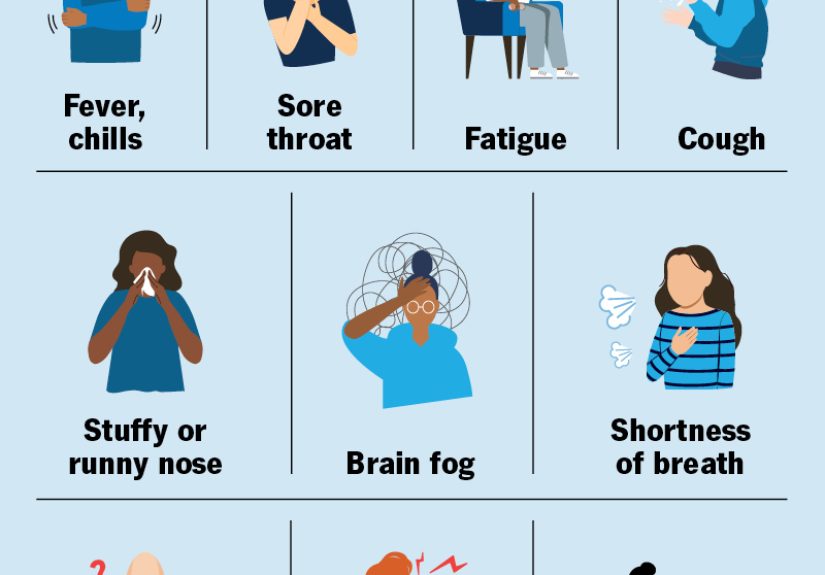
Symptoms can vary based on the current variant, your immune history (vaccines and past infections), and your underlying health. Some people have no symptoms at all, while others feel like they got hit by a truck that was also carrying a marching band.
Most common symptoms
- Fever or chills
- Cough
- Sore throat
- Congestion or runny nose
- Shortness of breath or difficulty breathing
- Fatigue
- Muscle or body aches
- Headache
- Nausea or vomiting
- Diarrhea
- New loss of taste or smell (less common than earlier in the pandemic, but still possible)
Mild vs. moderate vs. severe: what that can look like
Mild illness often includes sore throat, congestion, cough, and fatigueunpleasant but manageable at home for most people.
Moderate illness may involve more persistent fever, worsening cough, significant tiredness, and symptoms that interfere with normal activities.
Severe illness is more likely in older adults and people with certain medical conditions. It can include significant breathing difficulty, low oxygen levels, chest pain, confusion, or dehydration, and may require hospital-level care.
Emergency warning signs (don’t “wait and see” these)
Seek emergency care immediately if you or someone else has symptoms like:
- Trouble breathing or severe shortness of breath
- Persistent pain or pressure in the chest
- New confusion or inability to stay awake
- Bluish or gray lips/skin/nail beds (depending on skin tone)
- Any sudden, serious worseningespecially in a high-risk person
Who’s More Likely to Get Very Sick?
Anyone can get COVID-19, but risk rises with:
- Older age (especially 65+)
- Multiple underlying health conditions (the more conditions, the higher the risk)
- Weakened immune system (from certain illnesses or medications)
- Conditions like chronic lung disease, heart disease, diabetes, kidney disease, obesity, pregnancy, and others
If you’re in a higher-risk group, the headline is simple: don’t delay testing and don’t delay asking about treatment. Many antiviral treatments work best when started within the first few days of symptoms.
What to Do When Symptoms Start (A Practical Game Plan)
1) Act like it’s contagious until proven otherwise
COVID spreads through the air and close contact. If you’re feeling sick, it’s smart to reduce contact with othersespecially older adults, infants, and people who are immunocompromised.
2) Test earlyand understand what your test can and can’t tell you
Testing can confirm whether COVID is the cause and can also help you decide whether you may be eligible for treatment. This matters because some treatments must be started quickly.
3) If you’re higher risk, contact care promptly
If you’re 50+, immunocompromised, pregnant, or have medical conditions linked to higher risk, call a clinician early. In many areas, “test-to-treat” pathways can help eligible people get evaluated and treated quickly.
4) Follow the “stay home when sick” approach (and add precautions after)
Current U.S. public health guidance for respiratory viruses generally emphasizes staying home and away from others until your symptoms are improving overall and you’ve been fever-free for 24 hours without fever-reducing medication. After that, taking extra precautions for several days (like improving ventilation, wearing a high-quality mask in crowded indoor spaces, and avoiding high-risk settings) helps reduce spreadespecially to vulnerable people.
Testing: NAAT/PCR vs. Rapid Antigen (and When to Repeat)
There are two main types of tests for current infection:
NAAT (including PCR): the “more sensitive” option
- More likely to detect the virus than antigen tests
- Often done in a clinic or lab (some rapid NAATs exist)
- May take longer for results depending on where you test
Rapid antigen tests: fast, convenient, but timing matters
- Often give results in 15–30 minutes
- A positive result is generally reliable
- A single negative test does not always rule out infectionespecially early or if you don’t have symptoms
When to repeat an antigen test
If you have symptoms and your first antigen test is negative, repeat testing over the next couple of days can improve confidence. Follow the test instructions and current public guidance on repeat testing.
What if you tested positive recently?
Some testsespecially NAAT/PCRcan remain positive for weeks. Reinfections can happen, so if new symptoms show up after a recent infection, a clinician can help you choose the most meaningful test approach.
Treatment: What Actually Helps (and What’s Mostly Noise)
COVID-19 treatment depends on how sick you are and your risk level. Most people recover at home with supportive care. Higher-risk people may benefit from antivirals that reduce the chance of hospitalization and death.
Supportive care at home (for most mild cases)
- Rest (yes, actually restthis is not the moment for “I’ll just power through”)
- Fluids to avoid dehydration
- Over-the-counter symptom relief as appropriate (fever reducers, throat soothing options, saline, etc.)
- Monitor symptoms, especially breathing and hydration
Tip: If you’re caring for a child or teen, use only age-appropriate medications and ask a pediatric clinician if you’re unsure.
Antivirals for people at higher risk (the “start early” category)
Antiviral treatment is most effective when started within a specific time window after symptoms begin. These medications are typically used for mild-to-moderate COVID-19 in people who have risk factors for severe disease.
| Treatment | Who it’s for | When it must start | Key notes |
|---|---|---|---|
| Nirmatrelvir/ritonavir (Paxlovid) | Many higher-risk outpatients (including some teens) with mild-to-moderate COVID-19 | Ideally within 5 days of symptom onset | Works well when eligible, but has important drug interactions and may not be appropriate with certain kidney/liver issues. A clinician/pharmacist should review meds. |
| Remdesivir (IV) | Higher-risk outpatients when oral antivirals aren’t suitable | Within about 7 days of symptom onset | Typically given as a short course via IV in a health care setting. |
| Molnupiravir | Adults at higher risk when other options aren’t available/appropriate | Within 5 days of symptom onset | Generally considered when preferred options can’t be used. Not for certain populations; clinician guidance is essential. |
Example: how “timing + risk” changes the plan
Scenario A: A healthy 22-year-old with congestion, cough, and fatigue may mainly need supportive care and monitoring.
Scenario B: A 72-year-old with diabetes and heart disease who tests positive should contact a clinician quicklybecause an antiviral may meaningfully reduce the risk of hospitalization, but it needs to be started early and medication interactions must be checked.
Hospital treatments (for severe illness)
If COVID-19 becomes severe, treatment may include oxygen support, medications that target inflammation (like corticosteroids in appropriate cases), and antivirals or other therapies based on clinical status. This is not DIY territoryhospital teams tailor treatment to oxygen needs, imaging, lab results, and co-existing conditions.
COVID Rebound: Why Symptoms Sometimes Come Back
Some people experience a return of symptoms or a new positive test after initially improving. This can happen with or without antiviral treatment. Current evidence suggests rebound symptoms are often mild and may appear a few days after the initial illness seems to resolve. If rebound happens, it’s wise to take precautions to avoid spreading the virusespecially around high-risk peopleand check in with a clinician if symptoms worsen or you have concerns.
Special Situation: Extra Protection for People Who Are Immunocompromised
Some people who are moderately or severely immunocompromised may not respond as strongly to vaccination and can be eligible for an additional preventive option: a monoclonal antibody for pre-exposure prophylaxis (meaning it’s used to help prevent COVID-19 before you’re infected). This is not a treatment for active COVID-19. Eligibility and usefulness depend on current circulating variants and official authorization statusso it requires a clinician’s guidance.
Long COVID: When Symptoms Don’t Leave on Schedule
Most people recover within weeks, but some develop Long COVIDa range of symptoms and conditions that can last at least 3 months after infection. Long COVID can affect multiple body systems and may cause disability.
Common Long COVID complaints (not exhaustive)
- Fatigue that interferes with daily life
- Shortness of breath or reduced exercise tolerance
- Brain fog (trouble concentrating or memory issues)
- Sleep problems
- Headaches, dizziness, fast heartbeat, or chest discomfort
- Persistent loss or distortion of taste/smell
- Mood changes (often linked to the stress of ongoing symptoms)
If symptoms persist or disrupt school, work, sports, or daily functioning, it’s worth seeing a clinician for a structured evaluation and a management plan. There’s no single test that “proves” Long COVID; diagnosis often depends on history, symptoms, and ruling out other conditions.
Prevention That Still Works (Even If You’re Tired of Hearing About It)
Prevention doesn’t have to be all-or-nothing. Think of it as “risk dial” management:
- Vaccination remains one of the best tools to reduce severe disease and helps lower the risk of Long COVID.
- Cleaner air (ventilation, filtration, outdoor gatherings) lowers transmission risk.
- Hygiene (handwashing, cough etiquette) helpsespecially for mixed respiratory virus seasons.
- Masks in crowded indoor spaces can be a smart short-term layer when cases are high or you’re around vulnerable people.
Real-World Experiences (500+ Words): What COVID Can Feel Like, Start to Finish
People often ask, “Okay, but what is it actually like?” The honest answer: COVID can be wildly inconsistent. Still, there are patterns many people recognizeespecially when you zoom out from the day-to-day misery and look at the arc of the illness.
The “Wait, Is This Just a Cold?” phase
For a lot of people, COVID starts with symptoms that feel almost insultingly ordinary: scratchy throat, stuffy nose, a mild cough, or that “my head is full of cotton” fatigue. It’s common to second-guess yourselfespecially if you’ve had allergies, a busy week, or a rough night of sleep. This is exactly why testing matters: symptoms alone can’t reliably tell you whether it’s COVID, flu, RSV, or a classic cold.
The testing roller coaster
One common experience is a negative rapid test on Day 1… followed by a positive on Day 2 or 3 when symptoms ramp up. That’s not “the test being useless”it’s timing. Rapid antigen tests tend to perform better when viral levels rise. People who rely on a single negative test sometimes describe feeling frustrated or confuseduntil repeat testing clarifies what’s going on. When someone is higher risk, that timing becomes urgent because antiviral options may depend on starting within a narrow window after symptoms begin.
The “Should I ask about treatment?” moment
Higher-risk adults often describe a very practical checklist: When did symptoms start? What meds am I taking? How quickly can I reach my doctor or a pharmacy clinic? This is where COVID is different from many colds: for eligible people, treatment can lower the risk of severe outcomes, but it’s not something you start “whenever.” People also commonly discover that medication interactions are real and importantespecially with certain heart, seizure, transplant, or immune-related medications. That “quick phone call” can turn into a careful review, which is exactly what should happen.
The weird side effects & the emotional side
Those who take Paxlovid sometimes talk about an altered or bitter/metallic tasteannoying, but usually temporary. Others mention that the hardest part is not the taste, but the isolation: canceling plans, missing school or work, worrying about infecting family members, or trying to rest while your brain insists on doom-scrolling. Even mild cases can feel emotionally heavy because they interrupt routines and raise questions like, “Will I bounce back quickly?”
Recovery isn’t always a straight line
Many people feel notably better after several daysthen hit a wall of fatigue, or notice lingering cough and reduced stamina. Some experience “rebound,” where symptoms return after improving. That back-and-forth can be mentally exhausting because it feels like the illness is breaking the rules of storytelling: you did not consent to a sequel. In most reports, rebound tends to be milder, but it’s still disruptive and can mean taking precautions againespecially around high-risk relatives or friends.
When symptoms linger
A smaller but significant group describes longer-lasting symptoms: fatigue that affects sports or concentration, brain fog that makes schoolwork take twice as long, sleep problems, or shortness of breath with activities that used to be easy. This is where follow-up care matters. People often say it helps to have symptoms taken seriously, tracked over time, and managed with a planbecause uncertainty can be as draining as the symptoms themselves.
Bottom line: real-world COVID experiences range from “annoying cold” to “I can’t believe how wiped out I am.” The most helpful mindset is practical, not panicked: test, track timing, protect others when sick, and seek care early if you’re at higher risk or symptoms become severe.
Conclusion
COVID-19 is still part of everyday lifeand the best outcomes come from early clarity and smart timing. Know the common symptoms, test when you’re unsure, and remember that treatment is most effective when started early for people at higher risk. Most cases improve with supportive home care, but severe symptoms and Long COVID are real, and they deserve prompt medical attention and thoughtful follow-up.