Table of Contents >> Show >> Hide
- Why This Recipe Works (Without Turning Into Sugar Paste)
- Ingredients
- Step-by-Step: The Foolproof Method
- How to Make It Pipeable (And Keep Those Swirls Standing Tall)
- Flavor Variations (So You Don’t Get Bored After Cupcake #2)
- Troubleshooting: How to Fix Runny Cream Cheese Frosting
- How Much Frosting Do You Need?
- Storage and Food Safety (Because Cream Cheese Is Not a Countertop Hobby)
- Best Desserts to Pair With Cream Cheese Frosting
- Extra Notes for Smooth Results
- of Real-Kitchen “Experience” (What Usually Happens, and What to Do)
- Conclusion
Cream cheese frosting is the extrovert of the dessert world: tangy, rich, and always down to crash the party
(especially if the party is a carrot cake). But it also has a reputationsometimes deservedfor going soft,
slumpy, or “why is this frosting suddenly a puddle?” on warm days.
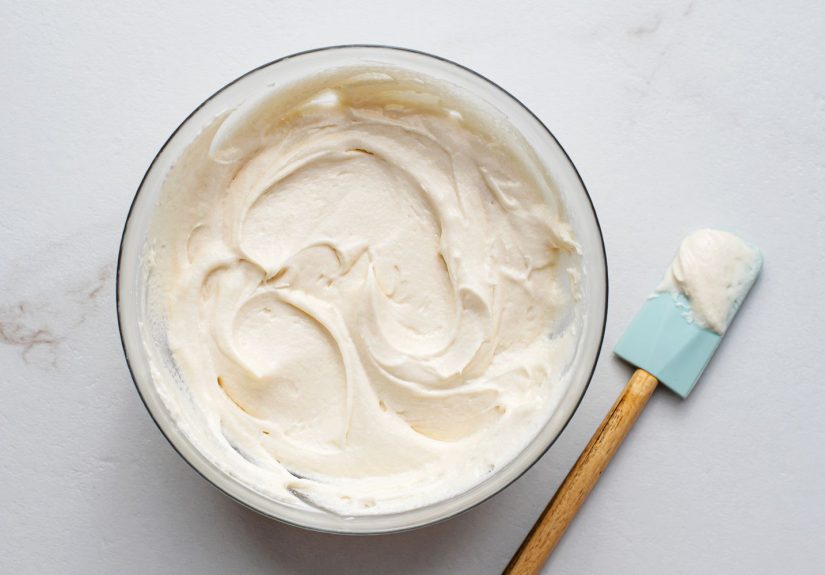
This cream cheese frosting recipe is built to be smooth, balanced, and flexible:
spreadable for sheet cakes, swirl-friendly for cupcakes, and sturdy enough for light piping when you follow
the “make it pipeable” tips. You’ll also get fixes for runny frosting, flavor upgrades, and realistic storage guidance
so your masterpiece doesn’t end up living a short, tragic countertop life.
Why This Recipe Works (Without Turning Into Sugar Paste)
Classic cream cheese icing is basically a tug-of-war between water (in cream cheese) and sugar
(which loves moisture like a drama llama loves attention). If you overmix, use the wrong cream cheese, or let
everything get too warm, the frosting can loosen quickly.
- Brick-style, full-fat cream cheese gives the thickest, most dependable texture.
- Butter-first mixing helps create structure and a smoother feel.
- Short mixing time after adding cream cheese helps keep it from going slack.
- Chilling is a feature, not a failureit’s how cream cheese frosting firms up.
Ingredients
Makes: about 3 cups (enough for a 2-layer 8- or 9-inch cake, a 9×13 sheet cake, or ~24 cupcakes)
Core Ingredients
- 8 oz (226 g) full-fat brick cream cheese (not whipped, not tub-style spread)
- 1/2 cup (113 g) unsalted butter, softened
- 3 1/2 to 4 cups (420–480 g) powdered sugar, sifted if lumpy
- 1 1/2 teaspoons vanilla extract
- 1/8 to 1/4 teaspoon fine salt (tiny amount, big impact)
Optional (Choose Your Adventure)
- 1–2 teaspoons lemon juice for brighter tang
- 1–2 tablespoons heavy cream to loosen if it’s too stiff
- 1–2 teaspoons cornstarch for extra stability without much added sweetness
- 1–2 teaspoons meringue powder for more structure (helpful for piping)
Step-by-Step: The Foolproof Method
1) Set Up Your Texture “Zone”
You want butter softened (pressable) and cream cheese cool-soft (not warm and greasy). If cream cheese gets too warm,
it can make the whole batch overly loose. If your kitchen is hot, don’t fight physicswork quickly and plan to chill.
2) Beat the Butter Until Fluffy
In a large bowl (or stand mixer with paddle), beat the butter on medium-high for about 1–2 minutes, until it looks lighter
and creamy. This builds the base structure so your frosting isn’t relying on sugar alone for “backbone.”
3) Add Powdered Sugar Gradually
Add 3 1/2 cups powdered sugar, about 1 cup at a time, mixing on low at first (unless you enjoy breathing sugar dust),
then increasing to medium. Scrape the bowl as needed. Add vanilla and salt, then mix until smooth.
4) Add the Cream Cheese (Last) and Mix Briefly
Add the cream cheese in chunks. Mix on low to medium just until smoothusually 20–40 seconds. Stop as soon as it’s combined.
Overmixing can make cream cheese frosting looser, not better. (Your mixer is enthusiastic. You must be the adult here.)
5) Adjust the Consistency
- Too soft? Add 1–2 tablespoons powdered sugar at a time, or chill 15–20 minutes.
- Too stiff? Add 1 teaspoon heavy cream at a time, mixing briefly.
- Too sweet? Add a pinch more salt or a teaspoon of lemon juice to balance.
How to Make It Pipeable (And Keep Those Swirls Standing Tall)
If you want clean pipingcupcake swirls, rosettes, borderscream cheese frosting needs extra structure and cooler temps.
Here’s the practical strategy:
- Use the full 4 cups powdered sugar (this is not the moment for “I’ll eyeball it”).
- Chill the bowl for 15–20 minutes before piping, then re-whip briefly (10–15 seconds).
- Optional stabilizers: add 1–2 tsp cornstarch or 1–2 tsp meringue powder at the end.
- Keep the bag cool: if your hands run warm, wrap the piping bag in a cool towel between passes.
Reality check (said with love): cream cheese frosting is never as heat-proof as American buttercream. If it’s summer
and your kitchen feels like a toaster oven, chill early and often. Frosting breaks hearts when it gets warm.
Flavor Variations (So You Don’t Get Bored After Cupcake #2)
1) Classic Lemon Cream Cheese Frosting
- Add 1–2 teaspoons lemon juice and 1 teaspoon lemon zest.
- Pairs well with blueberry muffins, lemon loaf, and poppy seed cake.
2) Cinnamon Roll Style
- Add 1/2 to 1 teaspoon ground cinnamon.
- Optional: swap vanilla for 1/2 teaspoon maple extract for cozy vibes.
3) Chocolate-Friendly Version
- Add 1/4 cup unsweetened cocoa and an extra 2–4 tablespoons powdered sugar to rebalance thickness.
- Great on chocolate cupcakes or brownies that want a tangy counterpoint.
4) White Chocolate Cream Cheese Frosting
- Melt 4–6 oz white chocolate, cool until barely warm, then mix in at the end.
- Bonus: white chocolate helps stabilize and adds a fancy bakery feel.
Troubleshooting: How to Fix Runny Cream Cheese Frosting
Problem: It’s runny right after mixing
Most likely causes: tub-style cream cheese, ingredients too warm, or overmixing.
Fix: Chill for 20 minutes, then mix briefly. If still loose, add 2–4 tablespoons powdered sugar or 1 teaspoon cornstarch at a time.
Problem: It was thick… then turned loose later
Most likely cause: the frosting warmed up (kitchen heat, warm cake, warm hands while piping).
Fix: Chill the frosting and the dessert. If the cake is still slightly warm, pause. Frosting and warm cake are not friends.
Problem: It tastes gritty
Most likely cause: powdered sugar wasn’t mixed long enough or was clumpy.
Fix: Sift the sugar next time. For now, mix 15–30 seconds longer, scraping the bowl. Don’t whip forever after the cream cheese goes injust enough to smooth it out.
Problem: It’s too sweet
Fix: Add a pinch more salt, a teaspoon of lemon juice, or a splash of vanilla. You can also cut sweetness by serving with a less-sweet cake (hello, spiced carrot cake) instead of trying to remove sugar after the fact.
How Much Frosting Do You Need?
- 8- or 9-inch 2-layer cake: full batch (about 3 cups)
- 9×13 sheet cake: full batch
- 12 cupcakes: about half batch (1 1/2 cups)
- 24 cupcakes: full batch
- Cinnamon rolls (12): half to full batch, depending on your frosting philosophy
If you’re doing heavy piping on cupcakes, lean toward the full batch. Swirls are frosting’s love language.
Storage and Food Safety (Because Cream Cheese Is Not a Countertop Hobby)
- Room temperature: keep frosted desserts out for serving, but don’t let them sit out longer than about 2 hours.
- Refrigerator: store frosting (or frosted desserts) in an airtight container; re-whip slightly before using again.
- Freezer: frosting can be frozen; thaw in the fridge, then re-whip to restore texture.
Pro tip: if you’re freezing a frosted cake, chill or freeze it uncovered first to “set” the frosting, then wrap well.
This keeps your beautiful swirls from becoming modern art inside plastic wrap.
Best Desserts to Pair With Cream Cheese Frosting
This frosting is famous for a reason: it balances sweetness with tang, which makes it a perfect match for spiced,
chocolate, or fruity desserts.
- Carrot cake: the classicspice + tang is basically a standing ovation.
- Red velvet cake: sweet cocoa notes love a tangy finish.
- Pumpkin bars: warm spices + creamy frosting = autumn in a pan.
- Banana bread: instantly becomes “banana cake” with frosting privileges.
- Cinnamon rolls: spread on warm rolls (then refrigerate leftovers).
Extra Notes for Smooth Results
Use the Right Cream Cheese
For the best cream cheese frosting, choose a full-fat block (brick-style). Tub-style spreads are formulated to be spreadable,
which often means extra moistureand that can make your frosting too soft.
Don’t Over-Whip After Adding Cream Cheese
Cream cheese doesn’t behave like butter: it can loosen when mixed too long. Combine it, make it smooth, then stop.
This is one of those times when “just a little more” is exactly how chaos begins.
of Real-Kitchen “Experience” (What Usually Happens, and What to Do)
If you’ve ever made cream cheese frosting, you’ve probably lived through at least one of these moments:
you beat it, taste it, grin… then you look back five minutes later and it seems slightly softer, like it’s sighing
dramatically into the bowl. That’s not your imaginationit’s temperature, moisture, and time doing their thing.
One common scene: you’re frosting a carrot cake that’s “basically cool.” Basically cool is not cool. The cake is still giving
off warmth, and the frosting starts sliding in slow motion. The fix isn’t panic. The fix is a short chill. Pop the cake layers
in the fridge (or freezer for 10 minutes) so they’re truly cool, then frost. Suddenly the frosting behaves, your layers stay
neat, and you feel like you unlocked a secret level of adulthood.
Another classic: you grab cream cheese from a tub because it was on sale and your brain says, “Cream cheese is cream cheese.”
The frosting says, “I respectfully disagree.” Spreadable cream cheese is designed to be soft; it often contains stabilizers and
extra moisture that can lead to a looser icing. If you already made the batch, you’re not doomed. Chill it longer, add a little
powdered sugar (a tablespoon at a time), and accept that it may be best as a swirl-and-serve frosting rather than a
high-definition piping situation.
Piping experiences are their own mini soap opera. The frosting is perfect in the bowl, but once it’s in the piping bag, your
warm hands start heating it like a tiny personal space heater. Your first rosette is gorgeous. Your tenth rosette looks like it
had a long day. The workaround is surprisingly simple: fill the piping bag halfway so you can work faster, chill the bag between
rounds, or pipe with a cold metal tip (yes, people do this; yes, it helps). Also: if it’s a hot day, keep the cupcakes in the
fridge until you’re ready to decorate.
Flavor experiments are where the fun really starts. A little lemon zest makes it taste brighter and less “heavy.” A pinch more
salt makes the tang pop. Cinnamon turns it into “cinnamon roll energy” even if you’re just frosting banana bread. And the moment
you add melted (cooled) white chocolate? The frosting goes from “homemade” to “why does this taste like a fancy bakery?”
The best experience-based lesson is also the least exciting: cream cheese frosting likes cool temperatures. When you lean into that
chill the bowl if needed, frost a cool cake, refrigerate leftoversyou get the creamy, tangy, dreamy results people swear by. And
if anyone asks how you made it so perfect, you can say, “I used science,” which is technically true and also makes you sound like
a dessert wizard.
Conclusion
A great cream cheese frosting recipe should taste tangy and plush, spread smoothly, and hold its shape long enough
for you to admire your work. Use brick-style cream cheese, mix smart, chill when needed, and you’ll get frosting that behaves
like it has excellent mannerswhile still being the life of the dessert party.