Table of Contents >> Show >> Hide
- What Exactly Is a Lavender Topiary?
- Choose the Right Lavender (This Matters More Than Your Pruning Skills)
- Supplies You’ll Need (No Fancy Garden Witchcraft Required)
- The Secret to “Easy”: Start in a Pot and Prioritize Drainage
- How to Create a Lavender Topiary (Step-by-Step)
- Lavender Topiary Care: Keep It Cute, Not Crispy
- Maintenance Schedule: A Simple Year-Round Routine
- Harvesting Lavender Without Ruining the Topiary Shape
- Topiary Troubleshooting (Because Plants Love Plot Twists)
- Design Ideas: Where a Lavender Topiary Looks Ridiculously Good
- FAQ: Quick Answers for Lavender Topiary Beginners
- Conclusion
- Experience Notes: What It’s Really Like to Grow a Lavender Topiary (500+ Words)
Lavender is already the overachiever of the plant world: it smells like a spa, looks like a postcard, and
politely asks for less water than most of your houseplants. Now imagine lavender doing all that while also
dressing up as a tiny tree. That’s a lavender topiaryand yes, it’s as charming as it sounds.
In this guide, you’ll learn how to create an easy lavender topiary (a “standard” or “lollipop” shape),
keep it healthy in a pot, and prune it without turning it into a sad tumbleweed. We’ll cover the best lavender
types, tools, step-by-step training, and the care routine that keeps your lavender topiary tree compact,
fluffy, and bloom-happy.
What Exactly Is a Lavender Topiary?
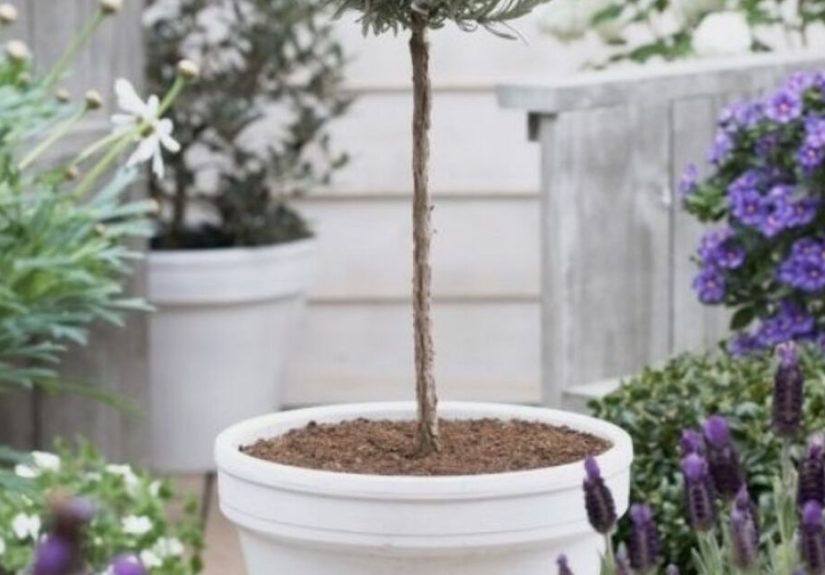
A topiary is simply a plant trained and pruned into a deliberate shape. For lavender, the most realistic
(and easiest) topiary style is a standard: one main trunk with a rounded “pom-pom” canopy on top.
Think: tiny lavender tree, big main-character energy.
You can also use a topiary frame (ball, cone, spiral) and clip the lavender to match, but lavender
doesn’t always love being forced into complicated geometry. Start with a classic ball-on-a-stick shape, and
you’ll get the look with less drama.
Choose the Right Lavender (This Matters More Than Your Pruning Skills)
Not all lavender behaves the same. Some types are hardier in cold, some tolerate heat, and some get grumpy
if your summer humidity looks at them the wrong way. The goal for topiary is dense branching,
good regrowth after trimming, and manageable size.
Best bets for an easy lavender topiary
-
English lavender (Lavandula angustifolia): Classic fragrance, compact habit, and commonly grown
in many U.S. regions when drainage is excellent. Great for a neat, rounded canopy. -
Lavandin (Lavandula x intermedia): Often vigorous with lots of bloom power. Can be bigger, so it’s
ideal if you want a slightly larger topiary statement. -
Spanish lavender (Lavandula stoechas): Cute “rabbit ear” blooms, loves heat, but is less cold-hardy.
Works well in warm climates or as a seasonal patio topiary where winters are mild.
Quick rule: If you’re in a cooler climate and want a topiary that can overwinter outdoors (with protection),
lean toward English lavender. If you’re in a hot climate and want showy blooms, Spanish lavender
can be a fun option in containersjust plan for winter protection if your area freezes hard.
Supplies You’ll Need (No Fancy Garden Witchcraft Required)
- Young lavender plant (healthy, bushy, preferably 6–12 inches tall to start)
- Container with drainage holes (terracotta is great; plastic works if you’re careful with watering)
- Gritty potting mix (or potting soil amended heavily with coarse sand/grit/perlite)
- Stake (bamboo, metal, or woodentaller than your future trunk)
- Soft plant ties (Velcro ties, stretchy tie tape, or soft twine)
- Sharp pruners/snips (clean blades = cleaner cuts)
- Optional: small topiary shears, a lazy Susan/turntable for spinning the pot, and a topiary frame
The Secret to “Easy”: Start in a Pot and Prioritize Drainage
Lavender is famously drought-tolerant once established, but it’s also famously intolerant of “wet feet.”
If your lavender topiary fails, the culprit is often too much moisture + not enough drainage,
especially in humid summers or rainy winters.
Choose a pot with excellent drainage and a lean, fast-draining mix. Lavender generally prefers full sun and
soil that isn’t overly rich. In other words: don’t pamper it with soggy soil and a buffet of fertilizer.
Lavender is not impressed by luxury. It’s impressed by drainage.
How to Create a Lavender Topiary (Step-by-Step)
Step 1: Pick your “main character” stem
Look at your plant and choose the strongest, most upright stem to become the trunk. Lavender often grows as
a shrub with multiple stems, so you’re essentially training it into a “tree form.”
If there’s no obvious single stem, pick the most vertical one and commit. Topiary is a relationship: once you
choose your trunk, you’re emotionally obligated to support it.
Step 2: Pot it correctly (crown level matters)
Plant lavender so the crown (where stems meet roots) sits at the same level as it was in its nursery pot.
Don’t bury it deeper “for stability.” That’s how rot moves in like an unwanted roommate.
Fill the container with your gritty mix, firm lightly, water once to settle, and then let it begin to dry.
Lavender likes deep, infrequent watering rather than constant dampness.
Step 3: Stake and tie (upright now, strong later)
Insert a stake close to the main stem, going down to the bottom of the pot. Tie the stem loosely to the stake
in 2–3 places. The tie should be snug enough to guide, but not tight enough to choke. If your tie is leaving
marks, it’s too tight.
Step 4: Clear the trunkslowly
Here’s the move: remove side shoots from the lower portion of the stem to create a clean trunk. Don’t strip
everything at once. Lavender needs foliage to fuel growth, so clear the trunk in stages over a few weeks.
- Start by removing the lowest side shoots first.
- Work upward gradually until you reach your desired trunk height (often 6–12 inches for a patio topiary).
- Always leave a healthy tuft of foliage at the top to form the future canopy.
Pro tip: cut side shoots close to the stem for a clean look, but don’t gouge the main stem. Clean cuts heal
better and look more intentional.
Step 5: Encourage a round “head”
Once the trunk reaches the height you want, pinch the growing tip at the top lightly to encourage branching.
More branching = denser canopy = better ball shape.
Now start shaping: lightly trim the top growth into a rounded form. Rotate the pot as you go (a turntable
makes this hilariously easier). Aim for “soft ball,” not “perfect sphere.” A little organic wonk is charming.
A hacked-off cube is… a cry for help.
Step 6: Prune at the right time (lavender has opinions)
Lavender responds well to regular pruning, but timing matters. Many extension resources recommend pruning
in spring when new growth is visible and/or after flowering to keep lavender compact. The big warning:
don’t cut into leafless, old woody growthlavender often won’t regrow from bare wood.
For topiary, adopt the “little and often” approach:
- Spring: tidy and shape after new growth begins and frost risk is lower
- After flowering: remove spent blooms and lightly reshape the canopy
- Late season: avoid heavy pruning too close to first frost in cold climates
Lavender Topiary Care: Keep It Cute, Not Crispy
Sunlight
Lavender wants sunlots of it. Aim for at least 6 hours of direct sun daily; more is often better, especially
for dense growth and strong fragrance. If your topiary looks thin, leggy, or “stretched,” it’s probably asking
for more light.
Watering (the most common topiary mistake)
Water thoroughly, then allow the top inch or two of soil to dry before watering again. In summer, pots dry out
fasterespecially in wind and full sunso check more often. The goal is consistent but not soggy.
Signs you’re overwatering:
- yellowing leaves
- droopy growth despite wet soil
- musty smell or soft stems near the base
Signs you’re underwatering:
- crispy leaf tips
- very dry potting mix pulling away from the pot edge
- flowers fading quickly during heat
Fertilizer (less is more)
Lavender generally prefers lean soil. Heavy feeding can encourage leafy growth at the expense of flowers and
can make the canopy floppy. If your plant is in a container for more than a season, a tiny amount of a balanced,
slow-release fertilizer in spring can be okaybut keep it modest. Think “snack,” not “all-you-can-eat brunch.”
Airflow and humidity
In humid regions, lavender can struggle if airflow is poor or soil stays wet. Give your topiary space, avoid
overhead watering, and prioritize fast drainage. If you live where summers are sticky, your topiary will thank
you for every breeze it gets.
Maintenance Schedule: A Simple Year-Round Routine
Spring
- Wait until new growth appears, then remove winter damage.
- Shape the canopy lightly and re-tie to the stake if needed.
- Refresh the top layer of potting mix if the pot is older.
Summer
- Deadhead spent blooms (or harvest themmore on that below).
- Lightly shear the canopy to keep the ball shape.
- Check ties so they don’t constrict as stems thicken.
Fall
- In colder climates, avoid major pruning late in the season.
- Do a gentle tidy if neededthink “hair trim,” not “buzz cut.”
- Prepare for winter protection if your area freezes hard.
Winter
- Keep potted lavender on the drier side (not bone dry, but not wet).
- Shelter from heavy rain/snow and harsh wind if possible.
- In very cold zones, consider moving the pot to an unheated garage or sheltered spot with light.
Harvesting Lavender Without Ruining the Topiary Shape
You can absolutely enjoy the blooms. Harvesting can even help keep the plant tidyif you do it thoughtfully.
Many growers harvest in the morning when oils are strong, and often when about half the buds are open for
peak fragrance.
For a topiary, harvest selectively:
- snip bloom stems from the canopy evenly (don’t scalp one side)
- leave enough green growth to keep the canopy dense
- use harvesting as a “soft shaping” moment
Topiary Troubleshooting (Because Plants Love Plot Twists)
“My lavender topiary is getting woody and sparse.”
That’s often from insufficient pruning early on, too little sunlight, or letting the plant grow wild and then
trying to fix it with one dramatic haircut. Lavender generally doesn’t regrow well from leafless wood, so the
best strategy is to prune regularly while you still have green growth to work with. Increase sunlight, prune
lightly but consistently, and aim for gradual improvement.
“It’s drooping like it just read a sad poem.”
Check the soil moisture. Overwatering in a pot is the usual suspect. Make sure drainage holes aren’t clogged,
the pot isn’t sitting in a saucer of water, and the mix is gritty enough to dry between waterings.
“My trunk is bending.”
Keep the stake longer, adjust ties, and reduce wind exposure. Also, don’t let the canopy get too huge before
the trunk thickens. A topiary head that’s too heavy too soon is basically asking the plant to do yoga without training.
“No bloomsjust leaves.”
Usually one of three things: not enough sun, soil too rich (too much nitrogen), or pruning at the wrong time
and removing developing flower spikes. Move it to more sun, ease up on fertilizer, and time pruning to support flowering.
Design Ideas: Where a Lavender Topiary Looks Ridiculously Good
- Front door symmetry: two matching pots = instant “I have my life together” vibes
- Patio scent zone: place near seating so every breeze smells expensive
- Kitchen garden glam: mix with rosemary and thyme in matching containers
- Wedding/party decor: a potted lavender standard is a living centerpiece you can keep afterward
FAQ: Quick Answers for Lavender Topiary Beginners
How long does it take to make a lavender topiary?
You can shape a young plant into an early “mini standard” in a single season, but a sturdy trunk and a dense,
polished canopy usually take 1–2 growing seasons. The good news: it looks cute the whole time, like a teenager
trying on different outfits.
Can lavender really grow like a tree?
Lavender is technically a woody shrub, not a true tree. A “lavender tree” is simply trained into a standard form
with pruning, staking, and patience.
Can I use a wire topiary frame with lavender?
Yesespecially for simple shapes like a ball or cone. Just remember: lavender prefers light, regular trimming
rather than severe cutting, and it needs plenty of sun for dense growth to fill the frame.
Conclusion
Creating an easy lavender topiary is mostly about two things: training (choose a trunk, stake it, clear it gradually)
and consistent, gentle pruning (shape often, avoid cutting into bare wood). Pair that with full sun, fast drainage,
and a reasonable watering routine, and you’ll have a lavender topiary that smells incredible and looks like it belongs
in a fancy garden catalogwithout the fancy garden catalog budget.
Experience Notes: What It’s Really Like to Grow a Lavender Topiary (500+ Words)
If you’re picturing a lavender topiary as a calm, elegant hobbylike sipping iced tea while casually snipping a perfect
sphereyou’re not wrong. But you’re also not entirely right. In real life, lavender topiary care tends to come with a few
very predictable “character-building moments.” Consider these experience-based lessons a friendly cheat code.
1) The Overwatering Trap (a.k.a. “But it’s hot outside!”)
Many first-timers treat potted lavender like a thirsty annual, especially during the first heat wave. The logic is pure:
sun is blazing, pot feels warm, plant is outside working hardso water must be the answer. The plot twist is that lavender
often looks droopy when its roots are stressed from staying too wet. So you water more. Then the plant looks worse. Then you
water again. Congratulations, you’ve accidentally invented a root-rot speedrun.
The “experienced grower” move is boring but effective: stick a finger into the potting mix and water only when the top layer
is actually dry. When you do water, soak it thoroughly so the whole root ball gets moisturethen let it dry down again. Once
you see lavender respond with perky growth and sturdier stems, you’ll realize it wasn’t asking for constant water; it was asking
for a rhythm.
2) The First Haircut Panic (because the ball looks uneven)
The second most common real-world experience is what I call “Topiary Mirror Syndrome.” You trim one side, step back, and suddenly
the other side looks bigger. So you trim that. Now the first side looks bigger. So you trim again. At some point you’re basically
chasing your own tail, and the lavender is sitting there like, “I didn’t sign up for competitive hairstyling.”
The fix is simple: trim in tiny passes, rotate the pot frequently, and take breaks. Some gardeners even use a lazy Susan so they
can spin the pot smoothly and keep cuts consistent. The moment you stop aiming for “mathematically perfect” and start aiming for
“balanced from a few feet away,” your topiary suddenly looks betterand you keep more foliage, which lavender appreciates.
3) The Trunk Training Learning Curve (ties, wind, and wobble)
In the early stages, the trunk is the weak link. A windy day can tip the canopy, and a too-tight tie can scar the stem. People
often forget to check ties as the plant grows, and then the stem thickens into the tie like it’s trying to merge with it. The
experienced habit is to check ties every couple of weeks during the growing season, loosen or replace them as needed, and keep the
stake tall enough to support the plant until the trunk hardens.
It’s also common to remove too many side shoots too quickly because a clean trunk looks “finished.” But lavender still needs leaves
to photosynthesize and build strength. Clearing the trunk graduallyover weeks, not minutesusually results in a sturdier standard
and less recovery time.
4) Winter Reality: Cold is one thing, wet is another
Gardeners often assume winter damage is only about temperature. In containers, moisture is frequently the bigger problemespecially
when rain or snow keeps the potting mix damp for long stretches. A practical, experience-driven trick is to move the pot to a sheltered
location: near a wall, under an overhang, or anywhere it avoids constant saturation. In very cold areas, some people overwinter potted
lavender in an unheated garage or bright shed where it stays colder than the house but drier than the outdoors. The goal is not tropical
comfort; it’s “alive, dry-ish, and not battered by weather.”
The best part? Once you’ve lived through one full season with a lavender topiary, the plant becomes surprisingly predictable. You learn
its “tell” for thirst, how quickly it fills out after a trim, and exactly how much shaping it tolerates before it gives you a look that
says, “Please stop.” That’s when the topiary stops feeling like a project and starts feeling like a low-key garden companionone that
smells amazing and makes your patio look like it has a tiny, fragrant butler.