Table of Contents >> Show >> Hide
Some design trends arrive like a marching band. They kick down the door, demand a spotlight, and insist that your living room absolutely needs a neon sculpture shaped like a shrimp. “Calm and Collected” is not that trend. It does not yell. It does not perform. It does not ask your sofa to become a personality test.
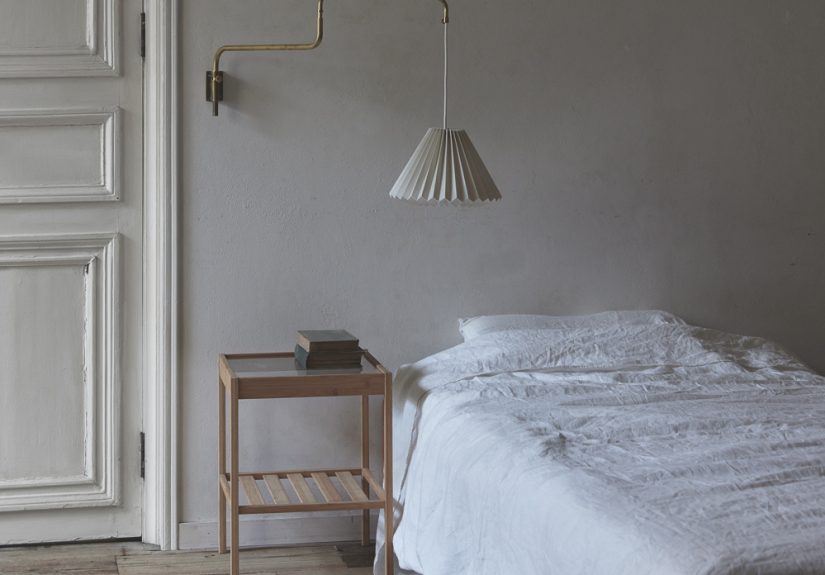
Instead, this look is all about homes that exhale. Rooms feel softer, quieter, and more intentional. Colors lean warm and grounded. Furniture has clean lines, but not the cold, showroom kind. Natural materials show up everywhere, from oak and linen to stone and woven textures. Lighting becomes gentler and more layered. Decor gets edited down, but not stripped of soul. The overall effect is relaxed, elegant, and deeply livable.
That balance is exactly why so many people are obsessed with it right now. After years of visual overload, algorithm-fueled trend churn, and interiors that sometimes looked more staged than inhabited, “Calm and Collected” feels like a small rebellion. It says your home can be beautiful without trying too hard. It can be polished without feeling precious. It can be minimal without feeling like it might scold you for leaving out a coffee mug.
In other words, this is not about perfection. It is about peace with good taste.
What “Calm and Collected” Actually Means
At its core, “Calm and Collected” is a decorating mindset more than a strict rulebook. It blends the restraint of minimalism with the warmth of layered, real-life comfort. The room is curated, yes, but it still feels human. You can sit on the furniture. You can put your feet up. You can leave a book on the table without the room filing a complaint.
The “calm” part comes from visual quiet. Think cohesive palettes, open breathing room, fewer competing patterns, and surfaces that are not crowded with stuff. The “collected” part comes from thoughtful detail. Maybe that is a handmade ceramic lamp, a vintage wooden stool, a nubby wool throw, or framed art that feels personal instead of generic. Nothing has to scream. It just has to belong.
This is why the style works so well across design categories. It borrows a little from warm minimalism, a little from Scandinavian interiors, a little from Japandi, and a little from classic American decorating. It is less interested in labels than in mood. The goal is simple: make the space feel grounded, breathable, and quietly put together.
Why Everyone Is Suddenly in Love With It
There is a reason this aesthetic feels timely. People are increasingly drawn to homes that support rest, focus, and everyday comfort. That has pushed design toward wellness-minded choices such as natural light, organic materials, softer colors, and fewer visually noisy elements. The result is an interior style that feels emotionally useful, not just photogenic.
Another reason is trend fatigue. For a while, interiors swung hard between extremes: ultra-sterile minimalism on one side and maximalist color explosions on the other. “Calm and Collected” lands in the sweet spot between those worlds. It keeps the clarity of a pared-back room while bringing in texture, personality, and warmth.
It also fits the way many people want to live now. Homes need to multitask. The dining table is sometimes an office. The bedroom is sometimes a reading retreat. The living room is sometimes movie theater, therapy cave, and snack headquarters. A calm interior helps all those roles coexist without the whole house feeling frazzled.
The Signature Elements of the Look
1. A Soft, Grounded Color Palette
The fastest way to create a calm and collected atmosphere is through color. Warm whites, creamy beiges, sandy taupes, mushroom tones, muted greens, clay shades, and soft blue-grays all work beautifully here. These colors do not flatten a room; they steady it. They create a backdrop that feels relaxed and welcoming instead of stark or overly busy.
The trick is to avoid making neutral mean boring. A beautiful calm room usually layers several related tones rather than relying on one plain beige and calling it a day. A warm ivory wall, a greige sofa, a caramel wood coffee table, and a sage accent chair can all live together without the room losing its composure.
2. Texture, Texture, and Then a Little More Texture
If color is quiet, texture is the conversation. This look depends on tactile contrast to keep soft palettes interesting. Linen curtains, boucle seating, matte ceramics, jute rugs, wood grain, stone surfaces, brushed metals, and cotton upholstery all add depth without noise.
That is the magic move: instead of shouting with color, the room whispers with material. You notice how things feel and how they catch light. A plaster-finish lamp base, a slightly rumpled flax linen duvet, or a handwoven basket suddenly becomes the design equivalent of a really good understated blazer. Not flashy. Just annoyingly chic.
3. Layered Lighting Instead of One Blinding Overhead
A calm room lives or dies by lighting. If your ceiling fixture makes the room feel like an interrogation scene, the vibe is officially in danger. “Calm and Collected” spaces use layered lighting to build atmosphere: overhead lighting for function, table lamps for glow, sconces for softness, and accent lights to create pockets of warmth.
Dimmers help. Warm bulbs help. Lampshades in linen, paper, or textured fabric help. The goal is to create a room that can move from bright morning usefulness to evening softness without losing its character.
4. Edited Surfaces and Intentional Styling
This style loves restraint. Not empty-for-the-sake-of-empty restraint, but thoughtful editing. A console table might hold a lamp, a stack of books, and one sculptural object instead of fourteen tiny trinkets that look like they met by accident. Open shelves breathe more when they are not packed edge to edge.
Collected spaces still have personality, but every item earns its spot. If it adds warmth, memory, function, or beauty, great. If it is just taking up emotional square footage, it may be time for a graceful exit.
5. Natural Materials and Organic Shapes
Wood, stone, rattan, linen, wool, clay, and glass all fit beautifully into this look because they feel grounded and timeless. They also tend to age well, which matters. A calm home should not feel disposable. It should feel as though it is becoming more itself over time.
Shape matters too. Gentle curves, rounded corners, arched silhouettes, and organic forms soften a room that might otherwise feel too boxy. Even one curved chair, round mirror, or oval table can take the edge off a space filled with straight architectural lines.
How to Get the Look Room by Room
Living Room: Make Quiet Feel Luxurious
Start with a comfortable anchor piece, usually a sofa in an easy neutral. Then build warmth around it with varied textures: a wool rug, linen drapes, a wooden side table, and a throw that looks casually tossed but not suspiciously staged by a stylist named Theo.
Keep the palette consistent, but include one or two earthy accents for depth. Olive, rust, muted blue, or chocolate brown can all work. Coffee tables should feel substantial rather than fussy. Decor should be sparse but meaningful. A calm room often looks better with one large artwork than six tiny frames competing for attention.
Bedroom: Turn It Into an Exhale
This style really shines in the bedroom because the mood is already aligned with rest. Choose breathable bedding, soft layers, and colors that settle the eye. Warm whites, dusty greens, soft taupes, and pale blue-grays are excellent choices. Upholstered headboards, textured coverlets, and dimmable bedside lamps help make the room feel cocooning without becoming heavy.
Keep tech visually contained where possible. Hide cords. Reduce obvious clutter. Let the room support bedtime instead of reminding you about twelve unread emails and a half-finished spreadsheet.
Kitchen: Clean, But Not Clinical
A calm and collected kitchen does not need a full renovation. Small changes can do a lot. Clear the counters. Group frequently used items on a tray. Swap loud accessories for wood, ceramic, or glass. Add under-cabinet lighting if the space feels harsh. Even a bowl of pears can suddenly make the room look like it has a life coach.
For bigger updates, think off-white cabinetry, warm metal hardware, natural wood stools, open shelving with restraint, and stone or stone-look surfaces that bring texture rather than glare.
Bathroom: Spa Energy Without the Clichés
The calm bathroom is not trying to cosplay as a luxury resort. It simply borrows the best ideas: soothing colors, soft towels, layered light, and reduced clutter. Greens, off-whites, mushroom shades, and gentle blue tones work especially well. Storage matters here because too many products on display can turn even a pretty space into visual static.
Bring in warmth through wood accents, woven storage, or a stone tray. Add a small plant if the light allows. Suddenly the room feels less like “mandatory hygiene station” and more like “a decent place to gather your thoughts.”
Home Office: Calm That Still Gets Things Done
This is where many people go wrong. They create a workspace that is either so sterile it feels joyless or so cluttered it feels like a brain with twenty-seven tabs open. A calm and collected office keeps only the essentials visible, uses a controlled palette, and adds warmth through texture and better lighting.
Try a wooden desk, a comfortable upholstered chair, a pinboard or shelf with a few beautiful practical items, and one lamp that makes the whole room feel less like tax season. Calm should support productivity, not put it to sleep.
How to Avoid the Common Mistakes
The biggest mistake is confusing calm with bland. A room without contrast, texture, or personality can feel unfinished instead of serene. The answer is not more stuff. It is better stuff. Mix materials. Vary shape and scale. Add one vintage piece. Hang art with presence. Choose fabrics that invite touch.
The second mistake is going too cool. A gray-on-gray-on-gray scheme can easily drift into “dentist lobby in a light drizzle.” If you want the room to feel collected and comforting, lean warmer. Even cooler palettes benefit from wood tones, woven elements, warm metals, and soft lighting.
The third mistake is over-styling. Ironically, trying too hard to look effortless never works. Calm rooms need a little looseness. A draped throw, a stack of actual books, a chair angled toward the light, a ceramic bowl that looks handmade rather than algorithm-approved by the internet. That is where the life is.
The Real Experience of Living With a Calm and Collected Home
Here is the part that matters most: this trend is not only attractive in photos. It genuinely changes how a space feels when you live in it day after day.
Imagine walking into your home after a long afternoon of traffic, notifications, and general modern chaos. You open the door, and nothing is visually shouting at you. The palette is soft. The lighting is warm. The furniture looks settled rather than frantic. There is enough empty space for your brain to land. You put down your bag, and instead of immediately noticing five unfinished chores and a mountain of random objects, you notice calm.
That experience is surprisingly powerful. A collected room does not necessarily solve your problems, obviously. It will not answer your emails, fold your laundry, or stop your group chat from arguing about brunch. But it can lower the background hum of visual stress. It can make ordinary routines feel better. Making tea at night feels a little more soothing in a kitchen that is clear and softly lit. Reading in bed feels more restorative when the room is layered with textiles and gentle light. Even getting ready in the morning feels easier when the bathroom is not cluttered with thirty-seven products fighting for counter territory.
There is also a subtle confidence to this style. A calm and collected home does not beg for approval. It does not rely on gimmicks or constant updates to feel relevant. It tends to age well because it is built on mood and material rather than novelty. That means you can evolve it slowly. Add a chair you really love. Replace synthetic fabrics with natural ones over time. Upgrade your lighting one lamp at a time. The space grows more grounded instead of more trend-chased.
Many people also find that a calmer environment changes their habits. When a room feels good, you tend to take better care of it. You edit more thoughtfully. You bring in fewer but better pieces. You become more aware of what contributes to comfort and what creates clutter. The house starts teaching you its own rules, and those rules are usually pretty reasonable: breathe, soften, edit, repeat.
And perhaps that is why this obsession has such staying power. It is not just about design language. It is about emotional tone. The best calm interiors feel generous. They make room for rest, for focus, for conversation, for morning light across a table, for a blanket on the sofa, for the strange luxury of not being overstimulated in your own home.
In a culture that often rewards louder, faster, and more, “Calm and Collected” feels refreshingly adult. It is stylish without trying to win a costume contest. It is practical without becoming dull. It lets a room be beautiful in a way that supports real life, which may be the chicest move of all.
Final Thoughts
“Current Obsessions: Calm and Collected” is more than a passing aesthetic crush. It is a smarter, softer way to think about home. It values mood over spectacle, comfort over clutter, and materials with character over decor that peaks on social media and disappears by next season.
If you want to bring the look home, start small. Change the lighting. Edit a crowded surface. Add linen, wood, or stone. Paint a room a warmer neutral. Let one corner become your proof of concept. Once you feel the difference, the rest of the house tends to follow.
Because at the end of the day, the most beautiful room is not the one doing the most. It is the one that makes you feel the best while you are actually living in it.