Table of Contents >> Show >> Hide
Every once in a while, a design idea stops being a trend and starts acting like a personality trait. That is where we are with Outsiders. Not outsiders in the angsty-high-school-locker sense, thankfully. More like the irresistible pull of the outdoors into everyday life: rooms that open wider, patios that behave like living rooms, front yards that do more than sit there and drink water, and homes that stop pretending the wall is the end of the story.
The phrase fits the current moment because people are no longer satisfied with outdoor space being a seasonal extra. They want it to be part of the plot. That means indoor-outdoor living is no longer just a California fantasy with heroic sunshine and a suspiciously photogenic lemon tree. It has become a broader design mindset, one that blends comfort, ecology, hospitality, and a little wanderlust. In other words, the modern home wants fresh air, but it also wants throw pillows, decent lighting, and maybe a glass of wine.
What makes this obsession interesting is that it is not just about style. It is about behavior. The best outdoor design trends are shaping how people gather, rest, garden, host, work, and daydream. They are changing the front yard, the courtyard, the tiny terrace, the screened porch, and even the humble stoop. “Outsiders” is really a story about thresholds: where home ends, where landscape begins, and why more of us want that line to get wonderfully blurry.
What “Outsiders” Means in Design Right Now
The current obsession with outsiders can be summed up in one sentence: the home is stretching outward. Recent design coverage has pointed to a clear rise in spaces that flow into gardens, patios, porches, courtyards, and side yards, while real estate and design editors alike have highlighted growing interest in biophilic features, outdoor entertaining, and homes that feel rooted in the landscape rather than sealed off from it.
The Threshold Has Become a Destination
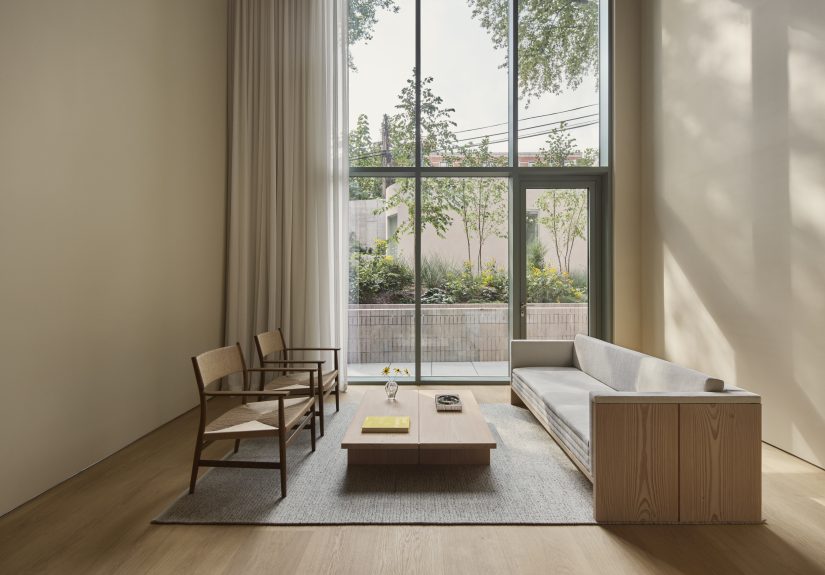
For years, the ideal outdoor area was treated like a bonus level in a video game: nice to unlock, but not essential. Now it is central to the experience of living well. Sliding glass walls, Dutch doors, accordion windows, pergolas, outdoor showers, covered patios, and lounge-worthy courtyards are showing up not as decorative extras but as everyday infrastructure. The new luxury is not just square footage. It is permeability.
That shift helps explain why so many standout homes now feature transitional zones rather than rigid boundaries. The most compelling examples are not merely “open concept.” They are choreographed around movement, light, breeze, and views. A kitchen spills onto a dining patio. A bedroom borrows calm from a garden. A tiny bungalow grows larger because a courtyard becomes its emotional center. Suddenly, the best room in the house might not technically be in the house.
The Front Yard Is No Longer Just for Looking Respectable
The front yard, meanwhile, is having a mild but meaningful rebellion. More homeowners are replacing thirsty turf with planting, permeable materials, seating, and habitat-friendly design. That does not mean everyone is turning the front of the house into a meadow that looks like it was curated by butterflies with graduate degrees. It means the front yard is becoming useful again.
A lawn-free front yard can absorb stormwater, support birds and insects, reduce maintenance, and still look polished. Front patios are also gaining traction because they do something suburban life often forgets: they invite interaction. You wave to neighbors. You watch kids play. You become, however briefly, a person who exists in public before disappearing back inside for snacks.
Why the Obsession Feels So Timely
Wellness, but Make It Architectural
Part of the appeal is emotional. People want homes that help them exhale. Outdoor-adjacent living answers that need without feeling preachy. Fresh air, natural light, layered planting, and easy access to a terrace or garden can make a home feel slower, calmer, and less screen-dominated. It is wellness by layout rather than wellness by lecture.
This is why outdoor rooms are increasingly designed with the comfort of indoor spaces. Softer seating, warmer lighting, better textiles, dining zones, and even spa-like features are moving outside. The message is simple: if we are going to spend more time outdoors, we do not want to perch on a sad chair and call it character. We want outdoor spaces that feel inviting, lived-in, and worthy of actual lingering.
Ecology Has Entered the Chat
There is also a practical, climate-aware side to the outsider obsession. Designers are paying more attention to climate-resilient landscaping, water-wise planting, stormwater management, shade, and durable materials. Outdoor design is becoming less about decorative perfection and more about performance. Can this space handle heat, rain, drought, foot traffic, and changing seasons? Can it look good without behaving like a diva?
That is where the smarter front garden and the more thoughtful backyard come in. Replacing some lawn with native plants, sedges, gravel gardens, or low-water groundcovers is not just aesthetically current. It is often more sustainable and less labor-intensive. A permeable path, a sponge-like planting bed, a pocket prairie, or a no-mow strip can do real work while still looking stylish. The old dream was a perfect lawn. The new dream is a yard that has something better to do.
The Style Language of Outsiders
Softer Shapes, Lighter Materials, Better Comfort
The aesthetic side of this trend is easy to spot. Outdoor furniture is becoming less stiff and more expressive, with lighter wicker tones, curved silhouettes, indoor-worthy cushions, and materials that feel tactile rather than purely utilitarian. The outdoor room is being styled as a real room, not a holding pen for weatherproof objects.
That has led to a richer, more collected look. Designers are mixing wood, woven textures, metal, stone, and patterned textiles instead of defaulting to one matching set that looks like it was purchased during a panic. Outdoor spaces now borrow more confidently from interior design: lamps, side tables, layered fabrics, antique references, sculptural planters, and furniture with personality.
Small Spaces Are Part of the Story Too
The outsider mood is not only for sprawling properties with olive trees and a cinematic budget. Small terraces, balconies, stoops, and compact courtyards are part of the movement because the real idea is not size. It is intention. A few good containers, an outdoor rug, proper lighting, one comfortable chair, and a small table can turn a leftover patch of exterior square footage into a daily ritual zone.
That is what makes this trend so democratic. Even a narrow urban patio can feel immersive if it is layered with greenery, texture, and a sense of use. The goal is not to imitate a resort. The goal is to create a place you actually want to be at 7:12 p.m. when your day has run long and your brain needs a different horizon.
Examples That Define the Outsiders Mood
One of the strongest examples of the outsiders mindset is the growing love for courtyards and garden-centered layouts. In recent home features, private courtyards have been used to organize family life, create gathering space, and make compact homes feel expansive. In California house tours, giant sliding doors dissolve the boundary between kitchen, lounge, patio, and canyon view, creating multiple outdoor “rooms” with distinct personalities. That is the key word here: rooms. Outside is no longer a backdrop. It is an address.
Another example is the redesigned front yard. Instead of a flat stretch of turf that asks for water and offers very little in return, current landscape thinking favors layered planting, native species, permeable surfaces, and useful edges. Some gardens are designed to soak up stormwater. Some turn driveways into softer ecological spaces with planting tucked around parking. Some keep part of the lawn while introducing native meadows. The point is not purity. The point is better function and better beauty.
The social side matters too. Front yard patios, luxurious screen porches, cocktail corners, and entertaining-ready cabanas all point to the same shift: people want outdoor space to support real life. Hosting, reading, working, eating, resting, and talking should all be possible without requiring a formal occasion. The outsider aesthetic wins because it feels generous. It gives more options for how a day can unfold.
How to Bring the Outsiders Look Home
Start with the Edge
If you want the outsiders effect, begin with transitions. Upgrade the doorway, patio threshold, porch, or window wall before you obsess over accessories. A Dutch door, wider opening, outdoor curtain, screen porch, or simple seating zone at the edge of the house can do more for flow than buying twelve decorative lanterns and hoping for enlightenment.
Design for Real Behavior
Ask what you actually do outside or wish you did more often. Morning coffee? Family dinner? Reading alone? Quick chats with neighbors? Potting plants? Once you know the behavior, the design becomes less random. Add a dining table if meals matter. Choose weather-resistant upholstery if you want lounging. Use layered planting if privacy is the goal. This is not about producing a magazine spread. It is about building a habit loop you enjoy.
Let Ecology Improve the Aesthetic
Reduce lawn where it makes sense. Choose porous hardscape. Plant low-water or native species. Use containers where ground space is limited. Mix sedges, grasses, perennials, and shrubs for texture and resilience. A good outdoor space should not require a heroic amount of water, labor, or apology. The smartest outsider spaces feel easy because they are designed with the site, not against it.
Style It Like a Room, Not a Waiting Area
Add texture. Add softness. Add a rug. Add one excellent planter instead of five mediocre ones. Use lighting that flatters people and not just mosquitoes. Create a sense of enclosure with plants, screens, trellises, or furniture arrangement. Outside can handle beauty. In fact, it looks a little offended when treated like an afterthought.
Experiences: Living the Outsiders Mood
What makes Current Obsessions: Outsiders so compelling is the way it changes daily experience, not just the look of a home. A well-designed outsider space alters your timing. You step outside earlier in the morning because the chair is comfortable and the light is good. You stay out later in the evening because the patio has a lamp, a throw, and enough softness to keep the night going. You notice the weather more, but in a friendlier way. A breeze becomes part of the room. The smell of rosemary or damp earth becomes part of the atmosphere. Even a small patch of exterior space can make a day feel less boxed in.
There is also a subtle shift in attention. Indoors, life can become hyper-efficient and strangely abstract: tabs open, lights on, notifications humming, dishes appearing as if by dark magic. Outdoors, even when you bring all your comforts with you, your focus tends to widen. You hear birds. You clock cloud cover. You realize the potted grass has gone from green to gold. You become aware of seasonality in a way that heating and air conditioning often let us ignore. This is not a radical transformation into some barefoot sage who mills their own flour. It is just a more textured way to be at home.
The social experience changes too. Outsider spaces are excellent at lowering the pressure. Guests who might sit stiffly in a formal living room tend to relax on a porch, around a fire feature, beside planters, or at an outdoor table that feels a little imperfect in the best way. A front patio invites spontaneous conversation. A side yard with a bench becomes a place for one-on-one talks. A courtyard lets a family gather without everyone disappearing into separate corners of the house. Outdoor space has a talent for making people feel less staged and more themselves.
There is a practical pleasure in it as well. A lawn-free front yard or low-water garden often brings relief that has nothing to do with aesthetics and everything to do with maintenance. Less mowing. Less watering. Less guilt about dead patches of grass pretending to be noble. More texture, more movement, more habitat, more visible life. The experience of tending such a space is different too. It feels more observant and less controlling. You are editing, not forcing. Guiding, not scolding. That alone is enough to make many homeowners newly obsessed.
Then there is the emotional effect of living near a threshold. The best outsider spaces never feel fully finished, and that is part of their charm. A garden grows in, a path settles, a tree casts more shade year by year, a pot gets moved, a table shifts location, a new climbing plant changes the whole mood of a wall. Unlike many interior rooms, which can feel complete the second the final lamp arrives, outdoor spaces stay in conversation with time. They evolve. They surprise you. They occasionally humble you with a dead fern. It keeps things interesting.
Ultimately, the outsider experience is about connection without grand speeches about connection. It is about creating homes that breathe better, host better, and age better. It is about discovering that the edge of the house can be one of the richest places to live. And once that happens, it is hard to go back. The old model of outside as an afterthought starts to feel oddly cramped. You do not just want a prettier yard. You want a home that knows how to open itself to the world.
Conclusion
Current Obsessions: Outsiders is more than a catchy design phrase. It captures a broad shift in how people want to live now: with more light, more air, more flexibility, more ecological intelligence, and more beauty at the edges of everyday life. The strongest outdoor design trends are not about turning every house into a resort. They are about making space for real use, real comfort, and real connection to place.
That is why this obsession has staying power. It works in a canyon house, a Brooklyn stoop, a compact courtyard, a front yard patio, or a tiny terrace with one brave olive tree trying its best. The details may change, but the principle holds: when the outdoors becomes part of home rather than a separate zone, life gets a little richer. And honestly, who among us could not use one more room made of sky?