Table of Contents >> Show >> Hide
- Part 1: Picking the Right Front Door Color (So It Looks Expensive)
- 1) Start with the “fixed” colors you can’t change in an afternoon
- 2) Decide: high contrast hero door, or subtle “put-together” door?
- 3) Match the color mood to your home’s architecture
- 4) Use the “nature test” (aka: does it fight your landscaping?)
- 5) Check neighborhood rules (HOA, historic districts, and “that one neighbor”)
- 6) Test color correctly (because sunlight is a liar)
- Front door color ideas by exterior type (real-world examples)
- Part 2: Choosing the Best Paint and Finish for a Front Door
- Part 3: How to Paint a Front Door (Step-by-Step, Pro Results)
- Safety first: if your home is older, think about lead paint
- Step 1: Pick the right day (weather is part of the tool list)
- Step 2: Remove hardware (or protect it like it’s a museum piece)
- Step 3: Clean the door thoroughly
- Step 4: Scrape, patch, and sand (the secret to not-horrible paint)
- Step 5: Prime where needed (and don’t skip it out of optimism)
- Step 6: Paint in the right order (so you don’t trap drips)
- Step 7: Let it dryand then let it cure (yes, those are different)
- Step 8: Reinstall hardware and level-up the “wow” factor
- Quick Troubleshooting: Common Front Door Painting Problems
- Maintenance: Keep Your Front Door Looking Fresh
- Extra: Lessons Homeowners Learn the Hard Way ( of Real-World Experience)
- 1) The color you loved in the store might look totally different outside
- 2) Dark doors can be stunning… and surprisingly practical (until summer)
- 3) Prep takes longer than paintingand that’s normal
- 4) Removing hardware feels annoying… until you don’t and then you’re annoyed anyway
- 5) Thin coats win, even if your patience doesn’t
- 6) The “final 10%” makes the whole thing look professional
- Conclusion: Your Door, But Make It Iconic
Your front door is basically your house’s handshake. Firm? Friendly? A little sweaty because it’s been the same beige since 1997? The good news: choosing a front door color and painting it is one of the highest-impact, relatively low-cost ways to boost curb appealwithout committing to a full exterior makeover (or an emotional support ladder).
This guide walks you through two big wins: (1) picking a front door paint color that looks intentional (not “I panicked at the paint counter”), and (2) painting the door so it stays gorgeous through sun, rain, fingerprints, and the occasional pizza delivery sprint. We’ll keep it practical, a little funny, and very Google-and-Bing-friendly.
Part 1: Picking the Right Front Door Color (So It Looks Expensive)
1) Start with the “fixed” colors you can’t change in an afternoon
Before you fall in love with a bold teal, take a quick inventory of the colors that are not going anywhere soon: roof shingles, brick or stone, concrete, pavers, and large siding areas. Those elements set the “undertone temperature” of your exteriorwarm (creamy, tan, golden) or cool (gray, blue-ish, crisp white).
- Warm exteriors (tan stone, red brick, creamy trim) often love deep greens, warm blacks, rich navy, and earthy reds.
- Cool exteriors (gray siding, blue stone, bright white trim) pair nicely with charcoal, true navy, crisp reds, and blue-greens.
Pro tip: if you’ve ever argued with someone about whether something is “gray” or “greige,” you already understand undertones. Doors are small but loudso undertones matter.
2) Decide: high contrast hero door, or subtle “put-together” door?
A front door can either be the star of the show or the stylish supporting actor. Both workjust pick a lane.
- Contrast approach: choose a door color that clearly stands out from the siding. Example: white house + black door, or brick house + deep navy door. This is the classic curb appeal “pop.”
- Harmonize approach: choose a door color that relates to the exterior palette (like a shade pulled from stone veining, shutters, or landscaping). This looks calm, cohesive, and quietly fancy.
3) Match the color mood to your home’s architecture
Architecture is basically your house’s accent. You can’t force a Victorian to speak minimalist modern (it will refuse), but you can pick colors that sound right for the style.
- Modern / contemporary: black, charcoal, crisp white, saturated primary colors, or a deep matte-ish look (still durable sheen).
- Traditional / colonial: classic navy, heritage red, forest green, glossy black, or deep burgundy.
- Craftsman: earthy greens, warm browns, muted blues, ochre, and warm red tones.
- Coastal / cottage: soft blue-greens, muted blues, creamy whites, and cheerfulbut not neoncolors.
4) Use the “nature test” (aka: does it fight your landscaping?)
Your yard is a permanent color palette: greens, browns, seasonal flowers, and whatever shade your neighbor’s grass is this week. Nature-friendly door colors (navy, green, warm black, muted terracotta) almost always look intentional because they echo what’s already outside.
If you want something brighter, keep it grounded: a coral with earthy undertones or a teal that leans slightly gray will look curated, while an ultra-saturated neon will look like your door is trying to start a podcast.
5) Check neighborhood rules (HOA, historic districts, and “that one neighbor”)
Some HOAs and historic districts limit exterior colors. Even without formal rules, your neighborhood has a vibe. You don’t have to match everyonejust don’t accidentally choose “Emergency Exit Door Red” if the whole street is muted neutrals. When in doubt, pick a classic color and let your hardware and decor do the personality.
6) Test color correctly (because sunlight is a liar)
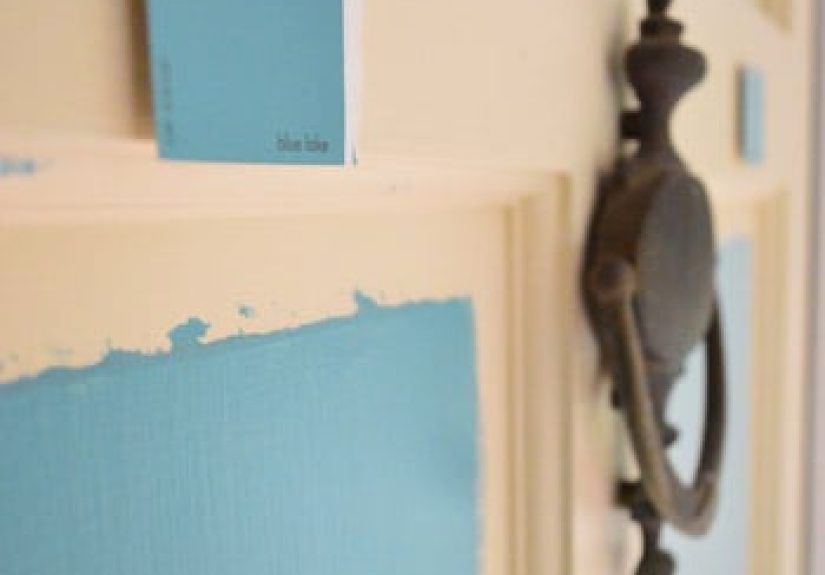
The fastest way to regret a door color is to choose it under store lighting, then watch it transform outdoors into something… unexpected. Do this instead:
- Buy sample pots or peel-and-stick samples.
- Paint a poster board (or a removable sample panel) and tape it to the door.
- Look at it morning, midday, and evening for at least 24 hours.
- Stand at the curb. Doors are meant to be seen from “mailbox distance.”
Bonus: test next to your trim color and hardware finish (black, brass, nickel). Hardware can make the same paint color look warmer or cooler.
Front door color ideas by exterior type (real-world examples)
- Red brick + white trim: deep navy, glossy black, forest green, or a sophisticated warm gray.
- Light gray siding + white trim: black, charcoal, crisp red, or a blue-green that isn’t too tropical.
- Warm beige/tan siding: dark green, warm black, chocolate brown, or a muted teal with warmth.
- White exterior (modern farmhouse or classic): nearly anything worksblack, navy, sage, deep redjust pick your mood.
- Stone facade (mixed grays and tans): pull the darkest stone tone for the door, or go deep blue for contrast.
Part 2: Choosing the Best Paint and Finish for a Front Door
Pick the right paint type for your door material
“Exterior door paint” isn’t one magic can. The best choice depends on whether your door is wood, fiberglass, or metaland how much sun it bakes in. In most cases, a high-quality exterior acrylic latex is a safe, durable choice. For an ultra-smooth, furniture-like finish, many homeowners choose waterborne alkyd enamels (they level beautifully and dry harder than typical wall paint).
- Wood doors: exterior-grade enamel is ideal; you may need primer on bare spots, knots, or stained areas.
- Fiberglass doors: scuff-sand + bonding primer (if needed) + exterior enamel; follow the manufacturer’s guidance if available.
- Metal doors: prioritize rust resistance and adhesion; use appropriate primer if there’s bare metal or rust.
Best paint finish for front doors: satin vs semi-gloss vs high-gloss
A front door gets touched, bumped, and weatheredso you want a finish that’s easy to clean and tough enough to resist scuffs. That’s why satin, soft gloss, and semi-gloss are the usual winners.
- Satin / soft gloss: slightly softer shine, hides minor imperfections better, still durable. Great if your door has dings or texture.
- Semi-gloss: shinier, very washable, shows off architectural details. Also shows flaws moreprep matters.
- High-gloss: dramatic “piano finish” look. Stunning when done well; unforgiving when rushed. If you love drama and sanding, it’s your moment.
If you choose semi-gloss or high-gloss, plan on multiple thin coats for a smoother finish (thick coats love to drip at the worst possible time usually right when your neighbor walks by).
How much paint do you need?
Most front doors take less than a quart per coat, but buy enough for two coats plus touch-ups. If you’re switching from a very dark color to a light color (or vice versa), primer and extra coverage may be needed.
Part 3: How to Paint a Front Door (Step-by-Step, Pro Results)
Safety first: if your home is older, think about lead paint
If your home was built before 1978, there’s a real chance older layers of paint contain lead. Sanding or scraping can create hazardous dust. If you suspect lead paint, consider testing and follow lead-safe practices (or hire a certified pro). This is one of those “better safe than sorry” moments that isn’t fun, but is very grown-up and very important.
Step 1: Pick the right day (weather is part of the tool list)
Exterior painting goes best when temperatures are mild, humidity is reasonable, and rain isn’t looming like a villain in a movie. Avoid extreme heat, very high humidity, and windy days that will decorate your wet paint with airborne pollen.
Step 2: Remove hardware (or protect it like it’s a museum piece)
The cleanest look comes from removing the knob, deadbolt, strike plate, kick plate, door knocker, numbersanything you can safely take off. If you can’t remove something, tape it carefully. Hardware + paint splatter is not “rustic,” it’s “I gave up.”
Step 3: Clean the door thoroughly
Paint sticks best to clean surfaces, not to “mystery film” from hands, weather, and airborne city grime. Wash with a mild detergent solution, rinse, and let it dry fully. Pay attention to grooves and panel edges where dirt hides.
Step 4: Scrape, patch, and sand (the secret to not-horrible paint)
If paint is peeling, scrape it. If the surface is glossy, scuff-sand it so primer and paint can grip. If there are dents or chips, fill them, let the filler dry, and sand smooth.
- For heavy peeling: start with a coarser grit (around 80) to smooth edges.
- For general scuff sanding: use a medium grit (around 120).
- For smoothing primer between coats: finish with a fine grit (around 220).
Remove dust with a vacuum and a tack cloth (or a slightly damp microfiber). Dust left behind = texture forever.
Step 5: Prime where needed (and don’t skip it out of optimism)
Prime bare wood, patched areas, stained spots, and any surface that needs extra adhesion. Use an exterior-grade primer suited to the material. Let primer dry fully, then lightly sand it with fine grit for a smoother finish before painting.
Step 6: Paint in the right order (so you don’t trap drips)
For paneled doors, paint the recessed or raised panels first, then rails (horizontal parts), then stiles (vertical parts), finishing with the outer frame. Use a quality angled brush for details and a small foam or microfiber roller for flat areas to reduce brush marks.
Keep coats thin and even. If you see a drip forming, smooth it immediatelyfresh paint forgives; half-dry paint holds grudges.
Step 7: Let it dryand then let it cure (yes, those are different)
Dry time is when paint is no longer wet to the touch. Cure time is when paint reaches its full hardness. Even if the door feels dry, it can still be soft enough to stick to weatherstripping or dent under a fingernail. If possible, avoid heavy use for at least a day, and be gentle for several days while the finish toughens up.
Step 8: Reinstall hardware and level-up the “wow” factor
Fresh paint makes old, scratched hardware look extra tired. If your budget allows, consider upgrading knobs, a knocker, house numbers, or a modern kick plate. A new door color plus updated hardware is a curb appeal cheat code.
Quick Troubleshooting: Common Front Door Painting Problems
- Brush marks: use a leveling enamel, don’t overload the brush, and consider a foam roller on flat areas.
- Drips and sags: coats are too thick; sand smooth after drying and repaint thinly.
- Bubbles: painting in hot sun or over dirty surfaces; move to shade and clean properly.
- Peeling: poor prep, glossy surface not scuffed, or wrong primer; strip loose paint, sand, prime, and repaint.
- Sticking to weatherstripping: not cured yet; keep the door slightly open (when safe) and give it more time.
Maintenance: Keep Your Front Door Looking Fresh
A little maintenance goes a long wayespecially for south- or west-facing doors that take direct sun. Clean the door gently a few times a year, wipe fingerprints around the handle, and touch up chips quickly so moisture can’t sneak under the paint film. If your door gets brutal sunlight, choosing a high-quality exterior enamel and a durable sheen will help it resist fading and wear longer.
Extra: Lessons Homeowners Learn the Hard Way ( of Real-World Experience)
Not “I read the label” experiencereal-life, human experience. The kind where you finish painting, step back proudly, and immediately notice the one drip that looks like it’s waving at you. Here are common lessons homeowners report after painting a front door, so you can skip the regret and keep the bragging rights.
1) The color you loved in the store might look totally different outside
Sunlight is basically a truth serum for paint. That “soft navy” can turn into “almost black” at dusk, and a cheerful green can skew minty in bright daylight. Testing samples at different times of day isn’t overkillit’s the difference between “designer” and “why does my door look like toothpaste?” If you’re torn between two shades, many people find the slightly deeper, slightly grayer option looks more expensive on exteriors.
2) Dark doors can be stunning… and surprisingly practical (until summer)
Black, charcoal, and deep navy doors look sharp and pair well with most exteriors. But in hot climates or intense sun, darker colors absorb more heat. Homeowners sometimes notice the door gets very warm to the touch, and in some cases the finish can show dust, pollen, or water spots more easily. The workaround: pick a high-quality exterior enamel, keep coats thin, and consider a deep color with a softer sheen if your door is already a bit imperfect. If you’re worried about heat, a dark-but-not-pure-black (like warm charcoal) can give the same drama with slightly less “frying pan” energy.
3) Prep takes longer than paintingand that’s normal
People often assume painting is the main event. It isn’t. The main event is cleaning, scraping, sanding, vacuuming, wiping, and then realizing you missed one corner and doing it again. The paint goes on fast; the finish quality is determined by prep. The best “experience-based” advice: schedule your project so you’re not rushing. A calm painter makes a smoother door.
4) Removing hardware feels annoying… until you don’t and then you’re annoyed anyway
Homeowners who tape around locks and knobs often end up with ragged edges, little paint ridges, or tiny unpainted halos that scream “DIY.” The ones who remove hardware usually say it was worth the extra 10–20 minutes. Bonus: it’s the perfect time to clean the hardware, upgrade it, or finally fix the wobbly handle you’ve been ignoring like an email from your dentist.
5) Thin coats win, even if your patience doesn’t
Thick coats feel efficient, but they’re more likely to drip, sag, and take forever to harden. Many homeowners learn this right after their first coat when the panel corners start forming little paint teardrops. Two thin coats (sometimes three for vivid colors) usually look smoother, cure harder, and resist scuffs better. It’s the painting version of “measure twice, cut once,” except with fewer saw injuries.
6) The “final 10%” makes the whole thing look professional
The last detailsclean lines, smooth sanding between coats, dust removal, and neat edgesare what make guests think you hired a pro. Homeowners also report that styling matters: a fresh doormat, a simple wreath, and updated house numbers can make the new door color look even better. Your front door doesn’t exist in a vacuum. It exists in a world of porch lights, planters, and packages.
Conclusion: Your Door, But Make It Iconic
Picking a front door color is part design, part practicality, and part “will this make me smile when I pull into the driveway?” Choose a shade that works with your fixed exterior materials, test it in real light, and pair it with the right paint finish for durability. Then do the unglamorous prep work so the glossy, gorgeous part actually lasts.
Paint it once, paint it rightand enjoy the very satisfying moment when your house’s handshake becomes a confident, clean, curb-appeal power move.