Table of Contents >> Show >> Hide
- 1. Start with a Clear Focal Point
- 2. Plan the Layout Before You Buy Anything
- 3. Get the Rug Size Right (Bigger Than You Think)
- 4. Balance Scale and Proportion
- 5. Layer Your Lighting Like a Pro
- 6. Choose a Cohesive Color Palette
- 7. Add Texture for Instant Luxury
- 8. Curate, Don’t Clutter
- 9. Treat the Walls Thoughtfully
- 10. Invest in Seating That Fits Your Lifestyle
- 11. Float the Furniture Off the Walls
- 12. Make It Cozy (Without Losing Polish)
- 13. Mix High, Low, Old, and New
- 14. Respect Natural Light (and Fake It if You Must)
- 15. Add the Small Details That Make It Feel Finished
- Bringing It All Together
- Real-Life Experiences: What Actually Works in Everyday Living Rooms
Your living room does a lot of heavy lifting. It’s where you binge-watch shows, host game night, fold laundry, and occasionally collapse dramatically after a long day. Because this space works so hard, it deserves to look like it has its life togethereven if you don’t always feel that way.
Design elegance in a living room isn’t about spending a fortune or copying a magazine spread. It’s about balance, comfort, and smart choices that make the space feel beautiful, welcoming, and uniquely yours. Drawing on ideas from professional designerslike focusing on layout, lighting, texture, and coloryou can turn even a basic box of a room into a polished, livable showpiece.
Let’s walk through 15 practical, do-able tips to help you create an elegant living room you’ll actually want to live innot just photograph for social media.
1. Start with a Clear Focal Point
Every beautiful living room has a “hero” moment that quietly tells your eyes where to look first. It might be a fireplace, a large window, a statement artwork, or even a well-styled media wall. Without a focal point, your furniture floats, your decor feels random, and the room can look strangely unfinished.
Pick your focal point and design outward from there. Center your main seating to face or partially face it. If your room doesn’t have an obvious star, create one: hang a big piece of art, install wall molding, or build a gallery wall behind the sofa. Suddenly the room looks intentional instead of accidental.
2. Plan the Layout Before You Buy Anything
An elegant living room is planned, not “hey, this sectional was on sale.” Good designers map out seating zones, traffic flow, and proportions before committing to furniture. Aim for clear walking paths of at least 3 feet between larger pieces so people aren’t shimmying sideways around your coffee table.
Use painter’s tape or cardboard templates on the floor to test sofa and chair sizes. This five-minute planning session can save you from owning a couch that only fits in the house if you leave the door open forever.
3. Get the Rug Size Right (Bigger Than You Think)
Nothing shrinks a room faster than a tiny “postage stamp” rug floating under your coffee table. Designers recommend choosing a rug large enough so at least the front legs of your sofa and chairs sit on it. In most living rooms, that means at least 8×10 feet.
A properly sized rug visually anchors the seating area and instantly makes everything look more expensive and cohesiveeven if the rug itself was a budget find.
4. Balance Scale and Proportion
Think of your living room like a group photo. If everyone is the same height and wearing the same outfit, it looks odd. A mix of heights and sizestall bookcases, mid-height lamps, low coffee tablescreates a rhythm that feels natural and polished.
Avoid pairing an oversized sectional with delicate, spindly side tables, or a tiny sofa with huge floor lamps. Mix large, medium, and small pieces so the space doesn’t feel either heavy or flimsy.
5. Layer Your Lighting Like a Pro
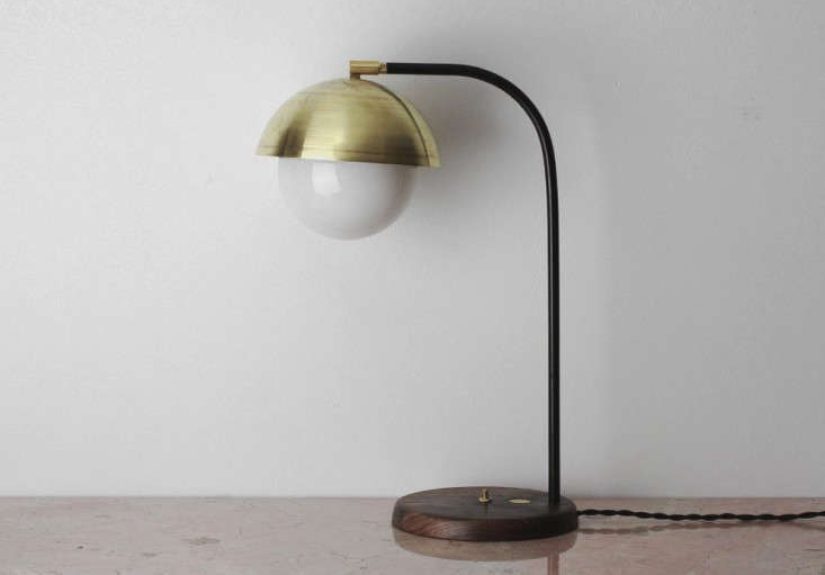
Relying on one ceiling light is the interior-design equivalent of using your phone’s flashlight for mood lightingtechnically it works, but nobody’s impressed. Elegant living rooms use layered lighting: ambient (overhead), task (reading lamps), and accent (sconces, picture lights, candles).
Combine a statement chandelier with floor lamps, table lamps, and maybe a wall sconce or two. Use dimmers wherever possible so you can shift from “daytime functional” to “cozy movie night” with one dial.
6. Choose a Cohesive Color Palette
Color is one of the fastest ways to move your living room from chaotic to chic. Start with 2–3 main colors plus 1–2 accent tones. Many designers rely on a foundation of warm neutralscreamy whites, soft beiges, or greigethen layer in muted blues, greens, or mauves for depth and interest.
Keep big-ticket items like sofas and rugs relatively timeless, then play with bolder hues in throw pillows, artwork, and accessories. That way, when you inevitably fall in love with a new trend, you can update the room without selling your furniture on marketplace at midnight.
7. Add Texture for Instant Luxury
If your living room feels flat, you probably don’t need more coloryou need more texture. Layer smooth leather with chunky knits, linen with velvet, woven baskets with sleek metal. Texture catches the light differently, making the room feel richer and more interesting.
Think beyond textiles: a stone fireplace, wood beams, slatted wall panels, or a jute rug can add depth and sophistication without shouting for attention.
8. Curate, Don’t Clutter
There’s a fine line between “collected” and “why are there 37 candles on this console table?” Elegant living rooms show personality, but they edit ruthlessly. Display a few meaningful piecestravel souvenirs, framed photos, a sculptural vaseinstead of covering every surface with decor.
Use trays to corral small items, keep surfaces at least 30–40% empty, and rotate accessories seasonally. Your room will feel calmer, and each item you keep out will actually get noticed.
9. Treat the Walls Thoughtfully
Bare walls can feel stark, but randomly scattered tiny frames don’t help either. For elegant living rooms, designers often use one large artwork, a structured gallery wall, or architectural detail like paneling or picture-frame molding to fill vertical space.
If you have tall ceilings, avoid hanging art too highkeep the center of the artwork roughly at eye level so it feels connected to the furniture, not floating above it like a lost balloon.
10. Invest in Seating That Fits Your Lifestyle
A beautiful living room that’s uncomfortable is just a museum with better snacks. Choose seating based on how you live: a deep sectional for lounging, a pair of armchairs for conversations, or a loveseat and two accent chairs for flexible layouts.
Don’t be afraid to mix stylesa classic roll-arm sofa with modern side chairs, for examplebut keep fabrics and colors in the same general family so the room feels cohesive.
11. Float the Furniture Off the Walls
Unless your living room is the size of a shoebox, don’t push all the furniture against the walls. Pulling the sofa and chairs inward to create a central conversation area makes the room feel intentional and intimate.
Use a console table behind the sofa or a large area rug to define the zone. This works especially well in open-concept spaces, where you need visual boundaries without building actual walls.
12. Make It Cozy (Without Losing Polish)
Elegance and coziness are not enemies. In fact, the most beautiful living rooms manage to feel sophisticated and deeply comfortable at the same time. Designers recommend using layers of soft textiles (throws, pillows, curtains) and warm lighting while keeping the overall palette calm and cohesive.
Think: structured sofa, but plush cushions. Tailored drapes, but in a soft, touchable fabric. A clean-lined coffee table styled with a candle, a stack of books, and a small plantthe decor version of “relaxed but still put together.”
13. Mix High, Low, Old, and New
The most elegant living rooms rarely come from one store. They’re built over time with a mix of investment pieces, budget finds, and maybe one quirky lamp from a thrift shop that everyone asks about. Designers often recommend an 80/20 mix: about 80% classic, timeless pieces and 20% trendier or bolder accents.
Splurge where it countslike a quality sofa or a durable rugand save on side tables, pillows, and accessories. This creates a layered, personal look instead of a “furniture catalog starter pack.”
14. Respect Natural Light (and Fake It if You Must)
Natural light is the ultimate beauty filter for your living room. Keep window treatments light and airy where privacy allows, and avoid blocking windows with bulky furniture. Use mirrors to bounce light around, especially opposite windows or lamps.
If your room is low on sunlight, lean into warm-toned bulbs, layered lighting, and a lighter color palette so the space still feels open and inviting.
15. Add the Small Details That Make It Feel Finished
Ever wonder why designer living rooms look so “done”? It’s the details: the right scale of coffee table books, a pretty bowl for remotes, coordinated frames on the gallery wall, plants that add a bit of life.
Keep a simple checklist: greenery (real or faux), a couple of books, something sculptural, something soft, and a bit of shine (metal or glass). Sprinkle those elements around the room and suddenly it feels styled, not staged.
Bringing It All Together
Design elegance isn’t about perfection. Your living room can have kids’ toys, pet beds, and snack crumbs and still look beautiful. The goal is to create a space that feels cohesive, balanced, and welcomingwhere the layout makes sense, the lighting is flattering, and the details show that someone cared.
Start with one or two of these tips: maybe upgrading your lighting and getting the right rug. Then move on to art, color, and texture. Over time, your living room will evolve into a polished, comfortable space that works for real lifeand still looks like it belongs in a Remodelaholic inspiration post.
Real-Life Experiences: What Actually Works in Everyday Living Rooms
Advice is great, but nothing beats the lessons you learn after living with your design choices for a while. Here are some real-world takeaways and experiences that often separate “pretty for a week” rooms from spaces that stay beautiful year after year.
1. The Sofa Is the MVPChoose Wisely
Ask anyone who has owned a sagging couch: a cheap, uncomfortable sofa will ruin even the most stylish living room. Many homeowners report that once they upgraded to a quality, supportive sofa in a neutral color, everything else in the room suddenly looked better. The sofa sets the toneboth visually and physicallyfor how people use the space.
One common experience: people regret buying super-trendy colors or shapes for big pieces. That emerald-green curved velvet sofa might look amazing on Instagram, but in daily life, it can be hard to style and even harder to resell. Choosing a timeless silhouette and neutral upholstery gives you way more flexibility to play with pillows, throws, and art.
2. Storage Saves Your Sanity (and Your Style)
Elegant living rooms tend to have one secret: hidden storage. People who live comfortably in well-designed spaces often swear by closed cabinets, storage ottomans, and baskets that can swallow toys, cables, and random clutter in 30 seconds flat.
Over time, the difference shows. Rooms without storage slowly accumulate pilesmail on the coffee table, games stacked by the TV, blankets tossed on chairs. Rooms with intentional storage stay visually calm, even when life gets busy. If your living room always looks messy, you might not need more discipline; you might need more cabinets.
3. Lighting Changes Everything at Night
Many people design their living rooms during the day and forget to check how the space feels after sunset. Later, they realize the room looks harsh or gloomy at night. A common “aha” moment is discovering how much difference a couple of warm table lamps or a dimmer switch can make.
Real-world feedback is almost universal: the moment layered lighting goes in, the room suddenly feels more inviting. Movie nights are cozier, reading corners actually work, and guests compliment the atmosphereeven if nothing else has changed.
4. Personal Items Beat Perfect Styling
Some of the most elegant living rooms are not the most perfect; they’re the most personal. Homeowners often mention that the items they love mosta framed travel photo, Grandma’s side table, a painting from a local artistare what make the room feel special.
Interestingly, many people share that once they start adding meaningful objects, they stop obsessing about every little styling rule. The room feels lived in and authentic, and visitors sense that immediately. Design becomes less about impressing others and more about telling your story.
5. Flexibility Is the Real Luxury
Life changes. Kids grow, hobbies shift, and that “temporary” work-from-home setup sticks around for years. People who are happiest with their living rooms long-term tend to choose flexible furniture and layouts. Lightweight accent chairs, modular sofas, and nesting tables can be rearranged as needed without a full redesign.
Many homeowners discover that the most successful living rooms are the ones that can easily flip from solo coffee mornings to family movie marathons to holiday gatherings. Versatile pieceslike stools that act as side tables, ottomans that store blankets, or benches that slide under consolesquietly support all those different roles.
6. Progress Over Perfection
Finally, one of the most reassuring experiences people share: their favorite living rooms didn’t come together in a weekend. They evolved. A new lamp here, a better rug there, a swapped-out coffee table after realizing the old one bruised too many shins.
Thinking of your living room as a work in progress takes the pressure off and usually leads to better results. Instead of rushing to “finish” it, you can make thoughtful changes, learn what really works for you, and let the room grow with your life. That, more than any one trend or piece of furniture, is the real secret to long-lasting design elegance.