Table of Contents >> Show >> Hide
- What Is Gynecomastia?
- Common Symptoms of Gynecomastia
- Gynecomastia vs. Chest Fat: How to Tell the Difference
- What Causes Gynecomastia?
- How Doctors Diagnose Gynecomastia
- Treatment Options for Gynecomastia
- Can Exercise Fix Gynecomastia?
- Living With Gynecomastia: Confidence Matters Too
- Practical Experiences: What Detecting Gynecomastia Can Feel Like
- When to See a Doctor
- Conclusion
Gynecomastia is one of those health topics that can make people suddenly fascinated by oversized hoodies, beach cover-ups, and strategic arm-crossing. But behind the awkwardness is a real, common, and usually treatable condition: enlargement of male breast gland tissue. It can happen to newborns, teenagers, adult men, and older men. In other words, gynecomastia does not check your calendar before showing up.
The good news? In many cases, gynecomastia is benign and may improve on its own. The even better news? Detecting gynecomastia early can help you understand whether you are dealing with normal hormonal changes, medication side effects, excess chest fat, or a condition that needs medical attention. This guide explains the symptoms, causes, diagnosis, treatment options, and real-world experiences related to gynecomastia in plain American Englishwith just enough humor to make the topic less stiff than a paper gown at the doctor’s office.
What Is Gynecomastia?
Gynecomastia is an increase in glandular breast tissue in males. It is not the same as simply having extra fat on the chest. That fat-related appearance is often called pseudogynecomastia, which means the chest looks enlarged because of fatty tissue rather than true gland growth.
True gynecomastia usually feels like a firm, rubbery, or disk-like area under the nipple or areola. It may appear on one side or both sides, and one side may look larger than the other. While the condition can feel alarming, especially if it appears suddenly, most cases are not cancer. Still, any new lump, nipple discharge, skin dimpling, or one-sided hard mass should be checked by a healthcare professional.
Common Symptoms of Gynecomastia
Detecting gynecomastia starts with noticing changes in the chest. Some symptoms are obvious; others are subtle enough that people ignore them until a fitted T-shirt becomes their sworn enemy.
Physical Signs to Watch For
The most common symptoms of gynecomastia include swollen breast tissue, tenderness, soreness, nipple sensitivity, and a firm area beneath the nipple. Some people describe the feeling as a small button, disk, or mound under the areola. The area may feel tender when pressed or when clothing rubs against it.
Gynecomastia can affect one breast or both. It may develop gradually or seem to appear quickly. In teenagers, breast tenderness can be especially noticeable during puberty. In adults, the enlargement may be painless but emotionally frustrating.
When Symptoms Need Prompt Attention
Most gynecomastia is not dangerous, but certain symptoms deserve medical evaluation. See a doctor if you notice a hard or fixed lump, bloody nipple discharge, nipple retraction, skin dimpling, redness, swelling, enlarged lymph nodes under the arm, unexplained weight loss, or rapid growth on one side. These signs do not automatically mean cancer, but they are not symptoms to “wait out” with wishful thinking and a baggy sweatshirt.
Gynecomastia vs. Chest Fat: How to Tell the Difference
One of the biggest questions people ask is: “Is this gynecomastia or just fat?” It is a fair question, and the answer is not always obvious from the mirror alone.
With pseudogynecomastia, the chest enlargement is mostly soft and spread across the chest. It often occurs with overall weight gain and may improve with fat loss. True gynecomastia tends to involve a firmer, more concentrated gland-like area beneath the nipple. It may remain even after weight loss because glandular tissue does not disappear the way fat can.
A simple self-check can help, but it cannot replace a medical exam. Standing or lying down, gently feel around the nipple and areola. If there is a firm, rubbery disk under the nipple, that may suggest gynecomastia. If the tissue feels soft and evenly distributed, fat may be playing a bigger role. Of course, bodies love exceptions, so a clinician can help confirm what is actually happening.
What Causes Gynecomastia?
Gynecomastia usually develops when the balance between estrogen and testosterone changes. Males naturally have both hormones, but testosterone usually dominates. When estrogen activity becomes relatively higher, breast gland tissue may grow.
Puberty and Natural Hormonal Changes
Puberty is one of the most common times for gynecomastia to appear. During adolescence, hormones can swing around like a bad Wi-Fi signal. Temporary breast tissue enlargement may develop and often improves within months to a few years. For many teens, reassurance and monitoring are all that is needed.
Aging and Lower Testosterone
Gynecomastia also becomes more common as men age. Testosterone levels may decline over time, and body fat may increase. Fat tissue can influence estrogen activity, which may contribute to breast tissue growth. Older adults are also more likely to take medications that can affect hormone balance.
Medications and Substances
Certain medications can contribute to gynecomastia. Examples may include spironolactone, some prostate cancer treatments, anabolic steroids, antiandrogens, certain antidepressants or antipsychotics, some HIV medications, some ulcer medications, and medications that affect testosterone or estrogen pathways. Alcohol, marijuana, and anabolic steroid use may also play a role in some cases.
Never stop a prescribed medication on your own. If you suspect a medicine is causing breast enlargement, talk with your healthcare provider. Sometimes changing the dose or switching to another medication can help, but that decision should be made safely.
Medical Conditions
Gynecomastia can also be linked to health conditions that affect hormones or metabolism. Possible causes include low testosterone, overactive thyroid, liver disease, kidney disease, testicular problems, certain tumors, malnutrition, and genetic conditions. These causes are less common than puberty or medication effects, but they matter because treating the underlying condition may improve the chest changes.
How Doctors Diagnose Gynecomastia
A doctor typically begins with a medical history and physical exam. They may ask when the swelling started, whether it is painful, whether one or both sides are involved, what medications or supplements you take, and whether you use alcohol, marijuana, or anabolic steroids. Yes, the supplement bottle hiding in the gym bag counts.
During the exam, the clinician may check the breast tissue, abdomen, thyroid area, testicles, lymph nodes, height, weight, and general signs of hormonal imbalance. If the cause is obvious and the findings are typical, additional testing may not be needed.
If symptoms are unusual, severe, one-sided, rapidly changing, or associated with other health concerns, testing may include blood work to evaluate hormone levels, liver function, kidney function, thyroid function, and other markers. Imaging such as ultrasound or mammography may be recommended if there is concern about a suspicious mass. In rare cases, a biopsy may be needed to rule out cancer.
Treatment Options for Gynecomastia
Gynecomastia treatment depends on the cause, age, severity, duration, symptoms, and emotional impact. There is no single “best” treatment for everyone. The right approach is more like tailoring a suit than buying one-size-fits-all gym shorts.
Observation and Reassurance
For teenagers and people with mild symptoms, observation may be appropriate. Pubertal gynecomastia often improves naturally. A doctor may recommend follow-up visits to make sure the tissue is not growing rapidly and no concerning signs develop.
Treating the Underlying Cause
If gynecomastia is caused by a medication, substance, or medical condition, addressing that trigger is usually the first step. This may involve changing a medication, treating thyroid disease, managing liver or kidney disease, addressing low testosterone, or stopping anabolic steroid use under medical guidance.
Medication
In selected cases, doctors may consider medication, especially when gynecomastia is painful, recent, or emotionally distressing. Some treatments work by influencing estrogen activity. These medications are not always officially approved specifically for gynecomastia, so they should be used only under medical supervision. Timing matters: medication tends to work better before tissue becomes long-standing and fibrous.
Surgery
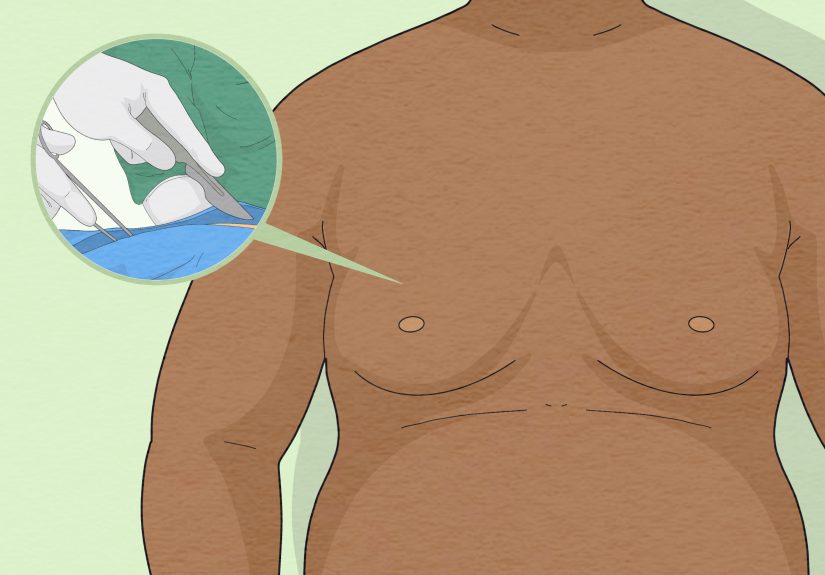
For persistent gynecomastia that causes discomfort, embarrassment, or does not improve with other approaches, surgery may be an option. Male breast reduction surgery can remove glandular tissue, fat, or both. Techniques may include liposuction, excision, or a combination. Surgery is often considered when gynecomastia has been stable for a while, when puberty is complete in adolescents, or when the physical and emotional burden is significant.
Can Exercise Fix Gynecomastia?
Exercise can improve chest shape, posture, and overall body composition. Strength training may build the pectoral muscles, while cardio and nutrition can reduce body fat. If chest fullness is mostly fat, lifestyle changes may help a lot.
However, exercise cannot directly remove glandular breast tissue. Doing 300 push-ups a day may give you impressive triceps and a complicated relationship with the floor, but it will not magically dissolve gland tissue. That does not mean fitness is useless. It simply means expectations should be realistic.
Living With Gynecomastia: Confidence Matters Too
Gynecomastia is not only a physical condition. It can affect confidence, clothing choices, dating, sports, swimming, and social comfort. Some people avoid taking off their shirt, skip pool parties, or wear layers in Julywhich, frankly, should qualify as an endurance sport.
The emotional side deserves attention. If gynecomastia is affecting your daily life, talk with a healthcare provider. You are not being vain. Comfort in your own body is a real part of health. Supportive clothing, honest conversations, counseling, medical treatment, or surgery may all play a role depending on the situation.
Practical Experiences: What Detecting Gynecomastia Can Feel Like
Many people first notice gynecomastia in a very ordinary moment. Maybe a shirt suddenly fits differently. Maybe a teenager feels soreness under one nipple after sports practice. Maybe an adult loses weight everywhere except the chest and thinks, “Excuse me, why did the rest of the body get the memo but not this area?” These experiences can be confusing because gynecomastia does not always arrive with a dramatic announcement.
One common experience is the “mirror check loop.” A person notices chest swelling, checks the mirror, checks again under different lighting, tries on three shirts, and then Googles symptoms until every search result seems both reassuring and terrifying. This is normal, but it can create anxiety. A better approach is to write down when the change started, whether there is pain, whether the lump is on one or both sides, and whether any medication or supplement changed recently. Bringing those details to a doctor is far more useful than spiraling through late-night search results.
Teenagers often experience a different kind of stress. Puberty already comes with voice changes, acne, height changes, and social pressure. Adding breast tenderness or swelling can feel humiliating. Many teens hide it rather than mention it. Parents should avoid teasing or dramatic reactions. A calm explanation“This can happen during puberty, and we can ask a doctor if it bothers you”can make a huge difference.
Adults may experience frustration after weight loss. Someone might lose 30 pounds, improve their fitness, and still see fullness around the nipples. That can feel unfair, like the body kept one annoying souvenir from the old weight. In these cases, distinguishing fat from glandular tissue is important. A medical exam can clarify whether continued lifestyle changes may help or whether the remaining tissue is true gynecomastia.
People taking certain medications may notice tenderness or gradual enlargement and not connect it to their prescription. This is why a medication review matters. Blood pressure medicines, hormone-related therapies, prostate treatments, and some psychiatric medications can be part of the story. The goal is not to blame the medicine but to understand the whole picture. Sometimes the original medication is still the best choice; sometimes there are alternatives.
Another real-life experience is embarrassment during medical appointments. Some people delay care because they worry the doctor will dismiss them or judge them. A good clinician will treat the concern professionally. Gynecomastia is common, medically recognized, and worth discussing. You do not need to walk in with a perfect explanation. Saying, “I noticed breast swelling and I want to know what it is,” is enough.
For those who choose surgery, the experience is often less about vanity and more about relief. People may want to wear fitted shirts, swim comfortably, exercise without chest tenderness, or simply stop thinking about their chest every morning. Surgery is not necessary for everyone, but for selected people, it can improve quality of life. The key is proper evaluation, realistic expectations, and choosing a qualified surgeon.
When to See a Doctor
Make an appointment if breast tissue enlargement is new, painful, rapidly growing, one-sided, or emotionally distressing. Seek prompt evaluation if you notice nipple discharge, skin changes, a hard fixed lump, swelling under the arm, or unexplained systemic symptoms. Even when the cause is benign, getting an answer can replace panic with a plan.
Conclusion
Detecting gynecomastia begins with paying attention to changes in the chest: swelling, tenderness, nipple sensitivity, or a firm disk-like area beneath the nipple. The condition is often caused by hormonal shifts during puberty, aging, medications, substances, or underlying medical issues. In many cases, gynecomastia is harmless and may improve without treatment. In other cases, addressing the cause, using medication, or considering surgery may be appropriate.
The most important takeaway is simple: do not panic, but do not ignore unusual symptoms either. Gynecomastia is common, treatable, and far less mysterious once properly evaluated. Your chest does not need to become a private detective case. A healthcare professional can help identify what is going on and guide you toward the right next step.