Table of Contents >> Show >> Hide
- The Truth: Serena Williams Confirmed She Used a GLP-1 Medication
- Why Her Transformation Sparked So Much Buzz
- Serena’s Postpartum Journey Was Not a Quick Fix Story
- Why the Word “Ozempic” Keeps Showing Up Anyway
- What Serena Actually Wanted People to Understand
- What GLP-1 Medications Doand What They Do Not Do
- Why Her Reveal Hits Differently Than Celebrity Gossip
- So, Did Serena Williams Use Ozempic?
- Related Experiences: Why Serena’s Story Feels So Familiar to So Many Women
- Conclusion
Note: The word “Ozempic” appears in this headline because it is the term many readers search for. But Serena Williams’ own public comments make the story a little more specific: she confirmed using a GLP-1 weight-loss medication, and in some interviews she identified it as Zepbound.
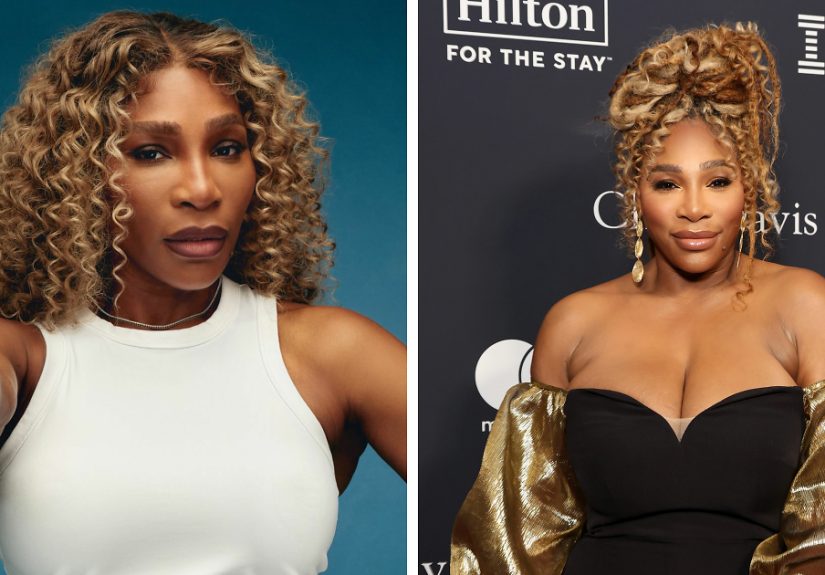
When Serena Williams changes anything, the internet reacts like it just spotted a comet wearing designer sneakers. So when recent photos showed the tennis legend looking leaner, stronger, and noticeably different, the rumor mill did what it always does: it skipped the warm-up and sprinted straight to one questiondid Serena Williams use Ozempic?
The short answer is: sort of, but not exactly.
Serena did publicly confirm that she used a GLP-1 medication to help with postpartum weight loss after years of frustration with her body not responding the way it once had. That means the “she finally admitted it” part is real. The “Ozempic” part is where things get sloppy. In her more detailed interviews, Serena said she was using Zepbound, not Ozempic by name. That distinction matters because people often use “Ozempic” as a catchall term for every injectable weight-loss medication on Earth, which is a bit like calling every tissue a Kleenex or every tennis racket a Serena special.
What makes Serena’s story interesting is not just the medication itself. It is the bigger conversation around motherhood, body scrutiny, elite athleticism, aging, stigma, and the weird public expectation that famous women should somehow “bounce back” while smiling like they slept eight hours and drank a gallon of cucumber water. Serena’s reveal cuts through that fantasy and replaces it with something far more useful: honesty.
The Truth: Serena Williams Confirmed She Used a GLP-1 Medication
After months of speculation about her transformation, Serena spoke openly in interviews about using a GLP-1 medication as part of her health journey. She explained that after having her children, especially after her second pregnancy, she worked out hard, ate well, trained consistently, and still could not get her body to respond the way it used to. For someone whose career was built on discipline, repetition, and world-class conditioning, that disconnect was deeply frustrating.
Instead of pretending it was all green juice and “just being mindful,” Serena did something refreshingly rare in celebrity culture: she told the truth. She said she researched weight-loss medications, considered the stigma around them, and ultimately decided to try one with medical guidance. In the more precise versions of her story, she identified the medication as Zepbound. So if the headline question is “Did Serena Williams use Ozempic?” the cleanest answer is this: she used a GLP-1 medication, but not necessarily Ozempic specifically.
That may sound like splitting hairs, but it is actually a big deal. Ozempic is one brand name tied to semaglutide and is widely known because of its diabetes indication and off-label fame. Zepbound is tirzepatide, a different medication approved for chronic weight management in qualifying adults. To the public, they often get tossed into the same conversational blender. To doctors and patients, they are not identical.
Why Her Transformation Sparked So Much Buzz
Part of the reason Serena’s dramatic transformation triggered such intense chatter is simple: people have been talking about her body for most of her adult life. During her tennis career, she was praised, criticized, analyzed, and flat-out policed for being muscular, curvy, powerful, feminine, too strong, not conventional enough, and then somehow also too glamorous. In other words, the internet has never exactly been subtle.
That history matters. Serena’s body has always been treated like public property, even though it is the body that won 23 Grand Slam singles titles, four Olympic gold medals, and changed the visual definition of dominance in women’s sports. So when her post-pregnancy body looked different, people noticed. When she looked slimmer again, they noticed even more. And because the current cultural obsession with GLP-1 drugs is already turned up to full volume, speculation arrived right on schedule.
But Serena’s explanation was less tabloid and more human. She was not chasing an unrealistic beauty standard or pretending motherhood comes with a magical reset button. She was trying to feel healthy, reduce strain on her joints, and get back to a version of herself that felt physically comfortable. That is a much more grounded story than the usual celebrity body mystery package.
Serena’s Postpartum Journey Was Not a Quick Fix Story
One of the most important pieces of context here is that Serena had been documenting her fitness journey long before she publicly discussed GLP-1 medication. In 2024, she openly shared her goal of fitting back into a Valentino denim skirt she bought while pregnant. The skirt became a relatable little symbol of postpartum reality: hopeful, funny, slightly stubborn, and very human. Over time, she posted updates showing progress, setbacks, and her sense of humor about the whole thing.
That matters because it shows her transformation did not appear out of nowhere. It was part of a long, visible process. She was in the gym. She was training. She was posting workouts. She was talking about body confidence, discomfort, and the physical changes that came with having children. By the end of 2024, she finally fit into the skirt, turning a personal goal into a public little victory lap.
Then, in 2025, she added the missing chapter: despite all that work, the scale and her body composition had remained unusually resistant for a long time. That was the truth behind the transformation. The medication was not the whole story. It was the part of the story she had not explained yet.
Why the Word “Ozempic” Keeps Showing Up Anyway
If Serena said GLP-1 or Zepbound, why does every headline scream Ozempic? Because “Ozempic” has become the pop-culture shortcut for the entire category. It is the Kleenex problem all over again, except with a lot more TikTok opinions and a lot fewer tissues.
GLP-1 medications work by mimicking hormones involved in appetite, digestion, and blood sugar regulation. Some are approved for type 2 diabetes, some for chronic weight management, and some are used in overlapping conversations depending on patient needs and prescribing context. That is why accurate language matters. Saying Serena used “Ozempic” may attract search traffic, but it glosses over what she actually said.
For readers who want the clean breakdown: Serena publicly said she used a GLP-1 medication, and interviews in major outlets identified that medication as Zepbound. So the truthful framing is not “mystery solved, it was definitely Ozempic.” It is “Serena confirmed using a medically supervised GLP-1 medication, and the reporting points to Zepbound.”
What Serena Actually Wanted People to Understand
Serena’s comments were not framed as a sales pitch for easy weight loss. In fact, she pushed back directly on the idea that medication equals laziness or lack of effort. Her point was almost the opposite: if someone with her training history, discipline, and athletic background still needed support, maybe it is time to retire the simplistic “just eat less and move more” lecture people love to hand out like free samples at a warehouse club.
She also tied her decision to motherhood. As the mother of two daughters, Serena said she wanted to be honest about what she was doing. That transparency is a major part of why her reveal resonated. She was not saying every woman should do what she did. She was saying women deserve truthful, shame-free conversations about their health options.
That message lands because postpartum body changes can be stubborn, emotional, and wildly different from person to person. Some people lose weight quickly. Others plateau. Some feel strong but not comfortable. Some feel pressured by images of “snap back” culture that have all the realism of a movie car chase. Serena’s story reflects the messier, more believable version.
What GLP-1 Medications Doand What They Do Not Do
There is a reason GLP-1 medications have become such a major topic in American health coverage. They are not magic, but they are powerful tools. These medications are used under medical supervision to support blood sugar control and, in certain approved cases, chronic weight management. They can affect appetite, feelings of fullness, and how the body handles food. In plain English: they can help, but they are not a substitute for a functioning human life.
That last part is important. Reliable medical guidance still emphasizes that these medications are meant to work alongside lifestyle changes, not instead of them. They also come with real considerations, including side effects, cost, adherence challenges, and the need for legitimate prescribing and follow-up. The Food and Drug Administration has also warned consumers to avoid unapproved, illegally marketed versions of GLP-1 drugs. So no, this is not the moment to buy mystery injections from a sketchy website that looks like it was built during a power outage.
In Serena’s case, that medical context actually reinforces her credibility. She described doing research, asking questions, and using clinical support. Her story was not “I found a miracle hack.” It was “I hit a wall, explored my options, and chose a treatment that helped.”
Why Her Reveal Hits Differently Than Celebrity Gossip
Celebrity transformation stories usually come packaged in one of two annoying flavors: impossible perfection or fake relatability. Serena’s reveal dodged both. She did not pretend she changed overnight, and she did not pretend the answer was a cute morning routine with lemon water and determination. She also did not throw body positivity out the window.
In multiple interviews, Serena made it clear that losing weight did not suddenly make her worthy. She has spoken about loving herself at different sizes and about how women get judged no matter what. That perspective gives her transformation story more depth than a basic before-and-after headline. It becomes less about shrinking and more about comfort, mobility, confidence, and agency.
That is also why the public response was split. Some people appreciated the transparency. Others felt uneasy about another famous woman publicly linked to a weight-loss drug. But discomfort and dishonesty are not the same thing. Serena choosing openness does not solve the whole cultural debate around these medications. It simply makes the conversation more accurate.
So, Did Serena Williams Use Ozempic?
Here is the verdict, with the rumor removed and the facts left standing:
Serena Williams confirmed that she used a GLP-1 medication to support weight loss after postpartum struggles. Public interviews indicate that medication was Zepbound, not Ozempic specifically.
That means the headline question has a “yes, but be precise” answer. She did use the class of medication people often lump under the Ozempic umbrella. But if accuracy mattersand it shouldthen the better wording is that Serena revealed using a GLP-1 treatment, and named Zepbound in interviews.
The bigger truth behind her dramatic transformation is not that she found some secret shortcut. It is that even one of the greatest athletes in history can run into biological roadblocks, postpartum changes, and body-image noise that effort alone does not always solve. Her reveal does not make the story less impressive. It makes it more real.
Related Experiences: Why Serena’s Story Feels So Familiar to So Many Women
One reason this story landed so hard is that it mirrors experiences a lot of women already know by heart. You do the workouts. You clean up your diet. You walk more. You drink more water. You cut back on the snacks that wink at you from the pantry like tiny crunchy villains. And still, your body seems to reply with a firm, mysterious, “Absolutely not.” Serena described that same disconnect, and that may be the most relatable part of the whole reveal.
Postpartum life, in particular, can change the rules. Hormones shift. Sleep gets wrecked. Stress rises. Routines fall apart. Even women who were highly active before pregnancy can find themselves in an unfamiliar body, dealing with plateaus, discomfort, or slower recovery. Serena’s story has extra star power, but the emotional shape of it is not unusual. The frustration of saying, “I am tryingwhy is this not working?” is something many mothers understand immediately.
There is also the issue of stigma. Plenty of people still talk about GLP-1 drugs as if using medical support is somehow cheating. But that attitude often ignores what doctors and health systems now recognize more openly: obesity and weight regulation are not just about willpower. Biology, hormones, metabolic response, medication access, and long-term follow-up all play a role. That is why so many patients who start these drugs still need support, nutrition guidance, exercise habits, and regular medical care to stay on track.
Another experience tied to this topic is the feeling of being judged from every direction. Stay the same, and people comment. Lose weight, and people comment harder. Do it with medication, and suddenly half the internet acts like it deserves your pharmacy records. Serena has lived under that spotlight for decades, but regular women face their own smaller versions of it every dayin workplaces, families, mom groups, gyms, and social media feeds packed with suspiciously cheerful “transformation” posts.
Then there is the practical side that often gets ignored in celebrity headlines: these medications are not equally easy for everyone to access or continue. Cost, side effects, insurance coverage, and lack of follow-up can all get in the way. That is one reason Serena’s emphasis on medical supervision matters. Her reveal was not just about results. It was about support, informed choices, and the reality that health journeys are rarely neat little movie montages.
In the end, Serena’s story feels bigger than one drug name. It is about what happens when effort alone stops being enough, and someone decides to talk honestly about the next step. That honesty is probably why the story keeps traveling. Not because people love gossipthey dobut because underneath the celebrity angle is a much more familiar question: what do you do when your body changes, your old playbook stops working, and you still want to feel like yourself again?
Conclusion
Serena Williams did not owe the public a medical confession, but once she chose to speak, she shifted the conversation from rumor to reality. The truth behind her dramatic transformation is not a lazy shortcut or a tabloid gotcha. It is a medically supervised health decision made after pregnancy, plateaus, frustration, and a lot of work that readers had already watched her put in.
So, did Serena Williams use Ozempic? Not in the neat, headline-friendly way the internet likes to suggest. What she actually revealed is more specific and more meaningful: she used a GLP-1 medication, identified in key interviews as Zepbound, to support a body that was no longer responding to effort alone. In celebrity terms, that is a reveal. In real life, it is something even more valuablean honest one.