Table of Contents >> Show >> Hide
- What exactly is a double chin?
- Causes of a double chin
- 1) Fat distribution (yes, weight can be part of itbut not the whole story)
- 2) Genetics (your jawline may have a family plan)
- 3) Aging and skin laxity (collagen doesn’t ghost you, it slowly moves out)
- 4) Posture (the “tech neck” effect and the selfie angle conspiracy)
- 5) Not-a-double-chin look-alikes (when it’s worth a medical check)
- How to get rid of a double chin: treatment options that actually help
- Choosing the right approach: a practical cheat sheet
- What to expect: downtime, timelines, and realism
- How to keep results looking good
- Experiences people commonly report (the “what it felt like” section)
- Experience #1: “I didn’t notice it until Zoom… and then I couldn’t unsee it.”
- Experience #2: The “Kybella week” (a.k.a. swelling that has main-character energy)
- Experience #3: CoolSculpting patience (because biology refuses to rush)
- Experience #4: Surgical routes (the “bigger step, bigger change” decision)
- Conclusion
The double chin (a.k.a. the “Why does my selfie camera hate me?” area) is one of the most common cosmetic complaints for a reason:
it’s rarely just “extra weight.” In medical-speak, it’s often called submental fullnessa mix of under-chin fat,
looser skin, and sometimes a little muscle slack. The result: a softer jawline that shows up exactly when you don’t want it toon Zoom,
in wedding photos, and in that one overhead lighting at Target that should be illegal.
The good news: you have options. And not all of them involve hiding behind scarves like a mysterious novelist. In this guide, we’ll break down
the real causes of a double chin and the treatments that actually make a differencefrom lifestyle strategies and posture tweaks to in-office
procedures like Kybella and CoolSculpting, plus surgical options for the “I want a faster, more dramatic change” crowd.
What exactly is a double chin?
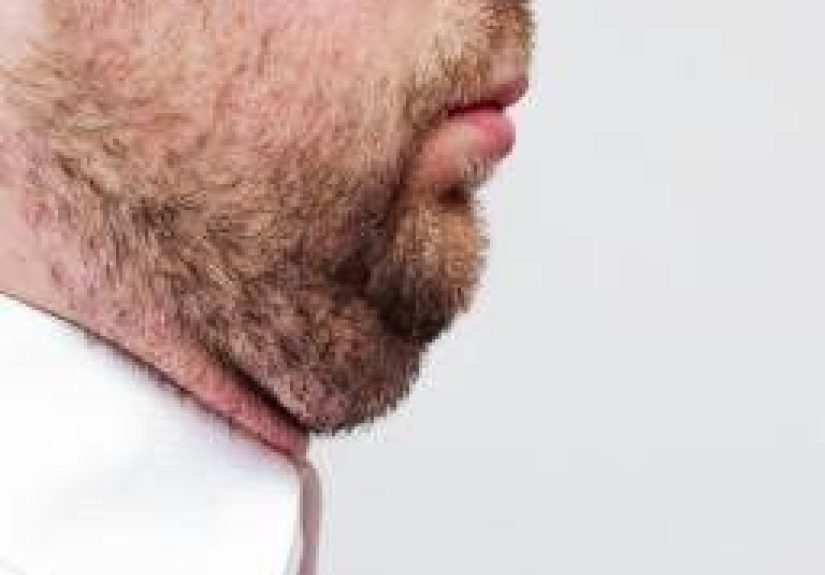
A “double chin” usually refers to fullness under the chin (the submental area). It can be caused by:
- Submental fat (a small pocket of fat under the chin)
- Skin laxity (skin that’s less tight and elastic)
- Muscle changes in the neck (especially the platysma muscle)
- Structural factors like a smaller or recessed chin that makes under-chin fullness look more prominent
Translation: you can be at a stable weight and still have a double chin. Your genetics can “assign” fat to that area the way some people
get freckles and others get the ability to eat spicy food without crying.
Causes of a double chin
1) Fat distribution (yes, weight can be part of itbut not the whole story)
When body fat increases, some people store more of it under the chin. But even at lower weights, you can still have a noticeable pocket of
submental fatbecause fat distribution is partly genetic. That’s why the “just do more crunches” advice for a double chin is about as helpful
as telling someone to “just be taller.”
2) Genetics (your jawline may have a family plan)
Genetics influence where you store fat, your skin’s natural elasticity, and your bone structure. If your relatives have softer jawlines or
fuller under-chin profiles, you may be more likely to see it toosometimes even in early adulthood.
3) Aging and skin laxity (collagen doesn’t ghost you, it slowly moves out)
As we age, collagen and elastin production decreases and facial fat pads can shift. Skin may sag a bit more around the lower face and neck,
making any submental fullness more noticeable. This is why the double chin can show up even if your weight hasn’t changed.
4) Posture (the “tech neck” effect and the selfie angle conspiracy)
Poor postureespecially a forward head position from looking down at screenscan make the neck and jawline look less defined. Posture doesn’t
magically create fat, but it can absolutely accentuate the appearance of under-chin fullness. Think of it like a bad camera lens:
the face is the same, the presentation is just… rude.
5) Not-a-double-chin look-alikes (when it’s worth a medical check)
Most of the time, a double chin is cosmetic. But occasionally, fullness under the chin can be related to something elselike enlarged lymph nodes,
thyroid enlargement, or a cyst. If the area feels like a distinct lump, is painful, rapidly changing, or comes with other symptoms, get it checked.
A good clinician will also rule out other causes before treating submental fullness.
How to get rid of a double chin: treatment options that actually help
The best treatment depends on what’s causing the look: fat, skin laxity, structure, or a combo.
A solid consultation usually starts with three questions:
- Is the main issue fat, loose skin, or both?
- How much change do you wantand how quickly?
- How much downtime (and budgeting) are you willing to tolerate?
At-home options (good for subtle improvement and prevention)
Overall fat loss and weight stability
If your double chin is tied to overall weight gain, gradual weight loss and long-term maintenance can reduce under-chin fullness. But spot reduction
isn’t a thingyour body doesn’t take “special requests” from a single area. The best approach is consistent nutrition and full-body activity.
Neck and jaw exercises (tone support, not fat erasers)
Targeted exercises can strengthen jaw and neck muscles and may slightly improve the look of the area for some people. Just keep expectations realistic:
exercises support tone, but they don’t directly melt fat. Also, go gentlyoverdoing jaw work can irritate your TMJ. If you have jaw pain or clicking,
choose exercises carefully and consider professional guidance.
Posture upgrades (free, fast, and surprisingly underrated)
Posture is the closest thing to a “hack” you’ll find here. Keeping your head aligned over your shoulders and avoiding prolonged forward-head posture can
improve the way your neck and jawline presentespecially in photos. It won’t replace medical treatment if you have true submental fat or skin laxity,
but it can make your baseline look better with zero needles involved. Your future spine will also send a thank-you note.
In-office, non-surgical treatments (for fat reduction and/or tightening)
Kybella (deoxycholic acid injections): “fat-dissolving,” but make it medical
Kybella is an injectable medication used to improve the appearance of moderate to severe fat under the chin. It works by breaking down
fat cells in the treated area. Once those fat cells are destroyed, they’re gonethough remaining fat cells can still enlarge if weight increases later.
What treatment can look like: sessions are spaced about a month apart, and multiple sessions are common. Side effects often include swelling, bruising,
pain, numbness, and firmness. Rare but important risks include nerve injury (which can affect the smile) and swallowing issuesthis is why technique and
anatomical knowledge matter, and why you want a qualified medical professional doing it.
Who tends to do well: people with a defined pocket of submental fat and reasonably good skin elasticity. If you have significant loose skin or prominent
neck bands, Kybella may not be the best stand-alone choice because removing fat without addressing laxity can sometimes make the skin look looser.
Cryolipolysis (fat freezing): CoolSculpting for the under-chin area
Cryolipolysisoften known by the brand CoolSculptinguses controlled cooling to damage fat cells without surgery. Over time, the body
clears the injured fat cells, and the area gradually looks slimmer. This is a contouring treatment, not a weight-loss method.
Timeline: results are not instant; the body clears damaged fat cells over weeks to a few months. Most people can return to normal activities quickly,
but temporary redness, swelling, bruising, tenderness, and numbness can happen.
Important safety note: a rare complication called paradoxical adipose hyperplasia (PAH) can occur, where the treated area becomes larger
instead of smaller. PAH typically appears weeks to months after treatment and may require surgery to correct. Rare complications can also include nerve
effects when treating under the jawline.
Who tends to do well: people with “pinchable” fat under the chin and realistic expectations about gradual change. It’s not ideal for people with certain
cold sensitivity disorders, and it won’t tighten significantly lax skin on its own.
Radiofrequency (RF) skin tightening: collagen coaching for mild laxity
RF skin tightening uses energy that heats deeper layers of the skin to stimulate collagen and elastin production. It’s often used for
mild to moderate laxity around the lower face and neck, sometimes alongside fat-reduction approaches. Think of it as a “firming” treatment, not a fat
removerthough some devices can also heat the fat layer depending on the technology and indication.
Results are typically gradual and can take months to fully develop. Some people do a series of treatments. Risks are usually mild (temporary redness or
swelling), but burns can occur, especially with inexperienced use or inappropriate devicesso provider selection matters.
RF microneedling: effective for some, but not a DIY hobby
RF microneedling is often marketed for tightening and texture. However, it’s a medical procedure and not risk-free. The FDA has warned about reports of
serious complicationslike burns, scarring, fat loss, disfigurement, and nerve damageespecially when used outside appropriate medical settings or with
inadequate training. If you’re considering this route, choose a licensed provider with specific experience in the devices being used, and avoid at-home
versions for anything beyond very superficial, clearly indicated skincare.
Other energy-based options (heat and light-based devices)
Some body contouring devices use heating (including RF) or light-based energy (like lasers or intense pulsed light) to warm tissue, reduce small bulges,
or temporarily improve skin appearance. The key is whether a specific device is authorized and appropriate for the submental areaand whether your main
issue is fat, skin laxity, or both. The best provider will match the tool to your anatomy instead of forcing your anatomy to match their favorite tool.
Surgical options (for bigger changes, faster and longer-lasting)
Submental (chin/neck) liposuction
Liposuction physically removes fat through small incisions and can produce a more immediate contour change. It’s often a great option when the main issue
is fat and the skin still has good elasticity to “snap back.” If skin laxity is significant, liposuction alone may not deliver the clean jawline you’re
imagining.
Neck lift (platysmaplasty) and lower face procedures
A neck lift (platysmaplasty) addresses excess skin and fat and can involve tightening neck muscles for a smoother profile. This is often
the better fit when your “double chin” is really a combination of lax skin, banding, and fat. Some people combine this with other lower-face procedures
depending on goals and anatomy.
Chin augmentation (implants or fillers) when structure is part of the problem
Sometimes the under-chin area looks fuller because the chin is recessed or lacks projection. In those cases, adding chin support (surgically or with
injectable augmentation) can improve overall balance and make the jawline look sharpereven if you don’t remove much fat.
Choosing the right approach: a practical cheat sheet
If you want a quick “where do I start?” moment:
- Mostly fat + good skin elasticity: liposuction, cryolipolysis, or Kybella may be options.
- Mild laxity + early softening: RF tightening (sometimes paired with fat reduction) can help.
- Significant loose skin or neck banding: a neck lift (with or without lipo) is often the most impactful.
- Recessed chin making fullness look worse: chin augmentation may improve the overall profile.
The smartest move is a consultation with a board-certified dermatologist or plastic surgeon who treats the submental area regularly. The under-chin
region has important nerves and structuresthis is not the place to bargain-hunt your way into regret.
What to expect: downtime, timelines, and realism
Typical timelines
- Exercise/posture: subtle changes in weeks; best as support, not a standalone fix for true fat or laxity.
- Kybella: swelling can be noticeable after sessions; results build over multiple treatments.
- CoolSculpting: gradual results over weeks to a few months; patience required.
- RF tightening: gradual improvements over months as collagen remodeling happens.
- Liposuction/neck lift: more immediate contour change, with swelling that improves over weeks.
Questions worth asking at your consultation
- Is my issue mostly fat, loose skin, or both?
- Which device or product will you use, and why is it appropriate for the submental area?
- How many sessions are typical for someone with my anatomy?
- What are the most common side effectsand the rare but serious risks?
- What does recovery look like for my schedule (work, workouts, events)?
- Do you have before-and-after examples of similar cases?
How to keep results looking good
Once you’ve improved the area, maintenance is mostly about protecting your investment:
- Weight stability: big fluctuations can change the under-chin area again.
- Posture habits: keep the head aligned (your jawline and neck will thank you).
- Skin care: sunscreen and a dermatologist-approved routine support skin quality over time.
- Follow-up care: some tightening treatments need periodic maintenance.
Experiences people commonly report (the “what it felt like” section)
Below are common, real-world experiences people describe when dealing with double chin concerns and treatment choices. Not everyone’s journey is the same,
but these patterns show up a lotbecause humans are beautifully predictable when we’re staring at our own jawlines in the front-facing camera.
Experience #1: “I didn’t notice it until Zoom… and then I couldn’t unsee it.”
Many people say their double chin wasn’t a daily concern until video calls became a lifestyle. Suddenly, the camera angle was low, the lighting was harsh,
and their brain decided: This is now a major life problem. The first wave is usually experimentationraising the laptop, adjusting lighting,
practicing posture, trying a few gentle neck/jaw exercises. And honestly? Those changes can make a surprisingly big difference in how the jawline looks
on screen. For some, that’s enough. For others, it’s the gateway to learning that the under-chin area is more about anatomy than effortand that it’s okay
to want a targeted solution.
Experience #2: The “Kybella week” (a.k.a. swelling that has main-character energy)
People who choose Kybella often report that the treatment itself is manageable, but the swelling afterward can be dramaticsometimes described as a
temporary “bullfrog” phase. It’s not usually painful in a scary way, more like sore-and-puffy with a side of “I’m glad I scheduled this away from
family photos.” The upside is that the swelling generally improves over time, and patients appreciate that results build gradually. A common theme is
learning to plan sessions around life: work presentations, weddings, travel, and anything involving HD cameras. People also report feeling better when
their provider set expectations clearly: multiple sessions may be needed, and the goal is improvement, not a brand-new head.
Experience #3: CoolSculpting patience (because biology refuses to rush)
With fat freezing, one of the most common emotional arcs is: excitement → “Wait, did anything happen?” → sudden realization months later that the profile
looks cleaner. Because results are gradual, people sometimes forget about ituntil they compare photos and notice the under-chin contour looks subtly
sharper. Many describe the procedure as weird-but-tolerable (cold, pressure, numbness), followed by temporary tenderness or numbness. The biggest “lesson
learned” tends to be timeline: if you want a change by a specific date, you plan months ahead. It’s not an overnight miracle; it’s a slow remodel where
your body’s cleanup crew works at its own pace.
Experience #4: Surgical routes (the “bigger step, bigger change” decision)
People who choose liposuction or a neck lift often describe the decision as practical: they wanted a more significant change, they didn’t want multiple
sessions, or they had skin laxity that non-surgical treatments wouldn’t fully address. The early recovery period can include swelling and the feeling of
tightnessplus a sudden deep appreciation for soft foods and comfortable pillows. But many also say they liked the clarity of the outcome: once healing
progressed, the jawline looked more defined in a way that matched their goal. A common theme is that the best experiences came from thorough consultations,
realistic expectations, and choosing experienced surgeonsbecause the under-chin area is small, and small areas demand big skill.
Conclusion
A double chin is usually the result of submental fat, skin laxity, genetics, posture, or some combination of the above. The “right” treatment depends on
what’s driving the look. Lifestyle changes and posture can help (and are always worth doing), but in-office options like Kybella, cryolipolysis, and RF
tightening can target the under-chin area more directly. For significant laxity or when you want a more dramatic, faster contour change, surgical options
like liposuction or a neck lift may be the most effective path. Whatever you choose, prioritize safety, realistic goals, and qualified medical careyour
jawline deserves expertise, not experiments.