Table of Contents >> Show >> Hide
- What Makes a Meal Healthy and Easy?
- Why Easy Healthy Meals Matter
- The Best Ingredients to Keep on Hand
- Seven Easy Healthy Meal Ideas You Can Actually Make
- How to Make Healthy Meals Faster
- Easy Healthy Meals on a Budget
- Healthy Meals for Busy Weeknights
- Common Mistakes That Make “Healthy Eating” Harder
- A Simple 3-Day Easy Healthy Meal Example
- Conclusion
- Real-Life Experiences With Easy Healthy Meals
Healthy eating has a marketing problem. Somewhere along the way, “easy healthy meals” started sounding like code for sad lettuce, dry chicken, and a personality-free life. In reality, healthy meals can be quick, filling, affordable, and actually delicious. You do not need a private chef, a three-hour Sunday prep session, or a refrigerator full of ingredients with names that sound like yoga poses.
The real secret is much less dramatic: keep meals simple, build them around a few nutrient-dense basics, and make peace with repetition that still tastes good. A healthy meal does not have to be perfect. It just needs a solid mix of produce, protein, smart carbs, and satisfying flavor. When you stop chasing “Instagram healthy” and start aiming for “real-life healthy,” dinner gets a whole lot easier.
What Makes a Meal Healthy and Easy?
Let’s define the mission. A healthy meal usually includes vegetables or fruit, a source of protein, fiber-rich carbohydrates, and fats that help with satiety and flavor. An easy meal is one that fits into your real schedule, uses familiar ingredients, and does not leave your kitchen looking like a cooking competition exploded in it.
Put those together and you get a simple formula: produce + protein + smart carbs + flavor. That might look like a grain bowl with roasted vegetables and salmon, a wrap with turkey and avocado, or a bean-and-egg taco topped with salsa. Notice what is missing? Perfection. Gold stars. A moral evaluation of your lunch. Healthy eating is not a spelling bee.
The “Half, Quarter, Quarter” Trick
One of the easiest ways to build a balanced meal is to think visually. Fill about half the plate with vegetables and fruit, one quarter with protein, and one quarter with whole grains or other high-quality carbs. Add a little healthy fat for staying power, like olive oil, nuts, seeds, avocado, or a spoonful of hummus. This approach works whether you are making a chicken rice bowl, a pasta salad, or breakfast for dinner.
Why Easy Healthy Meals Matter
Simple healthy meals are not just a nice Pinterest fantasy. They make it easier to eat consistently well, which is what actually matters. Most people do not struggle because they lack nutrition information. They struggle because it is 6:37 p.m., they are tired, and the path of least resistance is a drive-thru or cereal eaten directly from the box like a raccoon with Wi-Fi.
When healthy meals are easy, you are more likely to cook at home, use whole ingredients more often, and keep portions more reasonable without overthinking every bite. Simple meal-building also helps with budget, reduces food waste, and makes grocery shopping less chaotic. Instead of buying random “healthy” foods and hoping destiny turns them into dinner, you buy ingredients that can be mixed and matched all week.
The Best Ingredients to Keep on Hand
If you want easy healthy meals, your kitchen needs a short list of reliable players. Think of these as your weeknight all-stars, not your fancy backup dancers.
Proteins
Rotisserie chicken, canned tuna or salmon, eggs, Greek yogurt, cottage cheese, tofu, edamame, cooked lentils, canned beans, frozen shrimp, and ground turkey are all fast options. They are high in protein, easy to use, and flexible enough for breakfast, lunch, or dinner.
Carbs That Actually Pull Their Weight
Brown rice, quinoa, oats, whole-grain bread, tortillas, sweet potatoes, whole-wheat pasta, farro, and frozen corn are all helpful staples. These foods bring energy and fiber, especially when you choose minimally processed versions.
Produce That Saves Dinner
Frozen vegetables, bagged salad kits, baby spinach, cherry tomatoes, cucumbers, carrots, bell peppers, berries, bananas, and apples earn their keep. Frozen and pre-cut options are not “cheating.” They are strategy. If a chopped onion saves you from ordering takeout, that onion is a hero.
Flavor Builders
Salsa, lemon juice, garlic, low-sodium broth, pesto, hummus, tahini, olive oil, yogurt-based dressings, herbs, chili flakes, and spice blends can turn a boring bowl into something you want to eat again. Healthy meals fail when they taste like punishment. Seasoning is not optional.
Seven Easy Healthy Meal Ideas You Can Actually Make
1. Grain Bowl Night
Start with brown rice or quinoa. Add roasted or frozen vegetables, a protein like chicken, tofu, or beans, and finish with avocado, lemon-tahini sauce, or salsa. This is the meal equivalent of wearing a good white T-shirt: simple, reliable, and almost always right.
Example: Quinoa, black beans, corn, cherry tomatoes, spinach, avocado, and lime-yogurt dressing.
2. Sheet-Pan Dinner
Put salmon, chicken, or tofu on a sheet pan with broccoli, green beans, carrots, or sweet potatoes. Season well, roast, and call yourself efficient. Cleanup is light, the vegetables caramelize beautifully, and the meal feels much fancier than the effort required.
Example: Salmon fillets with asparagus and baby potatoes tossed in olive oil, garlic, and pepper.
3. Wraps and Pitas
Wraps are wildly underrated. They are portable, fast, and a perfect use for leftovers. Choose a whole-grain wrap or pita, add protein, crunch, greens, and something creamy.
Example: Turkey, hummus, spinach, cucumber, shredded carrots, and avocado in a whole-wheat wrap.
4. Breakfast for Dinner
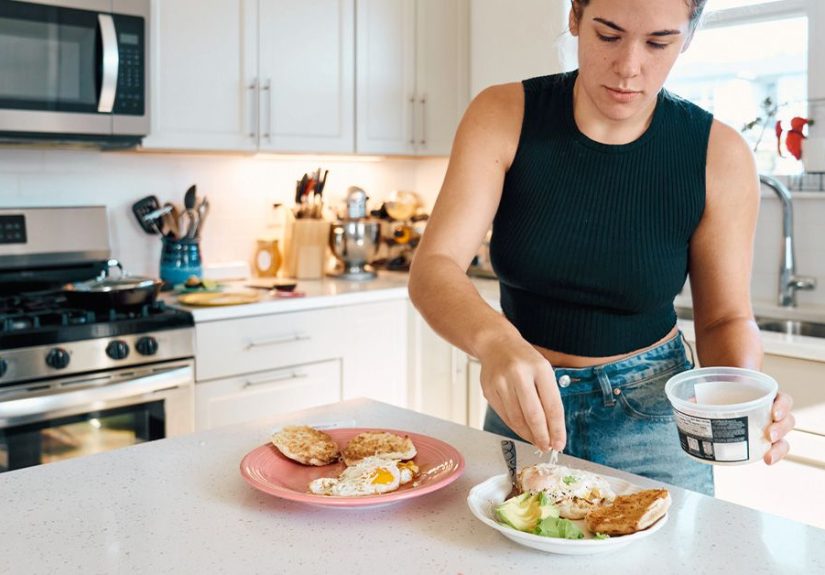
Eggs cook fast, pair well with vegetables, and work with toast, fruit, or potatoes. A veggie omelet, scrambled eggs with spinach, or a frittata with leftovers can rescue even the most chaotic evening.
Example: Spinach and mushroom scramble with whole-grain toast and berries on the side.
5. Soup-and-Something
Soup becomes a healthy meal when you pair it with protein or fiber. Choose a broth-based or bean-based soup and add half a sandwich, a side salad, or toast with cottage cheese.
Example: Lentil soup with a side salad and a slice of whole-grain toast topped with mashed avocado.
6. No-Cook Lunch Plate
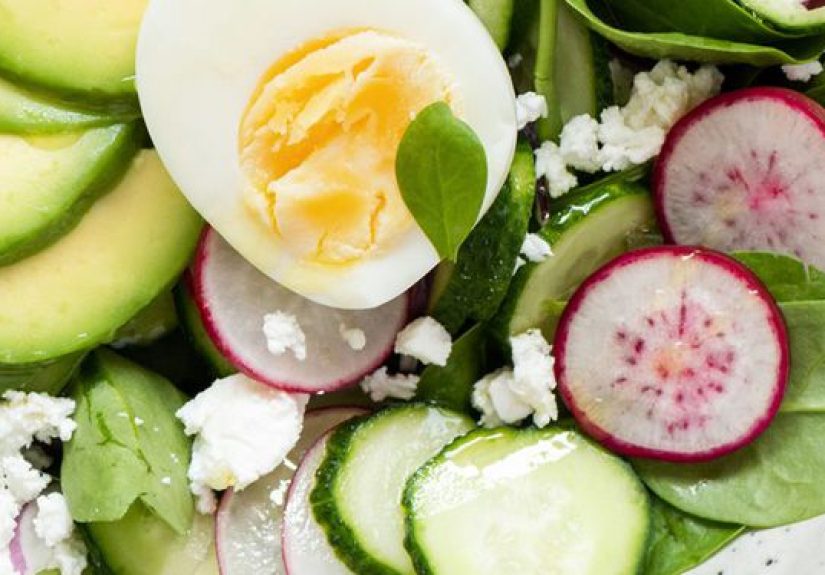
Not every meal needs a stove. A healthy no-cook meal can be built from deli turkey, hard-boiled eggs, hummus, fruit, vegetables, and whole-grain crackers. It is part lunch, part snack board, and fully capable of saving your day.
Example: Hard-boiled eggs, baby carrots, apple slices, whole-grain crackers, hummus, and a handful of nuts.
7. Healthy Pasta That Is Still Pasta
Pasta can absolutely fit into healthy eating when the bowl includes vegetables and protein instead of being an all-carb confetti parade. Use whole-wheat pasta or legume pasta, add greens or roasted vegetables, and include beans, chicken, shrimp, or turkey.
Example: Whole-wheat pasta with white beans, spinach, garlic, olive oil, cherry tomatoes, and Parmesan.
How to Make Healthy Meals Faster
The easiest healthy cooks are not necessarily better cooks. They are usually just better at making small decisions early. A little planning shaves a lot of time off the week.
Cook Once, Eat Twice
Make extra protein, grains, or roasted vegetables and reuse them. Grilled chicken becomes tacos tomorrow. Roasted sweet potatoes turn into a grain bowl at lunch. Rice becomes fried rice with eggs and frozen peas. Leftovers are not boring when they get a costume change.
Use Smart Convenience Foods
Bagged salad, microwaveable brown rice, canned beans, frozen vegetables, and rotisserie chicken can all be part of a healthy pattern. Convenience is not the enemy. The enemy is pretending you have time for homemade everything when you absolutely do not.
Pick Two Breakfasts, Two Lunches, Three Dinners
Instead of inventing a brand-new menu every day, simplify your week. Choose a couple of go-to breakfasts, two easy lunches, and three flexible dinners. Repeat as needed. Decision fatigue is real, and it has definitely eaten chips over the sink.
Easy Healthy Meals on a Budget
Healthy does not have to mean expensive. In fact, some of the most budget-friendly foods are nutritional powerhouses. Beans, oats, eggs, canned tuna, frozen vegetables, brown rice, potatoes, peanut butter, and plain yogurt all offer a lot of value.
Budget-friendly healthy eating works best when you focus on versatile ingredients. A bag of brown rice can support burrito bowls, stir-fries, soups, and breakfast bowls. A carton of eggs can become breakfast sandwiches, veggie scrambles, and fried rice. A can of beans can slide into tacos, soups, salads, and pasta. The goal is not culinary novelty every night. The goal is feeding yourself well without making your wallet file a formal complaint.
Healthy Meals for Busy Weeknights
Weeknight dinners need to do three things: be fast, be filling, and avoid a cleanup catastrophe. That means recipes with fewer ingredients, one pan when possible, and clear structure.
A good busy-night formula is this: choose one protein, one vegetable, one carb, and one sauce. For example, shrimp + broccoli + microwaveable brown rice + bottled peanut sauce. Or chicken sausage + peppers + whole-grain pasta + marinara. Or tofu + edamame + frozen stir-fry vegetables + teriyaki. These are not restaurant meals, but they are balanced, satisfying, and wildly better than pretending a granola bar is dinner.
Common Mistakes That Make “Healthy Eating” Harder
Making Meals Too Small
A healthy meal should keep you full. If lunch is just a sad salad with six chickpeas and a motivational quote, you will be hungry again in 45 minutes. Add protein, fiber, and fat so your meal actually works.
Overcomplicating Everything
If every recipe has 19 ingredients and two sauces, you are building a hobby, not a habit. Healthy eating gets easier when meals are simple enough to repeat.
Ignoring Flavor
People often quit healthy cooking because the food is bland. Use garlic, citrus, herbs, yogurt sauces, salsa, vinegars, spice blends, and good olive oil. Flavor is part of sustainability.
A Simple 3-Day Easy Healthy Meal Example
Day 1
Breakfast: Greek yogurt with berries, oats, and walnuts.
Lunch: Turkey and hummus wrap with cucumber and carrots.
Dinner: Sheet-pan chicken, broccoli, and sweet potatoes.
Day 2
Breakfast: Scrambled eggs with spinach and whole-grain toast.
Lunch: Quinoa bowl with black beans, corn, tomatoes, and avocado.
Dinner: Whole-wheat pasta with white beans, spinach, and roasted zucchini.
Day 3
Breakfast: Overnight oats with banana and peanut butter.
Lunch: No-cook snack plate with hard-boiled eggs, apple, crackers, hummus, and veggies.
Dinner: Salmon, brown rice, and green beans with lemon and olive oil.
Conclusion
Easy healthy meals are not about eating perfectly. They are about making balanced food more convenient than takeout and more satisfying than random snacking. The most effective healthy meal plan is usually the one you can repeat on a tired Tuesday without needing extra motivation, six specialty ingredients, or a pep talk from the universe.
Start with a few dependable ingredients, keep your meal formula simple, and lean on fast techniques like sheet-pan dinners, grain bowls, wraps, soups, and breakfast-for-dinner. Add enough flavor to make the meal worth repeating, and remember that healthy eating is built meal by meal, not in one dramatic kitchen overhaul. Small, practical changes really do add up. And yes, frozen vegetables still count. They always deserved better PR.
Real-Life Experiences With Easy Healthy Meals
One of the most interesting things about easy healthy meals is how quickly they change everyday life once people stop treating them like a short-term challenge. In the beginning, many people assume healthy cooking will feel restrictive, time-consuming, or a little joyless. Then something unexpected happens: the routine gets easier, cravings get less chaotic, and dinner stops feeling like a nightly emergency.
A common experience is the relief that comes from having a few reliable meals on standby. Instead of staring into the refrigerator like it contains the secrets of the universe, people start recognizing patterns that work. They learn that a bowl with rice, roasted vegetables, and chicken is not boring when the sauce changes. They realize eggs are not just breakfast food. They find out a wrap can be a lifesaver on a busy afternoon, and that a bagged salad plus canned beans can become a very decent lunch in under five minutes.
Another real-world shift is how much mental energy easy healthy meals save. That may sound dramatic for a bowl of quinoa, but it is true. When meals become simpler, there are fewer decisions, less guilt, and less temptation to swing between extremes. Many people discover that eating well is easier when they stop trying to impress themselves with complicated recipes every night. A small rotation of meals often beats a giant list of “healthy ideas” that never actually happen.
There is also the experience of learning what fullness really feels like. When meals include fiber, protein, and healthy fat, people often notice they stay satisfied longer. That can mean fewer random snack raids, fewer afternoon crashes, and a more stable sense of energy during the day. It is not magic. It is just the surprisingly powerful effect of feeding your body like it has a job to do.
Budget is another area where people often notice a difference. Easy healthy meals built around beans, eggs, oats, frozen vegetables, potatoes, rice, and yogurt can be much more affordable than daily takeout. Even people who enjoy eating out usually find that home meals reduce spending without making food feel bleak. In fact, the opposite often happens: once someone gets good at seasoning simple meals, they begin to appreciate how satisfying basic ingredients can be.
Of course, not every experience is instantly magical. There are still nights when cooking feels annoying, vegetables look uninspiring, and the idea of washing one more pan feels deeply disrespectful. That is part of real life. But even then, easy healthy meals help because they lower the barrier. A scrambled egg wrap, a turkey sandwich with fruit, or a quick grain bowl is still a win. Perfection is not required for progress.
Over time, the biggest experience people describe is confidence. They stop feeling dependent on exact recipes and start understanding how to build meals from what they have. That confidence matters. It turns healthy eating from a rigid plan into a practical skill. And once that happens, dinner becomes less of a struggle and more of a routine you can actually live with.