Table of Contents >> Show >> Hide
- What Is the Eiermann Shelving System?
- Why Designers Still Love It
- How the Eiermann Shelving System Works in Real Rooms
- Materials, Finishes, and the Mood They Create
- What to Know Before You Buy or Install
- How to Style an Eiermann Shelf Without Creating Visual Chaos
- Eiermann Shelving System vs. Generic Modular Shelving
- Who Should Choose It and Who Probably Shouldn’t
- The Experience of Living With an Eiermann Shelving System
- Final Thoughts
If you have ever looked at a wall of shelves and thought, “Nice, but why does it feel like a filing cabinet wearing a turtleneck?”, the Eiermann Shelving System may be your kind of antidote. Clean, spare, architectural, and quietly confident, this modern shelving system has the kind of presence that does not need to shout. It just shows up, holds your books, makes your ceramics look smarter, and somehow convinces the whole room to behave.
Originally designed in 1932 by German architect and designer Egon Eiermann, the Eiermann Shelving System has earned its reputation as one of those rare pieces that feels both historical and fresh. It is not trendy in the usual internet sense of the word. It is better than that. It is the kind of design that survives trend cycles, algorithm moods, and at least three rounds of “maybe we should make the room more cozy.”
For homeowners, renters with ambitious taste, architects, and anyone trying to make open storage look intentional instead of accidental, the Eiermann shelf offers a compelling mix of structure, modularity, and visual calm. In a world full of bulky bookcases and overdesigned storage units, this shelf is basically the cool person at the party wearing a plain black shirt and somehow looking better than everyone in sequins.
What Is the Eiermann Shelving System?
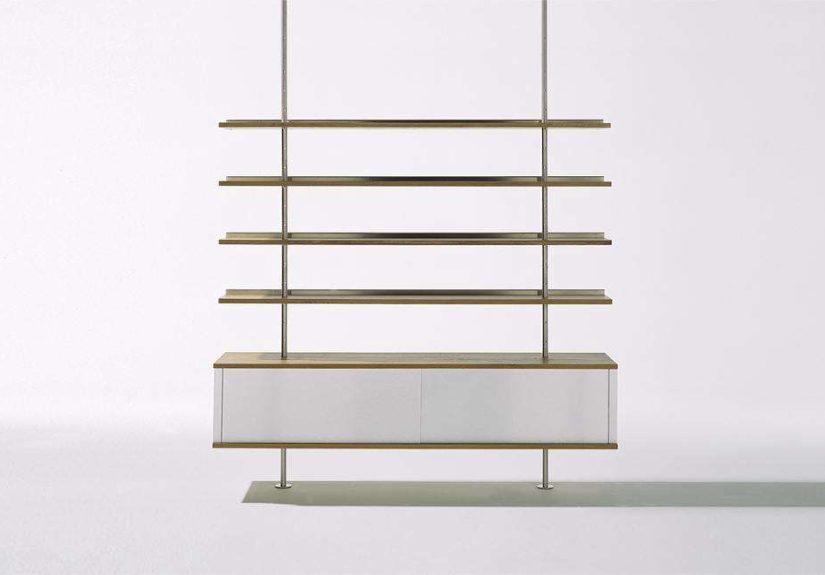
The Eiermann Shelving System is a wall-mounted, modular shelving design built around slim vertical supports and adjustable shelves. Its appeal starts with its restraint. Rather than relying on thick side panels, chunky frames, or decorative extras, it uses a light structural language: upright supports, evenly spaced positions for shelves, and materials that do the talking without making a scene.
That minimalist approach is very much in line with Egon Eiermann’s larger design philosophy. Eiermann was one of the major German architects of the postwar era, admired for elegant proportions, precise detailing, and structural clarity. Those qualities show up clearly in the shelf. It feels less like furniture trying to imitate architecture and more like architecture that learned how to be useful on a Tuesday afternoon.
Today, the system is associated with Richard Lampert, which produces the shelf in configurations that preserve the original spirit while serving contemporary interiors. Depending on the version, the shelf may feature stainless steel uprights, melamine or solid wood shelves, and optional additions such as extra shelves or integrated cabinet elements. That flexibility is one of the reasons the design has endured. It was conceived as a system that could grow, change, and adapt rather than remain frozen like a museum piece nobody is allowed to touch.
Why Designers Still Love It
It Looks Light but Works Hard
The first reason people fall for the Eiermann Shelving System is visual lightness. Because the structure is so lean, the wall remains visible and the room feels more open. Even when the shelves are full, the system rarely reads as heavy. It gives you storage without the visual penalty that often comes with giant case goods.
That matters in modern interiors, small apartments, home offices, and multipurpose rooms where bulky furniture can make everything feel crowded. The Eiermann shelf keeps the mood airy. It is a storage solution that understands negative space, which is more than can be said for half the furniture in the average big-box showroom.
It Adapts to Real Life
Good modular shelving earns its keep by changing with the user, and the Eiermann system does exactly that. Shelves can be positioned according to what you actually own, not what some catalog stylist pretended you own. Tall art books, short paperbacks, vinyl records, baskets, framed photographs, office supplies, and the one ceramic object you bought because it looked profound under gallery lighting can all find a place.
This adaptability also makes the shelf useful across rooms. In a living room, it can become a library wall. In a dining area, it can display glassware and serving pieces. In a home office, it can combine reference books, files, objects, and equipment in a way that feels thoughtful rather than improvised. As your needs change, the arrangement can change with you.
It Bridges Furniture and Architecture
Some shelves are just shelves. The Eiermann Shelving System feels more integrated than that. It interacts with the wall, the height of the room, and the rhythm of the objects placed on it. That architectural sensibility is part of its charm. It does not sit in a room like an isolated object. It helps organize the room visually.
That is also why designers and design-savvy homeowners keep returning to it. The shelf does not beg for attention, but it elevates everything around it. It makes a room feel considered. Not fussy, not precious, just intelligently edited.
How the Eiermann Shelving System Works in Real Rooms
In the Living Room
In a living room, the Eiermann shelf works beautifully as an open library wall. Because the design is slim and vertical, it can hold a substantial collection without turning the room into a fortress of wood. Books look especially good here, but the key is not to treat every shelf like a storage emergency. Leave breathing room. Add a framed print, a low bowl, a sculptural vase, or a lamp on a lower shelf. The system rewards curation.
In the Home Office
The Eiermann aesthetic has always made sense in workspaces. Its disciplined geometry feels right at home with desks, task lighting, stationery, and all the little tools that make knowledge work look more glamorous than it actually is. In a home office, this shelf helps create order without making the room feel corporate. That balance is hard to achieve. Most office furniture either looks too stiff or too casual. Eiermann lands in the sweet spot.
As a Room Divider
Open shelving can also help divide space without blocking light, and that makes the Eiermann concept especially useful in lofts, studios, and open-plan homes. While many people use it against a wall, the design logic also suits spatial zoning. A light, open-backed shelving arrangement can separate functions in a room while keeping the whole area visually connected. In homes where every square foot has to multitask, that is not a small advantage.
Materials, Finishes, and the Mood They Create
Part of the Eiermann Shelving System’s staying power comes from material options. White melamine shelves emphasize crispness and clarity. They are ideal if you want the system to blend into a pale wall and let books or objects provide the color. Solid oak, on the other hand, brings warmth and depth. It softens the steel and gives the system a more residential feel.
That mix of industrial structure and natural surface is one of the shelf’s secret weapons. Stainless steel supports keep the design honest and lean, while wood keeps it from feeling cold. It is a conversation between precision and warmth, which is probably why the shelf looks equally comfortable in a minimalist apartment, a creative studio, or a lived-in family room full of evidence that humans actually exist there.
What to Know Before You Buy or Install
This is where reality taps you on the shoulder. The Eiermann Shelving System is elegant, yes, but it is also wall-mounted. That means installation matters. A lot.
Before buying, think about your wall type, load expectations, ceiling height, and what you plan to store. A shelf that will hold novels and pottery has different demands than one meant for binders, large-format books, and an ever-growing stack of magazines you swear you are going to read. Proper anchoring, stud awareness, and weight planning are essential. If your wall situation is questionable, get professional help. Pride is cheaper than repairing drywall, but only barely.
You should also think through proportions. The beauty of a modular shelf is that it can be customized, but that does not mean every wall needs to be filled from edge to edge. In many rooms, the Eiermann system looks best when it has a little breathing room around it. Let the lines read clearly. Let the wall frame the shelf instead of swallowing it whole.
How to Style an Eiermann Shelf Without Creating Visual Chaos
Open shelving is a wonderful design idea right up until somebody puts twelve objects of the same height in a row and calls it a day. The Eiermann Shelving System deserves better.
Start with variation. Mix vertical stacks of books with horizontal stacks. Combine objects of different heights and shapes so the arrangement feels rhythmic. Add personal pieces, not just decorative filler. The best shelves say something about the people who live with them. A hand-me-down object, travel find, framed photograph, or favorite bowl will always beat a random sculptural blob chosen only because it matched the rug.
Next, protect the empty space. Not every shelf needs to be full. In fact, the Eiermann system looks better when it is allowed to breathe. Negative space helps each object register and keeps the whole composition from becoming background noise.
Finally, edit with discipline. This shelf has a refined structure, so it rewards intentional styling. If your display looks cluttered, do not add more things. Remove three things and suddenly you are a genius.
Eiermann Shelving System vs. Generic Modular Shelving
There is no shortage of modular shelving on the market. Some systems are cheaper. Some are easier to find. Some come with the emotional comfort of flat-pack familiarity. But the Eiermann Shelving System stands apart because its proportions and detailing feel unusually resolved.
With generic shelving, modularity can become an excuse for visual fussiness. Too many brackets, too many add-ons, too many parts announcing themselves. Eiermann avoids that trap. The structure is visible, but it is not noisy. The shelf feels engineered, not overcomplicated. That distinction matters if you care about long-term satisfaction instead of short-term convenience.
In other words, this is not just storage. It is storage with design discipline. And in home interiors, discipline is often the thing separating “curated” from “I panicked at checkout.”
Who Should Choose It and Who Probably Shouldn’t
The Eiermann Shelving System is a strong choice for people who love modern design, appreciate flexible storage, and want open shelving that feels architectural rather than decorative. It is especially good for book lovers, remote workers, collectors of art objects, and anyone furnishing a room where lightness matters.
It may not be the best fit for people who need mostly concealed storage, want a zero-effort installation, or prefer furniture with a softer, more traditional visual language. Open shelving asks for a little maintenance, both physical and aesthetic. If you want to throw everything somewhere and shut a door on it, there are cabinets for that, and frankly, they would like a word.
The Experience of Living With an Eiermann Shelving System
Living with an Eiermann Shelving System is different from living with a standard bookcase, and the difference shows up in small daily moments. At first, what most people notice is the visual calm. The structure is so spare that the room feels tidier even before you have fully organized it. That sounds dramatic, but it is true. A heavy case piece tends to announce itself first and your belongings second. The Eiermann shelf reverses that relationship. It frames what you own instead of competing with it.
In everyday use, the shelf becomes a quiet organizer of habits. Books that used to disappear into overstuffed cabinets are suddenly visible and reachable. Objects you actually love stop living in boxes and begin participating in the room. Office supplies, notebooks, and reference materials become easier to arrange in a way that feels intentional. Even the act of tidying changes a little, because open shelving encourages decisions. You start noticing what deserves shelf space and what is just taking up oxygen.
There is also a psychological shift that happens with a system like this. Because the design is disciplined, it gently nudges you toward editing. That does not mean your home has to look like a gallery with one lonely branch in a ceramic vessel. It just means the shelf rewards thoughtfulness. One stack of monographs, a lamp, a few framed pieces, a ceramic bowl, maybe a plant that has not yet given up on you; suddenly the arrangement feels composed. The system makes it easier to recognize when enough is enough.
Another real-world advantage is flexibility over time. The way you use the shelf in month one may not be how you use it a year later. A shelf that starts out as a display piece in the living room can become a harder-working storage wall in a home office. A setup designed around books can shift to include files, baskets, speakers, or tableware. Because the system is modular, those changes do not feel like compromises. They feel built in to the original idea.
There is, of course, a tradeoff. Open shelving means visibility, and visibility means accountability. Dust exists. Visual clutter exists. Random charging cables exist. The Eiermann shelf does not hide your bad habits behind doors. It politely exposes them. But oddly, that tends to be part of the appeal. It invites a more active relationship with your space. You do not just own the shelf; you curate it over time.
What people often end up loving most is the balance the system strikes between utility and atmosphere. It works hard, but it does not feel utilitarian in a dull way. It stores things, but it also shapes the mood of the room. It gives order without stiffness, beauty without fuss, and flexibility without that flimsy “temporary solution” feeling. In a home filled with objects competing for attention, the Eiermann Shelving System is a rare piece that creates coherence. It does not perform. It supports. And after a while, that may be the most luxurious quality of all.
Final Thoughts
The Eiermann Shelving System remains relevant because it solves a timeless problem with uncommon grace: how to store real things in a real home without making the room feel heavier, messier, or more complicated. It combines the rigor of architecture with the adaptability of modular furniture, and it does so in a form that still feels current nearly a century after the original design.
If you want a shelving system that is flexible, refined, and unmistakably modern, Eiermann deserves a serious look. It is not the loudest piece in the room, and that is exactly the point. Great design does not always demand attention. Sometimes it simply makes everything else look better.