Table of Contents >> Show >> Hide
- The short version: yes, there’s a linkjust not always the link you fear
- Why your period can mess with your gut (even without Crohn’s)
- How Crohn’s disease can affect your menstrual cycle
- How your cycle can affect Crohn’s symptoms (and why it can feel like a flare)
- How to tell “period-related gut drama” from a true Crohn’s flare
- Practical strategies that can make the month less miserable
- 1) Track both your cycle and your Crohn’s symptoms (together)
- 2) Rethink period pain meds if you have Crohn’s
- 3) Use the boring stuff that actually works: heat, hydration, and sleep
- 4) Talk to your GI and OB-GYN about hormonal options (if appropriate)
- 5) Don’t ignore anemia symptomstest, don’t guess
- 6) Build a “period flare plan” before you need it
- Specific examples: what the link can look like in real life
- When to call your clinician sooner rather than later
- 500-word experiences section: what people often report (and what helps)
- Conclusion
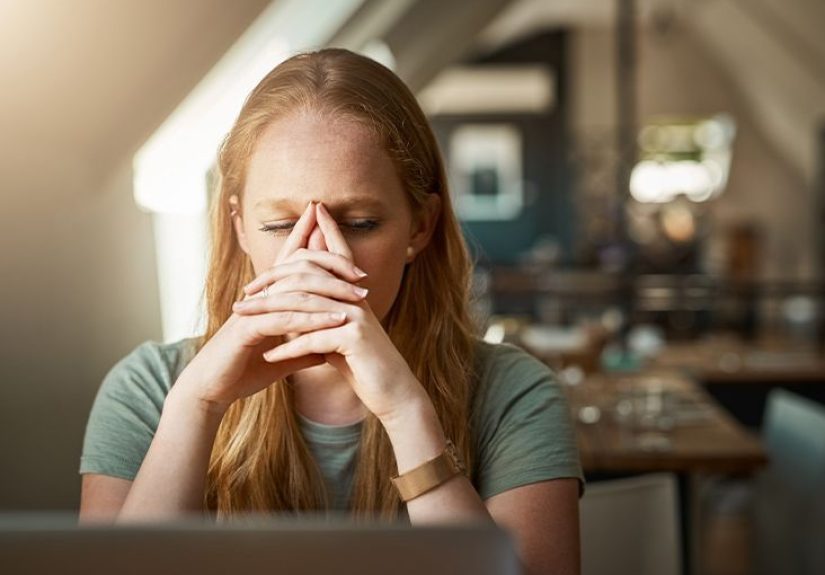
Ever notice how your gut seems to read your period tracker more faithfully than you do? If you live with Crohn’s disease and you menstruate, you’ve probably had at least one month where you thought, “Is this a flare… or is my uterus just freelancing again?” You’re not imagining it. The menstrual cycle can change how your digestive system feels and behaves, and Crohn’s can also affect your cycle in return. The tricky part is that the overlap is messy: cramps can feel like abdominal pain, hormone shifts can speed up motility, and “period poops” can look suspiciously like Crohn’s symptoms showing up uninvited.
This article breaks down what researchers and clinicians think is going on, why the timing matters, how to tell a true flare from a hormone-fueled symptom spike, and what practical steps can help you feel more in controlwithout turning your bathroom into your full-time office.
The short version: yes, there’s a linkjust not always the link you fear
Many people with inflammatory bowel disease (IBD), including Crohn’s, report worse gastrointestinal symptoms before and during their period. Studies have found that GI symptoms (like diarrhea, bloating, and abdominal discomfort) and premenstrual symptoms can be more common or more intense in people with IBD than in those without it. Importantly, that doesn’t automatically mean the underlying intestinal inflammation is truly worsening every month. Sometimes it’s the cycle changing pain sensitivity, gut motility, and “background noise” in your digestive tractmaking everything feel louder.
So the connection is real, but it can be a “symptom amplification” link rather than a guaranteed “Crohn’s is flaring” link. Knowing the difference is the key to avoiding two equally annoying outcomes: suffering unnecessarily or escalating treatment when you don’t actually need to.
Why your period can mess with your gut (even without Crohn’s)
Prostaglandins: the tiny chemicals with big chaos energy
Right before and during menstruation, your body releases prostaglandinscompounds that help the uterus contract and shed its lining. Helpful? Sure. Also capable of causing cramps, nausea, and diarrhea? Absolutely. Prostaglandins don’t confine themselves politely to the uterus; they can affect nearby smooth muscle, including the intestines, which can lead to more frequent bowel movements or looser stools.
Hormones change gut motility and pain perception
Estrogen and progesterone fluctuate across the cycle. These changes can influence how quickly food moves through the GI tract and how sensitive your nervous system is to discomfort. Translation: the same level of intestinal activity that felt “fine” two weeks ago might feel like a full-blown crisis right before your period.
Stress, sleep, and appetite shifts are part of the equation
Many people experience changes in sleep quality, cravings, appetite, hydration, and stress around their cycle. These factors can aggravate gut symptoms on their ownand Crohn’s tends to be very unimpressed by poor sleep and higher stress.
How Crohn’s disease can affect your menstrual cycle
Crohn’s is a chronic inflammatory condition that can cause symptoms like diarrhea, abdominal pain, weight loss, fatigue, and anemia, among others. When the disease is active, it can impact the whole bodynot just the intestines.
Irregular periods can happen during active disease
When your body is dealing with inflammation, nutritional deficits, stress, and sometimes weight changes, it may disrupt normal hormone signaling. Some people with IBD report irregular cyclesperiods that come early, late, skip entirely, or show up unpredictably like a surprise meeting you never accepted.
Nutrition and weight status matter
If Crohn’s affects your ability to absorb nutrients (or makes eating difficult), the body may reduce “nonessential” functions in times of stressreproductive hormone cycling can be one of them. This is especially relevant if you’ve had significant weight loss, prolonged poor intake, or malnutrition concerns.
Anemia can be a double-whammy
Anemia is common in Crohn’s due to inflammation, blood loss, and impaired absorption of iron and vitamin B12. Heavy menstrual bleeding can worsen iron lossmeaning fatigue, shortness of breath, dizziness, and brain fog may spike if your iron stores are already struggling. If you feel like your period turns you into a phone with 2% battery that refuses to charge, it’s worth asking your clinician about iron studies, not just a standard hemoglobin.
Medications and disease activity can influence cycles
Corticosteroids in particular have been associated with menstrual irregularities for some people. More broadly, any shift in disease control, stress load, nutrition, or inflammation can show up as cycle changes. If you notice a big change after starting or stopping a medication, bring it upyour GI and OB-GYN may have different pieces of the puzzle.
How your cycle can affect Crohn’s symptoms (and why it can feel like a flare)
More diarrhea and cramping during your period isn’t uncommon
Even people without IBD can get diarrhea during menstruation. Add Crohn’swhere baseline bowel patterns may already be sensitiveand you have a recipe for confusion. The result can be an increase in stool frequency, urgency, gas, bloating, and abdominal pain that clusters around the premenstrual and menstrual days.
“Pain stacking” is real
Dysmenorrhea (painful periods) can include pelvic cramps and symptoms like nausea and diarrhea. If Crohn’s also causes abdominal pain, the two can stack on top of each other. Instead of one manageable discomfort, you get a combo platter nobody ordered.
Symptoms can change without inflammation changing
Research suggests that while IBD patients may report more GI symptoms during the menstrual cycle, this does not always reflect a true worsening of disease-specific inflammation. In other words: your symptoms are real and valid, but they may be driven by hormones and prostaglandins rather than your Crohn’s suddenly escalating every month.
How to tell “period-related gut drama” from a true Crohn’s flare
This is the part where we respect your lived experience and also admit the truth: sometimes it’s hard. But there are patterns and signals that can help.
Clues it may be cycle-related
- Timing is consistent: symptoms start 1–7 days before bleeding and improve within a few days of your period beginning or ending.
- Symptoms look familiar: they resemble your usual PMS pattern (cramps, looser stools, bloating), just amplified.
- No new red flags: you don’t see a major increase in rectal bleeding, fever, or persistent night-time symptoms beyond your period window.
Clues it may be a Crohn’s flare (or something else that needs attention)
- Symptoms persist: they continue well past your menstrual window (for example, more than a week after bleeding ends).
- New or worsening blood in stool: especially if that’s not typical for you.
- Fever, significant weight loss, or dehydration signs: these are not “just PMS.”
- Nighttime diarrhea waking you up: can be more concerning for inflammation.
- A sudden change from your baseline: a brand-new intensity or symptom profile deserves a check-in.
If you’re unsure, don’t guess alone. Your care team may use labs (like inflammatory markers), stool tests, and symptom history to distinguish inflammation from hormone-driven symptom changes. And yestracking helps a lot.
Practical strategies that can make the month less miserable
1) Track both your cycle and your Crohn’s symptoms (together)
Tracking isn’t about turning your life into a spreadsheet. It’s about spotting patterns so you can say, “This happens every month on Day -2,” instead of, “My body is haunted.” Use a notes app, a calendar, or a health tracker. Log:
- Cycle day (including spotting)
- Stool frequency/urgency
- Pain location (pelvic vs. generalized abdominal)
- Bleeding (menstrual vs. rectalif you can distinguish)
- Sleep, stress, and major diet changes
2) Rethink period pain meds if you have Crohn’s
Many gastroenterology resources advise caution with NSAIDs (like ibuprofen and naproxen) because they can irritate the GI tract and may worsen inflammation or symptoms in some people with Crohn’s. That doesn’t mean everyone will react the same way, but it does mean you should discuss safer options with your clinicianespecially if you notice a pattern of flares after NSAID use.
Some people are advised to use acetaminophen instead for pain, but you should confirm what’s appropriate for your personal medical history and other medications.
3) Use the boring stuff that actually works: heat, hydration, and sleep
Heat therapy (heating pad, warm bath) can help pelvic cramping. Hydration matters more than people want to admitespecially if diarrhea increases around your period. Sleep is also not optional when you’re managing an inflammatory disease, even if your hormones try to convince you that 2 a.m. is the perfect time to re-litigate every awkward conversation from 2009.
4) Talk to your GI and OB-GYN about hormonal options (if appropriate)
Some people find that hormonal contraception helps reduce menstrual symptoms and cycle-related GI spikes by making bleeding lighter or cycles more predictable. Others may not tolerate certain hormones well. There’s no universal “best” optionCrohn’s disease, anemia risk, clotting risk factors, smoking status, and medication plans all matter here. The point is: you have options worth discussing.
5) Don’t ignore anemia symptomstest, don’t guess
If you’re experiencing heavy periods plus Crohn’s-related fatigue, ask about iron studies (ferritin, transferrin saturation) and B12/folate when appropriate. Treating iron deficiency can meaningfully improve energy, exercise tolerance, and quality of lifeespecially when your cycle is already draining resources.
6) Build a “period flare plan” before you need it
When symptoms follow a predictable cycle pattern, it can help to prepare a mini-plan for that week:
- Stock foods you tolerate well (simple, nutrient-dense, not overly greasy)
- Schedule demanding tasks earlier in the cycle when you typically feel better
- Keep hydration solutions ready (especially if diarrhea tends to spike)
- Know what symptoms mean “call the doctor” for you
Specific examples: what the link can look like in real life
Example 1: “It’s always two days before my period”
Imagine someone whose Crohn’s is generally stable. Every month, two days before bleeding starts, they get looser stools, more urgency, and crampy pain. By Day 2 of the period, it eases. If this pattern is consistent and doesn’t come with new red flags, it may be largely driven by prostaglandins and hormone shiftsnot a true flare. Tracking helps confirm the pattern, and the care team can decide whether any testing is needed or if supportive symptom management is enough.
Example 2: “My period got heavier, and now I’m exhausted”
Another person notices heavier bleeding for several cycles, plus worsening fatigue, shortness of breath on stairs, and headaches. Their Crohn’s may or may not be activebut iron deficiency can develop quietly. In a case like this, the fix might not be “change Crohn’s meds” first; it might start with lab work and treating anemia while also checking for disease activity.
Example 3: “Is this a flare… or is it endometriosis?”
Here’s a curveball: pelvic pain and bowel symptoms around menstruation can also overlap with gynecologic conditions like endometriosis. If pain is severe, progressively worsening, or deeply tied to your cycle with other pelvic symptoms, it’s worth involving an OB-GYN. Sometimes it’s not Crohn’s versus hormonesit’s Crohn’s plus something else that deserves care.
When to call your clinician sooner rather than later
Cycle-related symptom shifts are common, but don’t let “it’s probably my period” become a reason to delay care when you need it. Contact your healthcare team if you have:
- Significant rectal bleeding or black/tarry stools
- Persistent vomiting, inability to keep fluids down, or signs of dehydration
- High fever or severe abdominal pain
- Symptoms that last beyond your cycle window or rapidly worsen
- New severe pelvic pain or very heavy menstrual bleeding
500-word experiences section: what people often report (and what helps)
Let’s talk about the part that rarely fits neatly into a clinic visit: the lived experience of juggling Crohn’s and a menstrual cycle. Not the textbook versionthe “I planned my day, then my uterus and intestines held a meeting without me” version.
Many people describe a predictable monthly storyline. Week two of the cycle feels like a miracle: appetite steadier, energy better, bathroom trips less dramatic. Then the calendar creeps toward the premenstrual days and suddenly your digestive tract starts acting like it just discovered free will. The bloating shows up early. The cramps are vague at firstthen they sharpen. And if you’re someone whose Crohn’s symptoms include urgency, that urgency can become the star of the show right when you’re trying to leave the house.
A common theme is uncertainty fatigue. It’s not only the pain or diarrheait’s the mental load of asking, “Is this my cycle or a flare?” Some people say they’ve changed medications in the past only to realize later that symptoms were cycling predictably and settling after menstruation. Others report the opposite: they blamed hormones for too long and delayed care for what turned out to be real inflammation. That back-and-forth can make you feel like you need a detective badge just to manage your body.
Tracking often becomes the unexpected hero. People who start logging symptomsjust briefly, not obsessivelydescribe a shift from panic to pattern recognition. It’s the difference between “Something is wrong” and “Oh, this is my Day -1 signature move.” Once you see the pattern, you can plan: lighter meals, fewer schedule commitments, extra hydration, a heating pad within arm’s reach, and a little more gentleness with yourself.
Another recurring experience is the medication dilemma with period cramps. Many folks grew up treating cramps with NSAIDs like ibuprofen. With Crohn’s, some discover that these meds can irritate their GI tract or coincide with worse symptoms. That’s not universal, but it’s common enough that people end up experimentingcarefullywith alternatives (with clinician guidance), leaning more on heat, rest, and non-NSAID pain relief options. The glow-up of the heating pad is real: it goes from “nice to have” to “emotional support appliance.”
Social life and work life get renegotiated. People describe “bathroom logistics” becoming part of their pre-period planningscoping out restrooms, carrying supplies, choosing outfits that won’t punish bloating, and sometimes declining plans they’d otherwise enjoy. There’s humor in it (because if you don’t laugh, you’ll cry), but also grief: Crohn’s plus a cycle can feel like losing predictability twice a month.
The most encouraging thread in these shared experiences is this: you can build a system. A system doesn’t cure Crohn’s or erase period symptoms, but it reduces surprises. And fewer surprises means less fearso you can spend more time living your life and less time negotiating with your intestines like they’re a particularly stubborn group chat.
Conclusion
The link between Crohn’s disease and the menstrual cycle is real, but it’s not a one-size-fits-all story. Hormones and prostaglandins can increase GI symptoms around your period, sometimes mimicking a flare. Crohn’s, especially when active, can also disrupt cycles through inflammation, nutrition impacts, stress, and anemia. The goal isn’t to “power through” or to blame everything on hormonesit’s to learn your pattern, track smartly, avoid common triggers (including medication pitfalls when relevant), and team up with both GI and OB-GYN care when symptoms shift.
If your body insists on being complicated, you’re allowed to be strategic. And yes, you’re allowed to own more than one heating pad.