Table of Contents >> Show >> Hide
- What Is a Standby Generator?
- How a Standby Generator Works During an Outage
- The Main Parts of a Standby Generator System
- Why the Automatic Transfer Switch Matters So Much
- Fuel Types: What Powers a Standby Generator?
- Sizing: Bigger Than Square Footage, Smaller Than Guesswork
- Installation, Placement, and Safety
- Maintenance: Because “Backup” Still Needs Care
- What Standby Generators Can and Cannot Do
- A Simple Example of How It All Comes Together
- Final Thoughts
- Real-World Experiences With Standby Generators
- Experience 1: The “Wait, Did the Power Just Come Back?” Moment
- Experience 2: The Weekly Exercise That Freaks Everyone Out Exactly Once
- Experience 3: The Installation Wake-Up Call
- Experience 4: The Storm Test Everyone Secretly Remembers
- Experience 5: The Ownership Reality After the Excitement Wears Off
When the power goes out, modern life turns into a surprisingly dramatic stage play. The refrigerator starts sweating, the Wi-Fi collapses like a Victorian fainting couch, and suddenly everyone in the house becomes an amateur electrician. That is exactly why standby generators exist. They are the grown-up, permanently installed backup power systems that sit outside your house, mind their business, and then spring into action when the grid decides to take an unscheduled nap.
If you have ever wondered what actually happens between “the lights just went out” and “hey, the air conditioner is back on”, this guide will walk you through it. We will break down the parts, the process, the fuel, the safety rules, the maintenance reality, and the real-world experience of owning one. No fluff, no robotic filler, and no pretending electricity is powered by optimism.
What Is a Standby Generator?
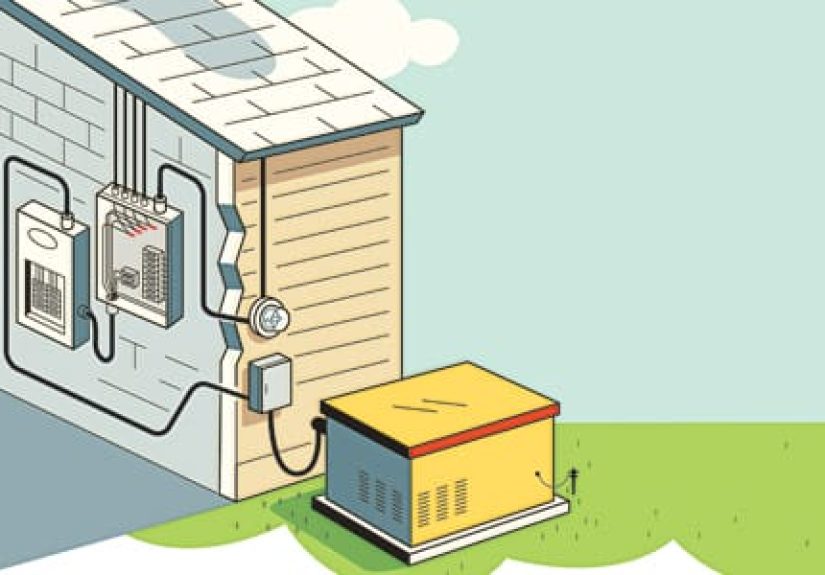
A standby generator is a permanently installed backup power system designed to restore electricity automatically when utility power fails. Unlike a portable generator, it is not something you drag out of the garage, fuel up in the rain, and argue with while holding a flashlight in your teeth. A standby unit is typically mounted outside the home, wired into the electrical system, and connected to a fuel source such as natural gas or propane.
The key word here is automatic. A standby generator works with an automatic transfer switch, often called an ATS, to detect an outage, start the generator, switch the home over to backup power, and then switch everything back once utility service is stable again. In other words, it is the difference between “backup power” and “a stressful side quest.”
Most residential standby systems are designed either to power essential circuits, support a managed whole-home setup, or provide near-complete whole-house coverage depending on the generator size, the transfer switch configuration, and whether load management is included.
How a Standby Generator Works During an Outage
Step 1: The system detects a utility failure
Your standby generator does not sit outside guessing whether the power looks a little moody today. It constantly monitors incoming utility power. When voltage drops too low or disappears entirely, the control system recognizes that the house needs a backup source.
Step 2: The generator receives a start signal
Once the outage is confirmed, the automatic transfer switch and controller send a start command to the generator. The starting battery cranks the engine, much like a car battery starts a car. This is one reason battery health matters more than many homeowners realize. Your generator can be a mechanical superhero, but if the starting battery is weak, it may show up late to the rescue.
Step 3: The engine spins the alternator
Here is where the real electricity-making magic happens, and thankfully it is engineering magic, not wizard magic. The engine burns fuel and creates mechanical rotation. That rotation turns the alternator. The alternator converts mechanical energy into electrical energy, producing alternating current for the home.
To keep your home’s power usable, the generator’s control system regulates engine speed and electrical output. That helps the unit deliver the correct voltage and frequency for household circuits and sensitive electronics. In plain English: it is not enough to make power; it has to make the right kind of power.
Step 4: The transfer switch moves the load
Once generator output is stable, the automatic transfer switch disconnects the house from the utility line and connects it to generator power. This is one of the most important safety functions in the whole system. It prevents dangerous backfeeding, which is when generator power flows backward into utility lines where it does not belong. Backfeeding can damage equipment and create serious hazards for lineworkers and anyone servicing the electrical system.
Step 5: The house runs on backup power
Now the generator carries the electrical load assigned to it. Depending on the system design, that may include only essential circuits like the refrigerator, sump pump, lights, furnace blower, medical equipment, and garage door opener. Or it may extend to major appliances and air conditioning in a managed whole-home arrangement. Larger systems may power almost everything the house uses under normal conditions.
Step 6: Utility power returns
When normal grid power comes back and remains stable long enough to confirm it is not just teasing you, the transfer switch reconnects the home to utility service. The generator then enters a brief cooldown period before shutting off and returning to standby mode. The unit resets itself and waits for the next outage, which, if we are being honest, is exactly the kind of patience most people wish their teenagers had with the dishwasher.
The Main Parts of a Standby Generator System
Understanding the components makes the whole system much easier to follow.
Engine
The engine is the prime mover. It burns fuel and creates the rotational force needed to drive the alternator. Residential systems usually run on natural gas or liquid propane, while larger commercial standby units may use diesel.
Alternator
The alternator converts mechanical energy into electrical energy. This is the part that actually produces the alternating current used by your home.
Automatic Transfer Switch
The ATS monitors utility power, initiates the backup sequence, isolates the home from the grid during an outage, and reconnects the home to utility service when conditions return to normal. It is the traffic cop, referee, and bouncer of the whole operation.
Controller
The controller manages startup, shutdown, diagnostics, timing, battery charging logic, and exercise schedules. Many modern units also support remote monitoring through apps or dealer-connected systems.
Starting Battery and Charger
A standby generator relies on a battery to start. The charger maintains battery readiness while the system is idle. Ignore this part and you may discover, at the worst possible time, that your backup power system has all the urgency of a dead TV remote.
Fuel System
This includes the natural gas line, propane supply, regulators, shutoffs, and related connections. Fuel availability is a major part of generator performance, and it affects runtime, output, and installation planning.
Circuit Breakers and Load Management Controls
These protect the system and help decide which loads can run simultaneously. In managed systems, high-demand appliances may be staged, delayed, or temporarily shed so the generator is not overloaded.
Weather-Resistant Enclosure
The enclosure protects the generator from the elements and helps reduce noise. It also plays a role in airflow and exhaust routing, both of which matter for performance and safety.
Why the Automatic Transfer Switch Matters So Much
If the standby generator is the headliner, the transfer switch is the stage manager who makes sure nobody gets electrocuted, overpowered, or left in the dark longer than necessary.
The ATS is essential because it creates a safe transition between utility power and generator power. It makes sure the house is connected to one source at a time, not both. That protects your home’s electrical system and reduces the chance of backfeeding the utility grid.
It also makes the entire standby concept practical. Without an automatic transfer switch, you are no longer talking about a true standby system. You are talking about a much more manual process, and manual processes tend to go badly when people are cold, tired, and standing in the dark at 2:17 a.m.
Fuel Types: What Powers a Standby Generator?
For most American homes, standby generators run on one of two fuels: natural gas or liquid propane.
Natural Gas
Natural gas is convenient because the generator connects to the home’s existing gas service. There is no refueling trip, no storage can, and no need to rotate stale gasoline. As long as gas service remains available, the generator can run for extended periods.
Propane
Propane is common in areas without natural gas service. It stores well and works well for standby applications, but runtime depends on the tank size and how heavily the generator is loaded. If the outage lasts longer than expected, fuel planning suddenly becomes a very real conversation.
Diesel
Diesel is more common in larger standby and commercial systems than in typical suburban residential installations. It can provide robust performance, but it also brings storage, maintenance, emissions, and fuel management considerations.
Fuel choice affects not only runtime, but also installation cost, power output, maintenance needs, and local code requirements. That is why sizing and fuel planning should happen together rather than as two separate “we will figure it out later” decisions.
Sizing: Bigger Than Square Footage, Smaller Than Guesswork
One of the most common misunderstandings about standby generators is the idea that you can size one based only on the size of the house. Square footage can be a clue, but it is not the whole story. Electrical load matters far more.
Two homes with the same floor plan can have very different backup power needs. One may have a single HVAC unit, gas water heater, and modest appliance load. The other may have two air conditioners, an electric oven, a sump pump, a freezer in the garage, a home office full of electronics, and a family that treats hot showers as a constitutional right.
What really affects generator size?
- Total running wattage of the loads you want to power
- Motor starting requirements for equipment like air conditioners, pumps, and compressors
- Whether you want essentials-only coverage or managed whole-home power
- Future expansion, such as adding another HVAC zone, a pool pump, or more appliances
- Fuel type and site conditions
Motor starting is a big deal. Appliances like air conditioners do not just sip power when they start; they lunge at it like they have not eaten in days. A generator has to handle that temporary surge without causing voltage dips or dropping other loads.
This is why many homeowners choose a managed whole-home system. Instead of powering everything at once, the system prioritizes loads. Maybe the air conditioner starts first, then the water heater waits, then other heavy loads come online only when the generator has capacity. That strategy allows a smaller generator to do a bigger job without turning your backup power plan into an electrical traffic jam.
A professional site survey is the smart move here. It evaluates actual electrical demand, identifies critical circuits, and prevents the classic mistake of buying a generator that is either too small to be useful or so oversized that it becomes an expensive monument to overconfidence.
Installation, Placement, and Safety
Standby generators are not a plug-and-play appliance. They interact with your home’s electrical system, gas supply, exhaust flow, and local code requirements. That means professional installation is usually the right call, and in many places it is effectively the only sensible call.
Placement matters
Where the generator sits is not just about aesthetics. It affects fire clearance, airflow, service access, and carbon monoxide safety. Many residential standby installation rules require clearance from windows, doors, and wall openings, and some units that have been specifically tested may be installed closer to a structure than others. The exact placement depends on the manufacturer’s instructions, the model, local code, and site conditions.
And here is the part that deserves bold letters in real life, even if we are using normal text here: minimum code clearance is not the same thing as zero carbon monoxide risk. Carbon monoxide can infiltrate homes under the wrong conditions, especially when exhaust is poorly oriented or openings are nearby. Install CO alarms in the home, keep the generator properly located, and never treat exhaust as an afterthought.
Electrical safety matters too
The transfer switch must be installed correctly. The grounding, bonding, overcurrent protection, and service configuration all need to comply with applicable codes and the equipment documentation. This is not the place for “my cousin watched a video once.”
Fuel safety matters as well
Gas line sizing, regulator setup, fuel pressure, shutoff placement, and leak testing all affect whether the system will perform when needed. A beautifully installed electrical system can still fail if the fuel supply is inadequate.
Maintenance: Because “Backup” Still Needs Care
A standby generator is reliable precisely because it is designed to check on itself, but self-awareness only goes so far. It still needs maintenance.
Exercise cycles
Many modern standby generators perform scheduled exercise cycles. These self-tests help circulate oil, maintain battery readiness, and confirm the system can start when needed. Depending on the model, exercise settings may vary in frequency and duration. That occasional automatic startup you hear is usually not your house being haunted. It is your generator doing homework.
Routine service items
- Oil and filter changes
- Air filter inspection or replacement
- Spark plug service on applicable engines
- Battery testing and terminal inspection
- Coolant checks on liquid-cooled units
- Visual inspection of wiring, enclosure, and fuel components
- Verification that exercise schedules and alarms are functioning properly
Some manufacturers recommend at least annual professional maintenance, while others encourage semiannual service depending on the model, use, and environment. Commercial and certain regulated installations may also require more formal recordkeeping, hour meters, and maintenance documentation.
The best maintenance mindset is simple: do not wait for an outage to discover your backup power system was merely a decorative metal box with commitment issues.
What Standby Generators Can and Cannot Do
What they do very well
Standby generators restore power automatically, protect critical loads, support comfort and safety during outages, and reduce the hassle of manual backup power. They are especially valuable for homes with sump pumps, refrigerated medication, medical devices, remote work demands, security systems, or frequent storm-related outages.
What they do not do
They do not replace utility service permanently. They do not eliminate the need for maintenance. They do not guarantee every load can run at once unless the system is sized and configured for that. And they do not solve fuel interruptions, poor installation, or neglected batteries through sheer force of personality.
Also, while they restore power quickly, some electronics may still notice a brief interruption during transfer. A standby generator is fast, but it is not the same as an uninterruptible power supply.
A Simple Example of How It All Comes Together
Imagine a home with a refrigerator, freezer, furnace blower, sump pump, internet equipment, kitchen lighting, and a central air conditioner. A storm knocks out utility power at night. The ATS senses the outage, starts the generator, waits for stable output, and transfers the selected circuits to generator power.
The refrigerator stays cold. The sump pump keeps the basement dry. The blower keeps heated or cooled air moving. The router revives, which means the family can once again pretend they were absolutely about to go to bed before the internet returned. If the home has a managed whole-home setup, the control system may delay the air conditioner or electric water heater so the generator is not overloaded at startup. When utility power returns, the switch transfers everything back and the generator shuts down after a cooldown period.
Final Thoughts
At its core, a standby generator is not mysterious. It is a coordinated system made up of an engine, an alternator, a battery, a controller, and an automatic transfer switch. It monitors utility power, starts when needed, supplies electricity safely, and then steps aside when the grid comes back. The real art is in the details: proper sizing, safe placement, clean installation, and consistent maintenance.
If you understand those fundamentals, you can evaluate standby power with far more confidence. You will know why the transfer switch matters, why fuel planning matters, why exercise cycles matter, and why a professionally designed system almost always beats wishful thinking with extension cords. And that, frankly, is a much better place to be when the next storm starts tapping on the windows like it pays the mortgage.
Real-World Experiences With Standby Generators
The experiences below are composite homeowner-style scenarios based on how standby generators are commonly used and what people typically notice during outages, installation, and routine ownership.
Experience 1: The “Wait, Did the Power Just Come Back?” Moment
One of the most common first-time experiences with a standby generator is confusion, and that is actually a compliment. The outage happens, the house goes dark, there is a short pause, and then key systems come back so quickly that people are not always sure what just happened. The microwave clock may blink. The internet may take a minute to catch up. But the refrigerator hums again, lights return, and the HVAC system either restarts or comes back in sequence. For many homeowners, the surprise is not that the generator works. The surprise is how little drama there is compared with portable generators, extension cords, and last-minute trips for fuel.
Experience 2: The Weekly Exercise That Freaks Everyone Out Exactly Once
Nearly every standby generator owner has a story about the first time the unit ran its exercise cycle. Someone hears the engine, assumes a neighborhood transformer exploded, peeks through the blinds like they are in a detective movie, and then realizes the system is simply testing itself. After that, the sound becomes familiar. In fact, many owners end up appreciating it because it is proof the system is alive, the battery is being supported, and the generator is not sitting outside aging into a very expensive lawn ornament. The weekly self-test becomes part of the house’s rhythm, like the sprinkler timer or the dog barking at delivery trucks.
Experience 3: The Installation Wake-Up Call
Another common experience is discovering that standby generator ownership starts long before the first outage. During planning, many people assume they just need to pick a kilowatt number and point at a spot near the house. Then the installer starts asking about gas meter capacity, electrical load calculations, clearance from windows, local permits, concrete or composite pads, service access, and whether the air conditioner, oven, and well pump all need to run at the same time. That is usually the moment homeowners realize the generator is not just a product. It is an integrated home system. Oddly enough, this realization is often reassuring. It shows why a good installation matters and why a properly designed system feels dependable later.
Experience 4: The Storm Test Everyone Secretly Remembers
The most emotional experience usually comes during the first major weather event. Maybe it is a thunderstorm, a hurricane remnant, an ice event, or a utility failure on a sweltering summer night. Neighbors are outside checking panels and flashlights. Inside the generator-equipped home, the freezer stays cold, the sump pump keeps working, a CPAP machine stays powered, and phones continue charging. That does not make the storm fun, but it changes the atmosphere inside the house. People stop focusing on “how long can we last?” and start focusing on practical things like staying informed, staying comfortable, and helping others if needed. For many owners, that first real outage is when the purchase finally makes emotional sense.
Experience 5: The Ownership Reality After the Excitement Wears Off
Months later, the generator is no longer exciting, which is exactly what most owners want. It sits quietly outside, gets serviced when needed, runs its scheduled exercise, and waits. The best long-term experience with standby power is usually uneventful. There is no heroic soundtrack. There is just confidence. And honestly, for a machine whose entire purpose is to show up during bad days, “uneventful” is one of the nicest compliments you can give it.