Table of Contents >> Show >> Hide
- Joseph Tudisco’s Breakout Moment Did Not Arrive Overnight
- What Is The Chair Company, Exactly?
- Why the Show Feels So Surreal in the Best Possible Way
- Why Joseph Tudisco Became the Show’s Secret Ingredient
- The Surreal Experience Is Bigger Than the Plot
- What the Best Reviews Understand About the Show
- Why This Story Resonates Beyond Television
- Additional Experience Section: Why Joseph Tudisco’s Journey Feels So Personal
- Conclusion
Some actors spend decades waiting for the role that changes everything. Then, one day, the call finally comes, and suddenly the world feels a little less like a career plan and a little more like a fever dream. That is more or less the energy surrounding Joseph Tudisco and The Chair Company, HBO’s strange, sharp, and delightfully unhinged comedy-thriller that turned a longtime character actor into one of the most memorable faces on television. If the title sounds like a fake company invented during a stress dream after too much cold brew and one too many meetings, that is exactly part of the charm.
For Tudisco, the show is not just another credit. It is the kind of late-career breakthrough that makes people sit up, point at the screen, and say, “Wait, where has this guy been all my life?” The answer is simple: working. Working for years. Working through bit parts, background roles, auditions, near misses, and the kind of steady grind that keeps the lights on but rarely turns into a spotlight. What makes the story of The Chair Company so compelling is not only that the show is surreal. It is that Tudisco’s rise inside it feels surreal too.
Joseph Tudisco’s Breakout Moment Did Not Arrive Overnight
Joseph Tudisco is the kind of actor many viewers have probably seen before without immediately knowing his name. That is not an insult. In Hollywood terms, it is often proof of a working life built on persistence, flexibility, and pure survival instinct. For years, Tudisco showed up in smaller roles across crime dramas and New York-flavored projects, often playing tough guys, neighborhood characters, working-class men, and figures who looked like they had either delivered a package or delivered a threat. Sometimes both.
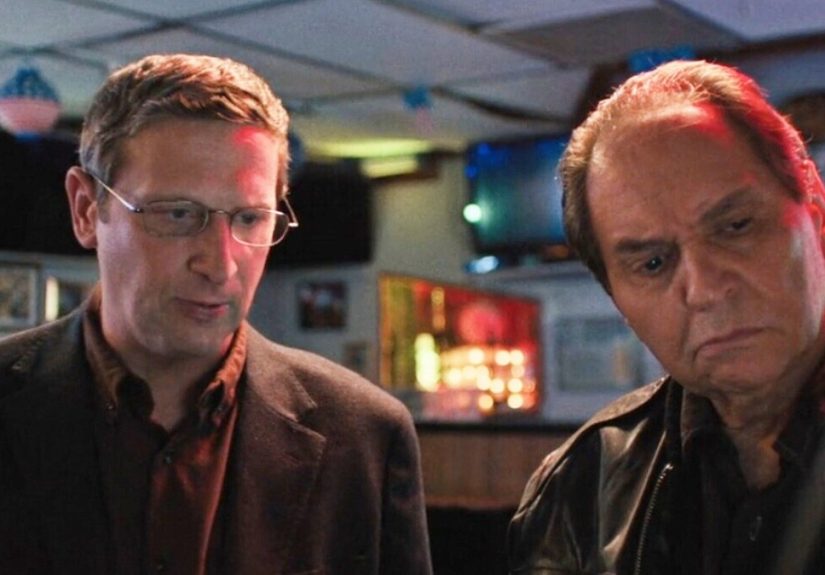
That background matters because it helps explain why Tudisco feels so right in The Chair Company. He does not come across as a polished “character actor” in the overly theatrical sense. He feels lived in. He feels like a real person who wandered into an absurd television universe and somehow made it more believable. That is a very rare trick. On paper, Mike Santini could have been a one-note oddball. In Tudisco’s hands, he becomes funny, volatile, oddly touching, and impossible to ignore.
There is also something deeply satisfying about watching a veteran performer get the kind of role younger actors are told will eventually happen “if they just keep going.” Tudisco kept going. For a long time. That is why his story lands with such emotional force. This is not overnight success. This is the slow-cooked version.
What Is The Chair Company, Exactly?
Explaining The Chair Company in a single sentence is a little like explaining a raccoon in a necktie. You can do it, but the description never captures the full experience. At its core, the series follows Ron Trosper, played by Tim Robinson, a regular office-bound family man whose life spins into chaos after an embarrassing incident at work involving a chair. That tiny humiliation opens the door to something much larger: a bizarre, escalating investigation into what appears to be a shadowy corporate conspiracy.
That premise sounds funny already, but the real magic is in the execution. The show is not simply about a chair company. It is about humiliation, obsession, anxiety, workplace absurdity, and the terrifying possibility that your very normal complaint might accidentally uncover something enormous. It takes the familiar emotional DNA of cringe comedy and blends it with mystery, paranoia, and the low hum of middle-management dread.
In lesser hands, the concept might have felt like an extended sketch stretched past its limit. Instead, it becomes something richer: a comedy that understands how ridiculous adult life can feel once embarrassment hardens into obsession. The result is a world where office carpets, forced laughter, weird coworkers, and corporate emptiness all start to feel faintly sinister. In other words, it is basically every bad meeting you have ever attended, but with better writing.
Why the Show Feels So Surreal in the Best Possible Way
It turns everyday shame into epic chaos
One reason critics and viewers responded so strongly to The Chair Company is that it understands a very specific modern fear: the fear of looking foolish in front of other people and never quite recovering from it. Tim Robinson’s comedy has always thrived on discomfort, but here that discomfort grows legs, gets in a car, and drives straight into conspiracy territory. The show takes a tiny social disaster and treats it like the first domino in a private apocalypse.
That makes the series both hilarious and strangely relatable. Anyone who has replayed an awkward work moment in their head at 2 a.m. can understand the emotional engine here. The Chair Company just pushes that feeling much, much farther than normal television would dare to go.
It treats weird behavior like ordinary behavior
Another part of the surreal effect comes from how casually the show handles bizarre people and even stranger decisions. Nobody stops the story to explain why someone is acting like a maniac. The universe of the show simply accepts that this is how things are. That dead-serious framing makes the comedy hit harder. The laughs do not come from wink-wink punchlines. They come from commitment, rhythm, and behavior.
That approach is especially important for Tudisco’s performance. Mike Santini is funny because the show never begs you to laugh at him. He is allowed to exist as a full human being with his own logic, loyalties, rage, loneliness, and rough-edged tenderness. That seriousness turns him from comic seasoning into a secret weapon.
Why Joseph Tudisco Became the Show’s Secret Ingredient
Mike Santini enters the story with the kind of energy that suggests trouble. He is not introduced as a cuddly best friend or a safe sidekick. He arrives with menace, unpredictability, and the feeling that he could either help the investigation or make it wildly worse. As the series unfolds, though, Mike becomes far more than a threat. He evolves into one of the show’s most fascinating emotional anchors.
That shift is where Tudisco shines. He makes Mike funny without softening him too much. He makes him dangerous without flattening him into a cliché. He makes him sad without turning him into a speech about sadness. It is a beautifully balanced performance, built on understatement one second and explosive energy the next.
There is also a neighborhood authenticity to Mike that cannot be manufactured. Tudisco has spoken about recognizing people like Mike from his own life, and you can feel that in the performance. Nothing about him feels imported from a comedy lab. He feels remembered. That gives the character texture. Even when Mike is doing something deeply irrational, he still feels specific. That specificity is what separates memorable television from disposable television.
And then there is the unexpected heart. As the season goes on, Mike is not just the wild card. He becomes a character whose loneliness, rough loyalty, and need for connection start to peek through the chaos. Suddenly, the guy who might have seemed like a strange detour turns into someone the audience actually cares about. That is no small achievement.
The Surreal Experience Is Bigger Than the Plot
When Tudisco says that everything about The Chair Company has felt surreal, he is not only talking about the scripts. He is talking about what happens when a working actor spends decades doing the job quietly and then, in his seventies, lands a role that changes how people see him. One day, you are another dependable professional with years of credits. The next, strangers recognize you. Journalists want interviews. Fans start talking about your character like he has been part of their lives forever.
That kind of late-blooming attention carries a different emotional weight than early fame. It is not wrapped in hype or youth-marketing gloss. It feels earned in a way that audiences instinctively understand. People love a discovery story, but they especially love a discovery story when the person being “discovered” has been there the whole time, doing the work, waiting for the right role to meet the right audience.
Tudisco’s public response to this attention has only made him more appealing. He comes across as grateful rather than manufactured, excited rather than cynical. In an entertainment landscape that can sometimes feel overbranded and overmanaged, that kind of sincerity is gold. It gives the whole phenomenon a human center.
What the Best Reviews Understand About the Show
The strongest reactions to The Chair Company all seem to circle the same point: the show is weird, but it is not weird for the sake of being weird. Underneath the absurd situations is a very sharp understanding of shame, labor, power, loneliness, and the brain-melting emptiness of corporate life. It is a comedy with a thriller’s shape and a surprisingly humane pulse.
That helps explain why so many reviews highlighted not just the laughs, but the tension. The series does not merely pile on awkwardness. It builds momentum. Each humiliating moment opens into something larger. Each strange encounter feels like a clue. Each emotional crack in the characters reveals a little more of the show’s deeper interest in what modern work culture does to people.
Tudisco benefits enormously from that larger framework. Because the series respects its own emotional stakes, Mike Santini gets to be more than “the funny old guy.” He becomes part of the show’s moral weather. He is comic relief, yes, but he is also evidence that the world of The Chair Company is full of damaged, hopeful, absurd people trying to find meaning in systems that do not care about them.
Why This Story Resonates Beyond Television
The Joseph Tudisco angle matters because it gives the show a second narrative that runs alongside the fictional one. Onscreen, The Chair Company is about a man tumbling into a conspiracy after a humiliating office disaster. Offscreen, it is about a veteran actor finally getting the role that lets people see everything he can do. One story is surreal in a scripted way. The other is surreal in the way real life occasionally decides to show off.
That double-layered appeal is why the headline sticks. It is not just that the show is bizarre. It is that the making, receiving, and living of it all seems to have pushed Tudisco into a new chapter. That is the kind of entertainment story people remember. Not because it is flashy, but because it feels improbably human.
Additional Experience Section: Why Joseph Tudisco’s Journey Feels So Personal
There is something especially powerful about Joseph Tudisco’s story because it taps into a fear a lot of people never admit out loud: the fear that their big moment may have already passed, or worse, may never arrive at all. The Chair Company turns that fear on its head. Tudisco did not break through at 26 with a carefully branded image and a viral press tour. He broke through after decades of showing up, learning the rhythm of sets, taking small roles seriously, and staying ready for a chance that could have easily never come. That gives his success a different emotional texture. It feels less like destiny and more like persistence finally cashing a very old check.
That is why audiences connect with him so quickly. They are not just responding to a funny performance. They are responding to the experience behind it. When Tudisco plays Mike Santini, there is no sense that he is trying to prove he belongs there. He already knows how to stand inside a scene. He knows how to listen. He knows how to let a pause do the work. He knows how to make one strange look feel funnier than three paragraphs of dialogue. Those are not flashy skills. They are earned skills.
And that is what makes the whole thing feel so strangely inspiring. Tudisco’s rise is not the usual entertainment industry fantasy. It is better. It suggests that years spent doing solid, underappreciated work are not wasted years. They are preparation years. They are the years that teach timing, patience, resilience, and humility. In a culture obsessed with quick fame, that message lands like cold water on a hot forehead.
There is also a beautiful irony in the fact that The Chair Company, a show about embarrassment spiraling into obsession, has become the vehicle for such a joyful real-world outcome. The series itself is full of tension, paranoia, and social discomfort. But Tudisco’s story inside that machine feels warm. It reminds viewers that the strangest projects sometimes produce the most heartfelt results. A surreal comedy about a suspicious chair company somehow became a stage for one of television’s most charming late-career success stories. That sentence should not make sense, and yet it absolutely does.
Maybe that is the final lesson here. Surreal experiences are not always alienating. Sometimes they are affirming. Sometimes they take the shape of a role you never thought you would get, a character that lets you show range people had overlooked, and an audience that suddenly understands exactly what you bring to the screen. For Joseph Tudisco, The Chair Company appears to be all of that at once: bizarre, funny, emotional, career-changing, and just a little unbelievable. Which, honestly, sounds like the perfect summary of both the show and the man’s moment in it.
Conclusion
The Chair Company succeeds because it knows how to make anxiety funny without stripping it of its sting. It knows how to build a conspiracy out of office humiliation, and it knows that the best absurd comedy still needs emotional truth underneath the nonsense. Joseph Tudisco fits that world perfectly. His performance as Mike Santini is odd, grounded, explosive, and weirdly tender, which is also a pretty good description of the show itself.
More importantly, Tudisco’s offscreen journey gives the entire conversation extra depth. His breakthrough is a reminder that talent does not expire on a schedule and that the entertainment industry, chaotic as it is, can still surprise people in genuinely moving ways. If everything about The Chair Company has been surreal for Joseph Tudisco, then viewers can be forgiven for feeling the same way. After all, it is not every day that a show this strange becomes this acclaimed while handing one of its richest surprises to an actor who has been waiting decades for exactly this kind of moment.