Table of Contents >> Show >> Hide
- Why the Nurse’s Rant Hit a Nerve
- The ER Is Not Broken Because People Are Lazy
- What “Everything Ends Up In The ER” Really Means
- Emergency Department Boarding: The Hallway Problem Nobody Can Ignore
- EMTALA: A Lifesaving Law With Real Limits
- The Human Cost for Nurses and ER Staff
- Patients Are Frustrated Too—And Often for Good Reason
- When Should You Go to the ER?
- How Social Programs Reduce ER Pressure
- The Moral Distress of Discharge
- Why Healthcare Workers Are Begging People to Listen
- What Regular People Can Do
- Additional Experiences: What ER Staff Wish Everyone Understood
- Conclusion
Note: This article is for educational and editorial purposes only. It is not medical advice. If you are experiencing a medical emergency, call 911 or go to the nearest emergency department.
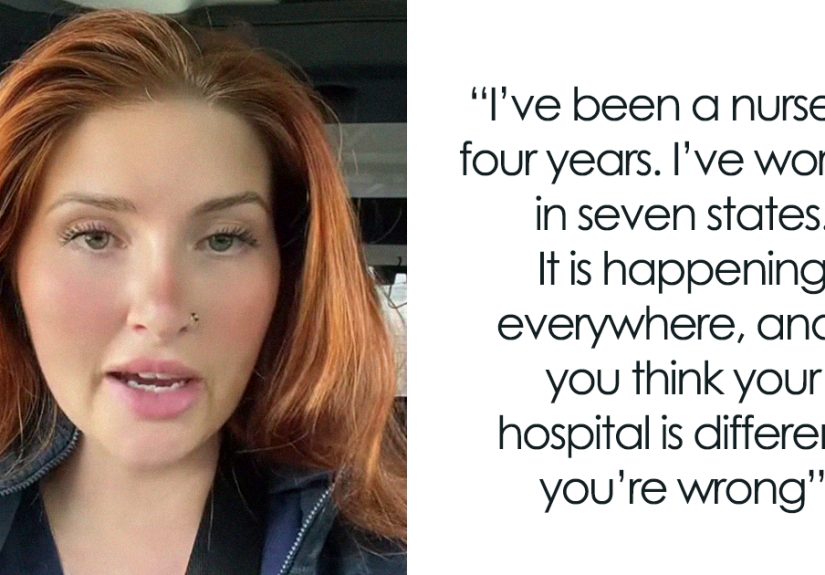
Every once in a while, someone on the internet says the quiet part so loudly that it echoes far beyond the screen. That is exactly what happened when a nurse’s emotional rant about America’s emergency rooms went viral. Her message was simple, raw, and painfully hard to ignore: when society fails people everywhere else, “everything ends up in the ER.”
At first, that phrase sounds dramatic. Then you think about it for five seconds and realize it is not dramatic enough. People without stable housing end up in the ER. Seniors without enough support end up in the ER. Patients who cannot afford routine care end up in the ER. People in mental health crises, families with nowhere else to turn, workers who delayed care because the bill looked scarier than the symptoms—eventually, many of them arrive under fluorescent lights, holding a plastic hospital bag and hoping someone can fix what the rest of the system let fall apart.
Emergency rooms were designed to handle emergencies: heart attacks, strokes, traumatic injuries, sepsis, severe allergic reactions, breathing trouble, and other urgent threats. But in the United States, the ER has also become a social safety net with automatic doors. Nurses and doctors are expected to treat the medical problem, calm the family, locate a bed that may not exist, manage a patient with nowhere safe to go, and do it all while a waiting room full of people wonders why nobody has called their name yet.
Why the Nurse’s Rant Hit a Nerve
The viral nurse rant resonated because it put words to a reality many patients and healthcare workers already know: the emergency department is where broken systems collide. The issue is not that ER teams do not care. In fact, caring is often the problem. Nurses care, and then they are asked to discharge someone into a situation they know is unsafe. Physicians care, and then they must explain why a patient who needs an inpatient bed is still waiting in a hallway. Techs, medics, social workers, and registration staff care, and then they absorb the anger when the system runs out of space, money, time, or options.
The United States has federal protections requiring emergency departments to screen and stabilize people with emergency medical conditions regardless of their insurance status or ability to pay. That rule matters. It saves lives. But stabilization is not the same as solving homelessness, poverty, untreated mental illness, elder neglect, substance use disorder, or the cost of prescriptions. The ER can stop the bleeding. It cannot rebuild the entire bridge someone fell through on the way in.
The ER Is Not Broken Because People Are Lazy
One of the easiest and least useful explanations for crowded emergency rooms is, “People are using the ER for things that are not emergencies.” Sometimes, yes, a sore throat at 2 a.m. may not need a trauma bay. But blaming patients misses the bigger picture. Many people go to the ER because they cannot get a timely primary care appointment, do not have insurance, have no transportation during clinic hours, are afraid of surprise bills, or have been told by multiple offices to “go to the emergency room” because nobody else can see them.
For millions of Americans, healthcare is less like a smooth highway and more like a scavenger hunt where every clue costs $300. Need a specialist? Wait three months. Need mental health care? Call 17 offices and leave 17 voicemails. Need help after surgery but live alone? Good luck and may your couch be near the bathroom. When these gaps pile up, the ER becomes the place of last resort—not because it is ideal, but because it is open.
What “Everything Ends Up In The ER” Really Means
The phrase is not just about medical care. It is about the way social problems eventually become clinical problems. A person who cannot afford insulin may arrive with dangerously high blood sugar. A senior who cannot get home support may fall, fracture a hip, and need surgery. Someone without shelter may develop frostbite, infections, dehydration, or uncontrolled chronic illness. A teen in crisis may spend hours or days waiting for a psychiatric bed because community mental health resources are overwhelmed.
Emergency nurses see these stories in real time. They do not see “policy failure” as a chart note; they see a person shivering in a gown. They do not see “housing instability” as a talking point; they see a patient discharged with nowhere safe to rest. They do not see “access barriers” as a committee phrase; they see a wound that could have been treated weeks earlier if care had been reachable.
Emergency Department Boarding: The Hallway Problem Nobody Can Ignore
One of the biggest pressure points in modern emergency care is boarding. Boarding happens when a patient has been admitted to the hospital but remains in the emergency department because no inpatient bed is available. It sounds like a minor logistics issue until you picture the reality: someone sick enough to need hospital care is still in an ER room, hallway, or overflow area while new emergencies keep arriving.
Boarding creates a domino effect. An admitted patient occupies an ER bed. The waiting room backs up. Ambulances may wait longer to transfer patients. Nurses juggle emergency care and inpatient-level care at the same time. Patients who need privacy, sleep, specialized monitoring, psychiatric support, or rehabilitation planning may instead sit in a noisy, chaotic environment built for rapid assessment, not long-term care.
This is why ER workers often sound frustrated when people assume overcrowding is caused only by “too many patients.” The problem is also too few staffed beds, too few safe discharge options, too few psychiatric placements, too little long-term care capacity, and too much pressure on one department to catch every falling plate.
EMTALA: A Lifesaving Law With Real Limits
EMTALA, the Emergency Medical Treatment and Labor Act, is one reason emergency departments must evaluate and stabilize patients with emergency medical conditions regardless of ability to pay. In a country where medical bills can make adults whisper into the phone like they are negotiating a hostage situation, this protection is essential.
But EMTALA is not universal healthcare. It does not guarantee long-term treatment, affordable medication, primary care access, housing, counseling, home health support, transportation, or follow-up appointments. It says the hospital must provide an appropriate medical screening exam and stabilizing treatment for an emergency condition. That is crucial, but it is a floor—not a complete safety net.
So when a nurse says everything ends up in the ER, she is not saying emergency staff are the only people doing important work. She is saying the ER becomes the place where the law, the crisis, and the lack of alternatives all meet at the same desk.
The Human Cost for Nurses and ER Staff
Emergency nurses are trained for intensity. They can handle blood, alarms, chest compressions, angry family members, mystery rashes, and the occasional patient who insists the remote control is “definitely broken” because it will not change the hospital wall clock. But being trained for crisis does not mean being endlessly refillable.
Burnout in nursing is not simply being tired after a hard shift. It is emotional exhaustion, moral distress, feeling unsafe, feeling unappreciated, and watching the same preventable suffering return again and again. Many nurses describe the hardest part as not the medical tasks, but the feeling that they are participating in a system that asks them to deliver compassion with one hand tied behind their back.
Then there is workplace violence. Emergency departments are high-risk environments because fear, pain, intoxication, psychiatric crisis, long waits, and bad news can collide. Verbal abuse, threats, harassment, and physical assaults are not rare enough to be treated as shocking exceptions. Too many healthcare workers have learned to scan rooms for exits before they scan medication labels. That should make everyone uncomfortable.
Patients Are Frustrated Too—And Often for Good Reason
It is easy to understand why patients get angry. Nobody wants to sit for hours while sick, scared, or in pain. Nobody wants to explain symptoms repeatedly. Nobody wants to watch people who arrived later get called first. But triage is not a deli counter. The ER does not run on “take a number and wait your turn.” It runs on severity. A person with chest pain, stroke symptoms, severe breathing trouble, major bleeding, or signs of sepsis will be prioritized over someone with a less urgent condition, even if that person arrived first.
That does not make waiting pleasant. It just explains why the waiting room sometimes looks unfair when it is actually doing exactly what it is designed to do: move the most unstable patients first.
When Should You Go to the ER?
The ER is the right place for life-threatening or potentially life-threatening problems. Examples include chest pain, trouble breathing, signs of stroke, severe allergic reaction, uncontrolled bleeding, major injuries, severe burns, poisoning, suicidal thoughts with immediate danger, seizures, sudden confusion, severe abdominal pain, or symptoms of sepsis such as infection with confusion, rapid breathing, extreme pain, clammy skin, or a racing heart.
Urgent care may be a better fit for issues that need attention quickly but are not life-threatening, such as minor cuts, sprains, mild asthma symptoms, ear infections, simple rashes, urinary symptoms, low-grade fever, or routine testing. Primary care is best for ongoing medication management, preventive care, chronic conditions, vaccines, screenings, and those weird symptoms that have been “probably nothing” for six months but have also become your new personality trait.
Still, the advice is not “avoid the ER at all costs.” The advice is: use the right door when you can. If you are unsure whether symptoms are dangerous, it is safer to seek urgent help. Nobody should stay home during a true emergency because they are afraid of being judged.
How Social Programs Reduce ER Pressure
The nurse’s broader argument was that funding social programs is not charity fluff; it is emergency prevention. Stable housing, mental health services, addiction treatment, elder care, food support, domestic violence shelters, transportation, community clinics, and affordable medications can all reduce the number of crises that end at the emergency department.
Think of it like plumbing. If a pipe bursts, you call emergency repair. But if the whole building has old pipes, bad pressure, and no maintenance budget, the emergency crew will be back every week with wet shoes and a haunted look. ERs are the emergency repair team. Public health and social support are the maintenance plan.
The Moral Distress of Discharge
One of the most painful parts of emergency care is discharge planning when there is no good plan. A patient may be medically stable but socially vulnerable. That means they are not sick enough to stay in the hospital under strict criteria, but not well-supported enough to thrive outside it. For nurses, this can feel like sending someone back into the storm with a paper umbrella.
Hospitals may involve case managers, social workers, shelters, family members, home health agencies, transportation programs, and community resources. But those resources vary by region, insurance, staffing, eligibility, and availability. Sometimes the best available option is still not good enough. That gap is where moral injury grows.
Why Healthcare Workers Are Begging People to Listen
The rant was not merely a complaint. It was a warning. Emergency workers are saying the system is asking them to absorb more than one department can hold. They are not asking the public to stop needing help. They are asking the public to understand that the ER cannot be the country’s only backup plan.
Listening means taking nurses seriously when they describe unsafe staffing. It means treating workplace violence as a preventable hazard, not “part of the job.” It means building mental health capacity outside the hospital. It means expanding access to primary care. It means supporting older adults before they are injured, isolated, or medically neglected. It means seeing unhoused patients as people, not problems to move from one sidewalk to another.
What Regular People Can Do
Most people cannot redesign the U.S. healthcare system before lunch. If you can, please hydrate and call a policy office. But regular people can still help. Keep up with preventive care when possible. Learn warning signs of true emergencies. Use urgent care or primary care when appropriate. Bring medication lists to the hospital. Be honest with nurses and doctors. Do not threaten healthcare workers. Advocate for local mental health services, shelters, aging support, and safer staffing policies. Vote with healthcare access in mind.
And when you are in the ER, remember that the nurse who has not brought your blanket yet may be managing a crashing patient in the next room. The delay is not personal. It is often the sound of a system stretched so thin you can see daylight through it.
Additional Experiences: What ER Staff Wish Everyone Understood
Talk to enough emergency nurses, and certain stories begin to repeat. Not the exact details, of course, because every patient is a whole universe. But the pattern is familiar: a small problem becomes a big problem because care came too late. Someone skips medication because the copay was impossible. Someone waits to seek help because they are afraid of missing work. Someone comes in with a parent who has dementia because the family is exhausted and there is no safe placement available. Someone in a mental health crisis sits in a room stripped of cords and sharp objects, not because the staff lacks compassion, but because the system lacks beds.
One common ER experience is the patient who apologizes for being there. Nurses hear it constantly: “I’m sorry, I didn’t know where else to go.” That sentence says a lot. It says the patient knows the ER is overwhelmed. It says they tried to solve the problem elsewhere. It says they are embarrassed to need help in a place designed for emergencies. Good nurses usually respond with some version of, “You did the right thing by coming in.” Because shame is not a treatment plan.
Another experience is the family member who becomes angry because nobody has explained what is happening. In many cases, the anger softens when someone finally sits down and translates the chaos: your loved one is admitted, but there is no upstairs bed yet; the doctor ordered tests, but results take time; the nurse is covering several patients; the psychiatric placement search has started, but facilities are full. Communication does not magically create beds, but it can lower the emotional temperature in the room. In an ER, information is sometimes as calming as medication.
Then there are the moments that keep healthcare workers coming back despite everything. The patient whose stroke symptoms were recognized early and who got rapid treatment. The child with asthma who breathes easier after medication. The older adult who squeezes a nurse’s hand and says, “Thank you for seeing me.” The overdose patient who survives. The scared spouse who gets good news. Emergency care is full of heartbreak, but it is also full of saves. That is why the system’s failures feel so personal to the people inside it. They know what good care can do when it is not buried under bottlenecks.
The experience of the ER is also a lesson in humility. You can do everything “right” and still need help. You can have insurance and still face delays. You can have a home and still experience a crisis. You can be healthy on Monday and a patient by Friday. The emergency department strips away the fantasy that vulnerability only happens to other people.
That is why the nurse’s rant mattered. It asked people to stop treating the ER like an invisible basement where society stores its unsolved problems. The ER is not invisible. It is crowded with patients, families, nurses, doctors, medics, techs, social workers, housekeepers, security staff, and clerks trying to hold the line. If everything ends up there, then everyone has a stake in what happens next.
Conclusion
The viral statement “everything ends up in the ER” is more than a frustrated sound bite. It is a diagnosis of a healthcare system that often waits until people are in crisis before offering help. Emergency departments are essential, but they cannot replace affordable primary care, mental health treatment, elder support, safe housing, addiction services, and strong community programs.
Nurses are not asking for applause instead of solutions. They are asking people to understand what happens when every broken safety net lands at the same hospital door. If we want shorter waits, safer care, less burnout, and more humane outcomes, the answer is not simply telling patients to stop coming. The answer is building a society where fewer people are forced to wait until the emergency room is the only place left.