Table of Contents >> Show >> Hide
- Why a DIY Heart Door Hanger Is the Sweetest Front-Door Upgrade
- Materials You’ll Need
- Choose Your Heart Door Hanger Style
- Step-by-Step Tutorial: How to Make a DIY Heart Door Hanger
- Design Ideas for Every Decorating Mood
- Common Mistakes and How to Avoid Them
- Budget-Friendly Tips for Making a Heart Door Hanger
- Where to Hang Your DIY Heart Door Hanger
- Experience Notes: What Real DIY Heart Door Hanger Projects Teach You
- Conclusion
- SEO Tags
A cheerful, budget-friendly Valentine’s Day craft that turns a plain door into a “yes, love lives here” moment.
Why a DIY Heart Door Hanger Is the Sweetest Front-Door Upgrade
A DIY heart door hanger is one of those crafts that looks charming, costs less than a fancy coffee run, and somehow convinces everyone who visits that you have your seasonal decorating life completely together. Spoiler: you do not need to have your life together. You only need a heart-shaped base, a little paint, some ribbon, a glue gun, and the confidence of a person who has watched one craft video and now owns the room.
Heart door hangers are especially popular for Valentine’s Day, but they are not limited to February. With soft florals, farmhouse neutrals, gingham ribbon, or a rustic wood finish, this project can work for spring, weddings, anniversaries, Mother’s Day, nursery décor, or a cozy “just because” porch refresh. The design can be sweet, elegant, playful, modern, primitive, vintage, or full-on glitter parade. Your door, your rules.
The best part is flexibility. You can make a wood heart door hanger from a craft-store blank, a grapevine heart wreath, a cardboard base, a foam form, or even a repurposed sign. If your craft drawer contains leftover ribbon, scrapbook paper, faux flowers, jute twine, beads, buttons, or mysterious supplies from three hobbies ago, congratulations: you are already halfway there.
Materials You’ll Need
Before you start, gather everything in one place. This prevents the classic crafting workout: running from the kitchen to the garage to the junk drawer while holding a glue gun like it is a tiny dragon.
Basic Supplies
- One heart-shaped base: wood heart, grapevine heart, foam heart, cardboard heart, or metal wreath form
- Acrylic paint or chalk paint
- Paintbrushes or foam brushes
- Hot glue gun and glue sticks
- Ribbon, jute twine, baker’s twine, or fabric strips for hanging
- Scissors
- Sandpaper or sanding block
- Faux flowers, greenery, wooden beads, pom-pom trim, lace, or seasonal embellishments
- Optional: scrapbook paper, Mod Podge, stencil letters, vinyl decals, wood cutouts, or small signs
Helpful Extras
A ruler helps keep bows and lettering centered. Painter’s tape is useful if you want stripes or color blocking. Floral wire works beautifully for attaching greenery to grapevine forms. If you plan to hang the door hanger outside, a clear protective sealer is smart, especially if your door gets humidity, sun, or wind.
If younger crafters are helping, let an adult handle hot glue, sharp scissors, wire cutters, and sanding. The goal is a cute door hanger, not a dramatic family crafting incident.
Choose Your Heart Door Hanger Style
The heart shape does half the decorating work for you, but the style choices determine whether the finished piece feels romantic, rustic, modern, or joyfully over-the-top.
Rustic Farmhouse Heart
Use a wood heart base, white chalk paint, jute twine, wooden beads, and a muted ribbon. Light sanding around the edges gives it a worn, cozy finish. Add a small “love” or “welcome” wood cutout for a friendly touch.
Elegant Floral Heart
Start with a grapevine heart wreath and tuck in faux roses, peonies, eucalyptus, lamb’s ear, baby’s breath, or small berry stems. Keep the flowers grouped on one side for a designer look, or fill the whole shape if you want romance with volume.
Playful Valentine Door Hanger
Paint the heart red, pink, coral, or white, then add polka dots, stripes, glitter letters, pom-pom trim, or layered mini hearts. This version is bright, cheerful, and impossible to ignore. It basically says, “Yes, I own seasonal sprinkles.”
Vintage-Inspired Heart
Use scrapbook paper, book-page-style prints, lace, cream paint, antique wax, and muted ribbon. A decoupage finish gives a plain wood heart depth and texture without requiring advanced painting skills.
Step-by-Step Tutorial: How to Make a DIY Heart Door Hanger
Step 1: Prepare the Heart Base
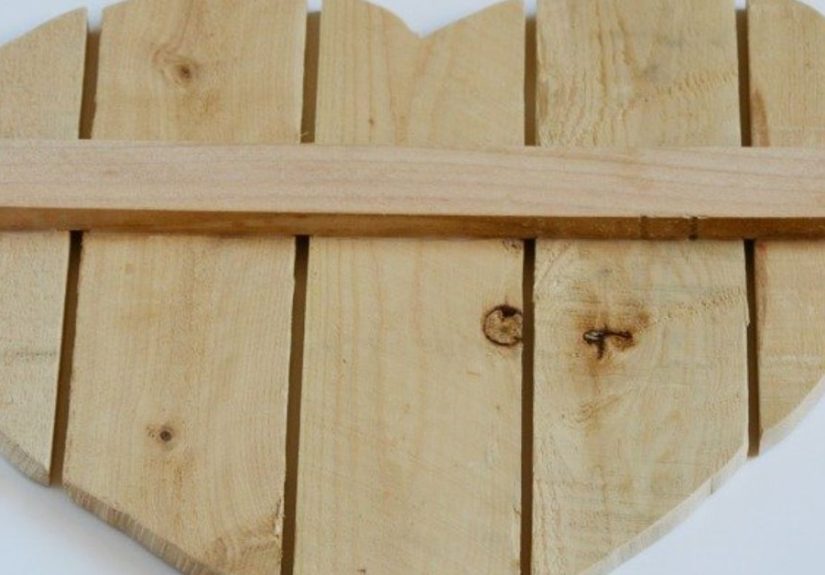
Start by wiping dust from the heart base. If it is unfinished wood, lightly sand rough edges so the paint goes on smoothly. If you are using cardboard, foam, or a repurposed sign, check for loose paper, labels, or uneven surfaces. A clean base gives your finished door hanger a more polished look.
For a grapevine heart wreath, gently shake off loose pieces and check the shape. If the top curve or bottom point looks uneven, reshape it with floral wire. Grapevine is forgiving, which is craft language for “you can wrestle it into place and pretend that was the plan.”
Step 2: Paint the Background
Apply one or two coats of acrylic or chalk paint. Let each coat dry before adding the next. White, blush, red, and natural wood tones are classic choices, but deep burgundy, dusty rose, sage green, navy, or black can create a more modern design.
For a farmhouse look, paint the base white and lightly sand the edges after drying. For a bold Valentine design, paint the base hot pink or red and add white lettering. For a vintage look, use cream paint with brown wax or watered-down tan paint around the edges.
Step 3: Add Pattern or Texture
This is where your heart door hanger starts developing personality. Add stripes with painter’s tape, stencil small hearts, sponge on polka dots, or decoupage scrapbook paper onto the surface. If using paper, apply a thin layer of decoupage medium under the paper, smooth it carefully, and let it dry before trimming edges.
You can also add texture with half-round wooden beads, lace, burlap, ribbon strips, fabric scraps, or faux tile sheets cut into a heart shape. A beaded border around a wood heart gives it a finished frame, while lace softens the look instantly.
Step 4: Create the Focal Point
Every strong door hanger needs one main focal point. That could be a bow, a floral cluster, a painted word, a layered mini heart, or a small sign. Do not place twelve focal points on one heart unless your decorating theme is “craft store explosion, but make it romantic.”
If you are using faux flowers, remove large blooms from their stems and arrange them before gluing. Place larger flowers first, then fill gaps with smaller blossoms, greenery, or berries. For a grapevine heart, tuck stems into the vines and secure them with hot glue or floral wire.
Step 5: Add Lettering
Words like “love,” “welcome,” “be mine,” “xoxo,” “home,” or “hello” work well on heart-shaped door décor. You can use painted wooden letters, vinyl decals, stencils, stickers, or hand lettering. Keep lettering large enough to read from a few feet away.
If handwriting makes you nervous, use a stencil or transfer paper. Another easy trick is to print your word in a font you like, shade the back of the paper with pencil, tape it to the heart, trace the letters, and paint over the transferred outline.
Step 6: Attach the Hanger
Use ribbon, jute twine, baker’s twine, or fabric to create a loop. Attach it securely to the back of the heart with hot glue, staples, or floral wire depending on the base material. For heavier wood door hangers, use a small sawtooth hanger, screw eyes, or strong stapled ribbon.
The hanging loop should be centered so the heart does not lean sideways like it just heard shocking neighborhood gossip. Hold it up before final gluing to check balance.
Step 7: Finish and Seal
Once everything is attached, look at the piece from a few steps back. Trim glue strings, fluff the bow, adjust florals, and make sure no embellishment is loose. If your door hanger will be exposed to weather, spray it with a clear sealer made for crafts. Let it cure fully before hanging.
Design Ideas for Every Decorating Mood
Classic Red and White
Paint the heart red, add white lettering, and finish with a striped or polka-dot bow. This is the most recognizable Valentine’s Day door hanger style, and it looks cheerful from the street.
Soft Pink and Cream
Use blush paint, cream ribbon, pale flowers, and touches of greenery. This palette feels romantic without being too sugary. It also transitions beautifully into early spring décor.
Black, White, and Pink
For a modern look, paint the base white, add black lettering, and use hot pink ribbon or flowers as an accent. The contrast makes the heart pop on neutral doors.
Natural Grapevine and Florals
A grapevine heart with faux flowers is one of the easiest ways to create a professional-looking door hanger. The vines provide texture, while the flowers add color. A simple ribbon loop is often all it needs.
Scrapbook Paper Collage
Cover a wood heart with patterned paper, then layer paint, ribbon, and a small wood word on top. This approach is great for using leftover paper and gives the door hanger a custom boutique feel.
Common Mistakes and How to Avoid Them
Using Too Much Glue
Hot glue is useful, but blobs can look messy. Use small dots or thin lines, press pieces firmly, and remove glue strings before they become part of the décor. Nobody invited the glue spiderwebs.
Ignoring Door Color
A red heart may disappear on a red door. A white heart may look flat on a white door. Choose colors that contrast with your door so the design stands out.
Making the Bow Too Heavy
Large bows are beautiful, but they can overwhelm a small heart. Match the bow size to the base. For a 10-inch heart, keep the bow modest. For an 18-inch heart, go bigger and fluffier.
Skipping Weather Protection
If your hanger will be outdoors, protect painted wood and paper elements with sealer. Covered porches are more forgiving, but rain and humidity can still soften paper, dull paint, and loosen glue over time.
Forgetting Balance
Place heavier decorations near the center or lower middle of the heart. If all the weight sits on one side, the hanger may tilt. A slight tilt can look artsy; a major tilt looks like your heart needs a chiropractor.
Budget-Friendly Tips for Making a Heart Door Hanger
You do not need premium supplies to make a lovely piece. Dollar stores, craft-store clearance aisles, thrift shops, and your own leftover stash can provide excellent materials. Look for wood heart signs, Valentine picks, ribbon rolls, faux florals, small wreath forms, scrapbook paper, and seasonal ornaments that can be repurposed.
Remove old lettering from thrifted signs with sanding or paint over them with primer. Cut apart faux flower bushes instead of buying individual stems. Use fabric scraps instead of ribbon. Repurpose a broken necklace into bead trim. A DIY heart door hanger is friendly to creativity and very forgiving to the wallet.
If you want a high-end look on a small budget, limit your color palette to three main colors. For example, blush, cream, and sage look elegant. Red, white, and black feel bold. Natural wood, ivory, and jute create farmhouse charm. Fewer colors often make inexpensive supplies look more intentional.
Where to Hang Your DIY Heart Door Hanger
The front door is the obvious choice, but it is not the only one. Hang your heart on an interior door, pantry door, nursery wall, mantel, mirror, entryway hook, gallery wall, or above a small console table. A smaller heart can even be tied to the back of a dining chair for a party or Valentine brunch.
To hang it without damaging the door, use an over-the-door wreath hook, removable adhesive hook, ribbon secured over the top of the door, or a magnetic hook if your door allows it. Always check the weight of your hanger before choosing the hardware.
Experience Notes: What Real DIY Heart Door Hanger Projects Teach You
The first experience most people have with a DIY heart door hanger is discovering that the project looks easy because it actually is easybut only if you slow down during the layout stage. The temptation is to glue the first flower, bow, or wooden word the second inspiration strikes. Resist. Lay everything out first. Move the bow up, down, left, right, and then back to the exact spot where it started. That little design dance saves you from prying off hot glue later, which is nobody’s idea of romantic crafting.
Another lesson is that texture matters more than quantity. A plain painted heart can look cute, but a painted heart with a little ribbon, a beaded edge, raised lettering, or a small floral cluster looks finished. You do not need to cover every inch. In fact, leaving breathing room often makes the piece feel cleaner and more expensive. A simple white wooden heart with one pink rose, eucalyptus sprigs, and a linen bow can look more elegant than a heart loaded with every red object in the supply bin.
Paint choice also changes the mood. Glossy acrylic paint creates a bright, playful look, while chalk paint gives a softer farmhouse finish. If the heart looks too new, lightly sand the edges after painting. That one step adds character quickly. For vintage designs, a tiny bit of brown wax or watered-down tan paint around the edges can make a fresh craft-store blank look like something found in a charming antique booth.
Bow-making is often where crafters lose patience. The secret is wired ribbon. It holds shape, fluffs easily, and forgives imperfect loops. Cut ribbon ends into a dovetail shape for a polished finish. If the bow still looks odd, add greenery behind it or a small flower in the center. Suddenly, it looks intentional. Crafting is partly skill and partly knowing where to hide the evidence.
Door color is another practical detail. A soft pink heart may look beautiful on a black, navy, green, or natural wood door, but it can disappear on a pale beige door. Before finalizing colors, hold the unfinished base against the door and step back. Natural light changes everything. What looks bold on the craft table may look sleepy outside.
Durability is worth thinking about from the beginning. If your front door gets direct afternoon sun, paper embellishments may fade. If your porch is damp, unsealed wood may warp. A covered porch gives you more freedom, while an exposed door needs stronger glue, floral wire, and protective sealer. For long-term use, avoid placing delicate paper flowers where rain can reach them.
Finally, the best heart door hangers usually include a personal detail. Use ribbon from a leftover gift, colors from your home, a tiny charm, a family initial, or a phrase that feels like you. A handmade door hanger should not look like it came from a factory. It should look like someone had fun making itand maybe only burned one finger on hot glue. That is the true badge of DIY honor.
Conclusion
A DIY heart door hanger is simple, affordable, and surprisingly satisfying. With one heart-shaped base and a handful of craft supplies, you can create front-door décor that feels warm, personal, and seasonally fresh. Whether you choose rustic grapevine, painted wood, floral romance, vintage paper, or playful Valentine colors, the project is easy to customize for your home.
The key is to start with a clear style, build around one focal point, use balanced colors, and secure everything well. Add a hanger, seal it if needed, and your door is ready to greet guests with handmade charm. It is a small project with a big personalitybasically the craft version of a love note taped to your front door.