Table of Contents >> Show >> Hide
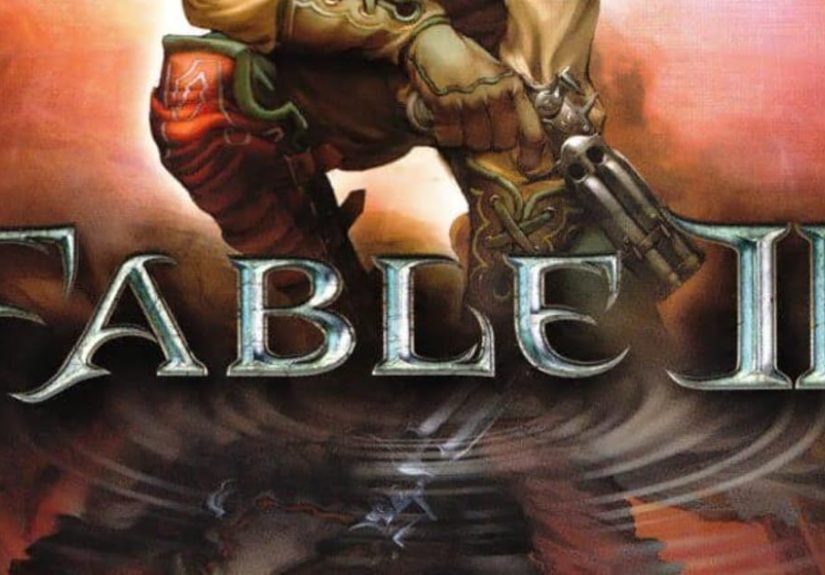
Depending on who you ask, Fable II is either one of the best action RPGs of the Xbox 360 era or a charming, buggy mess that never quite delivers on its big promises.
More than a decade later, players are still arguing about its morality system, side quests, and whether it’s really the high point of the Fable series.
So let’s break down how Fable II is ranked today, what it actually does well (and not so well), and why people are still emotionally attached to a game that lets you kick chickens for fun.
How Fable II Is Generally Ranked Today
Critical rankings: still a top-tier RPG
When Fable II launched on Xbox 360 in 2008, critics were extremely kind. Reviewers praised its vibrant world of Albion, witty writing, and orchestral soundtrack, calling it a
must-play RPG of its generation. Many outlets highlighted how it refined the first game’s ideas with better pacing, more interesting side quests, and a main story that actually felt
epic instead of cutting off just when things got exciting.
Even years later, retrospective reviews and “best of” lists often rank Fable II as the strongest entry in the trilogy. The Game of the Year Edition, which bundled its DLC, has been
described as one of the most memorable RPG packages on the platform. While visuals have aged, its painterly art direction and cozy fantasy aesthetic still hold up surprisingly well.
Player rankings: love, frustration, and nostalgia
Among players, Fable II rankings and opinions are more divided. Many longtime fans swear this is the peak of the series, praising:
- The emotional connection with the dog companion.
- The freedom to play as ridiculously good or hilariously evil.
- The cozy, semi-open world that feels lived-in rather than overwhelming.
Others rank it lower because of frequent bugs, long loading screens, and a combat system that can feel too simple once you understand its rhythm. There’s also debate over the game’s
difficulty: some players love that it’s approachable, while others complain that it’s nearly impossible to truly “fail” once you’ve unlocked enough skills and upgraded your gear.
Still, if you look across forums and community discussions, a recurring pattern emerges: even people who are annoyed by Fable II’s flaws usually admit they had a good time
in Albion. It’s the kind of game that might make you roll your eyes at its jank and then immediately start a new playthrough anyway.
Ranking Fable II’s Core Systems
Story and worldbuilding
At its core, Fable II tells a straightforward but effective revenge story. You begin as a poor child in Bowerstone, experience a major tragedy, and then grow into the Hero of Bower Lake,
eventually confronting the villainous Lucien. It’s not the most complex plot in RPG history, but the game keeps things engaging with:
- Time skips that show your character aging and the world changing.
- Memorable NPCs like the mysterious Theresa and the delightfully awful Reaver.
- Regional flavor in areas like Old Bowerstone, Bloodstone, and Oakfield, each with its own mood and local drama.
The world of Albion feels small by modern open-world standards, but that’s part of the charm: you learn the layout of towns, recognize regular NPCs, and get a sense
that your actions leave a mark. Many players rank the worldbuilding higher than the plot itself because the setting feels like a magical, slightly sarcastic fairytale.
Morality and choice system
Fable II’s morality system is one of its most discussed features. The game tracks Good/Evil and Purity/Corruption.
Save townsfolk, donate to temples, and eat healthy food and you’ll glow with a halo and attract adoring fans. Raise village rents, commit crimes, and chow down on meat pies
and you’ll sprout horns and become a walking red flag.
From a ranking standpoint, players often put the morality system in the “fun but shallow” tier. The choices are visually dramatic and emotionally punchy, but the underlying logic
can feel simplistic. Certain mutually exclusive quests like defending a peaceful settlement versus participating in a bloody massacre pack real weight, yet some decisions
are clearly labeled as “good path” or “evil path,” making them feel less nuanced than modern moral-choice systems.
Combat, skills, and magic
Fable II’s combat is built around three core disciplines: melee, ranged, and “Will” (magic). Each is mapped to a single button, and you’re encouraged to mix them into smooth,
stylish combos. The game showers you with dramatic slow-motion finishers, swirling spells, and satisfying knockbacks that make even basic fights look cinematic.
When players rank the game’s systems, combat often lands in the “fun but easy” category:
- Pros: accessible, flashy, and great for casual players.
- Cons: lacks depth for hardcore action-RPG fans; many encounters can be steamrolled once you’re fully leveled.
It’s less about precise timing and more about feeling like a powerful fantasy hero which fits the game’s tone, even if it doesn’t satisfy min-maxers looking for crunchy systems.
Side quests and optional content
Ask Fable II fans what they remember most and many will name the side quests rather than the main storyline. The game’s optional missions are where the humor
and creativity really shine. Community lists of the best side quests frequently highlight adventures like:
- Treasure Island of Doom! – a pirate-themed romp with a silly twist.
- The Gargoyles – a world-spanning hunt that has you tracking down rude stone faces mocking you from the rooftops.
- Castle Fairfax – a multi-step quest line that lets you eventually purchase and explore one of the grandest estates in Albion.
- T.O.B.Y. – a morally twisted charity with “donations” that are anything but wholesome.
In most fan rankings, these side quests push Fable II far above a lot of contemporaries. The missions are bite-sized, memorable, and packed with jokes the kind of content you
retell to friends years after you’ve put the controller down.
Best Weapons, Characters, and DLC: How Fans Rank Them
Legendary weapons
Fable II includes a batch of legendary weapons that often show up in ranking lists and guides. While players have their personal favorites, several weapons tend to
float toward the top:
- The Red Dragon – a powerful pistol known for its accuracy and damage output.
- The Enforcer – a shotgun-style firearm that absolutely wrecks enemies at close range.
- The Daichi – a katana beloved for its speed and high damage.
- Hammer & axe variants with strong augments that fit specific builds.
Many players treat legendary weapons more as style enhancers than pure stat sticks. They’re part of the fantasy of becoming a legendary hero, especially when combined
with flashy armor sets and maxed-out combat skills.
Most memorable characters
When fans rank Fable II’s characters, a few names almost always appear:
- Reaver – a narcissistic, immortal gunslinger with razor-sharp one-liners.
- Theresa – the enigmatic seer who quietly pushes your story forward.
- Lucien Fairfax – not the deepest villain, but a solid anchor for the revenge plot.
- Your faithful dog – arguably the emotional heart of the game.
The dog in particular is ranked extremely high in emotional impact. It helps you dig up treasure, warns you of enemies, and reacts to your moral alignment.
For many players, the late-game choice involving your furry companion is one of the most gut-punch decisions in the entire series.
DLC and extra content
Fable II’s main DLC expansions Knothole Island and See the Future tend to land in the “good but not essential” tier in most rankings.
They add new areas, quests, gear, and a bit of extra story, with some critics praising them as nice excuses to revisit Albion. Others feel they don’t quite match
the quality and emotional highs of the base game.
The Pub Games download, which lets you gamble for in-game gold before starting your adventure, is usually ranked much lower. Many players consider it a forgettable
add-on that aged poorly once microtransaction-adjacent mechanics fell out of favor.
Where Fable II Stumbles in the Rankings
For all its charm, Fable II has some well-documented problems that drag down its ranking for certain players:
- Technical issues: Bugs, glitches, and occasional performance hiccups can break immersion.
- Unbalanced difficulty: Once your character is highly leveled, most combat encounters become trivial.
- Binary moral framing: Despite having multiple stats, many choices still feel like obvious “good” or “evil” toggles.
- Clunky co-op: The co-op mode was ambitious for its time but often criticized as awkward and limited.
These flaws are why some rankings place Fable II below modern RPGs with tighter combat, smarter AI, and more nuanced moral systems. But the game’s personality, humor,
and atmosphere still keep it competitive in discussions about beloved classics.
Final Verdict: Where Does Fable II Rank Today?
So, where does Fable II land in 2025? If we mash together critic scores, community nostalgia, and modern expectations, it roughly looks like this:
- Within the Fable series: Frequently ranked #1, occasionally tied with the first game for pure novelty.
- Among Xbox 360 RPGs: A strong upper-tier title not as deep as some giants of the era, but more charming and approachable than many.
- By modern standards: A cozy, slightly janky comfort game that still shines if you treat it like a storybook RPG, not a systems-heavy epic.
If you enjoy moral choices that are dramatic rather than subtle, love British humor, and want an RPG that doesn’t require a spreadsheet to understand,
Fable II is still very easy to recommend. If you’re chasing hardcore mechanical depth and punishing difficulty, you might come away ranking it a bit lower
but probably still humming its soundtrack and missing that dog.
Player Experiences and Opinions: Life in Albion (Extra Section)
Numbers and rankings are useful, but Fable II really lives in the stories people tell about it. Ask fans why they care about the game and they rarely quote
review scores they talk about the weird, personal moments that only happened in their playthrough.
Maybe your Hero was a halo-glowing paragon who donated to every temple, married their sweetheart in a peaceful village,
and refused to raise rents even when gold was tight. Your house became a parade route of cheering NPCs, and your dog bounded around like a furry celebrity.
You probably spent more time doing goofy expressions for crowds than actually saving the world.
Or maybe you went full villain. You joined the darker factions, bought up property across Albion, and then cranked rents so high that villagers cursed whenever you walked past.
Your character sprouted horns, your dog’s fur turned darker, and everywhere you went, people screamed or ran away. Technically you were the “Hero,”
but in practice you were Albion’s worst landlord with a sword.
Relationships are another big source of stories. Fable II lets you flirt, marry, and even maintain multiple households if you’re willing to juggle the chaos.
Some players lovingly talk about one spouse they always choose on each replay, treating that NPC as part of their personal canon. Others gleefully confess to
accidentally (or “accidentally”) ruining in-game marriages by forgetting anniversaries, disappearing for long adventures, or, you know, starting a massacre nearby.
The game doesn’t just track stats it tracks your little soap opera.
Then there are the side quests that quietly stick in people’s memories. That one creepy mission that made you question whether you’d done the right thing.
The treasure hunt that had you combing every corner of a region, swearing you’d find that last hidden prize before you turned off the console.
The sarcastic stone gargoyle roasting your fashion choices from the top of a building while you try to line up the perfect shot to silence it forever.
What makes these experiences special is that they feel handcrafted but still personal. The underlying systems are the same for everyone,
yet the combination of choices, timing, and random NPC reactions makes each playthrough feel unique. You might remember the same main story beats as other players,
but the specific way you decorated your home, the spouse you chose, the way you handled certain moral crossroads, and the fate of your dog all give your version of
Albion its own flavor.
Of course, not all experiences are rosy. Some players vividly recall save files ruined by glitches, getting stuck in geometry, or losing huge amounts of gold in seconds
because of a bad decision at a pub game or a misclick on a property menu. Others share frustration about how some big decisions are undercut by later story moments,
or how the final confrontation doesn’t quite give the payoff they hoped for after such a long journey.
Yet even the complaints often sound weirdly affectionate like grumbling about a friend who never shows up on time but is still your favorite person to hang out with.
That emotional attachment is a big reason Fable II continues to rank high in hearts, even when more modern games surpass it in polish and complexity.
When a game can spark debates years later about which quest was best, which weapon felt coolest, and whether you were justified in becoming an utterly corrupted landlord,
it has clearly done something right.
In the end, Fable II rankings and opinions come down to what you value most in an RPG. If you want airtight mechanics and perfectly balanced systems,
you’ll find plenty to criticize. But if you care more about atmosphere, humor, and the feeling that your choices however exaggerated really matter in a cozy fantasy world,
Fable II still deserves a spot near the top of your list.
SEO Summary
sapo: Fable II may be more than a decade old, but its rankings and opinions are still fiercely debated.
Critics once hailed it as one of the Xbox 360’s standout RPGs, and many fans still call it the best game in the series thanks to its emotional dog companion,
charming side quests, and over-the-top morality system. Others point to its bugs, easy combat, and sometimes simplistic choices as reasons to rank it lower against modern RPGs.
In this in-depth breakdown, we explore how Fable II stacks up today from its story, systems, and DLC to legendary weapons and unforgettable characters and share the
kinds of personal experiences that keep players returning to Albion for “just one more” playthrough.