Table of Contents >> Show >> Hide
- The big forces shaping food trends right now
- Trend 1: Protein everywhere (and not just for gym bros)
- Trend 2: Plant-forward goes 2.0 (less pretending, more delicious)
- Trend 3: Crunch is the love language of 2025–2026
- Trend 4: Swicy (sweet + spicy) isn’t going anywhere
- Trend 5: Southeast Asian flavor influence keeps rising
- Trend 6: Pickled, fermented, and “live” foods get a glow-up
- Trend 7: Hydration and functional beverages take over the fridge
- Trend 8: Aquatic ingredients, seaweed, and the “tinned fish era”
- Trend 9: Sustainability, upcycled ingredients, and smarter waste
- Trend 10: “Attainable opulence” and small luxuries (plus packaging that begs to be posted)
- How to spot a real trend vs. a one-week internet moment
- What these food trends mean for home cooks, restaurants, and brands
- Experiences: what “food trends” feel like in real life (extra 500+ words)
- Conclusion
Food trends aren’t just “what’s new.” They’re the clues that tell you what people value right nowcomfort, health,
convenience, adventure, sustainability, and yes, a little bit of “treat yourself” energy. If you’ve ever looked up from
your grocery cart and thought, When did everyone collectively decide we all needed chili crisp?congrats, you’ve
witnessed a trend in the wild.
This guide breaks down today’s biggest food trends shaping U.S. kitchens, restaurant menus, and snack aisles. We’ll
focus on what’s actually sticking (not just a one-week internet frenzy), why it’s happening, and what it means for the
way we eat now.
The big forces shaping food trends right now
1) Value matters, but “worth it” matters more
Inflation and menu prices changed how people spend, but not necessarily their curiosity. Many diners will cut back on
frequency, then splurge strategicallyon a craveable sauce, a special snack, or an experience that feels unique. That’s
why trends often cluster around small upgrades (a new topping, a bold condiment, a better texture) rather than huge
overhauls.
2) Social media turns snacks into headlines
Trends now travel at Wi-Fi speed. A viral bowl, a “3-ingredient” hack, or a new coffee order can ripple from TikTok to
grocery shelves fast. Search behavior tells the same story: when certain ingredients and mashups spike in interest,
brands and restaurants noticeand respond.
3) Health and wellness are driving product design
You don’t have to be a gym person to notice it: “high protein,” “gut-friendly,” “hydration,” and “functional” claims
are everywhere. Consumer surveys show rising focus on protein, and the functional foods space keeps expanding with
products positioned for energy, hydration, and everyday performance support.
4) Sustainability isn’t a side quest anymore
Sustainability shows up as waste reduction, “upcycled” ingredients, more plant-forward options, and interest in
sourcing stories. Even when shoppers are budget-conscious, sustainability still influences what feels modern, ethical,
and brand-worthy.
5) Flavor tourism is booming
Americans are hungry for global flavorsespecially those that feel specific and regional. Instead of “Asian-inspired,”
you’ll see Thai basil, Filipino calamansi, Indonesian sambal, Korean kimchi, Peruvian aji amarillo, and West African
spice blends getting named, celebrated, and built into signature items.
Trend 1: Protein everywhere (and not just for gym bros)
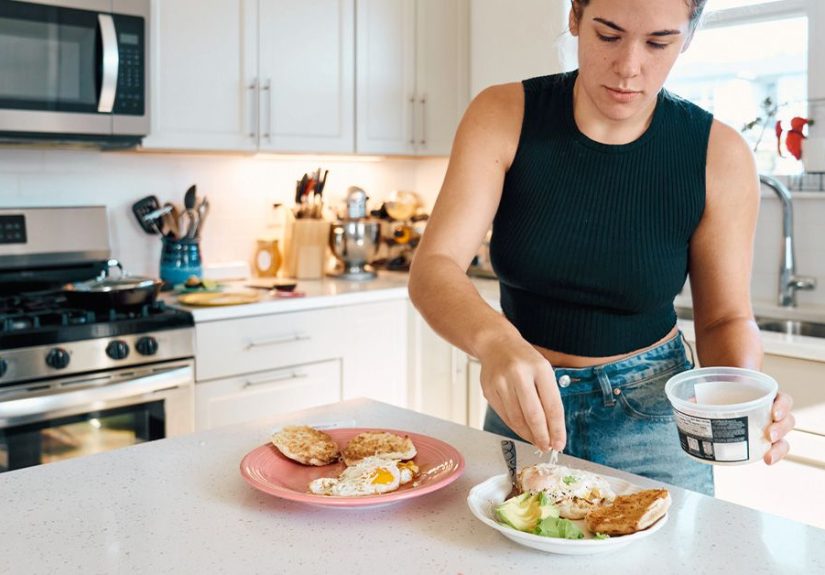
Protein has become the universal “I’m making a good choice” shorthandshowing up in breakfast, snacks, coffee drinks,
and restaurant menu builds. Yogurts, smoothies, bars, and even everyday staples are getting protein-forward upgrades.
In consumer research, more Americans report actively trying to consume protein year over year, and brands have leaned
in hard with new formats and clearer labeling.
What’s different now is the tone: protein isn’t being marketed only as muscle fuel. It’s being framed as
“keep you full,” “support your day,” “easy win,” and “simple nutrition.” Expect more protein in portable, snackable
formatsbecause modern life is basically one long meeting with a side of errands.
Examples you’ll see: cottage-cheese-based bowls and bakes, Greek yogurt “dessert” cups, high-protein
smoothies, and fast-casual meals that foreground protein as the default anchor.
Trend 2: Plant-forward goes 2.0 (less pretending, more delicious)
Plant-based eating is evolving. The first wave focused on mimicryburgers that act like burgers, nuggets that act like
nuggets. The newer wave is more flexible and flavor-driven: beans, lentils, tofu, tempeh, mushrooms, grains, and
vegetables that aren’t trying to cosplay as anything else.
Plant-forward also shows up as “blended” buildswhere plants and animal proteins share the spotlight. This approach can
hit multiple goals at once: taste, texture, cost, and sustainability. It also fits how many people actually eat:
practical, not perfect.
Examples you’ll see: mushroom-lentil tacos, veggie-forward dumplings, grain bowls with bold sauces,
and snacks that use legumes or seeds for crunch and protein.
Trend 3: Crunch is the love language of 2025–2026
Texture is having a main-character moment. Crunch signals freshness, indulgence, and “this is fun to eat.” It also
photographs well, whichlet’s be honestis basically a modern food group.
Retailers and trend forecasters have called out crunch as a key direction, and you can see it across categories:
crispy toppings, toasted grains, kettle chips with global seasonings, and “extra crunchy” versions of classic snacks.
Examples you’ll see: chili crisp on everything, crispy onion/shallot toppers, toasted quinoa and
pepitas in salads, crunchy “snack mix” toppings, and dumplings designed for crisp edges.
Trend 4: Swicy (sweet + spicy) isn’t going anywhere
If you’ve been hearing the word “swicy” and pretending you didn’tthis is your moment. The sweet-and-spicy combo is
one of the stickiest flavor trends because it works across cuisines and product types. It can feel comforting (like
honey) and exciting (like chili) at the same time, which is basically the emotional arc of modern snacking.
Menu data and flavor reporting have highlighted fast growth in spicy items, and industry observers keep pointing to
spicy-sweet as a crowd-pleasing gateway into bolder heat. Hot honey became a poster child for the trend, but it’s not
alone: chamoy-style flavors, chili-lime blends, fruity peppers, and sweet-heat glazes keep expanding the category.
Examples you’ll see: hot honey drizzles, sweet-heat chicken sandwiches, mango-chili sauces, spicy
chocolates, spicy fruit snacks, and spicy-sweet beverages.
Trend 5: Southeast Asian flavor influence keeps rising
Chefs and trend forecasters have repeatedly pointed to Southeast Asian cuisines as major sources of menu momentum. That
doesn’t mean “everything tastes like one thing.” It means the pantry is expanding: lemongrass, pandan, fish sauce,
coconut, Thai basil, sambal, and region-specific chili styles are becoming familiar to more Americans.
The key shift is specificity. The new trend language is “sauce from somewhere,” not “generic heat.” People want flavors
with an identitysomething you can learn, name, and keep in your rotation.
Examples you’ll see: pandan desserts, ube-flavored sweets, chili crisp variations, noodle bowls with
regional sauces, and dumpling concepts that borrow from multiple traditions.
Trend 6: Pickled, fermented, and “live” foods get a glow-up
Fermented and pickled foods sit at the intersection of flavor and wellnesstangy, punchy, and often tied to gut health
interest. Kimchi and pickled vegetables have been called out as “hot” for menus because they add complexity quickly
and pair well with bowls, sandwiches, and snack plates.
On the retail side, you’ll see “live” language in some categories (especially vinegars and fermented beverages). The
appeal isn’t just health framingit’s also culinary: acidity makes food taste brighter, richer, and more balanced.
Examples you’ll see: kimchi on burgers, pickled veggie sides, vinegar-forward dressings, fermented hot
sauces, and snack boards built around briny, tangy bites.
Trend 7: Hydration and functional beverages take over the fridge
Beverage trends are moving beyond “coffee vs. soda.” Hydration-focused drinksoften positioned with electrolytes,
minerals, botanicals, or functional ingredientshave been highlighted by major grocery trend forecasts. Meanwhile,
functional foods reporting continues to note growth in products marketed around energy and hydration.
The cultural shift is simple: people want drinks that feel like they’re doing something, even if that “something”
is just helping you feel less like a dried-up houseplant at 3 p.m.
Examples you’ll see: ready-to-drink hydration beverages, sparkling waters with fruit and botanical
notes, tea-based drinks with flavor twists, and cold-brew innovation that moves beyond “vanilla or caramel.”
Trend 8: Aquatic ingredients, seaweed, and the “tinned fish era”
Seaweed, kelp, and other aquatic ingredients keep showing up as “next wave” ingredientspartly because they fit
sustainability narratives and partly because they’re genuinely useful in modern eating (snackable, salty, umami-rich).
Add to that the “tinned fish glow-up,” where canned seafood goes from pantry backup to intentional meal component.
This trend pairs perfectly with the bigger shifts toward snack plates, small luxuries, and foods that feel curated.
Examples you’ll see: seaweed snacks, kelp noodles, savory seaweed seasonings, and snack boards with
tinned seafood, crackers, pickles, and bright sauces.
Trend 9: Sustainability, upcycled ingredients, and smarter waste
Sustainability shows up in many forms: less packaging, more efficient ingredients, and “upcycled” products that turn
would-be waste into something delicious. Restaurants also chase sustainability by tightening menus and reducing food
wastebecause nothing says “modern operations” like not throwing money into the trash.
For consumers, the trend is increasingly about tradeoffs: choosing options that feel better for the
planet without feeling like a lecture. Brands that make sustainability convenient (and tasty) get rewarded.
Examples you’ll see: snacks made with upcycled grains, products that emphasize traceable sourcing, and
menu language that spotlights seasonal or locally influenced ingredients.
Trend 10: “Attainable opulence” and small luxuries (plus packaging that begs to be posted)
A defining trend in the U.S. right now is the rise of small luxuries: foods that feel special without
requiring a special occasion. That can be an upgraded sauce, a limited-time flavor, or a “restaurant-at-home” snack
board. Flavor forecasting has also leaned into elevated everyday cookingmaking ordinary meals feel more dramatic with
bold, specific flavors.
Packaging plays a role too. Decorative, giftable, and “aesthetic” designs help products stand out in crowded aisles
and social feeds. People don’t just buy foodthey buy the vibe.
Examples you’ll see: limited-edition flavors (like fruit-forward “fancy” notes), premium condiments,
globally inspired sauces, and curated snacks with standout design.
How to spot a real trend vs. a one-week internet moment
Not every viral recipe becomes a lasting food trend. Here’s what separates the “here today, gone tomorrow” from the
trends that reshape shelves and menus:
- Repeatability: People keep buying it after the first try.
- Versatility: It works across meals and cuisines (sauces and crunchy toppings win here).
- Supply chain support: Brands can produce it consistently, and restaurants can execute it reliably.
- Category expansion: One product turns into a family of products (e.g., spicy-sweet spreads, snacks, and sauces).
- Staying power in menus: Operators invest in it beyond a limited-time test run.
What these food trends mean for home cooks, restaurants, and brands
For home cooks
The “winning” home strategy right now is building a pantry that delivers maximum flavor with minimal effort:
interesting sauces, crunchy toppers, and globally inspired seasonings. That’s how you make Tuesday dinner taste like it
had a personality.
For restaurants
Restaurants are balancing cost pressures with the need to keep menus exciting. Trends like fermentation, bold sauces,
and global flavors let chefs deliver novelty without rebuilding the whole menu. Smaller menus executed well can also
reduce waste and improve consistency.
For brands
Brands are competing on clarity and function: protein-forward positioning, hydration cues, and “better-for-you” frames,
alongside trend-led flavors. The brands winning attention are the ones that make a trend feel accessible, not intimidating.
Friendly note: Food trends can be inspiring, but your needs are personal. If you’re making big dietary changes
for health reasons, it’s smart to check in with a qualified health professional.
Experiences: what “food trends” feel like in real life (extra 500+ words)
If you want to understand food trends, don’t start with a headlinestart with a normal day. Picture your regular week:
you pop into a coffee shop, grab something from a grocery store, order lunch, and scroll your phone while the microwave
does its thing. Food trends show up in those tiny moments, like background music you suddenly realize you’ve been
humming.
For example, you might notice that your “quick breakfast” options look different than they did a couple years ago.
Yogurt cups and smoothies don’t just promise flavor anymorethey promise function. Protein is front and
center, sometimes in big bold letters like it’s running for office. Even snacks feel like they’re auditioning to be
“mini meals,” with combos designed to keep you satisfied between school, work, practice, or whatever your schedule
throws at you.
Then there’s the texture era. You’ll see it in salads topped with crunchy bits that used to be optional, in snack mixes
that feel engineered for maximum crispness, and in restaurant bowls that come with a “crunch layer” on purpose. The
experience is part taste, part soundbecause apparently modern dining wants to be a little bit ASMR without saying the
quiet part out loud.
Global flavors show up in a very “everyday” way too. Instead of needing a special trip across town, you start noticing
ingredients and sauces that used to feel niche becoming normal. One week it’s a new chili sauce at the table; the next
week it’s a pantry aisle filled with region-specific seasonings. You don’t need to know the entire culinary history of
a dish to enjoy ittrends make those flavors more available, and availability turns curiosity into habit.
Sweet-and-spicy is another trend you can practically experience with your eyes closed. You’ll notice it in the way
sauces taste “rounder”a little heat, a little sweetness, a little tang. The experience is that you get excitement
without punishment. It’s spicy enough to feel interesting, but not so spicy your mouth files a formal complaint. And
because it works on everythingsnacks, sandwiches, glazes, even some dessertsit keeps showing up like that one friend
who always gets invited because they’re good in every group chat.
Even packaging has a “trend experience.” You’ll see more products that look giftable, collectible, or photo-ready.
Sometimes you buy it because it tastes great; sometimes you buy it because it looks like it belongs in your kitchen.
(No judgment. We all have at least one item in our pantry that’s there for vibes.)
Finally, you’ll notice that trends aren’t always about brand-new foods. Sometimes the experience is a new
reason to eat an old favorite: a fermented twist, a better texture, a bolder sauce, a more convenient
format, or a clearer nutrition angle. In real life, that’s what makes a trend stick. It doesn’t demand you become a
totally different person with a totally different diet. It just nudges your everyday choices in a slightly new
directionone crunchy topping, one spicy-sweet drizzle, and one “wait… this is actually good” snack at a time.