Table of Contents >> Show >> Hide
- The Big Picture: What Is Driving Food Trends Right Now?
- 1. Protein Is Still the Main Character
- 2. Global Flavors Are Becoming Everyday Comfort Food
- 3. Snacks Are Replacing Meals
- 4. “Healthy” Now Means Practical, Not Perfect
- 5. Texture Is Suddenly a Huge Deal
- 6. Vegetables Are No Longer Supporting Actors
- 7. Value and Convenience Are Shaping Every Category
- 8. Sustainability Still Matters, but It Has to Feel Real
- Why These Food Trends Matter for the Future
- Experiencing Food Trends in Real Life
- Conclusion
Food trends are not just about whatever shows up on TikTok between a dance challenge and a suspiciously green smoothie. They reveal how people want to live, eat, save money, stay healthy, and still have a little fun with dinner. Right now, the biggest food trends in the United States are being shaped by a few powerful forces at once: health goals, tighter budgets, global flavor curiosity, convenience, and the simple desire for food that feels exciting without becoming exhausting.
That combination has created a fascinating moment in American food culture. Consumers want meals that work harder, snacks that feel more substantial, ingredients with a story, and flavors bold enough to justify a second bite. In other words, people are not just asking, “Is this tasty?” They are also asking, “Is it good for me, easy to make, worth the money, and interesting enough that I won’t get bored by Thursday?” That is a lot to ask from lunch, but modern food trends are trying their best.
The Big Picture: What Is Driving Food Trends Right Now?
The current food landscape is not being shaped by one giant trend. It is being shaped by overlapping consumer priorities. Health and wellness remain major drivers, but the definition of “healthy” has changed. People still care about nutrition, yet they increasingly want practical benefits they can understand at a glance: protein, fiber, less sugar, fresher ingredients, and foods that feel minimally processed. At the same time, many shoppers are watching prices closely, which means value matters almost as much as aspiration.
Another major shift is cultural openness. American eaters have become more comfortable with flavors and ingredients that once felt niche. Thai basil, miso, gochujang, yuzu, tamarind, seaweed, kimchi, and fish sauce are no longer reserved for specialty shelves and chef-driven restaurants. They are moving into grocery stores, snack aisles, quick-service menus, frozen meals, sauces, and home kitchens.
And then there is convenience. Many people still cook at home, but they want shortcuts that do not taste like compromise. That is why prepared foods, snack-style meals, protein-forward convenience products, frozen meals with better flavor, and restaurant-quality options for home are all gaining traction. Americans want dinner to be easier, but they do not want it to feel like a sad microwave apology.
1. Protein Is Still the Main Character
If one theme dominates today’s food trend conversation, it is protein. Not glamorous protein, either. Not just bodybuilder protein in a shaker bottle with a label that screams in all caps. Everyday protein. Cottage cheese. Greek yogurt. Beans. Nuts. Jerky. Egg-based snacks. Higher-protein breads, cereals, chips, soups, and frozen foods. Protein has gone from fitness niche to grocery store default.
This trend makes sense. Consumers increasingly associate protein with satiety, energy, muscle support, healthy aging, and weight management. Brands have noticed, of course, which is why protein now shows up in foods that used to rely on pleasure alone. Brownies have protein. Chips have protein. Coffee drinks have protein. Before long, your napkin may start making claims.
Still, the most interesting part of the protein trend is not just the amount of protein added. It is the form. Shoppers are showing more interest in protein beyond powders and bars. They want foods that feel normal, tasty, and easy to work into everyday routines. That is why protein-forward snacking and meal-building have become such strong food industry trends. People want a smarter breakfast, a more filling snack, and a lunch that does not leave them raiding the pantry at 3 p.m.
2. Global Flavors Are Becoming Everyday Comfort Food
One of the most exciting food trends is the continued mainstreaming of global flavors. American consumers are still hungry for culinary discovery, but that curiosity is becoming more specific and more confident. Instead of vague “international-inspired” dishes, there is growing enthusiasm for ingredients, formats, and regional flavors that bring real identity to the table.
Southeast Asian flavors are especially influential, with Thai, Vietnamese, and Filipino foods appearing more often on restaurant menus and in retail products. East Asian ingredients remain strong as well, from miso and Japanese curry to Korean barbecue sauce and gochujang. Fermented elements such as kimchi and pickled vegetables continue to resonate because they hit multiple consumer desires at once: bold flavor, perceived healthfulness, and a sense of culinary sophistication without requiring a plane ticket.
Even better, these flavors are no longer limited to dinner. They are moving into snacks, condiments, frozen foods, pastries, sandwiches, and sauces. Dumplings, chili crisp, tamarind-forward products, seaweed snacks, and savory umami-rich desserts all point to a broader truth: global flavor is no longer a side quest. It is the plot.
3. Snacks Are Replacing Meals
Traditional meal structure is getting blurrier. Breakfast can be a drink, lunch can be three snacks and a coffee, and dinner can be a rotisserie chicken with whatever is left in the vegetable drawer. Far from being a temporary habit, this “snacks as meals” behavior is one of the clearest restaurant and grocery trends right now.
That shift is changing product development. Snacks are getting more substantial, more portable, and more nutritionally strategic. Consumers are looking for bites that can offer protein, crunch, convenience, and maybe even a tiny sense of virtue. Yogurt drinks, cheese packs, refrigerated handhelds, snack bars, savory bakery items, chicken bites, protein pockets, and frozen mini-meals all fit into this pattern.
It also explains why texture matters so much. A snack that replaces a meal needs to be satisfying in more than one way. It has to taste good, feel substantial, and ideally make a person believe they made a responsible adult decision. That is a lot of pressure for a cheese cube, but here we are.
4. “Healthy” Now Means Practical, Not Perfect
Healthy food trends have moved away from extreme restriction and toward simple, visible benefits. Consumers are paying more attention to protein, fiber, lower sugar, fresher ingredients, minimal processing, and foods that support energy or overall well-being. That does not mean indulgence is gone. It just means indulgence is increasingly expected to come with a little nutritional backup.
This is why functional foods and beverages keep growing. Shoppers are interested in products that promise hydration, energy, focus, gut-friendly ingredients, or other wellness-related benefits. Tea, mushrooms, alcohol-free beverages with calming or adaptogenic ingredients, and nutrition-minded snacks all fit into this category. Some of these products are rooted in solid nutritional logic. Others are dressed in trendy language and hoping nobody asks too many follow-up questions.
That tension is important. Not every food trend deserves unquestioned praise. Some go viral because they are useful, while others go viral because they are weird enough to earn views. The smartest consumers and strongest brands will be the ones that separate science-backed value from shiny nonsense. A “healthy” cookie can still be a cookie. Which is fine. Cookies deserve joy, too.
5. Texture Is Suddenly a Huge Deal
For years, flavor dominated the food trend conversation. Now texture is getting some overdue attention. Crunch, crispness, layered bite, and contrast are becoming central to how foods are designed, marketed, and remembered. Consumers want sensory payoff, and crunchy foods deliver it quickly.
That is one reason crunchy toppings, chile crisp, crisped grains, textured snack mixes, and salty-crunchy packaged snacks are everywhere. Texture makes food feel more exciting, more premium, and more satisfying. It can also make healthier foods feel more craveable. A roasted vegetable bowl with something crispy on top simply has better odds in the modern marketplace. We may not all agree on politics, but most of us can agree that a little crunch improves morale.
6. Vegetables Are No Longer Supporting Actors
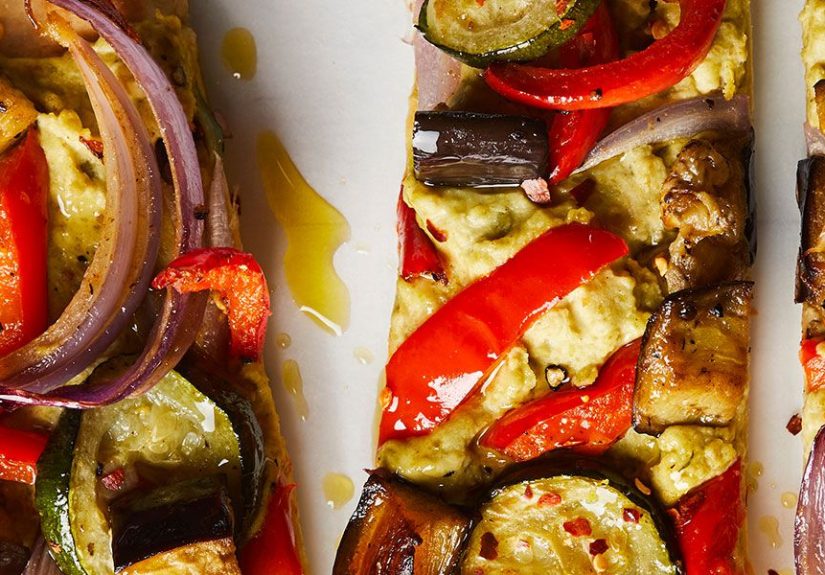
Another major shift in food trend predictions is the elevation of vegetables from dutiful side dish to flavor-forward centerpiece. This is not the old “eat your vegetables because they are good for you” message. This is a more compelling story: vegetables can be rich, charred, savory, complex, comforting, and even luxurious when treated with the same creativity once reserved for meat or starch.
Chefs and brands are highlighting cabbage, broccoli, cauliflower, eggplant, mushrooms, and other vegetables in more ambitious ways. Vegetables are showing up in pastries, sandwiches, grain bowls, sauces, and globally inspired dishes. They also work well within today’s economic realities. Many vegetables offer strong flavor, versatility, and value, which gives them a natural advantage during periods when consumers want both nutrition and affordability.
This does not mean Americans are turning into perfect plant-based saints overnight. It does mean vegetables are becoming more desirable, not just more dutiful. That is a meaningful change.
7. Value and Convenience Are Shaping Every Category
No conversation about food trends is complete without talking about money. Inflation, pricing pressure, and general consumer caution continue to influence how people shop and eat. Even when consumers want exciting flavors or healthier foods, they still want them at a price that feels reasonable. That is why convenience products are succeeding most when they balance quality with value.
Prepared foods, frozen meals, canned staples, meal shortcuts, snack packs, and easy pantry ingredients all benefit from this reality. Consumers are willing to pay for convenience, but only when it feels useful. They are also becoming more selective. A product has to save time, reduce waste, improve flavor, or help meet a health goal. Preferably all four. No pressure, frozen dumplings.
This is also where the restaurant world and grocery world increasingly overlap. Restaurant-quality meals at home, globally inspired ready-to-heat items, and grocery foodservice are growing because they solve modern problems. People want less effort, more flavor, and fewer regrets.
8. Sustainability Still Matters, but It Has to Feel Real
Sustainability remains an important theme, but consumers are approaching it with more realism than romance. People continue to care about sourcing, food waste, packaging, and environmental responsibility, yet they are less interested in vague virtue signals. They want proof, practicality, and products they actually enjoy eating.
That helps explain the appeal of ingredients like seaweed and fermented foods, the interest in using frozen foods to reduce waste, and the growing attention to how groceries are grown and produced. Sustainability works best when it overlaps with taste, convenience, or health. Consumers may admire a perfect mission statement, but they will return to the product that tastes great on a Tuesday night.
Why These Food Trends Matter for the Future
The most important lesson from today’s food trends is that consumers no longer separate flavor, function, and convenience the way they once did. They want all three at the same time. That creates a more demanding environment for brands, restaurants, and food media, but it also creates better opportunities. The products and menus that win will be the ones that feel flavorful, relevant, useful, and culturally aware without becoming gimmicky.
In other words, the future of food is not just healthy or indulgent, global or local, convenient or premium. It is blended. A high-protein snack can still be craveable. A frozen meal can still feel chef-inspired. A vegetable dish can still be comfort food. A budget-friendly pantry item can still feel current. That is what makes this moment so interesting.
Experiencing Food Trends in Real Life
If you want to understand food trends, do not start with a trend report. Start with a normal week of eating. Walk through a grocery store, scroll a food app, meet a friend for coffee, and notice what people are actually choosing. The experience is surprisingly revealing.
At breakfast, you see the first clue. The old line between beverage and meal has gotten fuzzy. Someone is carrying a coffee with added protein, another person has a yogurt drink and a banana, and someone else is calling a high-protein breakfast bar “good enough for now.” That phrase alone may be the anthem of modern eating. Food trends are not always born out of luxury. Very often, they come from time pressure, commuting, and the universal desire to avoid crashing before lunch.
By midday, global flavors are everywhere. A quick lunch might be a rice bowl with gochujang sauce, a sandwich layered with pickled vegetables, or dumplings from the freezer aisle that somehow taste far better than freezer food used to taste. None of this feels exotic in the old-fashioned sense. It feels normal. That is one of the clearest signs that a trend has truly arrived: it stops feeling like a novelty and starts feeling like part of everyday American eating.
Then there is snacking, which no longer behaves like a side activity. It has become a fully operational meal strategy. A bag of roasted chickpeas, a little cheese pack, some fruit, nuts, maybe a protein cookie, and suddenly a person has assembled what can only be described as “lunch by committee.” And honestly, sometimes it works. People are not necessarily eating more formally; they are eating more modularly.
Dinner tells an equally interesting story. Many households still want comfort food, but they also want shortcuts and better-for-you options that do not ruin the mood. So dinner might involve frozen dumplings with a crunchy cucumber salad, rotisserie chicken turned into tacos with hot honey slaw, or a sheet-pan meal loaded with vegetables and a sauce borrowed from another culinary tradition. The point is not perfection. The point is combining speed, flavor, and a little nutritional credibility.
Even desserts and drinks reflect the shift. People want treats, but often with a twist: less sugar, more texture, more sophistication, or some kind of wellness halo. Tea feels cooler. Mocktails feel more intentional. Pistachio shows up where vanilla once coasted comfortably. Crunchy toppings appear like they own the place. And vegetables, of all things, have become genuinely desirable when roasted, charred, whipped, pickled, or folded into something savory and rich.
What makes the experience of food trends so interesting is that it feels both new and familiar at once. The ingredients may change, the flavor combinations may travel farther, and the packaging may make bigger promises, but the core desires remain very human. People want food that comforts them, energizes them, surprises them, fits their budget, and gives them one less thing to worry about. Trends change. Appetite does not. And if a trend happens to come with extra crunch, even better.
Conclusion
Food trends today are not random internet fads floating around in expensive glass jars. They are responses to real consumer needs. Americans want more protein, more flavor, more flexibility, and more value. They are embracing global ingredients, snack-based eating, functional beverages, vegetable-forward dishes, and foods that blur the line between wellness and comfort. The strongest food trends are the ones that make everyday eating feel easier, tastier, and a little more alive.
The takeaway is simple: the future of food belongs to products and ideas that meet people where they are. That means bold but approachable flavors, nutrition without preachiness, convenience without boredom, and indulgence without apology. If that sounds like a lot to ask from a grocery cart, it is. But that is exactly why food trends are so fascinating right now.