Table of Contents >> Show >> Hide
- What Are French Butcher Hooks?
- Why French Butcher Hooks Are Popular Today
- Types of French Butcher Hooks
- French Butcher Hooks vs. Regular Kitchen Hooks
- Best Uses for French Butcher Hooks
- Food Safety: Decorative vs. Food-Contact Use
- How to Choose the Right French Butcher Hooks
- Styling Ideas for French Butcher Hooks
- Common Mistakes to Avoid
- Maintenance and Care
- Are French Butcher Hooks Worth Buying?
- Buying Checklist for French Butcher Hooks
- Experience Section: Living With French Butcher Hooks
- Conclusion
French butcher hooks sound like something you might find in a charming countryside market, hanging above a marble counter while someone in an apron says “bonjour” with suspiciously perfect confidence. In reality, these hooks are simple, hardworking pieces of hardware with a long history in butcher shops, farmhouse kitchens, restaurant prep areas, and rustic home decor. They are practical, sturdy, and oddly stylishthe kind of object that says, “Yes, I organize my kitchen, but I do it with character.”
Today, the phrase French butcher hooks usually refers to vintage or antique-style hooks inspired by traditional French butcher shops. Some are genuine old forged iron hooks from European markets. Others are modern stainless steel S-hooks used for food processing, kitchen storage, pot racks, drying racks, or farmhouse decor. The best choice depends on whether you want function, style, food-safe performance, or simply a little French-country drama above your kitchen island.
What Are French Butcher Hooks?
French butcher hooks are heavy-duty hanging hooks traditionally used in butcher shops to suspend meat, tools, pans, baskets, or display items. Many classic versions were made from wrought iron, forged steel, or later stainless steel. Their shapes vary, but the most common types include S-hooks, double hooks, wall-mounted rails, ceiling hooks, and multi-hook racks attached to a central ring.
The “French” part often refers less to a technical standard and more to the style and origin. Vintage French butcher hooks typically have a rustic, hand-forged look: dark metal, aged patina, rounded bends, and no-nonsense construction. They were built for utility, not Instagram. Ironically, that is exactly why they look so good on Instagram.
Why French Butcher Hooks Are Popular Today
French butcher hooks have moved from commercial butcher shops into modern kitchens because they combine three things homeowners love: storage, durability, and charm. They can hold cookware, mugs, dried herbs, aprons, baskets, keys, towels, or decorative objects. In farmhouse, industrial, French country, and cottage-style interiors, they bring a sense of history without demanding a full kitchen renovation.
They also solve a common kitchen problem: cabinets are finite, but kitchen stuff multiplies like socks in a laundry basket. Hanging storage frees up drawers and shelves while keeping everyday items visible and reachable. A simple rail with butcher hooks can turn a blank wall into a useful storage zone.
Types of French Butcher Hooks
1. Vintage Wrought Iron Butcher Hooks
These are the classic decorative choice. Vintage wrought iron butcher hooks often feature hand-forged curves, dark finishes, surface wear, and visible age. They work beautifully as wall decor, pot hooks, towel hooks, or display pieces. Because many antique hooks have rust, old coatings, or unknown material history, they are best treated as decorative unless professionally restored and verified as food-safe.
2. Stainless Steel Butcher Hooks
Modern stainless steel butcher hooks are designed for easier cleaning and corrosion resistance. Many are made from 304 stainless steel, a common material in food-contact environments because it is durable and cleanable when manufactured correctly. These hooks are usually smooth, silver-colored, and practical rather than romantic. Think less “French flea market” and more “professional kitchen that knows where the sanitizer is.”
3. S-Shaped Butcher Hooks
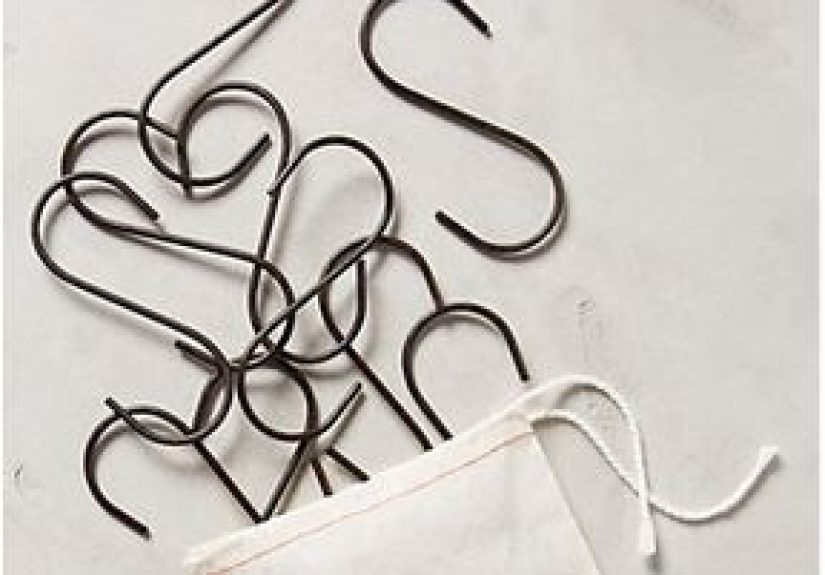
S-hooks are the most versatile design. One end hangs from a rail, rack, or bar, while the other holds the item. In home kitchens, S-shaped butcher hooks are useful for hanging pans, utensils, colanders, baskets, and mugs. In decor, they provide an easy way to create layered vertical storage without drilling ten separate holes in the wall.
4. Wall-Mounted Butcher Hook Rails
A butcher hook rail is a bar or rack fitted with multiple hooks. Vintage French versions often appear as long metal rails with several attached or sliding hooks. These pieces are excellent for kitchens, mudrooms, laundry rooms, pantries, and entryways. They can hold coats, bags, tools, cookware, or decorative bundles of dried lavender if your home is currently auditioning for a countryside lifestyle magazine.
5. Ceiling-Mounted Butcher Hooks and Pot Racks
Ceiling-mounted hooks and pot racks are ideal for kitchens with limited cabinet space. They can hold cookware above an island or prep area, turning pans into both storage and decor. The key is safe installation. The rack must be properly anchored into ceiling joists or structural supports, especially if it will hold heavy cookware.
French Butcher Hooks vs. Regular Kitchen Hooks
The biggest difference is style and strength. Regular kitchen hooks are often lightweight and decorative, while butcher hooks tend to be thicker, stronger, and more utilitarian. French butcher hooks usually have a rustic or industrial personality. They are not shy little hooks hiding behind cabinet doors. They want to be seen.
Modern pot rack hooks, especially those made for cookware systems, may be more uniform and polished. French butcher hooks can look more handmade, irregular, and aged. That imperfect character is part of the appeal. If your kitchen is sleek and minimalist, stainless hooks may fit better. If your kitchen has open shelves, copper pans, wood cutting boards, and a ceramic rooster judging your life choices, vintage French hooks will feel right at home.
Best Uses for French Butcher Hooks
Kitchen Storage
French butcher hooks shine in kitchens. Use them to hang skillets, saucepans, ladles, spatulas, strainers, cutting boards with handles, measuring cups, and oven mitts. They make everyday tools easier to grab and reduce drawer clutter. A rail of hooks above a prep counter can make a kitchen feel more efficient almost immediately.
Pot Rack Organization
When paired with a ceiling or wall-mounted pot rack, butcher hooks allow cookware to hang openly. Straight hooks let pans face outward, while angled hooks help cookware nest together and save space. This is especially useful in small kitchens where every cabinet shelf is already negotiating a peace treaty with mixing bowls.
Farmhouse and French Country Decor
For decor, vintage French butcher hooks add texture and authenticity. They look great with linen towels, copper pots, woven baskets, dried herbs, enamelware, or antique kitchen tools. The secret is balance: one or two rustic elements feel curated; twenty rusty hooks in a row may start to look like your kitchen is preparing for a historical reenactment.
Entryway and Mudroom Hooks
Butcher hooks are not limited to kitchens. Wall-mounted butcher hook rails work well in entryways for coats, hats, totes, dog leashes, umbrellas, and market bags. Their sturdy build makes them more reliable than flimsy decorative hooks, especially in busy households.
Workshop and Utility Storage
In garages or workshops, butcher hooks can hold cords, small tools, brushes, garden gloves, and lightweight equipment. Stainless steel or coated metal hooks are usually better for damp areas because they resist corrosion more effectively than untreated iron.
Food Safety: Decorative vs. Food-Contact Use
This is where the article puts on its responsible adult shoes. Not every French butcher hook should touch food. Antique hooks may have rust, old residues, lead-based finishes, unknown coatings, or porous surfaces. Even if they look beautiful, they may not be appropriate for food-contact use.
For any food-related environment, choose hooks designed for that purpose. Food-contact equipment should be smooth, durable, non-absorbent, corrosion-resistant, and easy to clean. Stainless steel is commonly used because it can withstand repeated cleaning and sanitizing when properly finished. If a hook is rough, cracked, rusty, pitted, or coated with mystery paint from 1927, let it live its best life as decor instead.
For home use, it is safest to separate decorative hooks from food-preparation tools. Use vintage hooks for pans, towels, baskets, and display. Use modern, cleanable stainless steel hooks for any situation where sanitation matters. Your kitchen can have charm and common sense. They are not enemies.
How to Choose the Right French Butcher Hooks
Consider the Material
Wrought iron and forged steel offer rustic beauty, but they require care to prevent rust. Stainless steel offers better cleanability and corrosion resistance. Brass, bronze, and painted metal can be attractive for decor, but they are generally better suited for dry, non-food-contact uses unless clearly rated for the intended purpose.
Check the Size and Thickness
Small hooks work well for mugs, utensils, and towels. Medium hooks suit pans, baskets, and cutting boards. Larger hooks may be appropriate for heavy cookware or display items, but they need proper support. Do not judge strength by vibes alone. A hook that looks strong in a product photo may not be ready to hold your cast-iron skillet collection and your hopes for adulthood.
Look at the Finish
For decor, patina can be beautiful. For practical kitchen use, smooth finishes are easier to clean. Avoid sharp burrs, flaking paint, loose coatings, and heavy rust. If using hooks around food-prep areas, choose a finish that can be wiped down easily.
Think About Installation
A hook is only as strong as the surface holding it. Wall rails should be secured into studs or with appropriate anchors. Ceiling racks should be installed into joists or structural supports. Heavy cookware should never be hung from drywall alone. Drywall is many things, but a superhero is not one of them.
Match the Hook to the Room
For a French country kitchen, choose forged iron, blackened steel, or aged metal. For a modern kitchen, choose stainless steel or matte black. For a cottage kitchen, small vintage hooks paired with wood shelves can feel warm and collected. For industrial interiors, oversized iron hooks and metal rails create a stronger statement.
Styling Ideas for French Butcher Hooks
French butcher hooks work best when they look useful, not staged within an inch of their life. Try hanging a mix of practical and beautiful items: a copper pan, a linen towel, a small basket, and a wooden brush. The variety creates texture and makes the display feel natural.
Another strong approach is repetition. A row of matching hooks under an open shelf can hold mugs or utensils. A single antique hook beside the stove can hold an apron. A ceiling rack with coordinated hooks can display cookware while keeping counters clear.
For a softer French farmhouse look, combine butcher hooks with natural materials: wood, linen, ceramic, copper, stone, and woven fibers. For a sharper industrial look, pair them with black metal shelves, exposed brick, stainless appliances, and concrete countertops.
Common Mistakes to Avoid
Using Antique Hooks for Food Without Verification
Antique does not automatically mean safe. If a hook has unknown materials, rust, or old coatings, use it decoratively. It can still be gorgeous holding a towel or basket.
Overloading the Hook or Rail
Always consider the weight of the item and the installation surface. Heavy cookware needs strong hooks, strong rails, and secure mounting. The goal is rustic charm, not a surprise percussion performance at 2 a.m.
Ignoring Moisture
Iron hooks can rust in damp environments. If you use them near sinks, windows, or outdoor areas, keep them dry and check them regularly. Stainless steel is usually a better choice for moisture-prone spaces.
Buying Only for Looks
Beautiful hooks are great, but function matters. Check dimensions, hook opening size, finish, mounting method, and intended use before buying. A hook that cannot hold what you need is basically jewelry for your wall.
Maintenance and Care
For stainless steel butcher hooks, clean them regularly with mild soap and warm water, then dry thoroughly. Avoid abrasive cleaners that scratch the surface. For food-contact settings, follow appropriate cleaning and sanitizing practices based on the environment and local requirements.
For vintage iron hooks, wipe away dust with a dry or slightly damp cloth, then dry immediately. If rust appears, decide whether it is part of the decorative patina or a problem that needs restoration. Decorative waxes or protective finishes may help preserve iron pieces, but avoid applying unknown coatings to anything intended for food contact.
Are French Butcher Hooks Worth Buying?
Yes, if you choose the right kind for the right job. French butcher hooks are worth buying because they are useful, attractive, and flexible. A good set can improve storage, add visual interest, and give your home a sense of lived-in history. They are especially worthwhile for kitchens with open shelving, farmhouse decor, industrial design, or limited cabinet space.
The best approach is simple: use antique French butcher hooks for style and modern stainless steel butcher hooks for sanitation-sensitive tasks. That way, you get beauty where you want it and performance where you need it.
Buying Checklist for French Butcher Hooks
- Purpose: Decide whether the hooks are for decor, storage, cookware, or food-contact use.
- Material: Choose wrought iron for rustic style or stainless steel for easier cleaning.
- Finish: Look for smooth, stable surfaces without flaking paint or sharp burrs.
- Size: Match the hook opening and length to the items you plan to hang.
- Weight capacity: Check the hook, rail, hardware, and wall or ceiling support.
- Placement: Keep hooks accessible but away from walkways where they can snag clothing.
- Maintenance: Choose a material that suits the room’s moisture and cleaning needs.
Experience Section: Living With French Butcher Hooks
The first thing people notice after adding French butcher hooks to a kitchen is how quickly they change the mood of the room. A plain wall suddenly feels intentional. A few pans become part of the decor. A towel hanging from a forged hook looks more charming than the same towel shoved through an appliance handle like it gave up on life. The improvement is small, but kitchens are built from small details.
In practical use, the biggest benefit is visibility. When cooking tools are tucked into crowded drawers, they disappear into the mysterious underworld of spatulas, twist ties, and that one measuring spoon nobody can identify. Hanging them on butcher hooks makes the kitchen easier to use. You can see the ladle, grab the skillet, or reach for the colander without opening three cabinets and questioning your life choices.
French butcher hooks also encourage editing. Once items are visible, you naturally keep the better-looking and more useful pieces on display. That means the cracked plastic spoon from 2009 may finally retire. The kitchen becomes not just more organized, but more honest. The tools you use every week earn their place. The things you never touch stop pretending they are essential.
From a design perspective, the best results come from restraint. One rail with six hooks can look elegant. Three rails, two ceiling racks, and forty-seven hanging objects can make the room feel like a hardware store fell into a soup pot. Leave breathing room around the hooks. Let the metal, wall color, and hanging items work together. Negative space is not wasted space; it is the quiet friend who keeps the party from becoming weird.
Another experience many homeowners share is that vintage hooks become conversation pieces. Guests ask where they came from, whether they are antique, and what they were used for. That story value is part of the appeal. A modern hook may hold a pan, but an old French butcher hook holds a pan and a little mystery. It adds age, texture, and personality without needing a giant sign that says “Farmhouse Kitchen” in distressed lettering.
Still, real-life use teaches one important lesson: old metal deserves respect. Some vintage hooks are rough, rusty, or uneven. That can be beautiful, but it can also scratch cookware, stain fabric, or snag sleeves. Before putting antique hooks into daily service, test them with the items you plan to hang. Use them where they enhance the room rather than create tiny daily annoyances. A hook should solve a problem, not become a decorative obstacle course.
For busy homes, stainless steel butcher hooks may be the quiet heroes. They do not have the same romantic patina, but they clean easily, look tidy, and handle repeated use. They are especially helpful on utility rails, pantry racks, and pot storage systems. Pairing stainless hooks with wood shelves or black rails can still create a warm, stylish look without sacrificing practicality.
The best experience with French butcher hooks comes from mixing beauty with purpose. Use them to hang what you actually reach for. Choose materials that suit the job. Install them securely. Keep antique pieces decorative when safety or sanitation is uncertain. Do that, and these humble hooks become more than hardware. They become a small daily pleasureproof that even storage can have a little French accent.
Conclusion
French butcher hooks are simple objects with surprising range. They can organize cookware, add rustic charm, support farmhouse styling, or bring industrial character into a modern kitchen. Whether you choose antique wrought iron hooks or clean stainless steel S-hooks, the key is matching the material to the purpose. Vintage hooks are wonderful for display and decor. Stainless steel hooks are better for cleanability and practical use.
In the end, French butcher hooks are popular because they make storage look intentional. They turn everyday tools into part of the room’s personality. And honestly, any kitchen upgrade that adds function, beauty, and a tiny whisper of “Paris market stall” deserves a second look.
Note: This article is written for informational and home-design purposes. For commercial food handling or professional kitchen use, always follow applicable food safety rules, sanitation standards, and local regulations.