Table of Contents >> Show >> Hide
- Meet the X Stool: A Tiny Icon of Japanese Design
- Materials and Craftsmanship: Why It Feels So Good
- Design Details That Make the X Stool Stand Out
- How to Use the X Stool at Home
- How the X Stool Compares to Other Small Stools
- Styling Tips: Making the X Stool Look Intentional
- Care and Maintenance for a Wooden X Stool
- Is the X Stool Worth the Investment?
- Real-Life Experiences with the X Stool and Similar Pieces
Some furniture pieces shout for attention. The X Stool from Koizumi Studio does the opposite: it quietly sits in the corner, looks perfect, and somehow steals the whole scene anyway. Originally designed in 1993 by Japanese architect and furniture designer Makoto Koizumi, this compact wooden stool has become one of those “if you know, you know” design iconsoften spotted on design blogs like Remodelista and in carefully curated interiors.
At first glance, it’s just a small wooden stool. Look closer, and the thoughtful proportions, the graceful X-shaped legs, and the way the seat seems to float above the frame start to make sense. The X Stool embodies the minimalist Japanese approach to furniture: less talking, more doing. It’s a perch, a side table, a plant stand, a footrest, and a subtle flex that says, “Yes, I care about good design.”
Meet the X Stool: A Tiny Icon of Japanese Design
Makoto Koizumi is known for designing everyday objects that feel calm and intentional. The X Stool is one of his early furniture pieces, first released in the early 1990s and still produced today. That longevity alone tells you a lot. In the fast-moving world of furniture trends, a design that’s been around for decades and still looks fresh is doing something very right.
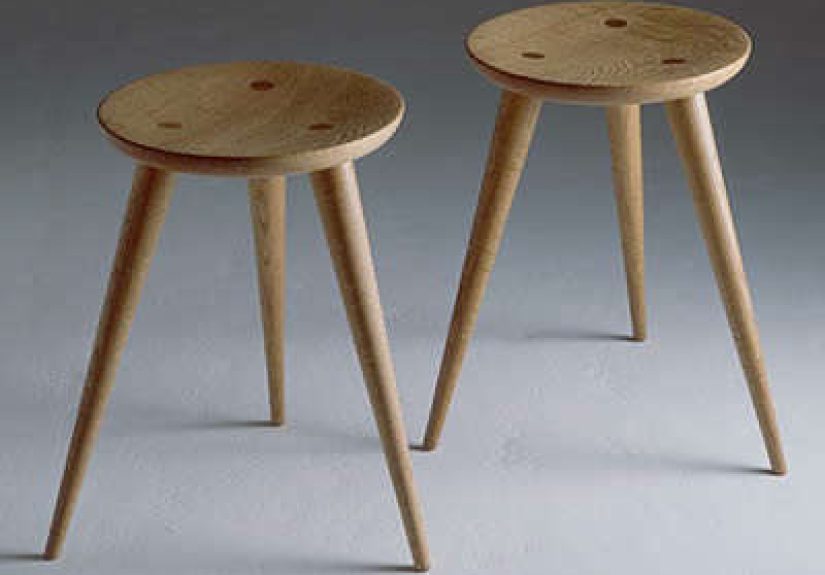
The stool gets its name from the X-shaped frame that supports the seat. Two elegant wooden elements cross beneath you, creating a stable base without adding visual heaviness. The result is sculptural but not flashy, simple but not boring. Compared with bulkier stools or benches from big-box brands, the X Stool looks almost weightless, which is ideal if you’re trying to keep a small space feeling open.
Materials and Craftsmanship: Why It Feels So Good
The X Stool from Koizumi Studio is typically made from solid woodoften Japanese oak or similar hardwoods chosen for strength, subtle grain, and warm tone. While a lot of mass-market stools rely on veneers or engineered wood to keep costs down, this design leans on traditional woodworking and durable materials.
Instead of chunky screws and brackets, the joinery is refined and discreet. That matters for two reasons:
- Longevity: Solid wood plus careful joinery means the stool can handle daily use without wobbling or warping.
- Beauty: The fewer visible fasteners, the more the eye can appreciate the silhouette and the grain of the wood.
If you compare it with many entryway or vanity stools sold by American retailerswhere foam, fabric, and metal bracing are commonyou immediately feel the difference. The X Stool has the tactile satisfaction of a hand-finished piece. You can run your hand along the edge without snagging, and the slight rounding of corners makes it comfortable to bump into (which is excellent news for your shins).
Design Details That Make the X Stool Stand Out
What makes this piece more than just “a wooden stool”? A few key design choices:
1. The X-Frame Base
The crossed legs give the stool its signature character. They distribute weight evenly and provide stability without needing a large footprint. That’s especially useful in apartments and small homes where every inch of floor space counts. Unlike square four-legged stools that can look heavy, the X-frame visually “cuts through” the space.
2. A Gently Shaped Seat
The seat is usually slightly curved or subtly chamfered, making it more comfortable than a dead-flat board. It’s the kind of difference you notice only after sitting for a while: your legs don’t fall asleep, and your posture feels supported instead of punished.
3. Quiet, Versatile Proportions
The X Stool is typically low enough to work as a footrest but tall enough to serve as a spur-of-the-moment side table. That makes it easy to move around the homebeside a reading chair, in the entryway, by the bed, next to the tub (for towels), or under a console table waiting for guests.
How to Use the X Stool at Home
One of the biggest strengths of the X Stool is versatility. Interior designers and homeowners use similar small wooden stools in almost every room. Here are a few ideas inspired by how design-forward homes style stools like this:
In the Entryway
Place the X Stool near the front door as a place to sit while putting on shoes. Slide a small tray or basket underneath for gloves and keys, or use the top as a landing spot for your bag. Compared with larger benches highlighted in many U.S. interior features, the stool is a better fit for narrow hallways and micro-entry spaces.
As a Side Table in the Living Room
Next to a sofa or lounge chair, the X Stool works beautifully as a minimalist side table. Add a stack of books and a lamp, or keep it clear for drinks. Design magazines often showcase side tables that double as stools, and the X Stool fits squarely into that multi-purpose categorywithout looking like a compromise.
As a Bedroom Nightstand Alternative
If you like a low-profile bedroom look, try the X Stool as a nightstand substitute. Its clean shape works especially well with platform beds or uncluttered, Japanese- or Scandinavian-inspired decor. A reading lamp, a book, and a small vase are all it needs to feel complete.
Plant Stand or Display Pedestal
Small stools are often used as plant stands or display pedestals, especially in design-forward homes and styling guides. The X Stool’s stable wooden base makes it ideal for supporting a potted plant, a sculptural vase, or a stack of art books. The vertical lift draws attention to whatever you place on top without overwhelming the room.
How the X Stool Compares to Other Small Stools
If you browse popular U.S. retailers, you’ll find hundreds of small stools marketed for entryways, vanities, and living rooms. Many of them share the same selling points: compact, versatile, multi-functional. So what makes the X Stool from Koizumi Studio special?
- Design pedigree: It’s a named piece by a respected Japanese designer, not a generic catalog item.
- Timelessness: It’s been around since the early 1990s and still feels current, unlike many trend-driven designs that date quickly.
- Minimal branding: There are no loud logos or gimmicks, just pure form and function.
- Craftsmanship: The quality of the wood and joinery tends to be higher than many mass-market alternatives.
Compared with X-base stools upholstered in fabric or faux leather, the Koizumi design is more elemental. There’s no padding to sag, no upholstery to stain, and no moving parts to loosen. It leans into the idea that a small piece of wooden furniture can be sculptural, practical, and long-lasting all at once.
Styling Tips: Making the X Stool Look Intentional
Because the X Stool is minimalist, it’s very easy for it to either disappear in the room or look like a random extra seat that never found its purpose. A few simple styling tricks can change that:
- Pair it with texture: Add a folded linen throw, a small cushion, or a woven basket next to it. Mixing textures helps the wood stand out.
- Repeat the wood tone: Echo the stool’s finish in a picture frame, a tray, or a nearby side table so it feels like part of a family, not an only child.
- Play with asymmetry: Instead of centering it perfectly, let it sit slightly off to the side of a chair or bed. That relaxed placement feels modern and intentional.
- Keep the surface curated: One or two objects at mosta candle and a book, a small vase and a coaster set. Clutter defeats the minimalist vibe.
Care and Maintenance for a Wooden X Stool
The good news: caring for a solid-wood stool like this is fairly easy. The bad news: you still need to actually do it (sadly, the stool does not yet dust itself).
- Dust regularly: Use a soft, dry cloth or slightly damp microfiber cloth to remove dust. Avoid soaking the wood.
- Avoid standing water: Don’t leave wet glasses or plant saucers directly on the seat. Use coasters or trays, especially if the finish is oil-based.
- Protect from harsh cleaners: Skip abrasive sponges, ammonia-based sprays, and anything labeled “heavy-duty.” Mild soap and water, carefully dried, is usually enough.
- Refresh the finish: Depending on how the stool is finished, you may occasionally apply a furniture wax or oil to restore luster and protect the surface.
Because the stool has relatively few edges and joints, it’s easier to maintain than more complex pieces. Treat it well and it can age gracefully, developing a patina rather than just looking worn out.
Is the X Stool Worth the Investment?
The X Stool from Koizumi Studio usually costs more than a basic stool from a big-box store, but the value is in its long-term usefulness and its design pedigree. Instead of buying several cheap pieces over the years, you get one carefully made object that keeps working in different roles as your life and your home evolve.
If your design taste leans toward Japanese minimalism, Scandinavian simplicity, or the calm, edited rooms often featured on Remodelista, the X Stool fits right in. It’s the kind of furniture that doesn’t shout, “Look at me!” but quietly makes everything else in the room feel a little more considered.
Real-Life Experiences with the X Stool and Similar Pieces
To really understand what the X Stool is like, imagine it living through an ordinary day in a small but well-loved home.
Morning starts in the entryway. Shoes are everywhere, someone is late, and the hallway is roughly the size of a decent closet. A full bench would make the space feel cramped, but the X Stool tucks neatly against the wall. One person can sit to tie their laces while another steps around them without feeling trapped. When everyone finally leaves, the stool holds a tote bag and a scarf instead of becoming a full-blown dumping ground.
Later, in the living room, the stool migrates next to a reading chair. A mug of coffee, a paperback, and a pair of glasses claim the surface. This is where the X Stool’s stability really shows up: it’s solid enough that you don’t have to worry about a tiny bump sending your drink to the floor. Unlike lightweight folding stools or wobbly side tables, it feels steady but not bulky.
In the afternoon, houseplants get their moment. The stool moves near a bright window and becomes a plant stand for your favorite leafy friend. The height is perfect: it lifts the plant just enough to be in better light and more in your eyeline. In many homes, a simple wooden stool like this ends up rotating between plant stand and side table duty depending on the season.
Evening brings guests. Space is tight around the dining table, but you pull the X Stool into the mix as an extra seat. This is where you remember that minimal design doesn’t mean minimal comfort. The gently shaped seat and smart proportions make it surprisingly pleasant to sit on through a long conversation. No one fights over it, but no one avoids it, eitherit’s just an easy, reliable place to sit.
When the guests leave, the stool slides back under a console table, quietly out of the way. That ability to appear when needed and vanish when not is a big part of why so many people love small wooden stools. They’re flexible in a way that bulky armchairs and oversized side tables aren’t. The X Stool, in particular, feels like an “upgrade” from mass-market optionsyou get the same practicality, but with better materials, more thoughtful design, and the satisfaction of owning a piece with a story behind it.
Even if you don’t own this exact stool, living with similar minimalist wooden stools tends to change how you see furniture. You start noticing how a single well-made piece can anchor a corner, balance a room, or solve a problem without adding visual noise. You might find yourself reaching for these small, versatile pieces more often than your larger furniture: pulling them into the bathroom as a perch for towels, using them beside the bed for a glass of water, or parking them beside the sofa for movie-night snacks.
In that sense, the X Stool from Koizumi Studio is more than just a pretty object featured on Remodelista. It’s a reminder that the best furniture doesn’t have to be big or flashy. It just has to be thoughtfully designed, pleasant to touch, and flexible enough to move with you through all the tiny, ordinary moments that make up real life at home.