Table of Contents >> Show >> Hide
- What Is Garcinia Cambogia?
- How Is Garcinia Cambogia Supposed to Work?
- Does Garcinia Cambogia Help With Weight Loss?
- Why Do Some People Say It Worked for Them?
- Potential Benefits Beyond Weight Loss
- Side Effects of Garcinia Cambogia
- Garcinia Cambogia and Liver Safety
- Drug Interactions and Who Should Avoid It
- The Supplement Quality Problem
- What About Dosage?
- Better Alternatives for Healthy Weight Management
- So, Is Garcinia Cambogia Worth Trying?
- Real-Life Experiences and Practical Takeaways
- Conclusion
Garcinia cambogia has had quite the career. One minute it was a small, pumpkin-shaped tropical fruit used in cooking; the next, it was starring in weight-loss ads as if it had personally invented skinny jeans. You may have seen it marketed as a “fat blocker,” “appetite suppressant,” or “natural weight-loss miracle.” That is a lot of pressure for a fruit rind.
So, does garcinia cambogia work? The honest answer is: probably not in the dramatic way many supplement labels suggest. Some studies have found small short-term weight-loss effects, while others show no meaningful difference compared with placebo. Even when results look positive, the amount of weight lost is usually modest, and the research is often limited by small sample sizes, short study periods, mixed formulas, and inconsistent product quality.
This article takes a practical, evidence-based look at garcinia cambogia, hydroxycitric acid, weight loss claims, side effects, safety concerns, and what real people should consider before spending money on another bottle of “nature’s secret.” Spoiler: nature may have secrets, but sustainable weight management usually is not one of them.
What Is Garcinia Cambogia?
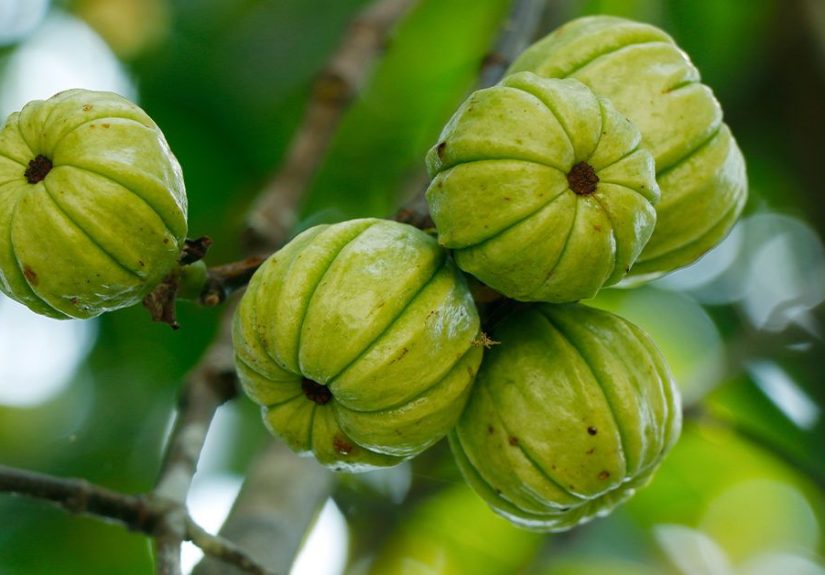
Garcinia cambogia, also known as Garcinia gummi-gutta, Malabar tamarind, brindleberry, or gamboge, is a tropical fruit native to parts of India and Southeast Asia. The fruit is small, green to yellowish, and shaped a bit like a tiny pumpkin that skipped leg day. In traditional cooking, the rind has been used to add a sour flavor to dishes.
The reason garcinia cambogia became famous in the supplement aisle is a compound found in the rind called hydroxycitric acid, commonly shortened to HCA. Supplement companies often claim that HCA can reduce appetite, block fat production, improve cholesterol, and help the body burn fat more efficiently. These claims sound wonderfully convenient. Unfortunately, the human body is not a simple vending machine where you insert HCA and receive effortless fat loss.
How Is Garcinia Cambogia Supposed to Work?
The main theory behind garcinia cambogia is that HCA may affect an enzyme called ATP citrate lyase. This enzyme helps the body convert extra carbohydrates into fatty acids. In theory, blocking this enzyme could reduce fat production. Another proposed effect is appetite control, possibly through changes in serotonin, a brain chemical involved in mood and hunger signals.
That sounds promising on paper. But weight loss is not controlled by one enzyme, one craving, or one supplement capsule. Body weight is influenced by calorie intake, activity level, sleep, stress, hormones, medications, genetics, food environment, medical conditions, and plain old daily habits. Trying to fix all of that with one fruit extract is like trying to clean an entire house with a toothbrush. Technically, something is happening, but let us not call it efficient.
Does Garcinia Cambogia Help With Weight Loss?
The evidence is mixed, and the most reasonable conclusion is that garcinia cambogia has little to no reliable effect on body weight for most people. Some clinical trials and reviews have suggested a small short-term benefit. However, the effect tends to be minor and may not be clinically meaningful. Other studies have found no clear advantage over placebo.
One well-known randomized controlled trial published in JAMA found that hydroxycitric acid did not produce greater weight or fat loss than placebo over 12 weeks. That matters because placebo-controlled trials help separate true supplement effects from the powerful influence of expectation, diet changes, and study participation. In many weight-loss studies, people in both the supplement group and placebo group lose some weight because they are paying attention to food choices, being monitored, or trying harder than usual.
Health authorities and medical organizations generally do not recommend garcinia cambogia as a dependable weight-loss solution. The National Center for Complementary and Integrative Health states that it is unclear whether garcinia cambogia helps with weight loss, while the NIH Office of Dietary Supplements describes its effect on body weight as little to none with some safety concerns. In plain English: the hype is bigger than the evidence.
Why Do Some People Say It Worked for Them?
If scientific evidence is weak, why do so many online reviews say garcinia cambogia “melted fat” or “changed everything”? There are a few possible explanations.
They Changed Their Habits at the Same Time
Many people start a supplement while also cutting calories, drinking more water, exercising, skipping late-night snacks, or avoiding fast food. If weight drops, the capsule gets the credit, even though the grilled chicken salad quietly did the heavy lifting.
Early Water Weight Can Be Misleading
When someone reduces carbohydrates, sodium, or overall food intake, the scale may move quickly at first because of water loss. That can feel exciting, but it is not the same as losing body fat. Garcinia cambogia may be standing nearby when this happens, but that does not mean it caused the magic trick.
Placebo Effects Are Real
Believing that a product will help can change behavior. A person may snack less, walk more, or feel more motivated simply because they feel like they have “started a plan.” That psychological boost can be useful, but it does not prove the supplement itself is effective.
Some Products Contain Multiple Ingredients
Many garcinia cambogia supplements are not pure garcinia cambogia. They may include caffeine, green tea extract, chromium, apple cider vinegar, or other compounds. If someone feels more energized or eats less, another ingredient may be responsible. In some cases, weight-loss products have even been found to contain hidden drug ingredients, which is a serious safety concern.
Potential Benefits Beyond Weight Loss
Garcinia cambogia has also been promoted for cholesterol, triglycerides, blood sugar, and appetite control. However, the evidence is not strong enough to rely on it for these purposes. Some small studies have reported possible changes in blood lipids or appetite, but results are inconsistent and not enough to replace proven medical treatment, nutrition therapy, or lifestyle changes.
Anyone with diabetes, high cholesterol, liver disease, or another medical condition should avoid using garcinia cambogia as a do-it-yourself treatment. Supplements can interact with medications, affect lab values, and create confusion when a health care provider is trying to manage a real condition. “Natural” does not mean “automatically harmless.” Poison ivy is natural, and nobody is sprinkling that on breakfast.
Side Effects of Garcinia Cambogia
Commonly reported side effects of garcinia cambogia may include headache, nausea, stomach upset, diarrhea, constipation, dry mouth, dizziness, and other digestive symptoms. For many people, these effects may be mild, but they are still worth considering. Paying money to feel queasy is not exactly a wellness upgrade.
More serious concerns have also been reported. Garcinia cambogia has been linked in case reports and safety reviews to liver injury, including rare but severe cases. Symptoms that may suggest liver trouble include yellowing of the skin or eyes, dark urine, severe fatigue, abdominal pain, nausea, vomiting, itching, or loss of appetite. Anyone who develops these symptoms after taking a supplement should stop using it and seek medical care promptly.
Garcinia Cambogia and Liver Safety
Liver safety is one of the biggest reasons to be cautious with garcinia cambogia. LiverTox, a medical resource from the National Library of Medicine, lists garcinia cambogia as a likely rare cause of clinically apparent liver injury. Reported liver problems have ranged from temporary enzyme elevations to acute hepatitis and, in rare cases, liver failure requiring transplant.
The exact mechanism is not fully understood. Some lab and animal research suggests that high doses of HCA may stress liver cells. In real-world cases, the picture is complicated because many supplements contain multiple ingredients, and some products may be mislabeled or contaminated. Still, liver injury has been reported even with products where garcinia cambogia was a suspected main ingredient.
This does not mean every person who takes garcinia cambogia will have liver problems. Severe events appear uncommon. But the risk is serious enough that people with existing liver disease, heavy alcohol use, or multiple medications should be especially careful. When the possible benefit is small and the possible harm is significant, the risk-reward math starts looking less like a bargain and more like a bad group project.
Drug Interactions and Who Should Avoid It
Garcinia cambogia may interact with certain medications, especially drugs that affect the liver or serotonin. Because HCA may influence serotonin pathways, there are concerns about combining it with antidepressants such as SSRIs or other serotonergic drugs. Case reports have described serotonin toxicity and mood-related reactions in people using garcinia-containing supplements.
People who should be especially cautious or avoid garcinia cambogia include:
- People who are pregnant or breastfeeding
- Children and teenagers
- People with liver disease or a history of liver injury
- People taking antidepressants or other serotonin-affecting medications
- People with bipolar disorder, mania, or significant mood disorders
- People with diabetes or blood sugar concerns
- People taking multiple prescription medications
- Anyone scheduled for surgery or medical procedures
Before trying garcinia cambogia, it is wise to talk with a physician, pharmacist, or registered dietitian. This is especially important if you take medication or have a diagnosed condition. A quick professional check can prevent a long, expensive medical adventure that nobody asked for.
The Supplement Quality Problem
In the United States, dietary supplements are not approved by the FDA for safety and effectiveness before they are sold. Manufacturers are responsible for making sure their products are safe and accurately labeled, but that system is not perfect. The FDA has warned that many weight-loss products are likely to be contaminated with hidden ingredients, including prescription drugs or banned substances.
This matters because a bottle labeled “garcinia cambogia” may not always contain exactly what shoppers think they are buying. It may contain more or less HCA than advertised, additional stimulants, undeclared compounds, or ingredients that interact with medication. Third-party testing from organizations such as USP, NSF, or ConsumerLab can help reduce risk, but it does not guarantee that a supplement will work.
What About Dosage?
There is no universally established safe or effective dose of garcinia cambogia for weight loss. Studies have used different amounts, different extracts, and different durations. Many commercial products list HCA percentages, often around 50% to 60%, but labels vary widely.
Because long-term safety is uncertain and liver-related reports exist, higher doses and prolonged use are not a smart experiment. More is not better. With supplements, “extra strength” can sometimes mean “extra regret.” If someone still chooses to use garcinia cambogia after medical guidance, they should follow the product label, avoid combining multiple weight-loss products, and stop immediately if unusual symptoms appear.
Better Alternatives for Healthy Weight Management
If garcinia cambogia is not the shortcut, what actually helps? The basics may not sound flashy, but they have a much better track record.
Build Meals Around Protein and Fiber
Protein helps with fullness and muscle maintenance, while fiber supports digestion and appetite control. Good options include eggs, Greek yogurt, fish, poultry, tofu, beans, lentils, vegetables, fruit, oats, and whole grains. A meal with protein, fiber, and healthy fat usually beats a capsule promising appetite control.
Create a Small, Sustainable Calorie Deficit
Extreme dieting often backfires. A modest calorie deficit that feels realistic is more sustainable than a dramatic crash diet. Think fewer sugary drinks, smaller portions of calorie-dense snacks, and more home-prepared meals. Boring? Maybe. Effective? Often.
Move More in Ways You Can Repeat
Walking, strength training, cycling, swimming, dancing, gardening, and recreational sports can all support weight management. The best exercise is not the trendiest one. It is the one you can do consistently without secretly hating your life.
Prioritize Sleep and Stress Management
Poor sleep and chronic stress can increase hunger, cravings, and fatigue. Improving sleep routines, reducing late caffeine, managing screen time, and building stress-relief habits can indirectly support weight goals.
Ask About Evidence-Based Medical Options
For people with obesity or weight-related health conditions, medical support can be appropriate. Registered dietitians, physicians, and obesity medicine specialists can offer personalized strategies. In some cases, FDA-approved medications or structured programs may be considered. These options should be guided by professionals, not social media comment sections wearing lab coats.
So, Is Garcinia Cambogia Worth Trying?
For most people, garcinia cambogia is probably not worth the money or risk. The best available evidence does not show reliable, meaningful, long-term weight loss. Some people may experience minor short-term changes, but those changes are difficult to separate from diet, exercise, motivation, placebo effects, and other ingredients.
The safety concerns also deserve respect. Mild side effects are common enough to mention, and rare liver injury reports are serious enough to take seriously. When a supplement offers uncertain benefits and possible harm, the most practical choice is caution.
Real-Life Experiences and Practical Takeaways
Experience with garcinia cambogia tends to fall into a few familiar patterns. The first pattern is the “new plan excitement” phase. A person buys a bottle, reads the label, feels hopeful, and starts making healthier choices at the same time. Breakfast becomes more protein-rich, soda gets replaced with water, and evening snacks become less frequent. After two weeks, the scale drops a few pounds. It is easy to assume the supplement worked, but the real change may have been the new routine. In this situation, garcinia cambogia acts more like a motivational receipt than a metabolic superhero.
The second pattern is disappointment. Someone takes garcinia cambogia exactly as directed, changes nothing else, and waits for the advertised appetite control to appear. Nothing dramatic happens. Hunger remains hunger. Cravings still knock on the door around 9 p.m. The bottle slowly migrates to the back of the cabinet, where it joins expired spices and that one tea everyone bought during a wellness phase. This experience is common because supplements rarely overcome a diet pattern, stress eating, low activity, poor sleep, or inconsistent routines.
The third pattern is side effects. Some people notice nausea, stomach cramps, loose stools, headaches, or dizziness. Even if these symptoms are not dangerous, they can make daily life annoying. A supplement that makes a person feel worse is hard to justify, especially when the expected benefit is small. If digestive symptoms appear after starting garcinia cambogia, stopping the product and checking with a health professional is a sensible move.
The fourth pattern is risk confusion. Many users combine garcinia cambogia with other weight-loss products, caffeine pills, detox teas, green tea extract, or “thermogenic” blends. When side effects happen, it becomes difficult to know which ingredient caused the problem. This is one reason multi-ingredient weight-loss supplements can be tricky. A label may look natural and friendly, but the formula can behave like a crowded elevator where nobody admits who pressed all the buttons.
A more useful experience-based lesson is this: track behaviors, not just supplements. If someone wants to evaluate whether anything is helping, they should monitor sleep, steps, meals, protein intake, fiber, hunger, mood, waist measurement, and energy level. A person may discover that a 20-minute walk after dinner reduces snacking better than a capsule. They may find that eating enough protein at breakfast makes afternoon cravings less dramatic. They may notice that poor sleep leads to stronger cravings the next day. These observations are more valuable than guessing whether a supplement is secretly doing something.
For readers who have already bought garcinia cambogia, the practical approach is simple: do not mix it with other weight-loss products, do not take more than the label recommends, do not use it long term without medical guidance, and stop if unusual symptoms appear. People taking medications, especially antidepressants or drugs processed by the liver, should ask a clinician before using it. Those with liver problems, pregnancy, breastfeeding, bipolar disorder, or complex medical conditions should avoid experimenting.
The most empowering takeaway is not that garcinia cambogia is “bad” or “good.” It is that the supplement is overpromised. Real weight management is usually built from repeatable behaviors: filling meals, regular movement, realistic portions, better sleep, less liquid sugar, stress awareness, and medical guidance when needed. Garcinia cambogia may have an exotic name, but the everyday habits still win the long game.
Conclusion
Garcinia cambogia is one of those supplements that sounds exciting until the evidence walks in with a clipboard. Its active compound, hydroxycitric acid, has a plausible mechanism in theory, but human research has not shown consistent, meaningful, long-term weight-loss results. Some studies suggest a small short-term effect; others show no benefit beyond placebo.
Safety is another major consideration. Side effects such as nausea, headache, and digestive upset may occur, and rare liver injury reports make caution important. Garcinia cambogia may also interact with medications, especially those affecting serotonin or the liver. For most people, the smartest investment is not another “miracle” bottle but a sustainable plan built around food quality, movement, sleep, stress management, and professional support when needed.
So, does garcinia cambogia work? Not well enough to call it a dependable weight-loss solution. If it helps at all, the effect appears small. Your wallet, liver, and future self may appreciate choosing proven habits over supplement hype.