Table of Contents >> Show >> Hide
- What Happened to The Always Sunny Podcast?
- Glenn Howerton’s Update Was Honest, Not Dramatic
- Why the Podcast Worked So Well
- The 2023 Hiatus Became Something More Permanent
- Why Fans Took the News Personally
- A Very Always Sunny Kind of Ending
- Could The Always Sunny Podcast Ever Return?
- What the Ending Says About Rewatch Podcast Fatigue
- How This Affects the Always Sunny Legacy
- Experience: What It Felt Like to Follow the Podcast as a Fan
- Conclusion
Some TV shows go out with a finale. Some podcasts go out with a heartfelt goodbye episode, a few tears, and maybe one last ad read for mattresses, meal kits, or some oddly specific electrolyte powder. The Always Sunny Podcast, in perfect It’s Always Sunny in Philadelphia fashion, appears to have simply wandered into the alley behind Paddy’s Pub and never returned.
Glenn Howerton, who plays Dennis Reynolds and co-created the long-running comedy with Rob McElhenney, recently gave fans the update many had suspected but few wanted to hear: The Always Sunny Podcast did not end with a grand announcement. It did not conclude with a perfectly planned farewell. According to Howerton’s comments on Rick Glassman’s Take Your Shoes Off, the podcast became too difficult to coordinate, the team did not want to record remotely over Zoom, and the dedicated podcast studio was eventually dismantled.
In other words, the show did not crash. It faded. A minute became months, months became silence, and silence became the most “Sunny” ending possible: chaotic, unresolved, and somehow still funny.
What Happened to The Always Sunny Podcast?
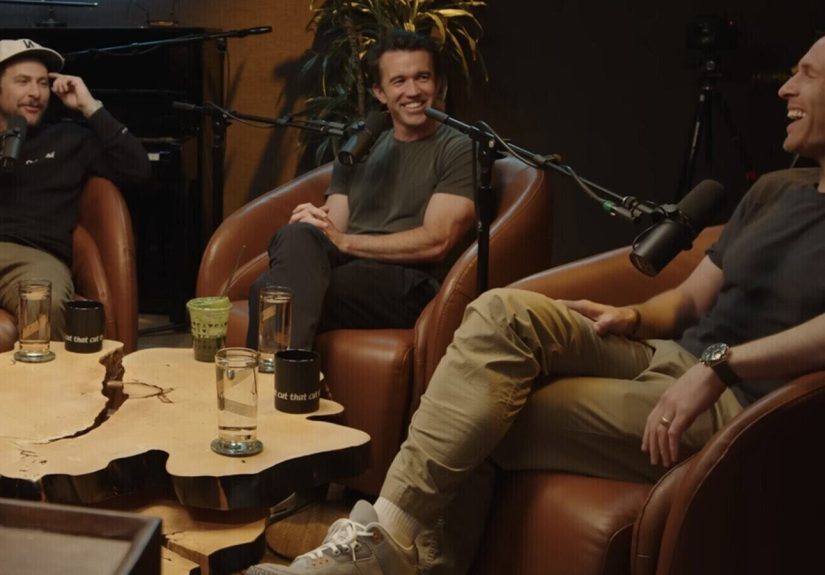
The Always Sunny Podcast launched in November 2021 with a simple premise: Rob McElhenney, Glenn Howerton, and Charlie Day would revisit episodes of It’s Always Sunny in Philadelphia, share behind-the-scenes stories, and occasionally veer so far off topic that the original episode became more of a polite suggestion than a subject.
That loose format quickly became the charm. Fans tuned in for production trivia, sure, but they stayed for the chemistry. The podcast felt like sitting at the next table while three very funny friends argued about memory, parking, fame, childhood, food, anxiety, movie ideas, and whatever else floated into the room. Megan Ganz, a writer and producer on Sunny, helped shape the podcast as a producer and occasional voice of reason, which was not an easy job considering the room often contained the creative DNA of Mac, Dennis, and Charlie.
For a while, the podcast grew into a major part of the Always Sunny fan experience. It moved from audio to video, brought in guests, staged live shows, and gave longtime viewers a cozy new ritual. Then, in July 2023, new episodes stopped. At first, the pause made sense. The entertainment industry was in the middle of major writers’ and actors’ strikes, and promotional work connected to struck film and television projects became complicated. Fans waited. Then they waited some more. Then they began refreshing feeds with the optimism of Charlie Kelly checking the mail for Pepe Silvia.
Glenn Howerton’s Update Was Honest, Not Dramatic
Howerton’s explanation was not dressed up as a scandal. There was no reported falling-out, no dramatic feud, no “Dennis Reynolds presents evidence in a leather binder” moment. The issue was practical: three busy creators became hard to place in the same room at the same time.
That detail matters because The Always Sunny Podcast depended heavily on in-person energy. A Zoom version may have technically worked, but it likely would have lost the unpredictable rhythm that made the show so fun. The magic was not just in the stories. It was in the interruptions, the facial expressions, the pauses, the side-eyes, and the way one person’s throwaway comment could send the conversation sprinting into a completely unrelated neighborhood.
Howerton’s note that they did not want to do the podcast on Zoom says a lot about what the team valued. They were not just making content to keep a feed alive. They were protecting the tone of the show. If the podcast could not feel like the podcast, they did not want to force it. That is disappointing for fans, but creatively, it is understandable.
Why the Podcast Worked So Well
The celebrity rewatch podcast has become its own crowded genre. Some are polished nostalgia machines. Some feel like DVD commentaries with better microphones. Some are mostly vehicles for ads, catchphrases, and contractual enthusiasm. The Always Sunny Podcast stood out because it did not always behave like a rewatch podcast. Sometimes the hosts discussed the episode in detail. Sometimes they barely made it out of the driveway.
That unpredictability matched the spirit of It’s Always Sunny in Philadelphia. The sitcom itself has survived for years because it is not sentimental in the usual way. It lets terrible people remain terrible, then finds new ways to expose their vanity, stupidity, desperation, and deeply misplaced confidence. The podcast gave fans a softer but still hilarious version of that energy. The actors were not their characters, obviously, but the rhythm of their friendship helped explain why the series has lasted so long.
The Hosts Had Real Creative History
Rob McElhenney, Glenn Howerton, and Charlie Day are not just actors remembering old scripts. They helped build the show’s identity from the ground up. That made the podcast more valuable than a standard recap. When they discussed an episode, they could talk about writing decisions, production limitations, early creative panic, network notes, and the strange experience of watching younger versions of themselves perform jokes from a different era of television.
The best moments often came when they remembered how handmade the early seasons felt. Sunny began with a low-budget, scrappy sensibility, and that origin story helped the podcast feel less like a corporate victory lap and more like three people trying to make sense of the monster they accidentally created.
Megan Ganz Helped Keep the Chaos Useful
Megan Ganz’s presence gave the podcast an important structural balance. She could ask questions fans wanted answered, pull the conversation back when needed, and bring a writer’s perspective to the discussion. Her role also helped connect older episodes to the later creative era of the show, making the podcast feel less like pure nostalgia and more like an ongoing conversation about comedy craft.
That balance is one reason the podcast appealed to both casual viewers and obsessive fans. You could listen for jokes, but you could also pick up real insight about pacing, character logic, production constraints, and why the show’s worst people remain so watchable.
The 2023 Hiatus Became Something More Permanent
When The Always Sunny Podcast paused in July 2023, the timing pointed naturally to the Hollywood labor strikes. The SAG-AFTRA strike affected how actors could promote struck work, and a podcast built around an ongoing television series existed in a complicated space. The team told fans they hoped to return, which left the door open.
But after the strikes ended, the podcast did not resume. That is when the silence began to feel less like a temporary pause and more like an accidental ending. The longer the break lasted, the harder it became to restart. Podcasting is habit-based for both creators and audiences. Once the weekly rhythm disappears, rebuilding it requires not only time but renewed commitment. For three people juggling acting, writing, producing, business ventures, family life, and the continuing demands of Sunny, that commitment became increasingly difficult.
Why Fans Took the News Personally
The reaction from fans makes sense because podcasts create a different kind of attachment than television. A sitcom episode is something viewers watch. A podcast is something people fold into their routine. They listen while driving, cooking, working, walking the dog, cleaning the kitchen, or pretending to clean the kitchen while mostly standing near the sink looking at their phone.
For many fans, The Always Sunny Podcast became comfort listening. It was not only about learning how an episode was made. It was about spending time with familiar voices. Losing that routine can feel oddly personal, even when everyone involved is a stranger with a much nicer microphone setup.
There is also the unfinished nature of the project. The podcast was moving through the series episode by episode, and it stopped long before catching up to the full run of It’s Always Sunny in Philadelphia. Fans imagined future discussions of major episodes, beloved jokes, controversial storylines, and behind-the-scenes stories that may now never be recorded. That sense of “we almost got there” is part of the sting.
A Very Always Sunny Kind of Ending
Still, there is something strangely appropriate about the way the podcast ended. It’s Always Sunny in Philadelphia has always resisted neat emotional packaging. Its characters rarely learn lessons. Their schemes collapse, they blame one another, and then life continues as if nothing happened. The podcast ending without a formal goodbye feels oddly aligned with that universe.
Imagine a scripted version: Mac insists the podcast is on a spiritual hiatus. Charlie believes the studio equipment has become sentient and left to pursue jazz. Dennis refuses to acknowledge that anything has ended because endings are for people with low value. Dee claims she was the real host all along. Frank has already sold the microphones for cash. Honestly, that could be an episode.
But outside the joke, Howerton’s comments reflect a larger reality in modern entertainment. Creative side projects often begin with enthusiasm and end when logistics win. Fans see the finished product; creators deal with calendars, production schedules, travel, studio costs, contracts, and the physical exhaustion of doing one more thing after already doing several very demanding things.
Could The Always Sunny Podcast Ever Return?
Never say never, especially with a franchise that has survived longer than many streaming platforms, social media trends, and people’s ability to quote “Dayman” at parties without warning. Howerton did not frame the podcast’s ending as a bitter breakup. He described it as something that became difficult, was set aside, and then stayed aside.
That leaves a tiny door open. A reunion episode could happen. A special tied to a milestone season could happen. A limited live event could happen. The team could decide, years from now, that they miss the format and want to revisit it. But based on Howerton’s explanation, fans should not expect a normal weekly return anytime soon.
The most realistic future may be occasional appearances, interviews, or anniversary conversations rather than a full reboot. That would preserve the spirit of the podcast without requiring the heavy routine that made it difficult in the first place.
What the Ending Says About Rewatch Podcast Fatigue
The news also lands at an interesting moment for the broader rewatch podcast trend. In the last several years, seemingly every beloved show has inspired a podcast hosted by former cast members, writers, or people who once stood near the craft services table. Some are excellent. Some are pleasant. Some feel like nostalgia was placed in a blender with sponsorship codes.
The Always Sunny Podcast was one of the better examples because it did not rely only on “remember when?” energy. It had real comic momentum. But its ending shows that even a strong concept needs sustainable production conditions. A podcast can be popular, beloved, and creatively fun while still being hard to maintain.
That may be the most practical lesson for media companies and creators. Fans love access, but access takes work. Chemistry cannot be mass-produced. A good podcast is not just a microphone and a famous face. It is timing, comfort, honesty, pacing, and the willingness to show up consistently. Once that consistency becomes too hard, even a hit can quietly disappear.
How This Affects the Always Sunny Legacy
The end of the podcast does not damage the legacy of It’s Always Sunny in Philadelphia. If anything, it adds another odd chapter to the show’s unusually long cultural life. The sitcom remains one of American television’s great endurance stories: a dark, abrasive, proudly inappropriate comedy that kept evolving while refusing to sand down its worst instincts too much.
The podcast gave fans a rare behind-the-scenes companion during a meaningful stretch of that journey. It captured the creators reflecting on early choices, laughing at old memories, and occasionally forgetting what they were supposed to be talking about. That archive still exists, and for new fans discovering the show, those episodes remain a valuable supplement.
In a way, the podcast’s unfinished quality may make it feel even more like a time capsule. It belongs to a specific era: post-pandemic entertainment, booming rewatch podcasts, live fan events, and the renewed appetite for comfort media with a chaotic edge. It was born from nostalgia but survived because it felt alive.
Experience: What It Felt Like to Follow the Podcast as a Fan
Following The Always Sunny Podcast was a different experience from simply watching It’s Always Sunny in Philadelphia. The sitcom is sharp, fast, and aggressively structured around bad decisions. The podcast was looser, warmer, and more human. It gave fans the strange pleasure of hearing the people behind one of TV’s most proudly antisocial shows behave like actual friends who enjoy each other’s company.
The best listening experience often came from expecting a recap and getting something else entirely. You might press play hoping to hear how a classic episode came together, only to spend ten minutes listening to a debate about some tiny social irritation that somehow became funnier than the planned topic. That was the secret sauce. The podcast felt like a hangout, not homework. It rewarded fans who knew the show deeply, but it did not punish anyone who just wanted to laugh at three smart, ridiculous people chasing conversational squirrels.
There was also a comforting honesty in hearing the hosts revisit old creative work. They did not treat every episode like sacred art. Sometimes they were proud. Sometimes they seemed amused by how little they remembered. Sometimes they acknowledged the weirdness of watching themselves age on camera while the show kept marching forward. That vulnerability gave the podcast texture. It reminded listeners that long-running comedy is not just a collection of jokes; it is a record of people changing, collaborating, disagreeing, maturing, and occasionally making decisions that only made sense at 2 a.m. in a writers’ room.
The video episodes added another layer. Seeing Glenn Howerton react silently to a tangent, Charlie Day lean into a memory, or Rob McElhenney explain some production detail made the podcast feel closer to a documentary than a simple recap. The studio became part of the show’s identity, which is why Howerton’s comment about getting rid of it hit fans harder than expected. A studio is just a room, technically. But for listeners, that room represented routine, chemistry, and the possibility of more stories.
The ending also captures a familiar fan experience in the streaming age: loving something that does not officially say goodbye. Modern media often disappears gradually. A show goes on hiatus. A podcast misses a week. Social accounts stop posting. Nobody says the thing is over until the audience has already done the emotional math. That is frustrating, but in this case, it also fits. The Always Sunny Podcast never felt overly polished or corporate. It felt like a thing that existed because the hosts wanted to do it. When they no longer had the time to do it properly, it stopped.
For fans, the healthiest way to view the podcast may be as a bonus era rather than an abandoned promise. It gave the Sunny community dozens of funny, strange, revealing conversations. It made old episodes feel fresh again. It turned behind-the-scenes trivia into casual comedy. And then, like so many plans made by The Gang, it sort of fell apart. The difference is that this time, nobody burned down a building, committed fraud, or ruined Cricket’s life. As far as Sunny endings go, that is practically graceful.
Conclusion
Glenn Howerton’s confirmation that The Always Sunny Podcast “just sort of” ended may not be the closure fans wanted, but it is the closure that makes the most sense. The podcast was not canceled in a dramatic blaze. It was overtaken by busy schedules, a refusal to settle for remote recording, and the practical reality that even great chemistry needs time and space to happen.
The good news is that the episodes fans already have remain funny, insightful, and highly rewatchable. The better news is that It’s Always Sunny in Philadelphia itself continues to be a rare comedy survivor, still powered by the same creative weirdness that made the podcast worth hearing in the first place. The podcast may have ended quietly, but its best moments still feel loud, messy, and wonderfully alive.