Table of Contents >> Show >> Hide
If your old thermostat has the personality of a stale cracker, Google’s newest Nest Learning Thermostat might look like a glow-up worth noticing. And when it’s on sale at Amazon, the pitch gets even better: premium smart-home style, sharper energy-saving tools, and a friendlier excuse to finally stop arguing with the wall about indoor temperature.
The newest flagship in Google’s thermostat lineup is the Nest Learning Thermostat (4th gen), a redesigned model that arrived with a larger display, updated smart scheduling, broader smart-home compatibility, and an included temperature sensor for better room-by-room comfort. Normally, the premium price makes some shoppers blink twice. But when Amazon drops the price, that hesitation starts to melt faster than an ice cube on a sunny windowsill.
For homeowners already living in the Google Home ecosystem, or anyone ready to replace an older Nest model, this sale is especially interesting. It turns a “nice, but pricey” smart thermostat into a more convincing home upgrade. And unlike a lot of gadgets that promise a smarter house and then mostly deliver app notifications, this one can actually help with comfort, convenience, and energy management in a meaningful, everyday way.
Why This Amazon Sale Matters
Smart thermostats are one of those rare smart-home devices that can feel useful almost immediately. A video doorbell is fun. A smart bulb is convenient. A robot vacuum is oddly easy to become emotionally attached to. But a thermostat touches your home all day, every day, and every season. So when a premium model goes on sale, it matters more than a random discount on another gadget you’ll forget in a drawer next month.
The Nest Learning Thermostat (4th gen) sits above Google’s more affordable Nest Thermostat in both design and features. It is the more polished, more advanced option, and it is aimed at people who want more than basic scheduling. With the Amazon sale bringing the price down from the standard launch range, buyers get access to Google’s top-tier thermostat without paying full flagship freight.
That discount also changes the comparison conversation. At full price, some shoppers might cross-shop heavily with Ecobee, Honeywell Home, or even a lower-cost Nest model. On sale, the 4th-gen Nest becomes much easier to justify because the gap between “premium” and “practical” narrows. In other words, this is the part where your inner budget planner stops glaring at your inner gadget enthusiast.
What’s Actually New in Google’s Latest Nest Thermostat?
The headline is simple: this is not a tiny refresh. Google gave the newest Nest Learning Thermostat a real update. The design is sleeker, the display is larger, and the software is more focused on balancing comfort with energy efficiency.
A bigger, more elegant display
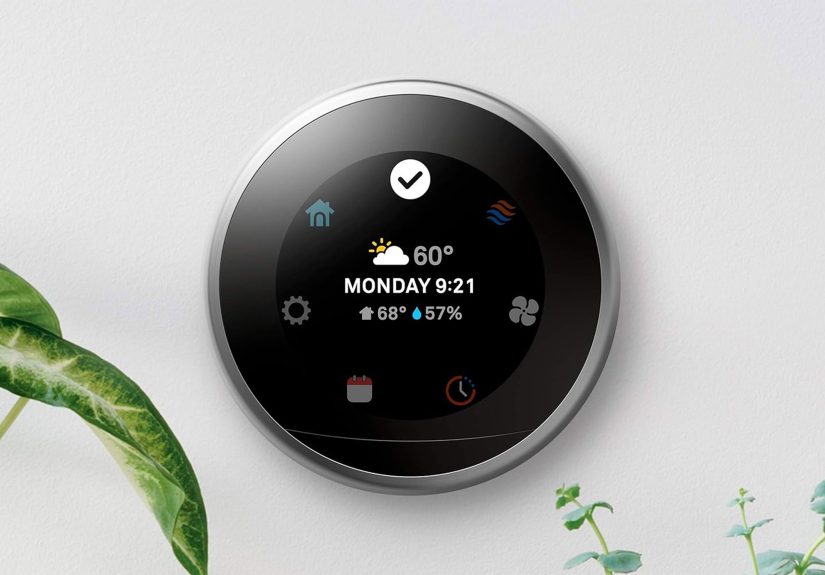
One of the first things people notice is the display. It is larger, easier to read from across the room, and more decorative than past versions. Google leaned into the idea that a thermostat can be functional and attractive, which sounds obvious until you remember how many thermostats still look like they belong in a dentist’s office from 2007.
The updated Dynamic Farsight feature makes the screen more useful at a distance, showing information like temperature, weather, and other at-a-glance details. That might sound small, but in real homes it means you can check the thermostat without walking over and squinting like you’re trying to decode an ancient inscription.
Smarter scheduling that feels less annoying
The Nest Learning Thermostat has always been about learning your preferences, but the newest version does a better job of making those adjustments feel helpful instead of bossy. Smart Schedule suggests changes based on how you actually use your heating and cooling, and the Google Home app makes it easier to review or approve those changes.
That matters because people want automation, but only up to the point where the automation starts acting like it pays the utility bill and owns the house. Google’s newer approach feels more collaborative. It is still smart, but it is less likely to make you feel like you’re negotiating with a robot.
Included temperature sensor
Another standout improvement is the included Nest Temperature Sensor (2nd gen). This helps the system focus on the temperature in a room that actually matters, such as a bedroom, nursery, upstairs office, or that one sun-baked room your house insists on treating like a desert biome.
For multi-story homes, this is a big deal. A thermostat in the hallway does not always tell the full comfort story. The sensor helps the system make better decisions, which can translate to more even comfort throughout the day.
Better compatibility and smarter-home flexibility
The newest Nest Learning Thermostat works with most 24V HVAC systems, and Google says no C-wire is required in most homes. It also supports Matter, which broadens compatibility across major smart-home platforms. That makes this thermostat more flexible for households that use Google Home, Amazon Alexa, Apple Home, or a mix of systems rather than one brand ruling the whole house with an iron app icon.
That wider compatibility is one of the most practical upgrades. It makes the thermostat feel less locked into one ecosystem and more future-friendly for people whose smart-home setups evolve over time.
Why Homeowners Are Paying Attention
There are three big reasons this thermostat has attracted attention beyond the usual gadget crowd.
1. It looks like a premium home product
Design matters more than companies pretend. A thermostat sits in a visible spot, often in a hallway, living area, or entryway. Google’s newest version looks intentionally upscale, with finishes that feel more like decor than appliance hardware. That makes it more appealing for homeowners who care about aesthetics and do not want a smart device interrupting the look of their space.
2. It helps turn energy savings into something tangible
Smart thermostats are not magic money printers, but they can help reduce waste. That is the real appeal. Instead of blasting heat or AC while no one is home, the thermostat can adjust based on schedule, activity, weather, and set routines. Over time, those small decisions can add up. This is one of the few smart-home categories where convenience and potential savings often overlap in a way that feels credible.
3. It feels timely for older Nest owners
Some longtime Nest users have extra motivation to upgrade now that support for the oldest Nest Learning Thermostats has ended. If you have been hanging onto an early model because “it still technically works,” you are not alone. But many shoppers are now looking at the newer versions because they want full app control, current software support, and better compatibility going forward.
Is the New Nest Thermostat Worth Buying on Sale?
For the right buyer, yes. The sale makes the strongest case for three types of shoppers:
Homeowners upgrading from an old thermostat
If you are replacing a basic programmable thermostat, the Nest Learning Thermostat feels like a major lifestyle upgrade. Remote control, easier scheduling, sensor support, and better visibility all make daily climate control less clunky.
Smart-home users who want a polished flagship option
If you already use Google Home or want a thermostat that plays nicely across major smart-home platforms, the 4th-gen Nest is more attractive than older Nest models. The sale helps justify choosing the nicer option instead of settling for the cheaper one and wondering later whether you should have gone premium from the start.
People with uneven temperatures around the house
The included sensor is especially useful in homes where one room is always too hot, too cold, or seemingly governed by its own weather system. While it will not rewrite the laws of insulation, it can help the HVAC system respond more intelligently to how your home actually feels in different spaces.
That said, not everyone needs this model. If your main goal is simply app-based control and basic scheduling, the less expensive Nest Thermostat may still be enough. And if your HVAC system is unusual or older, compatibility should always be checked before buying. A smart thermostat is exciting right up until installation day turns into a plot twist.
What to Know Before You Click “Buy Now”
Before you get swept away by sale pricing and glossy product photos, a little practical thinking helps.
Check HVAC compatibility first
Google provides a compatibility checker, and using it is wise. The newest Nest Learning Thermostat works with many systems, including common 24V setups, but not every home is the same. Proprietary wiring and unusual systems can create installation headaches that no discount can emotionally prepare you for.
Self-installation is possible, but not mandatory
Many buyers can install it themselves with the Google Home app walking them through the process. For confident DIY homeowners, that is part of the appeal. But there is no shame in calling a pro if wiring makes you nervous. Smart homes are nice; accidentally making your HVAC system mysterious is less nice.
Think beyond the sale price
The Amazon deal is what grabs attention, but the longer-term value comes from daily use. Better comfort, more convenient control, and more efficient scheduling are what make this thermostat worth considering. The sale is the hook. The user experience is the part that has to keep earning its place on the wall.
Living With Google’s Newest Nest Thermostat: A 500-Word Experience Section
What does it actually feel like to live with Google’s newest Nest Learning Thermostat after the excitement of unboxing wears off? Honestly, that is where the device becomes more interesting. The sale gets people in the door, but the day-to-day experience is what makes them glad they upgraded.
The first impression is visual. The thermostat looks clean, modern, and more intentional than many smart-home devices. It does not scream “tech gadget.” It feels more like part of the home. In a hallway or living room, it blends in when you want it to and stands out when you need information quickly. That might sound like a small design win, but it changes how the product feels. It becomes less of a device you tolerate and more of one you actually like having around.
Then there is the convenience factor. Being able to adjust temperature from the Google Home app is the kind of feature that sounds mildly useful until real life happens. Maybe you leave home and realize the AC is still working too hard. Maybe you are upstairs and do not want to trek downstairs just to tweak the temperature by two degrees. Maybe you are traveling and want the house comfortable before you get home. These are not flashy scenarios, but they are the exact moments when smart-home technology earns its keep.
The included temperature sensor also changes the experience in subtle but valuable ways. In homes with a hot upstairs bedroom, a chilly office, or a family room that always seems slightly off, the sensor makes comfort feel more targeted. Instead of relying entirely on wherever the main thermostat happens to be mounted, the system can respond to the room that matters most during certain times of day. That makes the home feel less like a single temperature zone and more like a place that understands how people actually live in it.
Another thing that stands out is how the newer software approach feels less pushy. The thermostat still uses learning and automation, but it does not feel like it is constantly wrestling control away from you. The suggestions in the app are easier to understand, and the adjustments feel more transparent. That creates trust, which is a surprisingly big part of whether people stick with smart-home devices. Nobody wants a thermostat that acts like a know-it-all roommate.
There is also a quiet peace of mind in having a newer model if you are coming from an aging Nest. With support for older generations already ended, upgrading feels less like chasing a shiny toy and more like making sure one of your home’s most important connected devices remains current and dependable. That matters, especially for people who use remote access regularly or have built routines around app control.
In the end, the experience is less about gimmicks and more about friction reduction. The thermostat helps your house feel comfortable with fewer manual adjustments, clearer information, and smarter room targeting. It will not transform your life into a futuristic movie montage, but it can make everyday living smoother. And honestly, that is a better sales pitch anyway.
Final Take
Google’s newest Nest Thermostat is the kind of smart-home product that becomes more appealing when price and practicality finally meet in the middle. The Amazon sale helps do exactly that. It lowers the barrier to entry on a premium thermostat that already has strong design, thoughtful software, broad compatibility, and genuinely useful comfort features.
If you have been waiting for the right time to upgrade, especially from an older thermostat or an aging Nest, this deal makes sense. It is not cheap-cheap, and it is not the right pick for every budget. But for shoppers who want the premium Nest experience without paying full price, this is the sweet spot.
In other words: your walls can stay classy, your rooms can stay comfortable, and your utility bill might complain a little less. That is not bad for a gadget that mostly just sits there looking pretty.