Table of Contents >> Show >> Hide
- Why Hair Turns Gray in the First Place (The Not-So-Mysterious Science)
- Premature Gray Hair: When “Early” Might Be a Thing
- Common Causes and Contributors to Gray Hair
- 1) Natural aging (still the #1 reason)
- 2) Genetics and family history
- 3) Smoking (yes, your hair has opinions about it)
- 4) Nutrient deficiencies (especially if you’re low for real, not “TikTok low”)
- 5) Thyroid disease and other medical conditions
- 6) Stress (not “you’re stressed,” but actual biology under stress)
- 7) Hair products and “damage” myths
- Gray Hair Myths (Let’s Retire These, Kindly)
- What To Do About Gray Hair (Practical Options That Actually Make Sense)
- Step 1: Decide what you want (no wrong answers)
- Step 2: If it’s early or sudden, consider a quick health check
- Step 3: Support hair and scalp health (even if color doesn’t change)
- Step 4: Lifestyle moves that help your whole body (and may help your hair)
- Step 5: Cosmetic options (from subtle to “new identity”)
- Can Gray Hair Be Reversed?
- When to See a Dermatologist or Clinician
- of “Gray Hair Experiences” (What People Commonly Notice and Learn)
- Conclusion
One day you’re minding your business, feeling youthful, hydrated, and maybe even emotionally stable… and then a
silver strand shows up like it pays rent. You stare. It stares back. You consider plucking it, naming it, or
starting a tiny support group. Welcome to the wonderfully normal world of gray hair.
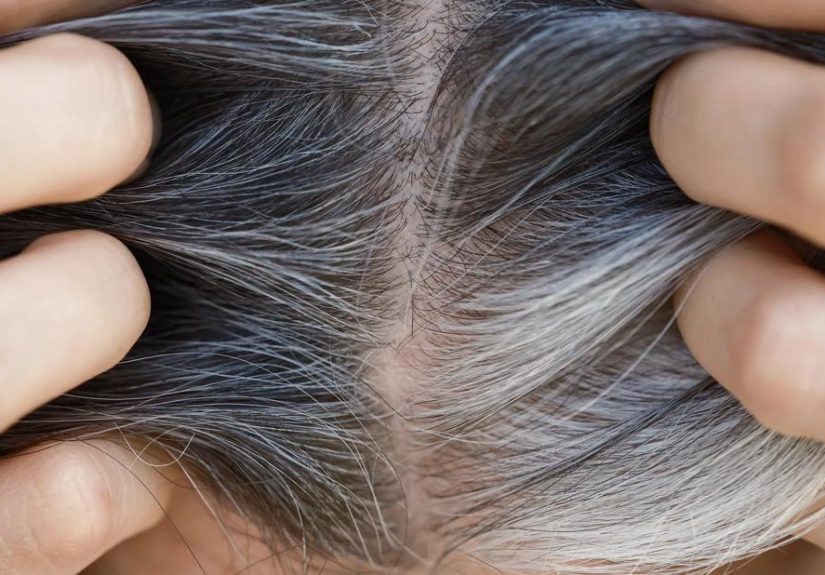
Gray hair (and its dramatic cousin, white hair) is usually a natural part of aging. But sometimes it happens
earlier than you expected, which can make you wonder: “Is this just genetics… or is my body trying to tell me
something?” Let’s break down what causes gray hair, what premature graying might mean, what’s myth vs. reality,
and what you can actually do about it.
Why Hair Turns Gray in the First Place (The Not-So-Mysterious Science)
Your natural hair color comes from pigment called melanin, made by specialized cells
(melanocytes) inside your hair follicles. Each time a hair grows, these pigment-producing cells help “paint”
the strand. Over time, many follicles produce less melaninor stop producing it entirelyso new hairs grow in
with less color. That’s when you see gray (a mix of pigmented and unpigmented hairs) or white (little to no
pigment).
The big driver: aging (and biology doing what biology does)
For most people, graying is mostly about time. The pigment system in hair follicles isn’t designed to run at
full power forever. Think of it like a printer that eventually runs low on inkexcept you can’t just shake the
cartridge and pretend it’s fine (although you can absolutely use hair color and pretend it’s fine).
Genetics: the ultimate “thanks, family” moment
The age you start going gray is heavily influenced by genetics. If your parents or grandparents went gray early,
your follicles may have gotten the memo. If your family keeps its color late into life, you might be one of those
magical people who discovers their first gray hair at 47 and acts personally betrayed.
Premature Gray Hair: When “Early” Might Be a Thing
“Premature” graying generally means going noticeably gray earlier than typical for your background and family
pattern. There isn’t one universal cutoff for everyone, but early graying is often discussed when it begins in
the teens, 20s, or early 30sespecially if it’s progressing fast.
Here’s the key point: premature gray hair is often still benign. But it can also be a clue worth
checking, especially if it’s sudden, patchy, or paired with other symptoms.
Common Causes and Contributors to Gray Hair
1) Natural aging (still the #1 reason)
As you age, pigment-producing cells and pigment “reserves” in the follicle tend to decline. This is the standard,
most common explanation for typical graying.
2) Genetics and family history
If early graying runs in your family, it can show up even if you’re otherwise healthy. In that case, the “cause”
isn’t something you did wrongit’s just your inherited timeline.
3) Smoking (yes, your hair has opinions about it)
Research has long linked smoking with earlier graying. The likely mechanism is increased oxidative stress and
cellular wear-and-tear that can affect hair follicles. If you needed another reason to quit, your future hairline
and pigment cells would like to submit a formal request.
4) Nutrient deficiencies (especially if you’re low for real, not “TikTok low”)
Certain nutrient deficiencies have been associated with premature grayingmost commonly discussed are
vitamin B12, as well as possible roles for iron, copper, zinc, and vitamin D. That doesn’t mean
everyone with gray hair needs supplements, and it doesn’t mean supplements reverse gray hair like a magic
eraser. But if you’re deficient, correcting that deficiency is smart for your overall health and may help support
normal hair biology.
Specific example: Someone who has been strictly vegan for years without reliable B12 intake might
develop low B12. If they also notice early graying plus fatigue or numbness/tingling, it’s worth discussing labs
with a clinician. (This is about the deficiency symptoms firsthair is just one possible clue.)
5) Thyroid disease and other medical conditions
Some medical conditions can be associated with early graying. Thyroid disorders can affect hair and skin changes
overall. Autoimmune conditions that impact pigment, like vitiligo, can also be linked with changes
in hair color. In some cases, hair may appear to “gray” in patches.
If graying comes with hair loss, patchy hair changes, skin pigment changes, rapid weight changes, heat/cold
intolerance, or fatigue, don’t self-diagnose via vibescheck in with a healthcare professional.
6) Stress (not “you’re stressed,” but actual biology under stress)
Stress gets blamed for everything, including your unread emails, but there’s real science behind how acute stress
can affect hair pigmentation systems. A well-known line of research suggests stress-related nerve activity can
deplete pigment-regenerating stem cells in follicles in ways that may be lasting. That doesn’t mean every stressful
week guarantees gray hair, and it doesn’t mean relaxing will automatically restore colorbut it does mean stress
can be more than just a convenient villain.
7) Hair products and “damage” myths
Normal hair dye doesn’t “turn your hair gray,” and using conditioner won’t “cause” gray hair (please don’t fire
your conditioner; it’s innocent). However, harsh chemical processing can break hair, change texture, and make
strands look dullwhich can make gray hairs feel more noticeable. That’s an appearance issue, not a pigment
switch.
Gray Hair Myths (Let’s Retire These, Kindly)
Myth: “If I pluck one gray hair, seven more will show up.”
Plucking doesn’t create more gray follicles. Each follicle produces one hair at a time, and it doesn’t recruit its
neighbors into a gray-hair pyramid scheme. But plucking repeatedly can irritate the follicle, cause breakage, and
in some cases contribute to thinningso it’s not the best long-term plan.
Myth: “Gray hair means you’re unhealthy.”
Most of the time, gray hair is simply normal aging or genetics. It can be associated with certain deficiencies or
conditions, but it isn’t automatically a health alarm.
Myth: “A supplement can reverse gray hair for everyone.”
If you’re deficient in something, correcting the deficiency can help your body function better. But “anti-gray”
supplements often promise more than the evidence supports. Be skeptical of miracle claims, especially when the
marketing sounds like it was written by a desperate follicle.
What To Do About Gray Hair (Practical Options That Actually Make Sense)
Step 1: Decide what you want (no wrong answers)
First question: do you want to cover it, blend it, or embrace it?
All options are valid. Gray hair is not a moral failing. It’s just hair doing a new thing.
Step 2: If it’s early or sudden, consider a quick health check
If you’re graying much earlier than your family pattern, or it’s happening fast, it’s reasonable to talk with a
clinician or dermatologistespecially if you have other symptoms. They may consider:
- Diet history (especially B12 sources)
- Thyroid screening if symptoms suggest it
- Other labs only if clinically indicated (not a “test everything” situation)
- Evaluation for patchy pigment changes or autoimmune-related patterns
Step 3: Support hair and scalp health (even if color doesn’t change)
You can’t always control pigment, but you can improve how your hair looks and feels. Gray hair can be drier,
coarser, or more wiry for some people, so a texture-friendly routine helps:
- Use a moisturizing shampoo and conditioner (gray hair loves hydration)
- Try a purple shampoo occasionally if your gray looks brassy or yellow-toned (don’t overdo it)
- Heat protection if you style with hot tools
- Regular trims to reduce frizz and keep shape
Step 4: Lifestyle moves that help your whole body (and may help your hair)
These won’t guarantee fewer gray hairs, but they support the biology that keeps follicles healthier longer:
- Quit smoking (your hair follicles will throw a tiny party)
- Eat enough protein and a nutrient-dense diet (hair is made of protein, after all)
- Address true deficiencies (B12 is a big one to discuss if you’re at risk)
- Stress management (not because “calm = color,” but because stress affects the body broadly)
- Protect hair from UV (hats are underrated and also kind of cool)
Step 5: Cosmetic options (from subtle to “new identity”)
If you want to change the look of gray hair, you’ve got choices:
Blending (low maintenance)
- Highlights or babylights: Help gray strands blend into lighter tones
- Gray blending gloss: Adds shine and reduces contrast without full coverage
- Root spray or powder: Great for quick touch-ups between salon visits
Covering (more commitment, more control)
- Permanent dye: Strong coverage, but requires regular root upkeep
- Demi-permanent color: Softer fade, often less harsh, good for transitioning
Embracing gray (and making it look intentional)
- Toner or silver gloss: Enhances shine and keeps gray looking polished
- A great haircut: The fastest way to turn “I’m graying” into “This is my look”
- Texture care: Gray hair often looks best when it’s moisturized and smooth
Can Gray Hair Be Reversed?
Usually, once a follicle stops producing pigment, the change is long-lasting. That said, hair biology is complex,
and there are occasional reports of repigmentation in specific contexts. The most realistic “reversal” scenario is
when graying is connected to a correctable factorlike a nutrient deficiencywhere restoring normal health may
support normal follicle function. But for most people, gray hair is not a glitch you can uninstall.
If you see content promising guaranteed reversal in 7 days, treat it like a “free cruise” email: interesting,
suspicious, and probably not going to end well.
When to See a Dermatologist or Clinician
Consider professional guidance if:
- Graying is very early and rapidly progressing
- You have patchy graying, pigment changes in skin, or sudden shifts
- You also have symptoms like fatigue, hair loss, weakness, numbness/tingling, or thyroid-type symptoms
- You want help choosing a safe hair/scalp routine for your hair type and goals
of “Gray Hair Experiences” (What People Commonly Notice and Learn)
People’s first gray-hair moment is rarely calm. A lot of folks describe discovering it under the harsh lighting
of a bathroom mirrorbecause apparently mirrors are happiest when they can humble you. One common experience is
thinking it’s “just one” and then realizing it’s actually a small constellation. The emotional arc often goes:
denial (“That’s lint”), negotiation (“If I ignore it, it’ll go away”), and finally acceptance (“Okay… silver is
kind of iconic”).
Many people who go gray early say the hardest part isn’t the colorit’s the comments. Friends might joke, family
might panic, coworkers might suddenly call you “wise” like you’ve been knighted by the Council of Elders. Over
time, though, a lot of people report a funny shift: once they stop treating gray hair like an emergency and start
treating it like a style choice, the anxiety drops. It becomes less “I’m aging” and more “I’m evolving.”
Another widely shared experience: texture changes. People often notice their gray strands feel wirier, drier, or
more stubborn, especially around the temples. Some say their hair suddenly wants to stand up like it’s auditioning
for a role in a science documentary. This is where routines tend to change. Folks often report that switching to a
more moisturizing conditioner, adding a lightweight hair oil, or using a smoothing cream makes gray hair look
shinier and feel softerregardless of what color it is.
On the “what to do” side, people tend to fall into a few camps. The “cover it immediately” group often loves the
confidence boost of consistent color, but later realizes upkeep is the real relationship here: roots come back
regularly, like a subscription you didn’t remember signing up for. The “blend it” crowd frequently describes
highlights and toners as the sweet spotless contrast, less maintenance, and a more natural grow-out. And the
“embrace it” group often says the biggest change is psychological: once they committed to going gray on purpose,
they started getting compliments they never expected. (It turns out people admire confidence almost as much as
they admire shiny hair.)
Stress is another theme people talk about a lot. Some notice graying during a hard seasonfinal exams, a tough job,
caregiving, big life transitionsand even if stress wasn’t the sole cause, the timing makes an impression. The
practical takeaway many people share is this: you can’t always control when gray shows up, but you can control how
supported you feel while it’s happening. Small habitsbetter sleep, movement, real meals, fewer cigarettes, more
hydrationmay not “erase” gray hair, but they can help you feel and look healthier overall, which tends to make
any hair color easier to wear.
Conclusion
Gray hair is usually a normal, genetics-and-aging-driven shift in how your follicles produce pigment. Sometimes
it can show up earlier due to factors like smoking, stress biology, or correctable health issues such as nutrient
deficiencies or thyroid problems. The best approach is practical: if it’s early or sudden, consider a quick health
check; if it’s simply your timeline, focus on hair health and choose the look that fits youcover, blend, or go
full silver and make it fashion.
Because the real goal isn’t “never go gray.” The real goal is: whatever color your hair is, it looks great, feels
good, and doesn’t get to boss you around.