Table of Contents >> Show >> Hide
- What Is a Hanging Upholstered Convertible Headboard?
- Why Choose an Upholstered Headboard in the First Place?
- Planning a Convertible Headboard for Twin and King Layouts
- How to Hang an Upholstered Headboard Safely
- Design Ideas for a Twin-or-King Convertible Setup
- Care and Maintenance Tips for Upholstered Headboards
- Where a Convertible Hanging Headboard Really Shines
- Real-Life Experiences with Hanging Convertible Upholstered Headboards
If you’ve ever tried to turn a small guest room into a “does-it-all” space, you already know the struggle: sometimes you need two twin beds, sometimes you need a king, and your poor headboard just can’t keep up. That’s where a hanging upholstered headboard that works for both twin and king-size beds becomes an absolute game-changer.
Think of it as the overachiever of bedroom decor: it’s stylish, soft, sound-absorbing, flexible with bed sizes, and it hangs on the wall so you’re not constantly wrestling with bolts and brackets connected to your frame. In this guide, we’ll walk through what a convertible, wall-mounted upholstered headboard is, why it’s worth the effort, how to plan and hang one safely, and how real people actually use them in everyday homes.
What Is a Hanging Upholstered Convertible Headboard?
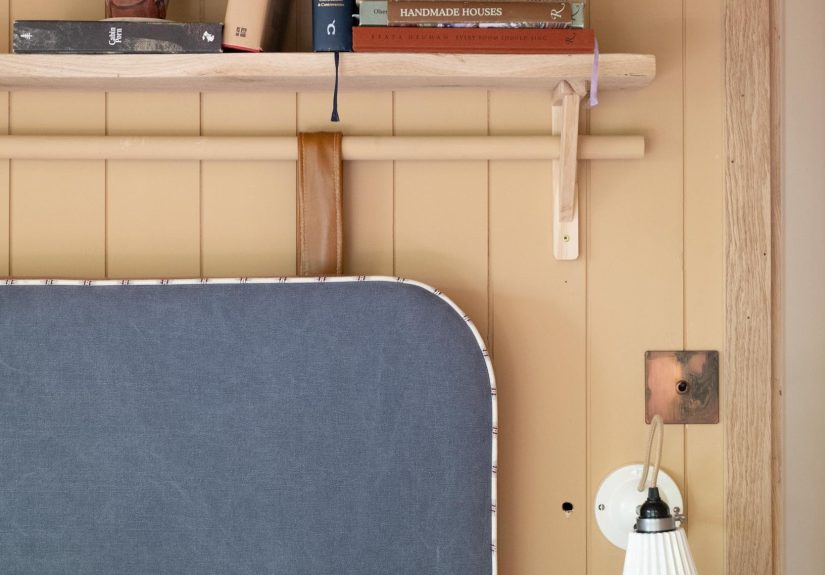
A hanging upholstered convertible headboard is basically a padded headboard that attaches to the wall instead of the bed frame and is wide and tall enough to work behind more than one bed layout. In most cases, that means it looks good behind:
- Two twin or twin XL beds placed apart (with a nightstand in the middle), and
- The same two beds pushed together to create a king-size sleeping surface.
Instead of buying separate headboards for each configuration, you mount one larger upholstered piece, or a clever sliding or modular system, so the room can transform with minimal effort. Hotels, vacation rentals, and small homes love this setup, but it’s just as practical in a regular guest room or multipurpose bedroom.
Why Choose an Upholstered Headboard in the First Place?
1. Comfort for Sitting Up in Bed
Let’s be honest: most of us don’t sit in bed like stock photosperfect posture, light smile, hardcover book. Real life is Netflix, group chats, and “one more” chapter that turns into four. A padded upholstered headboard gives your back and shoulders a soft surface to lean on. The foam and fabric absorb pressure so you’re not leaning against a cold wall or a hard wooden slat.
This extra cushioning is especially helpful in a guest room where you might not know your visitors’ preferences. Whether they’re reading, working on a laptop, or letting kids pile in for a movie night, the upholstered surface is simply more forgiving than metal or wood.
2. Quieter, Cozier Bedrooms
Fabric and padding don’t just look cozythey help feel cozy. Upholstered headboards naturally absorb sound, which can reduce echo in a room and soften everyday noises like hallway footsteps, traffic, or kids playing in the next room. That’s a big perk if your bedroom shares a wall with another room or if you live in a busy apartment building.
Paired with curtains and a soft rug, a wall-hung upholstered headboard turns what might be an echoey box into a more peaceful, cocoon-like sleeping space.
3. Extra Warmth Against Cold Walls
If your bed sits on an exterior wall or in a drafty old house, a padded headboard can act like a little insulation panel. Instead of your head and pillows resting directly against a chilly wall, you get a layer of foam and fabric between you and the cold. It’s a small change that can make winter nights more comfortable, especially in homes with older windows or minimal insulation.
4. Design Power: Instant Focal Point
Even in a minimalist room, a headboard tends to become the visual anchor. A convertible wall-mounted upholstered headboard does double duty: it frames the beds and pulls the room together whether it’s set up with twins or a king. You can play with:
- Shape: simple rectangles, gentle arches, or scalloped tops
- Fabric: linen, performance polyester, velvet, faux leather, or bouclé
- Details: channel tufting, button tufting, clean modern panels, or vertical seams
Choose a color that works across multiple bedding setsneutrals like oatmeal, soft gray, or warm taupe are especially versatile. You can then swap pillows and duvets seasonally without needing to change the headboard.
Planning a Convertible Headboard for Twin and King Layouts
Step 1: Decide on a Single Panel vs. Modular or Sliding Design
There are a few common approaches to convertible headboards:
- One oversized panel: A wide, single headboard that spans the entire wall or at least the width of a king bed. When twin beds are separated, the panel runs behind both beds and the nightstand; when pushed together, it frames the king.
- Two panels on a shared rail or pole: Two upholstered sections mounted on a bar or track that can slide. Spread them apart for two twins or slide together behind a king-size mattress.
- Modular wall panels: Upholstered rectangles or squares arranged in a grid. This design is very flexible and easy to adjust if you change the room layout later.
For DIYers, the oversized single panel or modular panels are usually simplest. A sliding-rail system is a bit more advanced but looks incredibly custom and polished.
Step 2: Choose the Right Dimensions
For a twin-to-king setup, your headboard width should comfortably accommodate the widest configurationa standard king is about 76 inches wide (two twin XLs pushed together). Many designers also like the headboard to extend a few inches beyond the mattress on each side for a more luxurious look, so 80–90 inches wide is a popular choice for a full wall setup.
Height is partially personal preference, but a practical range is:
- Top of the mattress to about 24–36 inches of visible headboard above it for most rooms
- Taller (up to 48 inches or more above the mattress) if you want a dramatic, statement-making look
Measure your existing bed frame and mattress height before committing. Take into account any thick toppers or future mattress upgrades so the headboard doesn’t look too short later.
Step 3: Pick Fabric and Padding Wisely
Because this headboard is wall-hung and used in multiple layouts, durability matters. Consider:
- Performance fabrics: Stain-resistant linen blends, polyester, or microfiber are ideal for guest rooms, kids’ rooms, and rentals.
- Velvet or bouclé: High-impact visually and very cozy, but more prone to showing lint and wear. Great if you’re okay with some extra maintenance.
- Faux leather: Easy to wipe clean and sleek in modern spaces, but won’t absorb sound as much as woven fabrics.
- Foam thickness: 1–2 inches of medium-density foam works well for most headboards. Add a thin layer of batting for smoother curves and a plush look.
In homes with pets or small children, removable or washable covers are a smart extraa simple slipcover over the upholstered core can drastically extend its life.
How to Hang an Upholstered Headboard Safely
Because a hanging headboard is basically a large, padded wall panel, secure mounting is non-negotiable. The good news? The hardware and techniques are similar to hanging a heavy mirror or large piece of art.
Common Mounting Systems
- French cleat: A two-part angled bracket. One piece attaches to the wall, the other to the back of the headboard. The headboard then “hooks” onto the wall piece. This is strong, forgiving, and surprisingly DIY-friendly.
- Wall-mount brackets or keyhole plates: Metal hardware that allows the headboard to slot onto screws or bolts anchored into studs.
- Continuous rail: A metal or wood rail fixed across several studs. The headboard or multiple panels hang from this rail, making it easier to adjust position horizontally.
Whichever system you use, always anchor into studs or use heavy-duty wall anchors rated for more than the weight of the headboard. A fully upholstered king-width panel can be heavier than it looks.
Ideal Height for a Wall-Mounted Headboard
There’s no single “perfect” height, but there are good starting points. Many installers aim for the top of the mattress to overlap the lower 8–12 inches of the headboard so pillows sit comfortably against it without exposing bare wall. From there, having roughly 24–36 inches of visible headboard above the mattress usually looks balanced.
Before you commit, tape out the intended size on the wall with painter’s tape, or hold the headboard temporarily in place (with a helper) to see how it feels from across the room and from bed level.
Design Ideas for a Twin-or-King Convertible Setup
1. Wall-to-Wall Headboard in a Narrow Guest Room
In a narrow room, running an upholstered headboard from wall to wall can make the space feel tailored and intentional. Set two twin beds under it with a small shared nightstand. When you need a king, push the frames together, swap to a king-sized duvet, and your wall-spanning headboard still looks perfectly centered and custom.
2. Sliding Panels for Flexible Layouts
If you prefer a more architectural look, consider two tall, narrow upholstered panels mounted on a shared rail or pole. With twin beds, spread the panels to match each mattress. For a king, slide them together behind the joined beds. This setup looks especially good in modern or Scandinavian-inspired rooms, where clean lines and visible hardware add to the design rather than detract from it.
3. Modular Upholstered Tiles
Upholstered wall tilesrectangular or square panels arranged in a gridoffer a lot of creative freedom:
- Create a wide band of panels that spans the entire wall behind the beds.
- Mix low-contrast tones (for example, three shades of gray) for a subtle pattern.
- Rearrange or expand the grid later if you change your furniture.
This is also an easier DIY for beginners: each tile is manageable in size and weight, and you can add more over time.
Care and Maintenance Tips for Upholstered Headboards
To keep your convertible upholstered headboard looking fresh, build a simple care routine into your cleaning schedule:
- Vacuum regularly: Use a soft brush attachment to remove dust, hair, and lint from the fabric and seams.
- Spot clean promptly: Blot spills immediately with a clean cloth. Use a fabric-appropriate cleaner and always test in an inconspicuous area first.
- Rotate bedding and pillows: Regularly changing pillow positions can help prevent permanent indentations in heavily used spots.
- Protect from direct sun: Strong sunlight can fade fabric over time. If your headboard is in a bright room, consider curtains or UV-filtering shades.
In a guest room or rental, inspect the headboard when you change sheets. Catching small scuffs or marks early makes them much easier to treat.
Where a Convertible Hanging Headboard Really Shines
Small Homes and Condos
When a second bedroom has to be both “office” and “guest suite,” a wall-mounted headboard behind a daybed or two twins keeps things stylish without committing to a single bed size. Add a trundle or pull the twins together when parents, in-laws, or friends visit. The headboard stays put, and the room still looks designed instead of improvised.
Vacation Rentals and Airbnbs
Hosts love flexible sleeping arrangements: one group wants separate beds, another wants one large bed. A convertible headboard allows you to change the mattress configuration in minutes and still have photos that look cohesive and hotel-like. It’s a small design upgrade that can make your listing stand out and justify a higher nightly rate.
Kids’ and Teen Rooms
Have siblings sharing a room now that may not share later? A wide, wall-mounted upholstered headboard lets you change from two beds to one larger bed as they grow or move out. You don’t have to replace all the furniturejust shuffle frames and mattresses. The soft, padded surface is also safer for energetic kids who may treat the bed like a trampoline (despite your very clear rules).
Real-Life Experiences with Hanging Convertible Upholstered Headboards
It’s one thing to talk about measurements and mounting hardware. It’s another to live with a hanging upholstered headboard that has to survive sleepovers, movie marathons, and the occasional “my friend is crashing here for a month.” Here’s what the day-to-day experience is really like when you commit to a twin-or-king wall-mounted setup.
First, the flexibility is addictive. Imagine you have two twin beds set up for your kids’ cousins. A few months later, your best friends visit as a couple. Instead of dragging furniture from other rooms or apologizing for a lumpy sofa bed, you simply unlock the casters on the twin frames, push them together, add a mattress bridge or thick topper, switch to a king sheet set, and you’re done. The upholstered headboard doesn’t flinch. It still frames the bed beautifully and makes the room look intentional, not cobbled together five minutes before your guests arrived.
People also notice the comfort upgrade immediately. Guests lean back against the padded headboard to scroll their phones or read, and they almost always comment on how “hotel-like” the room feels. That’s a big compliment, especially when your guest room is actually a former storage room that still technically houses the family printer.
In everyday use, the hanging design is surprisingly low-maintenance. Because the headboard floats off the floor, it doesn’t collect dust bunnies the way a tall, floor-standing piece might. Vacuuming is easier, and if you ever need to touch up the wall or repaint, you can temporarily lift the headboard off its cleat or rail, handle your paint job, and hang it back up without disassembling the bed itself.
If you live in a noisy building or on a busy street, the upholstered headboard is a quiet hero. You may not consciously think “ah yes, my sound-absorbing wall panel,” but you do notice that the room feels calmer. The soft surface soaks up some of the sound that would otherwise bounce around, so late-night door slams or hallway chatter feel a little more muffled. It’s not full-on soundproofing, but it’s enough to make light sleepers grateful.
The main thing you’ll want to plan for is cleaning. Yes, the headboard is vertical and less likely to get spilled on than your bedding, but hands, hair products, and the occasional cup of morning coffee can leave marks. Most people find that a quick vacuum once a week and a spot-clean now and then is plenty. In homes with pets, lint rollers may become your new best friendsome cats view upholstered headboards as a personal throne.
From a design perspective, a convertible hanging headboard is one of those upgrades that makes the whole room feel finished. Even inexpensive frames and basic mattresses look elevated when there’s a tailored, upholstered backdrop. And because the headboard doesn’t care whether you’ve set the room up with two twins or a king, you keep that polished look no matter who’s sleeping there this week.
Once you’ve lived with one for a while, it’s hard to go back. You stop thinking of beds as fixed objects and start treating your bedroom like a flexible, modular spaceready to host kids, couples, in-laws, and the occasional friend who “just needs a place for a few nights” (we all know what that really means). Your headboard takes it all in stride, hanging there calmly, looking good, and quietly doing the hard work.
SEO JSON