Table of Contents >> Show >> Hide
- What Is a Head Lice Infestation (and What Are “Nits”)?
- Causes: How Head Lice Spread
- Symptoms: What Head Lice Feel Like
- Diagnosis: How to Confirm Head Lice (Without Guessing)
- Common Myths and Misdiagnosis Traps
- Prevention Tips That Actually Make Sense
- FAQ: Quick Answers to Common Head Lice Questions
- Conclusion
- Real-World Experiences (Common Scenarios Families Actually Go Through)
If you’ve ever heard the phrase “Someone in the class has lice,” you know it lands like a tiny horror-movie soundtrack.
Suddenly everyone’s scalp gets mysteriously itchy, hats become suspicious, and you’re Googling “nits vs dandruff”
like it’s a final exam. Take a breath. A head lice infestation is common, annoying, and very manageable
and it’s not a sign you’ve failed at parenting, hygiene, or living on Earth.
This guide breaks down the real-world causes of head lice, the most common head lice symptoms,
and how to get a reliable head lice diagnosiswithout turning your bathroom into a crime lab.
We’ll keep it science-based, straightforward, and just humorous enough to make you feel like you’re still in control of your life.
What Is a Head Lice Infestation (and What Are “Nits”)?
Head lice (also called pediculosis capitis) are tiny insects that live on the scalp and hair,
feeding on small amounts of blood. They lay eggsknown as nitswhich stick firmly to hair shafts,
usually close to the scalp where it’s warm and cozy (unfortunately for you).
A key detail that calms people down: head lice don’t jump or fly. They crawl. They’re basically the world’s most
inconvenient hikers, traveling mostly by close contact.
A quick life-cycle snapshot (so the timeline makes sense)
- Nits (eggs): Attached to hair near the scalp; can look like tiny tan/white/yellow specks.
- Nymphs: Baby lice that hatch and grow over about a week or so.
- Adults: Sesame-seed sized, fast movers, and very committed to staying out of sight.
Causes: How Head Lice Spread
The big question is always: “How did we get head lice?” The short answer: close contact.
The longer answer: lice are opportunists with zero respect for personal boundaries (very on-brand for school-aged kids).
1) Head-to-head contact (the main event)
Most head lice spread happens during direct head-to-head contactthink kids leaning together over a tablet,
whispering secrets, taking selfies, or huddling during play. Lice don’t need much time; a short cuddle or huddle can be enough.
2) Sharing items that touch hair (less common, but possible)
Lice can sometimes spread through shared items that touch the head, especially if used close in time. Common suspects include:
- Hats, helmets, headbands, hair accessories
- Combs, brushes, hair ties (yes, even the “emergency” one in a backpack)
- Headphones, earbuds, costumes, dress-up wigs
- Pillows or blankets during sleepovers (rare, but not impossible)
3) What does NOT cause head lice (let’s retire some myths)
- Poor hygiene: Lice don’t care if your hair is freshly washed or living its best “dry shampoo era.”
- Pets: Head lice are human-specific; your dog is innocent and would like to be excluded from this narrative.
- Jumping/flying: Head lice crawl. They do not leap like Olympic athletes or fly like tiny villains.
4) Risk factors that raise the odds
Anyone can get lice, but infestations are more common in children (especially ages roughly 3–11) because of close play,
shared spaces, and the universal childhood love of clustering like penguins.
- School, daycare, camps, sleepovers
- Households with multiple children
- Activities with shared headgear (sports, theater costumes)
- Previous infestations (not because you’re “prone,” but because exposure happens again)
Symptoms: What Head Lice Feel Like
Here’s the sneaky part: you can have head lice and feel totally normal at first. Symptoms vary, and they don’t always
show up right awayespecially with a first-time infestation.
Itching (and why it can take weeks)
Itching is the most common symptom of head lice, but it’s caused by an allergic reaction to louse salivanot the
mere existence of lice. With a first infestation, itching can take several weeks to appear. So yes, you can have lice
and not itch… which is not the plot twist anyone asked for.
A tickling or crawling sensation
Some people describe feeling like something is moving in their hair, especially at night. Others feel nothing and only
discover lice during a routine check or a school notice. (The lice, meanwhile, are working hard to remain unbothered.)
Trouble sleeping
Lice tend to be more active in the dark. Combine that with itching, and some peopleespecially kidsend up sleeping poorly,
waking up cranky, and starting a household-wide vibe shift.
Red bumps, irritation, and sores
Scratching can cause small red bumps or raw spots on the scalp, neck, or behind the ears. In some cases, scratching can
lead to a secondary skin infection (think oozing, crusting, or increasing tenderness). That’s a “call your clinician” moment.
Swollen lymph nodes (occasionally)
In more irritated cases, lymph nodes in the neck can feel a bit swollen or tender. It’s not the most common sign,
but it can happenespecially if the scalp is inflamed or infected from scratching.
Diagnosis: How to Confirm Head Lice (Without Guessing)
The internet is full of dramatic lice advice. The most reliable approach is also the least dramatic:
confirm what you’re seeing. Misdiagnosis is common, especially when nits get confused with dandruff or hair product residue.
The gold standard: finding a live louse
The clearest diagnosis comes from finding a live, crawling louse. Nits alone can be tricky: they can remain in hair after
an infestation is gone, and not every nit you see is viable (or even a nit).
Where to look first
Lice like warm, protected areas. Start your search here:
- Behind the ears
- At the nape of the neck
- Along the hairline and crown
The wet-combing method (simple, effective, and oddly satisfying)
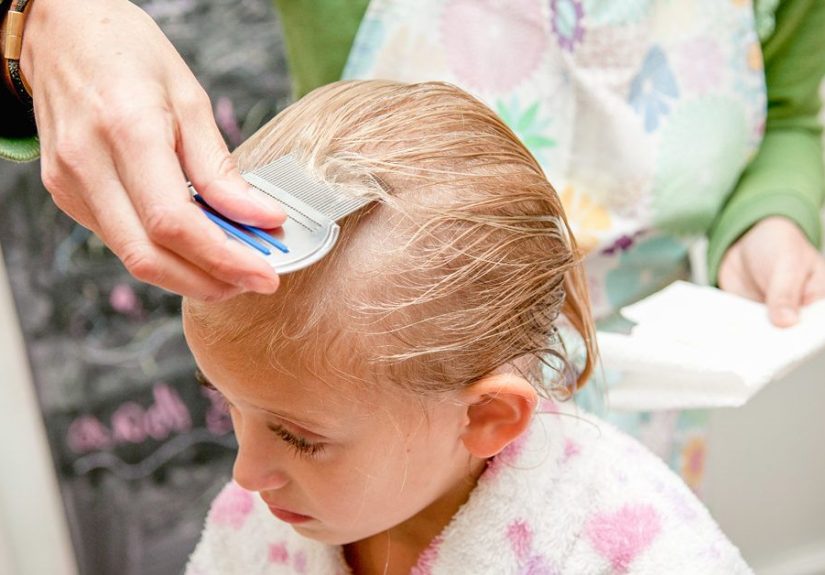
Many experts recommend checking wet hair using a fine-toothed nit comb, often with conditioner to slow lice down.
Here’s a practical way to do it at home:
- Set the scene: Bright light, a chair, and a towel. Optional: a sense of humor.
- Wet the hair: Apply conditioner generously. Detangle with a regular comb first.
- Section the hair: Small sections are your friend. Big sections are how lice win.
- Comb from scalp to ends: Start at the scalp, pull the nit comb through to the tips.
- Wipe and inspect: Wipe the comb on a white tissue/paper towel or rinse in a bowl of water to see what you caught.
- Repeat: Work methodically around the head, focusing on behind ears and nape.
If you find live lice, you’ve got your diagnosis. If you only find a few suspicious specks, keep readingbecause not every speck is a nit.
Nits vs dandruff vs “hair casts” (the tiny speck showdown)
-
Nits: Firmly attached to the hair shaft. They don’t flick off easily. They’re often within about
a quarter inch of the scalp in active cases. - Dandruff or dry skin: Loose flakes that usually brush off or fall away easily.
- Hair product residue: Sprays and gels can dry into little beads. These often slide off with a pinch.
- Hair casts (pseudonits): Sleeve-like debris around the hair shaft that can mimic nits, but may move along the strand.
When to call a healthcare professional
Consider reaching out if:
- You can’t tell if it’s lice or something else (and you’re tired of squinting).
- The scalp looks infected (oozing, crusting, increasing pain, fever, or swollen nodes).
- Symptoms persist but you can’t find licebecause other conditions can itch, too.
- You’ve confirmed lice and want help choosing a safe plan (especially for young children, pregnancy, or sensitive skin).
Common Myths and Misdiagnosis Traps
“I see nits, so we definitely have an active infestation.”
Not always. Nits can remain after lice are gone, and some “nits” aren’t nits. That’s why finding a live louse is so important.
“If my kid isn’t itching, it can’t be lice.”
Itching can take weeks to develop the first time, and some people barely itch at all. Lack of itching is not a reliable rule-out.
“School says no nits allowed, so we can’t come back.”
Many health authorities discourage strict “no-nit” policies because they can keep kids home unnecessarily and don’t reliably prevent spread.
Policies vary by district, but the trend is toward evidence-based, non-exclusionary approaches.
Prevention Tips That Actually Make Sense
There’s no magic force field that blocks lice. But you can lower risk with habits that focus on real transmission routes:
- Reduce head-to-head contact during outbreaks (easier said than done with kids, but worth trying).
- Don’t share brushes, combs, hats, helmets, or hair accessories.
- Use your own headphones when possible (or wipe shared ones during high-alert periods).
- Do routine checks if there’s an outbreak at school or your child had close exposure.
FAQ: Quick Answers to Common Head Lice Questions
Do head lice spread disease?
Head lice are widely considered a nuisance rather than a serious health threat. The biggest issues are itching, irritation,
and occasional secondary infection from scratching.
Can you get lice from pillows, couches, or stuffed animals?
It’s possible but not the main way lice spread. Lice prefer staying on a human head where they can feed and keep warm.
Direct head-to-head contact is the major route.
Do nits always mean I need to treat right now?
Nits alone don’t always equal active infestation. Try to confirm by finding live lice with careful inspection or wet combing,
or ask a clinician if you’re unsure.
How long after exposure do symptoms show up?
If it’s your first time, itching may take weeks to appear. With past infestations, itching can start sooner because the immune
system “remembers” the reaction.
Should kids stay home from school if they have lice?
Many public health recommendations allow children to stay in class until the end of the day and return after starting appropriate care.
Always follow your school’s policy, but know that immediate exclusion is increasingly discouraged.
Conclusion
A head lice infestation is inconvenient, not catastrophic. The real “cause” is typically simple: close contact
and shared spaces. The most common symptoms of head lice are itching, scalp irritation, and sleep disruptionthough
symptoms can lag behind. And the most reliable head lice diagnosis comes from confirming live lice, ideally with
careful wet combing and a good nit comb under bright light.
If you remember just one thing, make it this: don’t panic-scratch your way into bad decisions. Confirm, then act.
And if you’re not sure what you’re seeing, it’s completely reasonable to get a second set of trained eyes on the situation.
Real-World Experiences (Common Scenarios Families Actually Go Through)
The most universal head lice experience isn’t the liceit’s the emotional whiplash. One minute you’re packing lunch,
the next you’re holding a note from school that might as well read, “Welcome to the Itch Era.” Here are common situations
people report, along with what they usually learn about causes, symptoms, and diagnosis along the way.
The “My Head Is Itchy, So It Must Be Lice” spiral
A child scratches their head once, casually, like any kid does when they’re bored in math class. By bedtime, everyone in the house
suddenly feels itchy, including the dog (again, innocent). This is where misunderstanding symptoms can cause chaos.
Itching is a common sign, but it’s not exclusive to licedry skin, shampoo sensitivity, and seasonal allergies can also trigger it.
Families often learn the hard way that an itchy scalp is a clue, not a verdict. The better move is a calm inspection in bright light,
ideally with wet combing and conditioner to make any live lice easier to catch.
The first-grade phone call that changes your evening plans
Many parents describe the classic “pick up your child” call. The panic isn’t just about bugsit’s the logistics: sports practice,
dinner, bedtime, and the sudden urge to wash everything you own. After the initial scramble, families usually discover the most likely cause:
close head-to-head contact at school, not a dirty house or “bad hygiene.” They also learn diagnosis matters. School checks may spot
nits or suspect flakes, but nits can be mistaken for dandruff, hair product residue, or other harmless debris. The night often ends
with someone squinting at a strand of hair like it’s a museum artifact, then realizing the best confirmation is finding a live louse.
The sleepover surprise (aka “We shared pillows and now I’m nervous”)
Sleepovers trigger a special kind of worry because pillows, blankets, and close proximity feel like a lice highway. In reality,
head lice strongly prefer staying on a head. If lice show up after a sleepover, it’s usually because kids were close together,
heads touching while watching movies, whispering, or doing hair. Symptoms might not appear for weeks, which can make it hard to
link the timing. Families often learn to focus on what’s diagnosable now: check behind the ears and at the nape of the neck,
wet comb carefully, and avoid assuming “everyone has lice” unless you confirm it.
The overachieving “nit patrol” moment
Some families go into full “nit patrol” modedaily checks, magnifying glass, intense lighting, and a level of focus typically reserved
for competitive sports. The surprising lesson here is that not every nit-looking speck is a nit, and not every nit means active lice.
Nits stick firmly; dandruff does not. Hair casts can mimic nits. Old nits can remain after an infestation is over.
Many people report feeling relieved once they adopt a more evidence-based approach: confirm live lice first, then worry about the rest.
It turns the process from endless anxiety into a practical diagnosis routine.
The “We did everything and it still itches” confusion
Another common experience: someone has treated, washed bedding, and vacuumed like they’re preparing for a royal inspection
but the scalp is still itchy. That doesn’t automatically mean lice are still present. Skin irritation can linger after scratching,
and some products can dry the scalp or trigger sensitivity. Families often learn to separate symptoms from proof:
re-check with wet combing, look for live crawling lice (not just leftover nits), and consider other causes of itch if no lice are found.
If the scalp looks infected or the itching is intense and persistent, that’s when a clinician’s assessment helpsboth for diagnosis
and to rule out other scalp conditions that can imitate lice symptoms.
The takeaway from these everyday stories is reassuring: most “lice drama” comes from uncertainty, not danger.
When you focus on the real causes (close contact), typical symptoms (itching that may be delayed), and reliable diagnosis
(finding live lice, preferably with wet combing), the situation gets a lot less spookyand a lot more solvable.