Table of Contents >> Show >> Hide
- What Are the Puppy Blues, Exactly?
- Signs Your Puppy Is Stressing You Out More Than You Expected
- Why Puppies Can Feel Like an Emotional Ambush
- What Helps When Your Puppy Is Making You Miserable
- How to Protect Your Mental Health While Raising a Puppy
- When to Talk to a Professional
- The Part Nobody Posts on Instagram
- Real-Life Experiences: What This Feels Like in Practice
- Conclusion
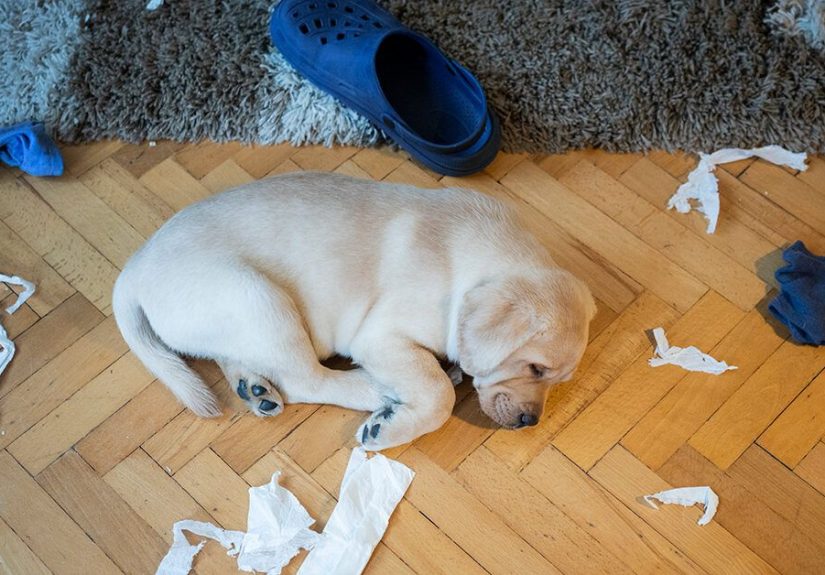
So, you brought home a puppy expecting soft ears, clumsy zoomies, and a heart-melting best friend. Instead, you got shredded socks, 5:12 a.m. potty alarms, mystery puddles, shark-toothed ankles, and the sudden realization that your life now revolves around someone who licks walls for fun. Welcome to puppy parenthood.
If your first thought lately has been, “I love this dog, but why do I feel awful?”, you are not broken, heartless, or secretly unfit for pet ownership. You may be dealing with what many people call the puppy blues: a wave of sadness, anxiety, regret, guilt, irritability, or emotional exhaustion that can hit after bringing home a new puppy. It is far more common than people think, and it makes sense. A puppy changes your schedule, your sleep, your budget, your home, your freedom, and sometimes your last nerve.
The good news is that this phase is often temporary. The better news is that there are practical ways to make life easier for both you and your puppy. And the most important news of all: if what you are feeling goes beyond overwhelm and starts looking like true depression, you deserve support just as much as your puppy deserves training treats.
What Are the Puppy Blues, Exactly?
The puppy blues are the emotional crash that can follow the “We got a puppy!” high. For some people, it feels like nonstop stress. For others, it feels like guilt, dread, or even grief for their old routine. One minute you are posting adorable photos. The next, you are sitting on the kitchen floor in yesterday’s sweatshirt wondering how one ten-pound creature can create this much chaos before breakfast.
This experience is not just internet folklore cooked up by sleep-deprived dog owners. It is increasingly recognized as a real adjustment period tied to the demands of early puppy care. In plain English: a cute puppy can still be emotionally overwhelming. Loving your dog and struggling with the reality of puppy life can happen at the same time.
Why it hits so hard
A puppy is not just a pet. A puppy is a lifestyle earthquake. Suddenly you are managing house-training, crate training, feeding schedules, socialization, veterinary appointments, chewing, barking, biting, and the tiny dictator’s opinion about being left alone for six seconds.
On top of that, puppies need a lot of sleep, but they are not always good at putting themselves down for naps. An overtired puppy can become mouthy, wild, and dramatic, which means a tired human often ends up caring for a tiny, furry toddler who skipped rest and chose violence.
Signs Your Puppy Is Stressing You Out More Than You Expected
Not every rough week means you are depressed. Sometimes you are simply exhausted, overstimulated, and one chewed charger away from tears. Still, it helps to name what you are experiencing.
Common emotional signs
You may be dealing with puppy blues if you notice:
- Persistent overwhelm after bringing your puppy home
- Regret, guilt, or a sinking feeling when you wake up
- Irritability over normal puppy behavior
- Anxiety about doing everything “wrong”
- Feeling trapped by your new routine
- Crying more than usual
- Difficulty enjoying your puppy, even during calm moments
Signs it may be more than puppy blues
If your mood stays low most of the day, nearly every day, and you are also losing interest in things you normally enjoy, struggling to function, sleeping very poorly even when you have the chance to rest, or feeling hopeless, it may be time to think beyond “I’m just stressed.” That does not mean your puppy caused a mental health disorder out of nowhere. It means the stress of puppy care may be amplifying something serious, and you deserve real support.
Why Puppies Can Feel Like an Emotional Ambush
1. Sleep disruption is no joke
Puppies need tons of sleep, but new puppy owners often do not. Nighttime potty trips, whining in the crate, early wakeups, and general sleep fragmentation can make you feel like a grumpy ghost wearing leggings. Poor sleep affects mood, patience, focus, and resilience. In other words, everything required for raising a puppy.
2. Unrealistic expectations
Social media sold you a dream: a perfectly behaved puppy sitting in a sunbeam while you sip coffee in matching neutrals. Reality is more like this: your puppy stole a paper towel, sprinted under the couch, peed beside the pee pad, and barked because you dared to close the bathroom door.
Puppies are not naturally calm, house-trained, independent, or polite. They are babies with paws. A lot of emotional suffering comes from expecting a well-adjusted dog when you have, in fact, invited a chaotic little intern into your home.
3. Constant responsibility
Puppies need supervision like they are tiny, adorable hazards. If they are awake, they are either learning, chewing, peeing, or planning a questionable decision. That constant vigilance can wear people down fast, especially if they live alone, work from home, or are already managing stress.
4. Normal puppy behavior feels personal when you are drained
Biting, whining, accidents, clinginess, and resistance to alone time are common puppy behaviors. But when you are exhausted, every nip can feel like betrayal and every puddle can feel like a personal attack by a very small roommate.
What Helps When Your Puppy Is Making You Miserable
Create a routine before you create a crisis
Puppies do better with structure, and so do humans. A predictable routine lowers stress because it replaces guesswork with rhythm. Feed at regular times. Schedule potty breaks. Plan naps. Build in short training sessions. Keep mornings and evenings as consistent as possible.
House-training is easier when you take your puppy out frequently, especially after waking, after play, and after eating or drinking. That is not glamorous advice, but it is the kind that saves carpets and sanity.
Respect the nap like it pays your mortgage
An overtired puppy can become bitey, frantic, and impossible. Many new owners think their puppy needs more action, when the puppy actually needs a nap and the human needs six quiet minutes to remember their own name.
Build calm rest periods into the day. Use a crate or safe pen if your puppy has been introduced to it positively. Think of naps as emotional maintenance, not a luxury.
Use the crate as a tool, not a punishment box
Crate training can be incredibly helpful, but it works best when it is gradual and positive. The crate should feel like a safe resting place, not doggy jail. Short sessions, treats, calm praise, and patience matter more than forcing your puppy to “just deal with it.”
And yes, some nighttime whining is normal at first. Your puppy just left littermates, familiar smells, and the only world they knew. That does not make the whining fun. It just makes it understandable.
Train the problem you actually have
If your puppy is biting, work on redirection, rest, and appropriate chew toys. If they panic when you leave, build alone-time tolerance slowly. If they are bouncing off the walls, increase structured enrichment and short training sessions rather than hoping chaos will somehow self-correct through vibes.
Good puppy training is not about “dominating” your dog. It is about teaching skills, preventing rehearsal of bad habits, and rewarding what you want to see more often. Tiny successes count. Sitting instead of launching at your kneecaps? That is progress. Celebrate it.
Lower the bar for yourself
You do not need to be a flawless puppy parent. You do not need artisanal enrichment activities made from organic felt. You need a safe setup, consistent routines, decent training habits, and enough compassion to keep going.
Your puppy does not need perfection. Your puppy needs clarity, patience, repetition, and someone who will keep showing up. Messily counts.
How to Protect Your Mental Health While Raising a Puppy
Stop trying to white-knuckle it alone
Ask for help early. Have someone watch the puppy while you nap, shower, walk alone, or eat a meal that does not come with barking. Hire a trainer if you can. Trade pet care with a friend. Use daycare selectively when your puppy is ready. Outsourcing a little support is not failure. It is strategy.
Take breaks on purpose
Many new puppy owners feel guilty stepping away. But short breaks make you more patient and effective. Put the puppy in a safe space, hand them an approved chew, and leave the room. Drink water. Breathe. Sit in silence. Stare at a wall like it personally understands you.
Notice when you are catastrophizing
Puppy stress can trigger dramatic thoughts: “I ruined my life.” “My puppy hates me.” “I am bad at this.” “They will never learn.”
Usually, none of those are true. Usually, you are tired. Progress with puppies is uneven. They improve, regress, improve again, and occasionally pretend they have never heard the word “sit” in their entire life. That is not failure. That is development.
Keep one tiny piece of your old life
Do not let puppy care consume every inch of your identity. Keep one hobby, one ritual, one phone call, one workout, one show, one walk without the dog, or one coffee run that belongs to you. This matters. People burn out faster when every hour becomes pet management.
When to Talk to a Professional
Reach out for help if your sadness or anxiety is persistent, your functioning is dropping, you dread each day, or you are not bouncing back even when the puppy is settling in. A doctor or mental health professional can help you sort out whether this is adjustment stress, depression, anxiety, sleep deprivation, or some very unholy combination of all four.
Also get professional help for your puppy if behavior issues are escalating. Severe separation distress, nonstop panic, intense biting, or extreme fear do not usually improve because you searched one more forum post at 2 a.m. A qualified trainer, behavior consultant, or veterinarian can shorten the suffering on both ends of the leash.
Seek urgent support if needed
If you are in the United States and your depression feels severe, urgent, or unsafe, call or text 988 for immediate crisis support. You do not need to wait until things feel unbearable enough to “count.”
The Part Nobody Posts on Instagram
The truth is that raising a puppy can be weirdly lonely. People assume you should be thrilled because puppies are cute, and they are. But cuteness is not the same thing as ease. No one sees the sleep loss, the constant planning, the emotional whiplash, or the way your nervous system starts reacting to the sound of suspicious silence. Because suspicious silence with a puppy is never good news.
What people also do not post enough is this: many puppy owners come through this phase and end up deeply attached to their dogs. The bond often grows after the fog lifts, the routine stabilizes, and the puppy starts acting less like a caffeinated land piranha. You do not have to feel magically connected on day three to become a wonderful owner by month six.
Real-Life Experiences: What This Feels Like in Practice
One new puppy owner described the first two weeks as “having a full-time job, a night shift, and a toddler, except the toddler can sprint under furniture with a stolen sock.” That sounds dramatic until you live it. The first days can be relentless: set the puppy down, watch the puppy, interrupt chewing, go outside, clean an accident, reward a potty success, answer work emails, hear whining, redirect biting, repeat.
Another owner said the hardest part was not the mess. It was the guilt. She loved her puppy, but she missed her old mornings, missed sleeping in, missed taking a shower without planning logistics, and missed feeling like her home belonged to her. She felt ashamed for not being overjoyed all the time. What helped most was learning that mixed feelings were normal. She started scheduling naps for the puppy, but also breaks for herself. She stopped measuring success by “perfect behavior” and started measuring it by “fewer accidents than yesterday” and “my ankles survived dinner.”
A man who worked from home said he expected having a puppy around all day would be comforting. Instead, he found himself constantly interrupted and increasingly anxious. The puppy cried when crated, barked during meetings, and seemed unable to settle. He thought this meant he had chosen the wrong dog. In reality, he had chosen a normal puppy and an unrealistic expectation. Once he added a routine, used food puzzles, practiced short departures, and asked a trainer for help, the household became more manageable. Not magical. Manageable. Sometimes that is the bigger victory.
Many people also describe the shock of how personal puppy behavior feels. A puppy bites your hand, and your brain says, “We have no bond.” A puppy has an accident after you were just outside, and your brain says, “They will never learn.” A puppy screams in the crate, and your brain says, “I am ruining this dog forever.” In most cases, none of those thoughts are true. Puppies are learning, adjusting, and testing the limits of their tiny brains. They are not writing formal reviews of your performance as an owner.
There is often a turning point, though it rarely arrives with cinematic music. It happens quietly. The puppy sleeps through more of the night. They sit before meals. They grab a toy instead of your sleeve. You notice that a whole day passed without crying in the laundry room. You laugh more. The dog starts checking in with you on walks. You stop googling “Why did I get a puppy?” with the intensity of a detective solving a crime.
The experience teaches something humbling: bonding is not always instant, and good care does not always feel good in the moment. Sometimes love looks less like a movie montage and more like showing up with consistency, treats, patience, and a lint-covered sweatshirt. Sometimes the relationship deepens after the hard part, not before it.
If that is where you are right now, take heart. Feeling low during puppyhood does not mean you made a terrible mistake. It may simply mean you are in the thick of a major adjustment. Get support. Simplify the routine. Lower the pressure. Teach the next small skill. Protect your sleep where you can. Let progress be boring and gradual. One day, the little chaos machine on your rug may become the dog you cannot imagine living without.
Conclusion
If your puppy is making you depressed, the answer is not to drown in guilt or pretend everything is fine. The better answer is honesty. New-puppy stress is real. The puppy blues are real. Sleep loss, behavior struggles, and routine upheaval can hit hard. But with structure, support, realistic expectations, and attention to your own mental health, this season usually becomes more manageable.
Your puppy needs guidance. You need breathing room. Both things can be true. And if your sadness is persistent or severe, getting help is not overreacting. It is responsible. The strongest puppy owners are not the ones who never struggle. They are the ones who notice the struggle and do something useful about it.