Table of Contents >> Show >> Hide
- What Is Hemophilia?
- Why Hemophilia Causes Bruising
- When Bruising May Be a Warning Sign
- Hemophilia Severity and How It Affects Bruising
- Causes of Hemophilia-Related Bruising
- How Hemophilia Is Diagnosed
- Treatment for Hemophilia and Bruising
- Managing Bruises Day to Day with Hemophilia
- Why Hemophilia Treatment Centers (HTCs) Matter
- of Real-World Experiences (Composite, Educational Examples)
- Conclusion
Bruises happen. You bump into a coffee table, your leg finds the bed frame in the dark, and boomyour skin turns into a modern art project. But when bruises are frequent, unusually large, painful, or show up without a clear reason, it can signal something more than everyday clumsiness. One condition people often wonder about is hemophilia.
Hemophilia is a bleeding disorder that affects how blood clots. And yes, bruising is one of its hallmark signs. But not every bruise means hemophilia, and not every person with hemophilia bruises the same way. The real story is more nuancedand much more manageable than many people think, thanks to modern treatments.
In this guide, we’ll break down why hemophilia causes bruising, how doctors diagnose it, and what treatment looks like today (including newer options). We’ll also cover what families, caregivers, and adults living with hemophilia should watch for in daily life. Think of this as your practical, no-panic roadmap.
What Is Hemophilia?
Hemophilia is a genetic bleeding disorder in which the body has too little of a clotting factormost commonly factor VIII (hemophilia A) or factor IX (hemophilia B). Clotting factors are proteins that help blood form a stable clot after injury. When factor levels are low, bleeding can last longer than usual and may happen internally, especially in joints, muscles, and soft tissues.
Hemophilia is usually inherited and linked to changes (mutations) in genes on the X chromosome. That’s why it’s more commonly diagnosed in males, but females can absolutely have symptoms tooand in some cases, they can have mild, moderate, or severe hemophilia depending on their clotting factor levels.
Hemophilia A vs. Hemophilia B
- Hemophilia A: Low factor VIII (8)
- Hemophilia B: Low factor IX (9)
Both types can cause bruising and bleeding. The difference is the missing clotting factor, which affects diagnosis and treatment selection.
Why Hemophilia Causes Bruising
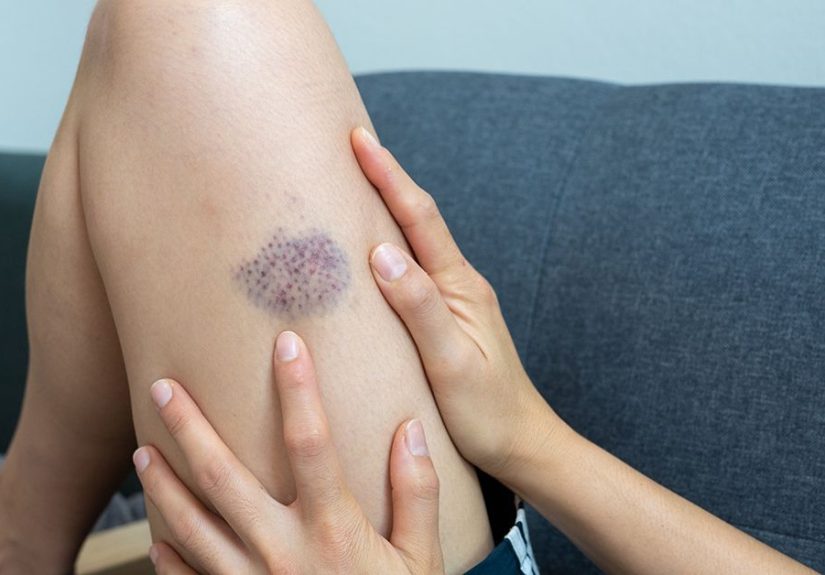
A bruise is bleeding under the skin. In people with hemophilia, the blood vessel injury may be tiny, but the clot that should stop the leak forms more slowly or less effectively. That means blood can spread more in the surrounding tissue before the body seals things off.
Result: bruises may be bigger, deeper, or show up after seemingly minor bumps. Sometimes there’s no obvious bump at allespecially in more severe hemophilia.
What Hemophilia Bruising Can Look Like
- Large bruises after minor impact
- Raised or firm bruises (hematomas)
- Frequent bruising in toddlers learning to crawl/walk
- Bruising with muscle pain or swelling
- Bruising alongside bleeding from gums, nose, or after dental work
In infants and young children, unusual bruising may be one of the earliest cluesespecially if there’s a family history of hemophilia. That said, kids also bruise because… well, they’re tiny stunt performers. Pattern, severity, and other symptoms matter.
When Bruising May Be a Warning Sign
Not all bruising is “just bruising.” In hemophilia, a bruise may be the visible part of a deeper bleed into a muscle or soft tissue. This is where timing matters: early treatment often reduces pain, complications, and recovery time.
Red Flags That Need Prompt Medical Attention
- Rapidly expanding bruise
- Severe pain, tightness, or swelling in a limb
- Bruise after a head injury (even if the bump seems minor)
- Bruising with numbness, tingling, or weakness
- Repeated unexplained bruises plus nosebleeds, joint swelling, or prolonged bleeding
- Blood in urine or stool
A bruise on the skin can be manageable; bleeding in the brain or deep tissues is a different story. If there’s concern for head injury, severe pain, or ongoing bleeding, treat it as urgent.
Hemophilia Severity and How It Affects Bruising
One reason bruising varies so much is that hemophilia is classified by baseline clotting factor activity. In general, the lower the factor level, the higher the bleeding risk.
- Severe: Less than 1% factor activity
- Moderate: 1% to 5%
- Mild: Greater than 5% but less than 40%
People with severe hemophilia may have spontaneous bleeds (including bruising and internal bleeding) without obvious injury. Those with mild hemophilia may not be diagnosed until surgery, dental work, or a major injury causes prolonged bleeding.
This is one reason hemophilia can hide in plain sight for years. A person may think, “I just bruise easily,” until a medical procedure reveals a clotting problem.
Causes of Hemophilia-Related Bruising
The direct cause is low or missing clotting factor, but the context of bruising matters too. Here’s what can increase bruising frequency or severity in someone with hemophilia:
1) Low Clotting Factor Levels
The foundational issue. Lower factor levels make it harder to form a stable clot, especially after impact or tissue strain.
2) Delayed Treatment of Bleeds
If a bleed isn’t treated early (especially a muscle bleed), more blood can collect under the skin or in deeper tissue, creating larger bruises and longer recovery.
3) Inhibitors (Antibodies to Treatment)
Some people develop inhibitorsantibodies that block clotting factor treatment from working well. This can make bleeding episodes harder to control and may lead to more frequent or prolonged bruising.
4) Activity, Trauma, and Repetitive Strain
A hard fall is obvious, but even repetitive motion, sports contact, or muscle strain can trigger bleeding in some people, especially if prophylaxis coverage is low or missed.
5) Acquired Hemophilia (Less Common)
Most hemophilia is inherited, but some people develop an autoimmune form later in life, called acquired hemophilia, in which the immune system attacks clotting factors. This can also present with unusual bruising and bleeding and requires urgent medical evaluation.
How Hemophilia Is Diagnosed
Diagnosing hemophilia is not a one-test magic trick. It usually involves a combination of history, screening labs, and clotting factor testing.
Step 1: Medical and Family History
A doctor will ask about:
- Frequent or large bruises
- Prolonged bleeding after cuts, shots, surgery, or dental work
- Nosebleeds or gum bleeding
- Joint pain/swelling (possible joint bleeds)
- Family history of bleeding disorders, especially on the mother’s side
No family history doesn’t rule it out. New mutations can happen, and some families don’t realize a bleeding pattern was present until someone is formally tested.
Step 2: Screening Blood Tests
Doctors often start with screening tests to see whether blood is clotting normally. These may include:
- CBC (complete blood count): checks red cells, white cells, and platelets
- APTT (activated partial thromboplastin time): often prolonged in hemophilia A or B
- PT (prothrombin time): often normal in hemophilia A or B
- Fibrinogen testing: helps evaluate clot formation issues
These tests help narrow the possibilities, but they do not confirm the type or severity on their own.
Step 3: Clotting Factor Tests (Factor Assays)
This is the key step. Factor assays measure factor VIII and factor IX activity and can confirm:
- Whether hemophilia is present
- Whether it is hemophilia A or B
- How severe it is (mild, moderate, severe)
Step 4: Genetic Testing (When Appropriate)
Genetic testing may be used to identify carriers, clarify diagnosis, or guide family planning discussions. It can also help explain bleeding symptoms in women and girls who may have been labeled “just a carrier” but actually have clinically important low factor levels.
Treatment for Hemophilia and Bruising
Here’s the good news: treatment options for hemophilia have improved dramatically. The goals are straightforward:
- Stop active bleeding quickly
- Prevent future bleeds (including bruising/internal bleeding)
- Protect joints, muscles, and quality of life
1) Factor Replacement Therapy
This is the standard treatment for many people with hemophilia A or B. Missing clotting factor is replaced using factor concentrates (plasma-derived or recombinant/lab-made products).
Factor replacement may be used:
- On-demand (episodic): to treat a bleed that is happening now
- Prophylaxis: on a regular schedule to prevent bleeds before they happen
For bruising-related bleeds, early treatment often means less swelling, less pain, and faster recovery.
2) Non-Factor Therapy (Emicizumab / Hemlibra) for Hemophilia A
Emicizumab is a non-factor treatment used to help prevent or reduce bleeding episodes in hemophilia A. It’s given by injection under the skin and is widely used in preventive care, including in people with or without inhibitors (depending on the treatment plan).
It doesn’t replace factor VIII directly; instead, it helps the clotting process function more effectively. In plain English: it helps the body “bridge the gap” in clot formation.
3) Desmopressin (DDAVP) for Mild Hemophilia A
In mild hemophilia A (and some moderate cases), desmopressin may help by prompting the body to release more stored factor VIII. It can be useful for certain bleeding situations or procedures, but it is not for everyone and is typically guided by a hematology team.
4) Antifibrinolytics (Clot-Preserving Medicines)
These medications help prevent clots from breaking down too quickly. They are often used for oral bleeding, dental work, or other situations where clot stability is especially important.
5) Gene Therapy (Selected Adults)
Gene therapy is now part of the hemophilia treatment conversation for some adults. FDA-approved options include one-time gene therapies for selected adults with severe hemophilia A (Roctavian) and hemophilia B (Hemgenix), with eligibility based on clinical criteria and specialist evaluation.
This is exciting progressbut it’s not a casual weekend project. Gene therapy decisions involve careful testing, liver monitoring, and long-term follow-up with experts.
6) Newer Preventive Options (Including Qfitlia)
Treatment options continue to evolve. A newer FDA-approved prophylaxis option, Qfitlia (fitusiran), can be used in certain patients with hemophilia A or B (with or without inhibitors) ages 12 and older. It works differently from factor replacement and requires close monitoring because the goal is to reduce bleeding risk without tipping too far toward clotting risk.
Translation: modern hemophilia care is increasingly personalized. There is no one-size-fits-all plan, and that’s a good thing.
Managing Bruises Day to Day with Hemophilia
Bruise management in hemophilia is about more than waiting for colors to fade from purple to yellow (the world’s least fun rainbow). It’s about recognizing when a bruise is minor and when it could be a sign of a more serious bleed.
Practical Tips
- Follow your hematologist/HTC bleed plan for any suspected bleed
- Treat early when adviseddon’t “wait and see” if symptoms are worsening
- Track bruise size, pain, and swelling (photos can help)
- Use protective gear for activities (helmets, pads, seat belts)
- Keep up with prophylaxis if prescribed
- Wear medical ID for emergencies
- Tell dentists, coaches, and caregivers about the condition
Also important: avoid medications that can worsen bleeding unless your clinician says otherwise. Many people with bleeding disorders are advised to be cautious with aspirin and certain NSAIDs. Always check with your care team.
Why Hemophilia Treatment Centers (HTCs) Matter
Hemophilia care is most effective when it’s coordinated. Hemophilia Treatment Centers (HTCs) bring together specialistshematologists, nurses, physical therapists, social workers, and otherswho understand bleeding disorders in real life, not just in textbooks.
That matters for bruising because what looks like “just a bruise” to one clinician may look like an evolving muscle bleed to a hemophilia specialist. HTCs also help with education, inhibitor testing, treatment planning, and emergency preparedness.
of Real-World Experiences (Composite, Educational Examples)
The experiences below are composite examples based on common themes reported in hemophilia care communities and clinical education. They are not individual medical histories, but they reflect real patterns that patients and families often describe.
Experience 1: “We Thought He Was Just an Active Toddler”
A common story starts with a toddler who seems to bruise more than other kids. The parents notice large bruises on the legs, hips, and arms after ordinary play. At first, they assume it’s because he’s learning to walk and falling a lot. Then a bruise becomes unusually swollen, and another appears after a vaccine shot and seems to linger much longer than expected. A pediatrician asks about family history, and suddenly an uncle’s “mystery bleeding after dental work” from years ago sounds a lot more relevant.
After testing, the child is diagnosed with hemophilia. Parents often describe a mix of fear and relieffear because the diagnosis sounds serious, relief because the bruising finally makes sense. Many say the turning point is learning what to watch for, how to respond early, and having a clear plan from a specialist team.
Experience 2: “I Wasn’t Diagnosed Until Adulthood”
Some adults report years of being told they “bruise easily,” only to be diagnosed after surgery, a dental procedure, or prolonged bleeding after an injury. They may have mild hemophilia and never had obvious bleeding crises as children. Once diagnosed, many look back and connect the dots: frequent nosebleeds, dramatic bruises after sports, or recovery from injuries that always seemed slower than other people’s.
A frequent emotional reaction is frustration: “How did no one catch this earlier?” But many also describe feeling empowered once they understand the cause and can plan ahead for medical procedures instead of being blindsided.
Experience 3: “I’m a Woman and Everyone Assumed I Was Only a Carrier”
Women and girls with hemophilia-related gene changes often describe being underestimatedespecially if they were labeled as “just carriers.” Some report heavy menstrual bleeding, easy bruising, or prolonged bleeding after childbirth or procedures, but their symptoms were minimized for years. Increasing awareness that females can have significant bleeding symptoms (and can meet criteria for hemophilia based on factor levels) has helped many finally get appropriate testing and treatment plans.
This experience highlights an important lesson: if symptoms are real, they deserve evaluation. “Carrier” should not mean “ignore the bruising.”
Experience 4: “Once We Started Preventive Treatment, Life Changed”
Families and adults on effective prophylaxis often describe a dramatic drop in bruising and bleeding episodes. It doesn’t mean zero bruises foreverlife still happens, furniture still wins some battlesbut the bruises are less frequent, less severe, and less likely to disrupt school, work, or sleep.
People also talk about the mental shift: less fear, more confidence, better planning for sports and travel, and fewer emergency decisions. In short, treatment doesn’t just change lab valuesit changes daily life. And for many, that’s the biggest win.
Conclusion
Hemophilia and bruising are closely linked because bruising is a form of bleeding under the skinand hemophilia affects the body’s ability to clot effectively. But bruising isn’t the whole story. Diagnosis depends on proper testing, including clotting factor assays, and treatment now includes a range of options from factor replacement to non-factor therapies, clot-preserving medications, and even gene therapy in selected patients.
If you or your child has frequent, large, painful, or unexplained bruisesespecially with prolonged bleeding, joint swelling, or a family history of bleeding disordersdon’t just shrug and call it “bad luck.” A medical evaluation can provide answers, and the right care plan can make a life-changing difference.