Table of Contents >> Show >> Hide
- Quick Take: The Biggest Differences
- Meet the Seeds
- Nutrition Showdown (Per ~1 Ounce)
- Protein: Hemp Seeds Bring the “Main Character” Energy
- Fiber: Chia Seeds Are Basically a Broom (In a Good Way)
- Healthy Fats: Omega-3, Omega-6, and the Conversion Plot Twist
- Micronutrients: Same League, Different MVPs
- Best Uses: What Each Seed Is Actually Good For
- Safety, Side Effects, and “Please Don’t Eat This Like Sand”
- Which One Should You Choose?
- How Much Should You Eat?
- Shopping and Storage Tips (So Your Seeds Don’t Taste Like Old Cardboard)
- FAQ: Hemp Seeds vs. Chia Seeds
- Real-World Experiences: What It’s Like to Actually Eat These Seeds (500+ Words)
- Conclusion
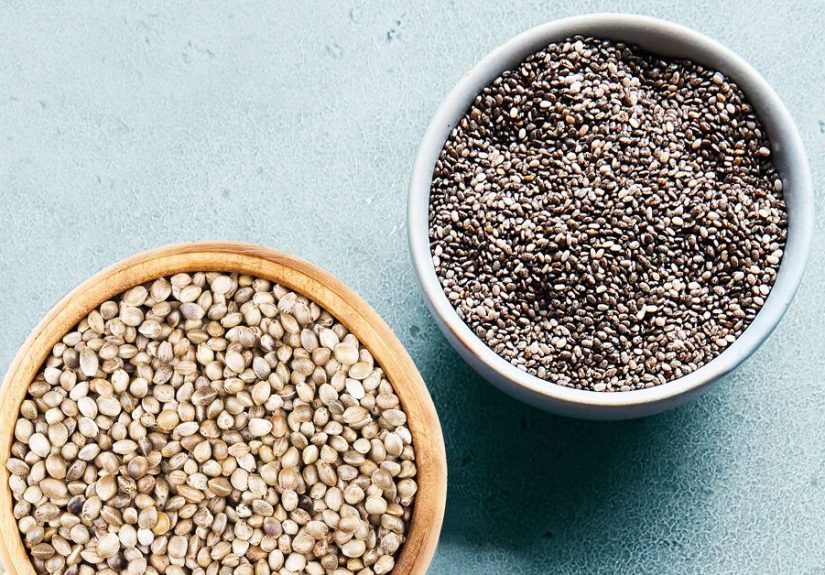
Two tiny seeds. One big question: which one deserves the VIP spot in your pantryhemp seeds (aka hemp hearts) or chia seeds? Both are nutrient-dense, plant-based, and weirdly good at making boring bowls look “I have my life together.” But they’re not interchangeable. One is basically a protein confetti cannon. The other is a fiber-and-gel magician.
Let’s compare hemp seeds vs. chia seeds by nutrition, best uses, taste, and practical “how do I actually eat this?” advicewithout turning your breakfast into a science experiment (unless you’re into that, in which case… carry on).
Quick Take: The Biggest Differences
- Protein: Hemp seeds usually win (more protein per ounce).
- Fiber: Chia seeds win by a mile (and then keep running).
- Texture: Hemp stays crunchy/soft. Chia turns into gel when wet.
- Omega fats: Both have healthy fats; chia is especially high in ALA omega-3.
- Best “starter seed”: Hemp is easier to sprinkle and forget. Chia demands hydration (politely, but firmly).
Meet the Seeds
Hemp Seeds (Hemp Hearts)
Hemp seeds come from Cannabis sativa, but before your brain jumps to “that cannabis,” here’s the deal: the seeds themselves don’t naturally contain THC. Any tiny trace amounts can come from contact with other plant parts during harvesting/processing, and they’re not capable of making consumers “high.” Hemp seeds are commonly sold as hulled hemp seeds (hemp hearts), which are soft, mild, and nuttylike a sunflower seed that went to finishing school.
Chia Seeds
Chia seeds come from Salvia hispanica (a mint-family plant) and have a long history as a staple food in parts of Mexico and Central America. They’re tiny, speckled, and famous for one very specific superpower: they absorb liquid and form a gel. That gel texture is the secret behind chia pudding, chia “egg” in baking, and why your smoothie sometimes looks like it learned a new magic trick overnight.
Nutrition Showdown (Per ~1 Ounce)
Nutrition varies by brand and serving size, but these comparisons give you a practical baseline. Chia is often measured as 2 tablespoons (about 1 ounce/28 g). Hemp hearts are commonly measured as 3 tablespoons (~30 g), but we’ll use ounce-style comparisons for consistency.
| Category | Chia Seeds (about 2 tbsp / 1 oz) | Hemp Seeds (hulled, about 1 oz) | Who “wins”? |
|---|---|---|---|
| Calories | ~140 | ~157 | Pretty close |
| Protein | ~4–5 g | ~9 g | Hemp |
| Fiber | ~10–11 g | ~1 g | Chia |
| Total Fat | ~9 g (mostly unsaturated) | ~14 g (mostly unsaturated) | Depends on your goal |
| Notable minerals | Calcium, magnesium, phosphorus | Magnesium, phosphorus, iron, zinc | It’s a tie (different strengths) |
| Texture “talent” | Gels in liquid | Stays sprinkle-friendly | Depends on your recipe |
Protein: Hemp Seeds Bring the “Main Character” Energy
If your goal is more plant-based protein with minimal effort, hemp hearts are the easy win. A one-ounce serving can provide about 9 grams of protein, which is a lot for something you can casually toss onto oatmeal while half-awake.
Another bonus: hemp is often described as a complete protein, meaning it contains all nine essential amino acids. Real life note: “complete” doesn’t automatically mean “perfect,” and many plant proteins vary in amino acid balancebut hemp is still a strong option for rounding out meals, especially when your day is basically fueled by coffee and optimism.
Fiber: Chia Seeds Are Basically a Broom (In a Good Way)
Chia seeds are famous for fiber, and they’ve earned it. Around 2 tablespoons (1 ounce) can deliver roughly 10–11 grams of fiber, which is a large chunk of what many people aim for in a day. Fiber helps support regular digestion and can increase fullness after mealstranslation: you may be less likely to start “snack wandering” 45 minutes after breakfast.
Chia’s fiber is a mix of insoluble fiber plus a gel-forming component (often called mucilage). That gel is why chia thickens liquids, slows down how fast your meal moves through your system, and turns “watery yogurt” into “dessert-adjacent pudding.”
Healthy Fats: Omega-3, Omega-6, and the Conversion Plot Twist
Both seeds contain mostly unsaturated fats, including polyunsaturated fats. Chia gets extra attention because it’s extremely high in ALA (alpha-linolenic acid), a plant-based omega-3. Hemp seeds also provide omega fats and are often discussed for having a balanced omega-6 to omega-3 profile.
Here’s the important nuance: ALA is beneficial, but the body converts only a small amount of ALA into the longer-chain omega-3s (EPA and DHA) found in fish and algae. That doesn’t make chia “bad”it just means chia is a great ALA source, not a direct replacement for EPA/DHA if you’re trying to raise those specifically.
Micronutrients: Same League, Different MVPs
Both seeds are “small food, big numbers” when it comes to minerals. Here’s the simple way to think about it:
Chia’s mineral vibe
- Calcium: Chia is often highlighted as a plant source of calcium.
- Magnesium + phosphorus: Support many body functions (including muscle/nerve function).
- Trace minerals: Like zinc and copper show up too.
Hemp’s mineral vibe
- Magnesium: Hemp hearts can be especially high per ounce.
- Iron + zinc: Helpful for people trying to boost these through food.
- Phosphorus: Also shows up strongly.
Bottom line: If you eat either seed regularly, you’re adding more nutrient density to meals that might otherwise be… toast. Just toast.
Best Uses: What Each Seed Is Actually Good For
Chia Seeds: Thickening, Baking, and “Pudding With Benefits”
- Chia pudding: Mix chia + milk (or plant milk), let it sit, top with fruit. Suddenly you’re “a person who meal preps.”
- Smoothies: Adds thickness and fiber. (If your smoothie becomes spoonable, chia is the suspect.)
- Egg replacer: Mix chia with water to form a gel, then use it in baking as a binderhandy for vegan baking or egg allergies.
- Thickener for sauces/jam: Chia gel can replace pectin in quick jams and help thicken dressings.
- Crunch factor: Sprinkle dry chia over yogurt/oatmeal for texturejust don’t go wild without liquids.
Hemp Seeds: Easy Protein Boost Without the Gel Surprise
- Salads and bowls: Hemp hearts are basically edible garnish that actually does something.
- Oatmeal and cereal: Adds protein and healthy fats without changing texture much.
- Blended into smoothies: Mild flavor, creamy-ish mouthfeel, more protein per sprinkle.
- Pesto and dips: Swap in hemp hearts for pine nutsbudget-friendly and tasty.
- Hemp milk: Blend hemp hearts with water and strain if you want a DIY plant milk experiment.
Safety, Side Effects, and “Please Don’t Eat This Like Sand”
Chia: The hydration rule
Because chia absorbs liquid and expands, eating a large amount of dry chia without enough fluid can be a choking hazard, especially for kids or anyone with swallowing issues. The easiest fix is also the tastiest fix: soak it first (chia pudding, overnight oats, stirred into yogurt, etc.).
Also, chia is very high in fiber. If you go from “low fiber” to “chia superhero” overnight, your digestive system may respond with bloating or discomfort. Start smaller and increase gradually.
Hemp: the cannabis confusion (and what actually matters)
Edible hemp seed ingredients (hulled hemp seeds, hemp seed oil, hemp seed protein powder) are recognized for use in foods under specific conditions. Hemp seeds don’t naturally contain THC, though trace amounts can occur from processing contact with other plant parts. In normal food use, hemp seed ingredients are not capable of making consumers “high.”
One more practical note: If you’re an elite athlete subject to anti-doping testing, use extra caution with hemp-derived products in general and stick to reputable, clearly labeled food products. Cross-contamination and labeling variability are the real issuesnot hemp hearts on your oatmeal.
Medication interactions and allergies
Both seeds can be part of a healthy diet for many people, but if you take medications (especially blood thinners, blood pressure meds, or glucose-lowering meds) or have a history of food allergies, it’s smart to check with a clinicianparticularly if you plan to eat large amounts daily. Allergies to chia are uncommon but possible; hemp allergies can also occur.
Which One Should You Choose?
Let your goal pick the seed:
Choose chia if you want…
- More fiber and digestion-supporting foods
- Thick textures (pudding, jam, egg replacer)
- ALA omega-3 in a tiny package
- Budget-friendly meal prep (chia pudding is basically “set it and forget it”)
Choose hemp if you want…
- More protein with minimal texture changes
- More magnesium and other minerals per ounce
- Easy toppings for salads, oats, yogurt, soups
- A mild, nutty flavor that plays well with sweet or savory foods
Choose both if you want…
Honestly? The best “superfood” strategy is variety. Use hemp for protein-forward meals and chia when you want fiber + thickness. Your pantry can handle two jars. It believes in you.
How Much Should You Eat?
There’s no single perfect dose, but these are common, food-based portions:
- Chia: Start with 1 teaspoon to 1 tablespoon, then work up to 1–2 tablespoons if you tolerate the fiber well.
- Hemp hearts: 1–3 tablespoons is a common range for toppings and mix-ins.
If you’re increasing fiber (especially with chia), do it gradually and drink enough fluids. Your future self will thank you. Your current self may also thank you, depending on how your stomach feels about surprises.
Shopping and Storage Tips (So Your Seeds Don’t Taste Like Old Cardboard)
Chia storage
- Store in a cool, dry place in an airtight container.
- Many people refrigerate to reduce moisture issues.
- Once soaked, keep refrigerated and use within several days.
Hemp storage
- Hemp hearts can spoil faster due to their fat content.
- For best freshness, store in a sealed container in the refrigerator (especially after opening).
- If your hemp seeds smell “painty” or bitter, they’ve likely gone rancidtime for a fresh bag.
FAQ: Hemp Seeds vs. Chia Seeds
Are hemp seeds or chia seeds better for weight loss?
Neither seed is a magic wand, but they can support satiety. Chia may help you feel full due to its fiber and gel-forming texture, while hemp can support fullness with higher protein. The best choice is the one you’ll actually use consistently.
Are they keto-friendly?
Both can fit into lower-carb eating patterns, but in different ways. Hemp hearts are very low in carbs per ounce. Chia has more total carbs, but a large chunk is fiber, so net carbs can be relatively low for many people.
Do I need to grind chia like flax?
No. Chia can be eaten whole and still provides fiber and other nutrients. Grinding can change texture and may be useful for baking, but it’s not required the way flax often is.
Can kids eat chia and hemp seeds?
Often yes in food amounts, but chia should be prepared safely (soaked or mixed into moist foods) due to the expansion issue. If a child is very young or has swallowing concerns, check with a pediatric clinician.
Do hemp seeds contain THC?
Hemp seeds do not naturally contain THC, though trace amounts can occur due to processing contact with other plant parts. Food use of hemp seed ingredients is regulated, and they are not capable of making consumers “high” when used as intended.
Real-World Experiences: What It’s Like to Actually Eat These Seeds (500+ Words)
Nutrition facts are helpful, but real life is messiersometimes literally, especially when chia gets involved. Here are the kinds of experiences people commonly have when they start using hemp seeds and chia seeds regularly, plus a few practical “learned it the hard way” moments you can borrow without suffering through them yourself.
1) The “chia pudding personality test.” The first time someone makes chia pudding, there’s usually a brief phase of confusion: “Is it supposed to be… bouncy?” Yes. That’s the gel. If you like tapioca, you’ll probably be fine. If you’re texture-sensitive, the trick is blending it after it sets. Blended chia pudding becomes silky, more like a mousse. People who swear they hate chia sometimes discover they just hate the tiny frog-egg vibeand blending fixes that immediately.
2) The “I added chia to my smoothie and now it’s concrete” incident. Chia is a master thickener. A smoothie that’s perfect at 7:05 a.m. can be spoonable by 7:35 a.m. if it sits. Some people love that (it’s basically breakfast ice cream). Others feel betrayed. If you want a drinkable smoothie, use less chia, drink sooner, or add it right before you drink. The upside is that chia can rescue a watery smoothie, especially when frozen fruit wasn’t frozen enough and your blender gives up emotionally.
3) The fiber learning curve. When someone goes from “not much fiber” to “two tablespoons of chia every day,” their digestive system may file a formal complaint. Bloating, extra gas, or discomfort are common if you increase fiber too fast. In real life, the best experience usually comes from starting smalllike a teaspoonand working up. People often report that once they ramp up gradually (and drink enough water), chia becomes a routine that supports regularity without drama.
4) Hemp hearts: the easy win for “I can’t be bothered.” Hemp hearts tend to have the smoothest onboarding experience. They don’t gel. They don’t hijack your smoothie texture. They taste mild and nutty, so they quietly boost protein and minerals without changing your whole meal identity. A lot of people end up using hemp hearts like nutritional glitter: oatmeal, yogurt, salads, soup, pastasprinkle, stir, done. If chia is the high-maintenance genius, hemp is the reliable best friend who shows up on time.
5) The “savory seed era.” People often start with seeds in sweet foodssmoothies, yogurt, puddingbut hemp hearts especially shine in savory meals. A common experience is realizing that hemp hearts work in places you’d normally use nuts: pesto, creamy sauces, even as a topping for roasted vegetables. Some people swap hemp hearts for breadcrumbs to add texture on baked veggies or casseroles. Chia can play savory too, but it’s usually doing a thickening job (like helping a sauce cling) rather than acting as a crunchy topping.
6) The pantry reality check: storage matters. Many folks learn the hard way that hemp hearts can go rancid faster than chia. The “off” smell is unmistakablebitter, stale, and not the vibe. Real-world best practice is refrigerating hemp hearts after opening, especially in warm or humid kitchens. Chia is generally more forgiving, but if it absorbs moisture, it can clumpso tight containers matter for both.
7) The best experience is variety, not perfection. The people who stick with seeds long-term often do the simplest thing: hemp hearts for easy daily protein, chia for the occasional fiber-forward boost (or when they want pudding). Rotating both keeps meals interesting and prevents “seed fatigue,” which is a very real condition (symptoms include staring at your pantry and feeling personally attacked by a bag of flax you forgot about).
In other words: hemp seeds vs. chia seeds isn’t a fight to the death. It’s more like choosing between two tiny teammatesone great at protein, one great at fiberwho can absolutely coexist without starting a pantry turf war.
Conclusion
If you want an easy, sprinkle-anywhere plant-based protein boost with a mild flavor, hemp hearts are your go-to. If you want a fiber powerhouse that can transform liquids into pudding, thicken sauces, and support fullness, chia seeds are your tiny overachiever. And if you want the best of both worlds? Use hemp for everyday ease and chia for strategic fiber-and-gel moments. Your breakfast will be smarter, your bowls will look fancier, and you’ll finally have something to talk about besides weather and deadlines.