Table of Contents >> Show >> Hide
- Why “No Mounds” Is Such a Big Clue
- The Most Likely Causes of Yard Holes With No Mounds
- 1. Skunks Looking for Grubs and Soil Insects
- 2. Raccoons Peeling Back Sod Like a Burrito
- 3. Armadillos Rooting Around for a Meal
- 4. Squirrels Burying or Digging Up Snacks
- 5. Chipmunks Making Sneaky Burrow Entrances
- 6. Voles Traveling Through Runways and Shallow Burrows
- 7. Rats Burrowing Near Foundations, Shrubs, or Woodpiles
- 8. Ground Bees or Solitary Wasps
- Less Likely If There Are Truly No Mounds
- Don’t Ignore Non-Animal Causes
- How to Tell What’s Causing the Holes
- What to Do Next
- Homeowner Experiences: What These Yard Holes Often Turn Out to Be
- Final Takeaway
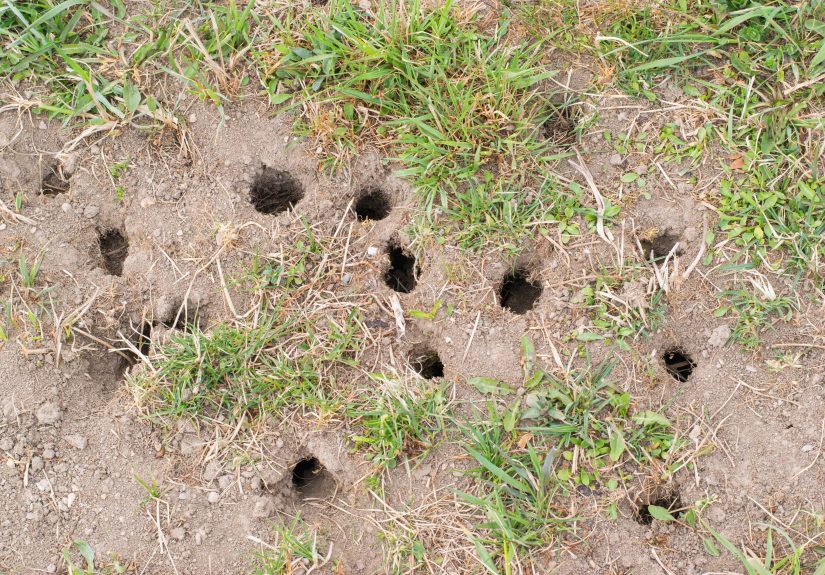
Nothing says “good morning” like walking outside with coffee in hand, ready to admire your lawn, only to discover a fresh batch of mystery holes. No dirt volcanoes. No giant molehills. Just little openings scattered across the yard like your grass hosted a secret overnight excavation crew.
If you have holes in your yard but no mounds, that missing pile of soil is actually your biggest clue. In lawn detective work, the dirt matters. Animals that tunnel deep underground often leave ridges or mounds because they have to put all that excavated soil somewhere. When there’s no mound, the culprit is often a shallow digger, a foraging animal, or a burrower that cleverly carries dirt away from the entrance.
The good news: you can usually narrow it down by looking at the size, shape, pattern, location, and timing of the holes. The less-good news: your yard may be serving as a midnight buffet, a rodent townhouse development, or a squirrel storage locker.
Why “No Mounds” Is Such a Big Clue
When homeowners see holes in the lawn, they often blame moles first. Moles have become the default suspect in the same way the dog always gets blamed for missing sandwiches. But classic mole damage usually comes with raised ridges, soft tunnels, or volcano-shaped mounds. If your yard has clean openings and little to no piled dirt, moles move lower on the suspect list.
That usually points you toward one of three categories:
- Foraging damage from animals digging for grubs, worms, or insects
- Burrow entrances made by small mammals that hide or scatter the excavated soil
- Non-animal causes such as soil settling, rotting roots, or buried debris collapsing underground
In other words, a hole without a mound is often less about a creature building a tunnel empire and more about something eating, entering, or collapsing.
The Most Likely Causes of Yard Holes With No Mounds
1. Skunks Looking for Grubs and Soil Insects
Skunks are one of the most common reasons for small holes in a lawn with little obvious soil buildup. They usually dig at night while searching for grubs, earthworms, and other insects. The holes are often cone-shaped, roughly a few inches wide, and can appear in clusters as if your yard was attacked by a golf-obsessed gremlin.
A strong clue is timing. If the lawn looked fine before bed and woke up looking like it had a rough evening, skunks should be high on your list. In heavier feeding episodes, they may leave so many small holes that the turf looks lightly tilled. Charming.
What to look for: small, shallow holes; overnight damage; insect-rich lawns; occasional skunk odor; disturbed mulch or flower beds.
2. Raccoons Peeling Back Sod Like a Burrito
Raccoons also hunt grubs and insects, but they tend to be messier and more dramatic. Instead of neat little holes, they often flip, tear, or roll back sections of sod. If your lawn looks like someone started installing a new one and gave up halfway through, raccoons are a strong possibility.
They are especially notorious on newly laid sod or turf with shallow roots. They use their front paws almost like hands, which is both impressive and extremely rude.
What to look for: chunks of sod rolled back, larger torn areas, nighttime damage, signs near bird feeders, trash areas, or grub-heavy lawns.
3. Armadillos Rooting Around for a Meal
In areas where armadillos are active, they can leave multiple shallow holes while searching for insects and other invertebrates. Their foraging damage is often broader and rougher than squirrel digging, and the holes can be a few inches across and a few inches deep.
Armadillo damage tends to show up where the soil is easy to dig, especially in irrigated lawns, loose mulch, and garden beds. If the holes look like someone poked the yard repeatedly with a small shovel, this is a real possibility.
What to look for: several shallow holes in one area, loose mulch tossed aside, nighttime activity, damage near beds and borders as well as turf.
4. Squirrels Burying or Digging Up Snacks
If the holes are shallow, small, and neat, squirrels may be your culprit. They bury nuts, acorns, and seeds, then return later to dig them up. They also dig in mulched beds and sometimes in lawns while searching for cached food.
This kind of yard damage usually doesn’t involve tunnels or mounds. It often looks random, with small holes here and there, especially near trees, under bird feeders, or around garden beds. Think of it as chaotic pantry management.
What to look for: shallow holes about 2 inches across, no mound, scattered pattern, activity near oak trees or feeders.
5. Chipmunks Making Sneaky Burrow Entrances
Chipmunks are a classic answer when you see a 2-inch hole with no mound. Their burrow entrances are often tucked near stumps, foundations, brush piles, steps, woodpiles, or garden edges. The reason there’s no obvious pile of dirt is wonderfully annoying: chipmunks carry the soil away in their cheek pouches and scatter it elsewhere.
That makes their entrances look surprisingly tidy. If you’ve noticed chirping, quick darting movement, or a furry stripe wearing permanent panic, chipmunks may be the ones renting space under your yard.
What to look for: clean 1.5- to 2-inch holes; entrances near structures or cover; repeated traffic in the same area; very little loose soil.
6. Voles Traveling Through Runways and Shallow Burrows
Voles are often confused with moles, but their damage is different. They are plant-eating rodents that create small burrow holes and surface runways in grass. Their openings are typically around 1 to 1.5 inches wide, often partly hidden under leaf litter, mulch, or dense vegetation.
The giveaway is usually not just the hole itself but the surrounding lawn. You may see narrow runways through grass, gnawed plant stems, chewed bark near shrubs, or soft, spongy ground where shallow tunnels run just below the surface. Voles are the kind of tenants who don’t pay rent and eat the landscaping.
What to look for: small holes near cover, visible runways in grass, chewed plants, spongy patches, damage around hostas, shrubs, or mulch beds.
7. Rats Burrowing Near Foundations, Shrubs, or Woodpiles
Not the most cheerful possibility, but yes, rats can cause holes in your yard. Norway rats in particular dig burrows outdoors. These openings are often found near building foundations, beneath dense shrubs, around gardens, under debris, or near woodpiles.
Rat holes are usually larger than vole holes and may have a more worn, traveled look. If you are seeing holes near the house, along hardscape edges, or near food and shelter sources, don’t shrug this one off.
What to look for: 2- to 4-inch openings near foundations or piles; rub marks; droppings; greasy runways; signs of gnawing nearby.
8. Ground Bees or Solitary Wasps
Sometimes the holes are not from furry freeloaders at all. Ground-nesting bees make very small holes, usually around a quarter inch wide, in sunny areas with thin grass or exposed soil. Some species leave a little mound around the opening, and some barely do.
Cicada killers can also make larger holes in dry, sunny, well-drained soil, but these more often come with a noticeable pile of soil off to one side. So if your yard holes have no mound at all, cicada killers are less likely than mammals or tiny solitary bees.
What to look for: very small round holes in bare or thin turf, bees hovering low over the ground, activity concentrated in warm sunny spots.
Less Likely If There Are Truly No Mounds
Some culprits usually leave more obvious soil piles, raised ridges, or dramatic spoil heaps. If your yard has plain openings but no mounds, these are less likely:
- Moles, which commonly create raised tunnels and molehills
- Pocket gophers, which typically leave obvious mounds
- Crayfish, which often build chimney-like mud towers in wet areas
- Groundhogs, which usually leave a large burrow opening with excavated soil nearby
That doesn’t mean these animals are impossible. Rain, mowing, and time can flatten piles. But if the yard is full of plain holes and nothing else, start with the no-mound suspects first.
Don’t Ignore Non-Animal Causes
Not every hole in a yard is made by wildlife. Sometimes the ground itself is the problem.
Old Roots, Buried Stumps, or Construction Debris
If a tree was removed years ago, the remaining stump and roots can slowly rot underground. When that material decomposes, the soil above it may settle and leave a depression or hole. The same thing can happen with buried brush, scrap wood, or construction debris that was covered with soil during grading.
These holes often look less like animal entrances and more like sudden depressions, especially after rain.
Poorly Compacted Fill Soil
Yards around newer homes sometimes settle unevenly because fill soil was not compacted uniformly. Water can move through weak spots, gradually creating voids or depressions. If the hole appears in a broad open area with no signs of digging, settling may be the real cause.
Possible Sinkhole or Drainage Trouble
In some regions, especially where geology allows subsurface voids, a hole or depression can be a warning sign of a drainage problem or sinkhole development. This is especially important if the ground keeps collapsing, water disappears into the opening, or the hole is growing.
If the hole is suddenly large, deep, unstable, or near a foundation, septic area, retaining wall, or drainage line, treat it as a property issue first and a wildlife mystery second.
How to Tell What’s Causing the Holes
| Clue | Most Likely Cause |
|---|---|
| Small holes overnight, cone-shaped, scattered in turf | Skunks |
| Sod peeled back or rolled | Raccoons |
| Shallow 2-inch holes, random, no mound | Squirrels |
| Clean 2-inch opening near steps, woodpile, or foundation | Chipmunks |
| 1-inch holes plus grassy runways or plant chewing | Voles |
| 2- to 4-inch hole near shrubs or the house | Rats |
| Many shallow foraging holes in loose soil or mulch | Armadillos |
| Tiny holes in thin turf with bees hovering | Ground-nesting bees |
| Depression after rain with no digging signs | Settling, roots, buried debris, or drainage issue |
What to Do Next
Start With Observation, Not Panic
Before you buy traps, repellents, or enough lawn products to open a small hardware store, spend a day or two observing. Check when the damage appears. Look for tracks, droppings, runways, chewed plants, or flipped sod. A trail camera can turn your mystery into a very low-budget nature documentary.
Remove What’s Attracting the Culprit
If insects are drawing skunks, raccoons, or armadillos, improving overall lawn health may help reduce repeat visits. If chipmunks or rats are involved, remove brush piles, stacked lumber, dense hiding spots, and easily accessible food sources. If squirrels are digging because of birdseed, tidy up the buffet line.
Repair Holes Only After Activity Stops
Once you’re reasonably sure the animal is gone or deterred, fill holes with soil and reseed or patch the area. Filling active burrows without solving the cause can be like arguing with a revolving door.
Call a Professional When the Stakes Are Higher
Contact a wildlife control professional, extension office, arborist, or drainage expert if the holes are near the home’s foundation, growing rapidly, connected to settling, or accompanied by major turf destruction.
Homeowner Experiences: What These Yard Holes Often Turn Out to Be
One of the most common stories goes like this: a homeowner notices a dozen shallow holes in the lawn that seemed to appear overnight. There are no big mounds, no raised tunnels, and no obvious burrow entrances. At first, they assume moles. Then the pattern changes. The holes are shallow, scattered, and mostly in the greenest, most watered part of the lawn. A camera goes out that evening, and by morning the mystery guest is revealed: a skunk methodically poking around for grubs like it’s shopping at an all-you-can-eat underground buffet.
Another classic scenario involves new sod. The yard looked perfect on Friday. By Sunday, pieces of turf are folded back like someone tried to open the lawn with a giant can opener. That kind of damage often sends homeowners into full neighborhood group-chat mode, but raccoons are frequently the answer. They love easy access to insects under weakly rooted sod, and their “handy” front paws make them surprisingly good at peeling turf back in strips.
Then there’s the small, suspiciously neat hole beside the patio, shed, or front steps. It’s about 2 inches wide, there’s no soil pile, and it looks too tidy to be random. In many cases, that turns out to be a chipmunk entrance. Homeowners are often surprised to learn that chipmunks carry excavated dirt away, which is why the hole looks so clean. It’s basically stealth landscaping, but by a rodent.
Vole stories are different. People usually don’t notice one perfect hole. They notice that the lawn looks odd, the grass has narrow runways through it, and a favorite plant suddenly has gnawed stems or bark damage near the base. When the ground feels soft and there are little holes tucked under mulch or leaf litter, voles move into the spotlight.
And sometimes the “animal hole” turns out not to be animal-related at all. A homeowner fills a hole, only to watch it return after the next heavy rain. No tracks. No fresh digging. No nighttime visitor on camera. Digging a little deeper reveals old woody material from a removed tree, or buried debris left behind from construction. The soil is settling because something underneath is rotting away or collapsing. That’s the moment the problem shifts from “Which critter did this?” to “Who thought burying junk here was a good plan?”
The big lesson from all these experiences is simple: yard holes without mounds usually have a pattern. If you slow down and read the clues, the story becomes much easier to understand. Hole size, depth, location, timing, and surrounding damage can tell you whether you’re dealing with a hungry skunk, a fussy raccoon, a tidy chipmunk, a sneaky vole, or plain old settling soil. Your yard may still be annoying, but at least it stops being mysterious.
Final Takeaway
If you’re finding holes in your yard but no mounds, don’t jump straight to moles. The absence of piled soil usually points toward skunks, raccoons, armadillos, squirrels, chipmunks, voles, rats, ground-nesting bees, or even a non-animal issue like settling ground or rotting roots.
The smartest fix is not guessing harder. It’s identifying better. Measure the holes, inspect the pattern, notice when they appear, and look at what’s happening around them. In lawn mysteries, the dirt may be missing, but the clues are still there.