Table of Contents >> Show >> Hide
- What is homocysteine, exactly?
- Normal vs. high homocysteine levels
- Why do doctors order a homocysteine test?
- Symptoms: what high homocysteine feels like
- Common causes of high homocysteine
- What high homocysteine may mean for your health
- Treatment: how homocysteine levels are lowered
- Step 1: Confirm the result and look for the “why”
- Step 2: Food-first upgrades (the “boring” fix that actually works)
- Step 3: Supplements (helpful in the right situation, not magic confetti)
- Step 4: Treat underlying conditions
- Step 5: Special casehomocystinuria (rare, but important)
- Step 6: Follow-up and monitoring
- When to talk to a healthcare provider soon
- Real-world experiences: what people commonly go through (and what helps)
- Conclusion
“Homocysteine” sounds like a villain from a superhero movie (the kind that dissolves arteries with laser eyes).
In real life, it’s not a comic-book characterit’s an amino acid that shows up in your blood as your body processes
protein. Most of the time it’s harmless background noise. But when homocysteine levels creep up,
it can be a useful clue that something else (often a vitamin issue) needs attention.
This guide breaks down what homocysteine is, what “high” really means, what symptoms people may notice, and how
treatment typically workswithout turning your bloodstream into a chemistry final.
What is homocysteine, exactly?
Homocysteine is an amino acid your body makes while processing another amino acid called
methionine, which comes from dietary protein. Your body doesn’t want homocysteine hanging around for long,
so it normally converts it into other helpful substances.
Here’s the key: that “conversion” process relies heavily on B vitamins, especially
folate (vitamin B9/folic acid), vitamin B12, and vitamin B6.
When those nutrients are lowor when certain health conditions interferehomocysteine can build up.
Normal vs. high homocysteine levels
Labs can vary a bit, but many clinicians use these general ranges for total homocysteine
(often reported in micromoles per liter, µmol/L):
| Category | Typical Range (µmol/L) | What it often suggests |
|---|---|---|
| Normal | ~5 to 15 | Typical metabolism and nutrient status |
| Mild elevation | 15 to 30 | Often nutrition/lifestyle factors; sometimes underlying conditions |
| Moderate elevation | 30 to 100 | More likely vitamin deficiency, medical conditions, or medication effects |
| Severe elevation | >100 | Consider genetic/metabolic disorders (e.g., homocystinuria) and urgent evaluation |
One important reality check: a “high” number doesn’t automatically mean you have a dangerous disease.
It means your provider should interpret the result in contextyour diet, meds, kidney function, thyroid status,
and other risk factors all matter.
Why do doctors order a homocysteine test?
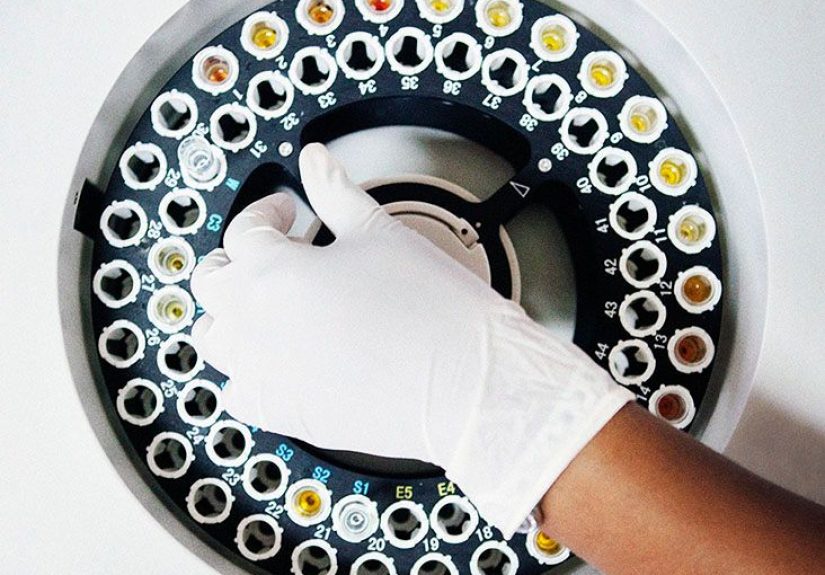
A homocysteine test is a standard blood test. Clinicians most commonly use it to:
- Check for B-vitamin deficiency (especially folate and B12, sometimes B6).
- Help evaluate certain anemia or nerve symptoms when B12/folate deficiency is suspected.
- Help diagnose rare genetic conditions such as homocystinuria (often detected via newborn screening in the U.S.).
- Refine cardiovascular risk in select situationsusually when someone already has elevated risk or a complex medical picture.
Test prep: don’t accidentally “juice” your results
Sometimes you’ll be asked to fast for several hours before the blood draw. Supplements and certain medications can also
influence results, so it’s smart to tell your clinician what you’re takingespecially B-vitamin supplements.
Symptoms: what high homocysteine feels like
Here’s the trick: high homocysteine itself usually doesn’t cause obvious symptoms. Many people feel totally normal
and only find out after routine or targeted bloodwork.
When symptoms do show up, they’re often tied to the reason homocysteine is elevatedmost commonly a deficiency in
folate or vitamin B12 (and sometimes B6). Possible symptoms can include:
- Fatigue, weakness, or feeling “run down”
- Dizziness or headaches
- Mouth or tongue soreness
- Heart palpitations (a racing or pounding sensation)
- Tingling or numbness in hands/feet (often linked to B12 deficiency-related nerve effects)
If your homocysteine is severely elevated (especially if a genetic disorder is involved), the symptoms and risks can be broader.
In classical homocystinuria, issues can involve the eyes, bones, and blood clot risk. The good news: it’s treatable,
and early diagnosis makes a huge difference.
Common causes of high homocysteine
Elevated homocysteine is best thought of as a signal rather than a stand-alone diagnosis. Common contributors include:
1) Low folate, vitamin B12, or vitamin B6
These vitamins help convert homocysteine into other compounds your body needs. If your intake is lowor absorption is poor
homocysteine can rise.
People more likely to run low include older adults (B12 absorption can decline with age), people with limited diets,
those with certain digestive conditions that impair absorption, and people with heavy alcohol use.
2) Kidney disease
The kidneys play a role in handling many blood compounds, and chronic kidney disease is linked with higher homocysteine levels.
In this case, supplements alone may not “solve” the number because the underlying clearance/metabolism is affected.
3) Hypothyroidism (underactive thyroid)
An underactive thyroid is another recognized association with higher homocysteine. Treating thyroid disease can sometimes help improve levels.
4) Smoking and lifestyle factors
Smoking is consistently associated with higher homocysteine. Nutrition quality matters tooif your diet is low in leafy greens,
legumes, fortified grains, fish, eggs, dairy, and other nutrient-dense staples, your “B vitamin budget” can come up short.
5) Age, sex, and menopause
Homocysteine tends to rise with age. Men often run higher than women, and levels in women can increase after menopause.
6) Genetics: from “common variants” to rare disorders
You’ve probably heard about MTHFR. This gene helps with folate metabolism, and certain variants can be associated with higher homocysteine.
But here’s the practical takeaway: many common MTHFR variants have small effects and usually don’t require special “detox protocols”
or pricey supplement stacks.
In fact, many medical experts generally don’t recommend routine testing for common MTHFR changes. When homocysteine is high,
clinicians usually focus on the basics first: vitamin status, underlying conditions, and overall risk profile.
Rare, severe genetic problemslike classical homocystinuriaare a different category. They can produce very high levels and require
specialized treatment and long-term follow-up.
What high homocysteine may mean for your health
Elevated homocysteine has been linked to higher risks of cardiovascular problems like heart disease and stroke, and it’s also been studied in
cognitive decline and other conditions. Mechanistically, high levels may irritate blood vessel lining and make clotting more likely.
But there’s an important nuance: association isn’t the same as causation. Many large studies show that B-vitamin supplements can
lower homocysteine numbers, yet lowering the number doesn’t always translate into fewer heart attacks or strokes for most people.
That’s why routine homocysteine screening for heart disease risk isn’t recommended for everyone.
So, why measure it at all? Because it can still be a very useful markerespecially for uncovering a treatable vitamin deficiency, guiding care in
certain high-risk situations, and managing rare disorders like homocystinuria.
Treatment: how homocysteine levels are lowered
Treatment depends on why your level is high. Think of the approach as “find the cause, then fix the cause.”
Here’s what that usually looks like.
Step 1: Confirm the result and look for the “why”
- Review whether you fasted (if instructed) and whether supplements could have affected the reading.
- Check for B12, folate, and sometimes B6 status.
- Evaluate other contributors like kidney function and thyroid function.
- Review medications and lifestyle factors (smoking, alcohol, dietary patterns).
Step 2: Food-first upgrades (the “boring” fix that actually works)
If your clinician suspects a nutrition gap, a food-first plan can make a real differenceespecially for mild elevations.
Practical options include:
- Folate-rich foods: leafy greens, beans/lentils, asparagus, avocado, and fortified grain products.
- Vitamin B12 sources: fish, meat, eggs, dairy, and fortified foods (important for people who eat little or no animal products).
- Vitamin B6 sources: poultry, fish, potatoes, chickpeas, bananas, and fortified cereals.
U.S. folic-acid fortification of enriched grains has improved folate status for many people, but not everyone eats enough fortified or folate-rich foods.
And B12 is a frequent trouble spot for older adults and people with restricted diets.
Step 3: Supplements (helpful in the right situation, not magic confetti)
If labs show a deficiency, providers may recommend supplementsoften folic acid/folate, B12, and sometimes B6.
This can lower homocysteine effectively, especially when the elevation is driven by vitamin shortfalls.
Two smart cautions:
-
Don’t self-prescribe mega-doses. High-dose B6 over time can cause nerve problems, and folic acid can sometimes mask B12 deficiency
while nerve issues continue. -
Lowering homocysteine isn’t always the same as lowering cardiovascular risk, so treatment should be personalized to your situation
not driven by internet panic.
Step 4: Treat underlying conditions
If kidney disease or hypothyroidism is contributing, optimizing management of that condition may help. Smoking cessation can also improve overall
cardiovascular risk (and may improve homocysteine levels too). Even when homocysteine doesn’t normalize completely, reducing the overall risk burden
is still a win.
Step 5: Special casehomocystinuria (rare, but important)
For homocystinuria and related metabolic disorders, treatment is more specialized and may include:
- High-dose vitamin B6 (pyridoxine) for people who respond to it
- A methionine-restricted diet under specialist supervision
- Folate and vitamin B12 supplementation as needed
- Betaine therapy in some cases
This is not a DIY scenariomanagement should be guided by a metabolic specialist team.
Step 6: Follow-up and monitoring
Your clinician may recheck levels after diet changes or supplementation. The goal isn’t always “perfectly normal” at all costsit’s
identifying and treating the underlying issue and lowering meaningful risk.
When to talk to a healthcare provider soon
Consider prompt medical advice if you have symptoms consistent with B12/folate deficiency (especially numbness/tingling, significant fatigue, or
anemia concerns), if you have a personal or family history of early cardiovascular disease, or if you’ve been told your level is very high.
And if you’re staring at your lab portal at 2 a.m. thinking, “My homocysteine is 18… am I doomed?”take a breath.
Mild elevations are common, and many causes are treatable.
Real-world experiences: what people commonly go through (and what helps)
Numbers on a lab report can feel abstract until they collide with real life. Below are composite, real-world-style experiences that reflect
patterns many patients and clinicians describe. (These are examples for education, not a diagnosis of anyone reading this.)
Experience #1: “I felt fine… until I didn’t.”
A common scenario is someone who feels mostly okay but notices creeping fatigue, brain fog, or shortness of breath with normal activities.
A routine checkup shows anemia markers and a higher homocysteine level. When the workup reveals low B12 or folate, treatment focuses on correcting
the deficiencyoften with targeted supplementation plus diet upgrades. The big “aha” moment is realizing that the homocysteine result wasn’t the
villain; it was the smoke alarm pointing to the actual issue. People often report gradual improvements over weeks, especially in energy and
exercise tolerance, once the deficiency is addressed.
Experience #2: “My hands were tinglingand I blamed my keyboard.”
Tingling or numbness in the hands and feet can be easy to dismiss (tight shoes, too much gaming, too many emailspick your culprit).
When homocysteine is elevated and B12 is low, clinicians may worry about nerve involvement. In these situations, treatment isn’t just about lowering
a lab number; it’s about protecting nerve function. People often learn that waiting it out isn’t idealaddressing B12 deficiency early matters.
Many describe relief in having a clear plan: correct the deficiency, monitor symptoms, and recheck labs rather than spiraling into worst-case thinking.
Experience #3: “I eat ‘pretty healthy’… but my diet had a blind spot.”
Some people have mildly elevated homocysteine because their diet is unintentionally low in folate-rich foods (leafy greens and legumes aren’t exactly
everyone’s comfort food). Others may get plenty of vegetables but very little B12 because they avoid animal products and don’t use fortified foods.
The fix can be surprisingly practical: add beans or lentils a few times per week, swap in fortified cereals or nutritional yeast (if appropriate),
and include B12 sources that match the person’s eating pattern. People often like this approach because it feels empowering: instead of “taking a pill
forever,” they build a routine that supports nutrient status long-term.
Experience #4: “My genetic test said MTHFRshould I be worried?”
Plenty of people discover an MTHFR variant through wellness panels or ancestry-style genetic testing and then panic-scroll.
A common outcome is that a clinician reframes the situation: common variants are widespread, and the more actionable step is measuring homocysteine and
checking vitamin status. If homocysteine is mildly elevated, the plan often looks familiaroptimize folate and B12 intake and address lifestyle factors.
Many people describe feeling calmer once they understand the difference between rare, severe metabolic disorders and common gene variants with small effects.
The takeaway tends to be simple (and refreshingly un-dramatic): focus on labs, symptoms, and overall healthnot a scary-sounding acronym.
The “experience” thread running through all these stories is consistency. Homocysteine levels are rarely a one-day problem with a one-day fix.
But when you identify the causeespecially a vitamin deficiencyimprovement is often straightforward, measurable, and reassuring.
Conclusion
Homocysteine is a normal byproduct of protein metabolism, and your body usually keeps it in check using folate, B12, and B6.
When levels rise, it’s often a clue worth investigatingnot a reason to panic. High homocysteine can point to a treatable vitamin deficiency,
an underlying condition like kidney disease or hypothyroidism, lifestyle factors like smoking, or (rarely) a genetic disorder such as homocystinuria.
The best treatment is personalized: confirm the result, identify the driver, correct deficiencies, and manage overall cardiovascular risk.
Medical note: This article is for education and does not replace medical advice. If you have symptoms or abnormal labs, talk with a qualified healthcare professional.