Table of Contents >> Show >> Hide
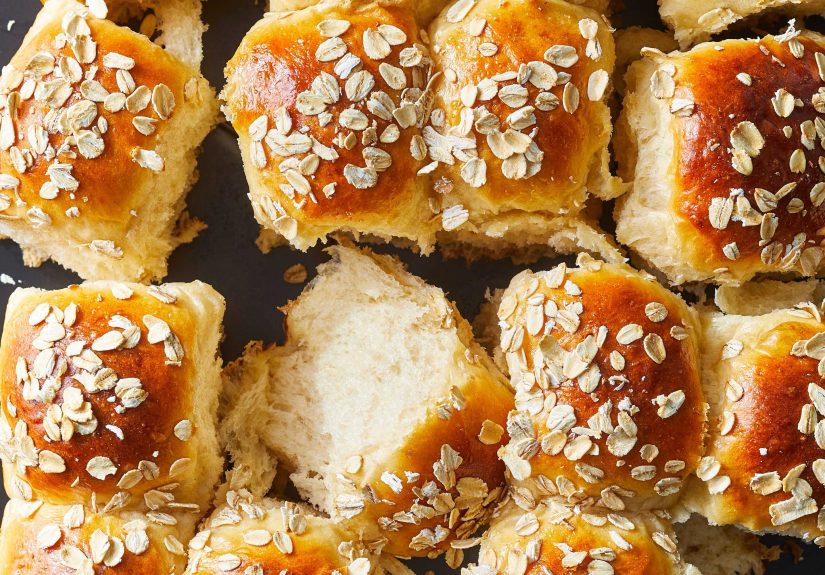
If the phrase “freshly baked bread” makes your heart beat a little faster, wait until you meet these honey milk bread rolls. They’re soft, pillowy, just sweet enough, and shiny with a buttery honey glaze that basically begs you to tear in “just to taste one”… and then somehow half the pan disappears.
This recipe borrows the ultra-fluffy texture of Japanese-style milk bread rolls (often called Hokkaido milk bread) and pairs it with classic American honey butter dinner roll vibes. You get cloud-like crumb, rich milky flavor, and a warm, floral sweetness from real honey in both the dough and the topping.
Whether you’re planning a holiday feast, Sunday dinner, or just want your kitchen to smell like a bakery and a hug at the same time, this honey milk bread rolls recipe is your new signature move.
Why Honey Milk Bread Rolls Are So Irresistible
Most dinner rolls are fine. These rolls are dangerously good. Here’s what sets them apart from your average side-of-bread situation:
1. Milk Bread Texture (a.k.a. “edible pillows”)
Milk bread rolls are famous for being extra soft and airy. Many recipes use a simple cooked flour paste (called tangzhong) made from flour and liquid. This paste locks in moisture so the rolls stay tender longer instead of drying out by day two.
2. Honey in the Dough and on Top
Instead of relying only on sugar, these rolls get part of their sweetness from honey. It adds flavor as well as moisture and helps the crust brown beautifully. Many popular honey roll recipes also finish the rolls with melted butter mixed with honey and a sprinkle of flaky salt for that “I cannot stop eating these” effect.
3. Enriched, But Not Fussy
Like the best milk-and-honey dinner rolls, this dough is enriched with milk, butter, and egg. That gives it a rich, almost brioche-like feel without going full dessert. You can serve these with savory mains (roast chicken, soup, holiday turkey) or split them the next morning for breakfast with jam.
Key Ingredients (and What They Actually Do)
Bread Flour
Bread flour has a higher protein content than all-purpose flour, which helps build structure while still allowing a soft, stretchy crumb. Most professional-style milk bread and dinner roll recipes rely on bread flour for that perfect balance of chew and fluff.
Milk
Milk adds tenderness, flavor, and a slight sweetness. Many milk-and-honey roll recipes use whole milk or even evaporated milk for extra richness.
Honey
Honey does double duty: it sweetens the dough and boosts browning in the oven. In the glaze, it melts into the hot rolls with butter for a glossy, sticky finish.
Butter and Egg
Butter contributes flavor and softness, while a single egg enriches the dough, making it slightly more tender and golden. Many honey butter roll and milk bread formulas follow this same combo because it gives reliable, bakery-style results at home.
Yeast
Instant or active dry yeast both work here. Yeast is what gives these rolls their rise and lightnesscombined with the tangzhong and enriched dough, you get maximum fluff rather than heavy, dense bread.
Honey Milk Bread Rolls Recipe
Yield: 12–16 rolls (depending on size)
Prep Time: about 30 minutes active, 2 to 2.5 hours including rising
Bake Time: 18–22 minutes
Ingredients
For the Tangzhong (Flour Paste)
- 3 tablespoons bread flour
- 1/2 cup (120 ml) whole milk
For the Dough
- 1 cup (240 ml) warm whole milk (about 100–110°F / 38–43°C)
- 1/4 cup (85 g) honey
- 2 1/4 teaspoons instant or active dry yeast (1 packet)
- 3 3/4 to 4 cups (450–480 g) bread flour, plus extra for dusting
- 1 large egg, at room temperature
- 1/4 cup (56 g) unsalted butter, softened
- 1 1/2 teaspoons fine sea salt
For the Honey Butter Glaze
- 3 tablespoons unsalted butter, melted
- 2 tablespoons honey
- Flaky sea salt, for sprinkling (optional but highly recommended)
Step-by-Step Instructions
1. Make the Tangzhong
- In a small saucepan, whisk together the 3 tablespoons bread flour and 1/2 cup milk until smooth.
- Place over medium-low heat and cook, whisking constantly, until the mixture thickens into a pudding-like paste. This usually takes 1–3 minutes. Don’t boil it; you just want it thick and glossy.
- Remove from heat and let cool to lukewarm. This is your tangzhong, which will help keep the rolls extra soft and moist.
2. Activate the Yeast (If Using Active Dry)
- In the bowl of a stand mixer (or a large mixing bowl), stir together the warm milk and honey.
- Sprinkle the yeast over the top and let it sit for 5–10 minutes until foamy. If using instant yeast, you can skip the wait and mix it directly with the flour insteadstill, giving it a short soak in warm milk doesn’t hurt.
3. Mix the Dough
- Add the cooled tangzhong, egg, softened butter, and salt to the milk mixture.
- Add 3 3/4 cups of bread flour to start. Using the dough hook attachment (or a sturdy spatula and some elbow grease), mix until a shaggy dough forms.
- If the dough seems extremely sticky, add more flour 1–2 tablespoons at a time. It should be soft and slightly tacky but pull away from the sides of the bowl.
4. Knead Until Smooth and Elastic
- Knead the dough with the mixer on medium-low speed for 8–10 minutes, or by hand for 10–12 minutes on a lightly floured surface.
- The dough is ready when it feels smooth, stretchy, and passes a loose “windowpane test” (you can gently stretch a small piece thin enough to see light through without tearing immediately).
5. First Rise
- Shape the dough into a ball and place it in a lightly oiled bowl, turning it once to coat.
- Cover with plastic wrap or a clean kitchen towel and let it rise in a warm, draft-free spot until doubled in size, about 60–90 minutes depending on your kitchen temperature.
6. Shape the Rolls
- Lightly grease a 9×13-inch baking pan or line it with parchment paper.
- Punch down the risen dough gently to release excess gas.
- Turn it out onto a lightly floured surface and divide into 12–16 equal pieces (use a scale if you want perfectly even rolls).
- Shape each piece into a smooth ball by tucking the edges underneath and rolling it under a cupped hand.
- Arrange the dough balls in the prepared pan, leaving a little space between them so they can rise and snuggle up together.
7. Second Rise
- Cover the pan loosely and let the rolls rise again until puffy and nearly doubled, 30–45 minutes.
- About 20 minutes before baking, preheat your oven to 350°F (175°C).
8. Bake
- Bake the rolls on the middle rack for 18–22 minutes, or until the tops are deeply golden brown and an instant-read thermometer inserted into the center of a roll registers around 190–195°F (88–90°C).
9. Honey Butter Glaze
- While the rolls bake, combine the melted butter and honey in a small bowl.
- Remove the hot rolls from the oven and immediately brush generously with the honey butter.
- Finish with a light sprinkle of flaky sea salt if you like that sweet-salty contrast (you do).
- Cool slightly before serving… or don’t. Warm and steamy is their best life.
Tips for Perfect Honey Milk Bread Rolls
Watch Your Flour
The biggest reason dinner rolls turn out heavy and dry? Too much flour. Many professional bakers recommend weighing ingredients instead of scooping by volume to avoid packing in extra flour. If the dough feels a little tacky, that’s okaysoft dough makes soft rolls.
Don’t Rush the Rise
Warm, but not hot, environments are best for proofing. If your kitchen is chilly, place the covered bowl in an (off) oven with the light on or near a warm appliance. Letting the dough fully double gives you that airy, pull-apart texture you’re aiming for.
Use the Right Pan
A light-colored metal pan or cast iron baker promotes even browning. Dark pans can over-brown the bottoms before the centers are done. Several recipe developers specifically recommend light pans or seasoned skillets for dinner rolls.
Storage and Reheating
Let leftover rolls cool completely, then store them in an airtight container at room temperature for up to 2–3 days or in the fridge up to about 5 days. To revive them, wrap in foil and warm in a 300°F oven for 8–10 minutes until soft again.
They also freeze well: cool, wrap tightly, and freeze up to a month. Thaw at room temperature, then reheat as above.
Serving Ideas and Easy Variations
- Savory Herb Version: Stir 1–2 teaspoons of finely chopped fresh rosemary, thyme, or sage into the dough or glaze for a fragrant twist inspired by honey-sage rolls and herbed dinner rolls.
- Garlic Honey Butter: Add a small clove of grated garlic or a pinch of garlic powder to the melted butter before brushing. It tastes like garlic bread and honey butter had a very tasty baby.
- Breakfast-Ready Rolls: Split leftover rolls, toast lightly, and serve with more honey, jam, or cream cheese. They’re also fantastic as sliders with scrambled eggs and bacon.
- Holiday Showpiece: Arrange the dough balls in a wreath shape on a parchment-lined sheet and bake as a pull-apart centerpiece.
Baker’s Notes: Real-Life Honey Milk Bread Roll Experiences
Once you start making honey milk bread rolls, you quickly realize they’re less “side dish” and more “main attraction.” Many home bakers report the same pattern: carefully roasted turkey, glazed ham, or beautifully seared roast on the table… and everyone is still talking about the rolls.
What makes these rolls so memorable is how they engage all the senses. The dough itself is pleasant to work withsoft, a little bouncy, and subtly fragrant from warm milk and honey. As the rolls bake, the kitchen smells like a mash-up of a bakery and a honey stand at the farmers’ market. That aroma alone can pull family members out of hiding and into the kitchen “just to check on things.”
There are a few “aha” moments that almost everyone encounters the first time they bake this kind of enriched bread:
- The tangzhong surprise: The flour paste step can look suspiciously like extra work, but it’s usually the piece that turns skeptical bakers into evangelists. When you tear open a roll the next day and it’s still soft instead of crumbly, you understand why so many trusted recipes insist on it.
- The honey glaze effect: Brushing hot rolls with honey butter feels almost too simple, but the results are dramatic. The glaze sinks into the cracks and edges, giving each roll a shiny finish and light sweetness that doesn’t feel sugary or heavy.
- The second-day test: Many basic rolls are amazing fresh and disappointing later. Honey milk rolls, when stored properly, tend to pass the leftover test with flying colors. A quick reheat brings back the pillowy texture and the honey aroma wakes right up again.
These rolls also have a way of turning nervous bakers into confident ones. Because the dough is enriched and slightly forgiving, it’s a good introduction to working with yeast. The dough might feel sticky at first, but as you knead, it transforms into something smooth and elastic. Watching it rise, punching it down, and shaping those little dough balls into rolls is satisfying in a way that’s hard to explain until you do it.
They’re versatile, too. Some people like to make smaller rolls and serve them as cocktail sandwiches filled with turkey, ham, or plant-based deli slices. Others go big, baking fewer rolls in the same pan so they puff up into dramatic, oversized buns that are perfect for breakfast sandwiches or pulled pork. The honey and milk base plays nicely with both savory and sweet fillings.
Over time, many bakers start to tweak the recipe to suit their family’s preferences. A household that loves salty-sweet flavors may lean into the flaky sea salt on top. Another that prefers a less sweet roll might slightly reduce the honey in the dough but keep the glaze. Some add a pinch of cinnamon or cardamom for a lightly spiced version, especially around the holidays.
The best “experience tip” is this: plan to make more than you think you’ll need. Honey milk bread rolls have a tendency to disappear during taste testing, before dinner, during dinner, and mysteriously as “just one more” when someone wanders through the kitchen later that night. Leftovers are never a problem; running out is.
Once you’ve made these rolls a couple of times, they become the sort of recipe people request by name. You’ll hear things like “Are you bringing the honey milk rolls?” or “Can you make those soft rolls again?”and honestly, that might be the highest compliment a home baker can get.