Table of Contents >> Show >> Hide
- The 30-Second Answer
- Main Ways You Can Catch Coronavirus
- Where People Commonly Catch Coronavirus
- How Soon After Exposure Can Infection Show Up?
- Does Vaccination Still Matter for “Catching” COVID?
- How to Reduce Your Risk (Without Living in a Bubble)
- Quick Myth Check
- Bottom Line
- Experience Add-On (500+ Words): Real-Life Situations That Explain How People Catch Coronavirus
- SEO Tags
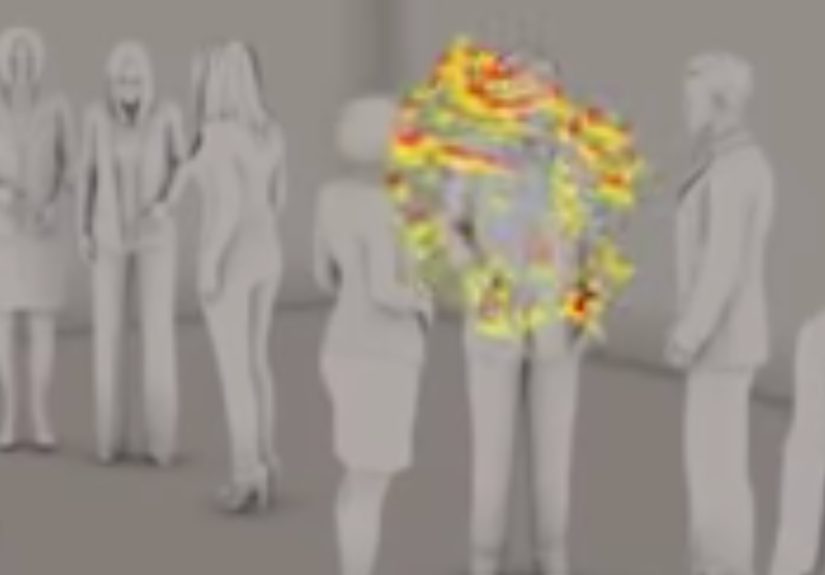
Let’s answer the big question in plain English: you usually catch coronavirus (COVID-19) by breathing shared air that contains virus particlesespecially indoors, especially around people, and especially when ventilation is poor.
If that sounds broad, it is. The virus doesn’t need a dramatic movie moment. It often spreads through ordinary life: an office meeting with the door closed, a packed ride-share, a family dinner where someone says “It’s probably just allergies,” or a gym class where everyone is breathing like they’re training for the Olympics.
The good news? You’re not powerless. COVID risk is manageable when you understand how transmission works and stack a few smart habits. This guide synthesizes up-to-date U.S. public health and medical guidance and breaks it down in a practical, no-panic way.
We’ll cover how people actually catch coronavirus, where risk is highest, what testing timelines matter, and the prevention habits that do the heavy lifting in 2026.
The 30-Second Answer
Most people catch coronavirus through a simple chain reaction:
- Someone infected exhales virus particles (talking, coughing, breathing, singing, cheering).
- Those particles build up in shared airespecially indoors.
- Another person inhales enough virus to become infected.
Close contact, longer exposure time, crowded settings, and poor airflow all increase risk. Touching contaminated hands or surfaces can play a role, but it is generally a smaller transmission pathway than inhaling shared air.
Main Ways You Can Catch Coronavirus
1) Breathing shared indoor air
This is the big one. COVID spreads through droplets and tiny airborne particles. If you share indoor space with an infected person, those particles can be inhaled. Risk goes up when:
- The room is crowded.
- Windows are closed and airflow is poor.
- You stay there a long time.
- People are talking loudly, singing, exercising, or shouting at a game.
2) Close-range face-to-face exposure
If someone infectious is right next to you, your exposure dose can climb quickly. Think crowded elevators, close chats in noisy bars, shared rides, or sitting shoulder-to-shoulder during travel.
“I was only there for a little while” can still be enough in the wrong setting.
3) Exposure before symptoms appear
One of COVID’s trickiest features is timing. People can spread it before they feel sick. That means relying only on “Do you feel okay?” is not a strong screening strategy.
Translation: your nicest friend can still accidentally be a virus courier.
4) Asymptomatic spread
Some people stay mild or symptom-free and can still pass the virus on. This is why layered prevention (air + masking in higher-risk settings + testing + staying home when sick) works better than any single rule.
5) High-risk environments and activities
The virus loves conditions, not personalities. Situations that consistently raise transmission risk include:
- Small indoor gatherings with poor ventilation.
- Long meals indoors (masks off for extended time).
- Choirs, karaoke, indoor sports, and heavy-breathing workouts.
- Shared travel spaces: planes, cruise settings, conference halls, hotels, buses.
- Households where one member is infected and isolation is difficult.
6) Surfaces and hands (possible, but usually secondary)
Surface transmission can happen, but it is generally less important than inhalation of shared air. Still, hand hygiene matters. If you touch contaminated surfaces and then touch your eyes, nose, or mouth, you can increase risk.
Keep this in the “worth doing, but don’t ignore the air” bucket.
Where People Commonly Catch Coronavirus
At home
Households remain a major transmission site because exposure is close and prolonged. One infected person plus shared bedrooms, bathrooms, meals, and TV time can lead to a chain of infections.
It’s not because families are careless; it’s because homes are where we spend the most time breathing each other’s air.
At work and school
Meetings, classrooms, break rooms, and open-plan spaces become higher risk when ventilation is weak and people come in while “just a little sick.”
The “hero move” is not powering through symptomsit’s staying home early and preventing an office outbreak.
During travel
Airports, trains, crowded boarding lines, conventions, and cruise-related settings combine density, prolonged indoor exposure, and lots of contacts.
Travel itself isn’t doomedbut it’s a context where one sloppy day can lead to a memorable vacation souvenir nobody asked for.
At social gatherings
Weddings, birthdays, game nights, and holiday meals are emotionally importantand epidemiologically efficient. People talk loudly, hug, laugh, eat together, and stay for hours.
Good vibes are wonderful. Add good airflow and you keep the vibe without adding a viral afterparty.
How Soon After Exposure Can Infection Show Up?
Symptoms can appear within a broad window (often noted as 2–14 days after exposure), but many transmissions happen early in infection. People can be contagious before symptoms and in the first days of illness.
That’s why timing your test matters:
- If you have symptoms: test right away. If negative on antigen, repeat based on instructions (often 48 hours later).
- If you were exposed but have no symptoms: testing too early can miss infection; wait the recommended window and retest as directed.
A single negative rapid test does not always close the case. Think of testing as a series, not a one-shot verdict.
Does Vaccination Still Matter for “Catching” COVID?
Yesespecially for reducing severe outcomes. Updated COVID vaccines are designed to improve protection against circulating strains and are particularly important for older adults and people at higher risk.
Vaccination may also lower risk of long COVID and serious complications.
No vaccine creates an invisible force field that blocks every infection forever. But in real-world terms, staying current with vaccination significantly improves your odds of avoiding severe illness, hospitalization, and death.
In risk management language: it changes the consequences, not just the probability.
How to Reduce Your Risk (Without Living in a Bubble)
1) Prioritize cleaner air
If COVID spreads through air, air is your strongest lever.
Aim for better ventilation and filtration where possible:
- Open windows/doors when safe.
- Use HVAC properly; upgrade filters when feasible.
- Add portable air cleaners in shared rooms.
- In many settings, targeting around 5+ clean air changes per hour is a useful benchmark.
2) Mask strategically
In higher-risk scenarios (crowded indoor spaces, travel surges, visiting high-risk relatives), a well-fitting high-quality mask provides meaningful protection.
Fit matters. A perfect mask worn poorly is just a face accessory.
3) Use testing smartly
Test when symptoms start, before visiting vulnerable people, and after known exposure according to timing guidance.
Repeat testing after a negative antigen result when recommended.
4) Don’t “power through” illness
If you’re sick, staying home early reduces transmission. Once symptoms are improving and fever has resolved for the recommended period, continue extra precautions for several days (masking, hygiene, cleaner air, distance).
5) Layer, don’t rely on one tool
The best strategy is a layered approach:
vaccination + cleaner air + testing + smart masking + staying home when sick.
Each layer reduces risk; together they’re far stronger than any single measure.
Quick Myth Check
- Myth: “If nobody is coughing, no risk.”
Reality: Breathing and talking can spread virus particles, and people can be infectious before symptoms. - Myth: “One negative rapid test means I’m definitely clear.”
Reality: Early infection can test negative; repeat testing may be needed. - Myth: “Disinfecting everything is enough.”
Reality: Cleaning helps, but shared indoor air usually matters more than surfaces. - Myth: “COVID is over, so risk is zero.”
Reality: Transmission still occurs, especially in high-contact indoor settings.
Bottom Line
So, how can you catch coronavirus? Mostly by breathing in infectious particles in shared airespecially indoors, up close, for longer periods, and around people who may not realize they’re contagious yet.
That sounds intimidating, but it’s actually actionable: improve air, test smart, mask in high-risk settings, stay current on vaccination, and avoid exposing others when sick.
COVID risk is not all-or-nothing. It’s a dial you can turn downoften with practical moves that are cheaper and easier than dealing with a week of symptoms, missed plans, and “Who gave this to who?” family group-chat investigations.
Experience Add-On (500+ Words): Real-Life Situations That Explain How People Catch Coronavirus
To make this practical, here are composite, real-world style experiences that mirror what clinicians and public-health teams have seen repeatedly.
These are not dramatic edge casesthey’re everyday patterns.
Experience 1: “It Was Just a Quick Dinner”
A group of friends met for dinner indoors on a rainy Friday. Nobody felt seriously sick; one person had a “tiny scratchy throat” and assumed it was dry air.
Windows stayed closed, the room was loud, and everyone talked across the table for two hours.
By Monday, three people felt fatigued and tested positive by Tuesday. The person with the scratchy throat had been infectious before recognizing it.
Lesson: long indoor meals with close conversation are classic transmission setups, especially when ventilation is poor.
Experience 2: “Open Office, Closed Air”
In a startup office, teammates returned from travel and jumped into a long planning session in a glass conference room.
No one masked. The room felt stuffy, but they were focused on deadlines.
One teammate developed symptoms the next morning and tested positive. Over the next week, multiple coworkers got sickmostly those who sat in that closed room the longest.
Lesson: duration + poor airflow + close range is a high-risk combo. Better ventilation and a quick “if you’re off, stay home” culture would likely have reduced spread.
Experience 3: “The Family Domino Effect”
A high-school student caught COVID after a school event and came home feeling “just tired.”
They shared snacks in the kitchen, watched TV with siblings, and slept in a shared bedroom before testing.
Within days, multiple household members became ill at different times, extending disruption for nearly two weeks.
Lesson: household spread is common because exposure is continuous. Early testing, separate sleeping/eating spaces if possible, masking around vulnerable relatives, and improved room airflow can break the chain.
Experience 4: “Gym Class and Good Intentions”
A fitness class used a small indoor studio with fans but limited outdoor air exchange.
Participants felt safe because everyone seemed healthy. Later, several attendees reported symptoms.
High breathing rates and close proximity likely increased inhaled viral dose.
Lesson: exercise settings can amplify risk when air turnover is low. Bigger spacing, cleaner air, and skipping class when mildly symptomatic are practical safeguards.
Experience 5: “Negative Test, False Confidence”
After exposure at work, one person took a same-day rapid test and got a negative result.
They visited older relatives that night.
Two days later, symptoms appeared and repeat testing turned positive.
Fortunately, everyone recovered, but the stress was avoidable.
Lesson: timing matters. Testing too early can miss infection. Repeating tests according to guidance is not overreactingit’s accuracy.
Experience 6: “Travel Week Reality”
A business traveler took two flights, attended a conference, and joined packed networking dinners.
They washed hands often but didn’t pay attention to crowded indoor air or masking in high-density settings.
They tested positive a few days later.
Lesson: hygiene helps, but inhalation risk in crowded indoor travel environments can dominate. Cleaner-air choices, strategic masking, and pre-/post-event testing are high-value tools.
Across these experiences, the same pattern appears: people don’t usually catch coronavirus from a mysterious one-second encounter.
They catch it in predictable conditionsshared indoor air, close contact, longer time, and missed early signals.
The silver lining is that predictable risk is preventable risk.
If you remember one framework, use this:
Air, Time, Distance, Symptoms, Testing.
Improve air, shorten high-risk indoor time, add distance when possible, take symptoms seriously, and test with the right timing.
That simple playbook won’t eliminate risk entirely, but it dramatically tilts the odds in your favor.