Table of Contents >> Show >> Hide
If you’ve ever lived in a bedroom without a closet, you already know the truth: the room can go from “peaceful retreat” to “fabric avalanche with pillows” in about eleven minutes. One chair becomes a wardrobe. One corner becomes a laundry negotiation zone. One tiny surface becomes a museum of receipts, chargers, lip balm, and choices you regret.
I know this because I live it. My bedroom has no closet, not even one of those skinny little “technically a closet, emotionally a hallway” situations. For a while, I treated the room like a temporary problem. I stacked bins. I draped clothes over anything with a pulse. I told myself I’d do a real reset “this weekend,” which is what messy people everywhere say right before opening another online shopping tab.
Then I realized something important: a closet-free bedroom does not need more willpower. It needs a smarter system. Once I stopped relying on motivation and started relying on a repeatable 30-minute routine, the room changed fast. It became easier to keep tidy, easier to get dressed, and honestly, easier to relax in at night.
This is the exact routine I use to keep my closet-free bedroom under control without turning into a full-time organizer, minimalist monk, or basket influencer. It is simple, realistic, and built for real life, which means it also works when I’m tired, busy, or one unfolded sweater away from losing my mind.
Why a Closet-Free Bedroom Gets Messy So Fast
A bedroom without a closet has one major challenge: there is no default place to hide the visual chaos. In a traditional setup, extra clothes, shoes, laundry, and random personal items disappear behind a door. In a closet-free room, every item needs an intentional home. If it doesn’t have one, it lands on the bed, the chair, the floor, or the legendary “I’ll deal with this later” pile.
That is why my routine starts with a mindset shift. I do not ask, “How can I clean this room faster?” I ask, “How can I make every daily object easier to put away?” That one question changed everything.
Instead of trying to keep the room spotless by sheer force of personality, I designed a system around the things that actually create mess: clothes I wore once, shoes I kicked off, accessories I drop at random, and storage containers that looked organized but functioned like decorative confusion.
The Setup That Makes My 30-Minute Routine Work
Before I even start the routine, I rely on a few practical storage solutions that make a closet-free bedroom function like one. Nothing here is fancy. The goal is not to build a Pinterest shrine. The goal is to reduce friction.
1. A dresser does the heavy lifting
My dresser stores folded clothes, pajamas, workout gear, socks, and smaller basics. If it can be folded, it goes in the dresser. This instantly cuts down on visual clutter and keeps my room from feeling like an open-air clothing store during inventory week.
2. A clothing rack handles hanging pieces
I use a simple clothing rack for items that wrinkle easily, pieces I wear often, and next-day outfits. I keep it curated on purpose. If the rack gets overcrowded, it starts looking less like “chic open wardrobe” and more like “department store after a windstorm.”
3. Under-bed storage is my secret weapon
Out-of-season clothes, spare linens, bags, and less-used items live under the bed in flat bins. This is prime real estate in a small bedroom, and I use it like it pays rent.
4. I have two laundry zones
One hamper is for truly dirty laundry. One basket or hook area is for worn-but-not-dirty clothes. This is huge. Without a separate place for those “I wore this for two hours and now I’m undecided” clothes, they end up draped over furniture like sad little flags.
5. Hooks solve more problems than they should
Wall hooks hold bags, robes, tomorrow’s outfit, and the jacket I always swear I’ll put away later. Hooks are low effort, high reward, and frankly deserve more respect.
6. My nightstand is functional, not dramatic
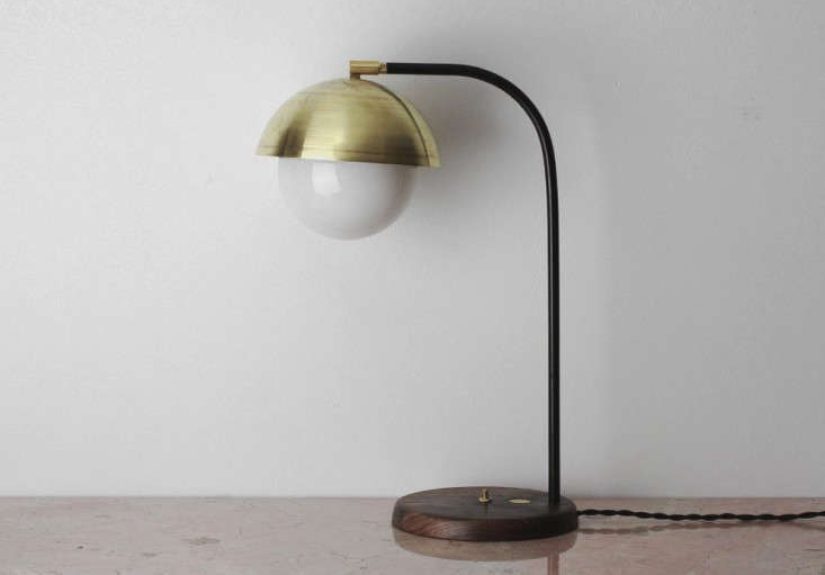
I keep my nightstand mostly clear. A lamp, a book, water, and one small tray for essentials. That’s it. If the nightstand becomes a dumping ground, the whole room starts to feel chaotic, even if everything else is technically fine.
My Exact 30-Minute Routine
I do this routine several times a week, and it works because it follows the same order every time. I do not wander around making emotional decisions about a scarf. I move fast, keep the categories simple, and reset the room in layers.
Minutes 0–5: Make the bed and clear visible surfaces
I always start by making the bed. This is the largest item in the room, so when it looks put together, the whole space feels calmer immediately. After that, I clear my dresser top, nightstand, and any visible flat surface. Hair ties, receipts, chargers, jewelry, cups, random paper clips from a parallel universeeverything goes back where it belongs.
This first five minutes gives me a visual win right away. It is hard to feel productive when your room looks like it lost an argument. A made bed fixes that fast.
Minutes 5–10: Do a fast clothing triage
This is the most important part of the whole routine. I grab every loose clothing item in the room and sort it into only four categories: hang, fold, wash, or re-wear. No drama. No trying things on. No staring into space while holding a cardigan like it contains the answer to life.
If it needs washing, it goes into the laundry hamper. If it is clean enough to wear again, it goes on a designated hook or into the re-wear basket. If it wrinkles, it goes on the rack. If it folds, it goes into the dresser. Clothing is the main source of clutter in my bedroom, so when I control the clothing, I control the room.
Minutes 10–15: Reset the floor and the corners
Next, I do a floor sweep. Shoes go to their assigned spot. Bags get hung up. Empty boxes, tags, and random debris leave the room. I also check the corners because clutter has a funny habit of gathering there like it is trying not to be seen.
I do not let “temporary” items stay on the floor. Temporary clutter is how permanent mess starts. If something does not belong in the bedroom at all, I remove it immediately instead of letting it become part of the decor through neglect.
Minutes 15–20: Edit the open storage
Because I do not have a closet, my storage is more visible than average. That means my clothing rack, top of dresser, hooks, and baskets need a quick visual edit. I straighten hangers, refold anything messy, match pairs, close bins, and remove items that are trying to freeload in the wrong zone.
This is also when I ask one useful question: does each thing still earn its space? If the answer is no, I move it to a donation bag or relocate it elsewhere. In a closet-free room, excess stuff is not neutral. It is loud.
Minutes 20–25: Check drawers and under-bed storage
I do a quick pass through the dresser and under-bed bins to make sure the system is still working. I am not doing a full reorganization every time. I am just preventing the small breakdowns that eventually turn a tidy system into a mystery box.
If socks have staged a rebellion, I refold them. If under-bed bins are getting crammed with things I forgot I owned, I pull one or two items out and decide whether they still need to live there. This keeps storage from becoming invisible clutter with a lid.
Minutes 25–30: Prep tomorrow and create a sleep-friendly reset
In the last five minutes, I set out what I need for the next day. That might be an outfit, my bag, my notebook, or anything else I tend to hunt for in a half-awake panic. Then I do one final visual check: lights soft, surfaces clear, no laundry on the bed, no rogue pants on a chair pretending to be interior design.
This last step matters more than it seems. A tidy bedroom does not just look better. It feels easier to rest in. When the room is calm, bedtime is calmer too.
The Tiny Rules That Keep the Routine Working
The 30-minute reset works because I support it with a few small rules during the week. These are not strict. They are just practical.
- I do not let clothes touch the floor unless they are going straight into the hamper.
- I keep the clothing rack intentionally limited, not stuffed.
- I use one tray for small everyday items so they do not multiply across every surface.
- I avoid the “dump chair” trap by not keeping an empty chair in the room if I know I will abuse that privilege.
- I keep a donation bag going so editing my room does not become a huge seasonal event.
- I follow a simple one-in, one-out mindset when my storage starts feeling crowded.
None of these rules are dramatic. That is the point. A tidy bedroom is usually the result of boring consistency, not one heroic weekend purge fueled by caffeine and regret.
What I Stopped Doing
Sometimes staying organized is less about adding more and more about stopping the habits that create mess in the first place. Here is what I quit doing.
I stopped using my bedroom as a backup storage unit
If something belongs in another room, it does not get to live in my bedroom “for now.” My bedroom is not a waiting room for miscellaneous objects.
I stopped buying containers before fixing the system
Storage bins are helpful, but they are not magical. A pretty basket full of nonsense is still nonsense. First I decide what belongs in the room. Then I assign storage.
I stopped pretending I would fold everything perfectly forever
I built a routine around real habits, not fantasy habits. I know I will always have re-wear clothes. I know I need quick access to certain basics. I know open storage has to be easy or I will stop using it. Once I accepted that, the room became easier to maintain.
Best Closet-Free Bedroom Ideas That Actually Help
If you are building your own system, these are the no-closet bedroom ideas that have helped me the most.
- Use a dresser as your main wardrobe base for folded items.
- Add a slim clothing rack for daily outfits and wrinkle-prone pieces.
- Choose under-bed bins with lids for off-season storage.
- Use hooks for vertical storage instead of letting accessories float around the room.
- Pick a nightstand with drawers so essentials are close but hidden.
- Create a re-wear zone for clothes that are not dirty but are definitely not “folded and put away” material.
- Limit what stays visible so the room feels restful, not busy.
If that sounds simple, good. Simple is what works. A bedroom routine should feel easy enough to repeat, not so complicated that you need a project manager and a whiteboard.
My Real-Life Experience With This Routine
What surprised me most about this 30-minute routine was not that my room looked better. It was that I stopped feeling low-level annoyed by my own space. Before I had a system, my bedroom always felt one step behind me. I would wake up and see clutter first. I would come home and immediately notice the chair pile, the shoes in the wrong spot, the half-open drawer, the sweater hanging off a lamp like it had given up on society. The room was never catastrophic, but it was constantly unfinished. That unfinished feeling followed me around.
Once I started using this routine, the room began to feel cooperative instead of chaotic. I knew where things went. I knew how long a reset would take. I stopped telling myself I needed an entire free afternoon to get organized. Most of the time, I just needed half an hour and a little honesty about where my mess actually came from.
I also learned that a closet-free bedroom forces you to become more intentional in a good way. You notice quickly which clothes you actually wear, which storage tools are useful, and which habits are doing the most damage. For me, the biggest culprit was not “having too much stuff” in a dramatic sense. It was decision fatigue. If I had to pause and wonder where something should go, I would set it down somewhere random and promise myself I would handle it later. My new routine removed a lot of those tiny decisions.
There were practical benefits too. Getting dressed became faster because my frequently worn pieces were visible and easy to reach. Laundry became less annoying because dirty clothes and re-wear clothes were finally separated. My room photographed better, sure, but more importantly, it felt better at 10 p.m. when I wanted to wind down and not stare at a pile of unresolved denim.
I still have messy days. I am not a fictional person in an advertisement gently fluffing one throw pillow while sunlight lands on my morally superior bedding. Real life still happens. I still drop things. I still get busy. I still occasionally create a tiny chaos patch on the dresser. The difference is that now the mess does not spread. The routine catches it before it turns into a bigger problem.
And that is probably my favorite part of all this: the room no longer asks for perfection. It just asks for maintenance. That feels doable. It feels adult in a nice way, not a grim way. My closet-free bedroom may never be huge, but it is functional, tidy, and calm. For a space with no closet, that feels like a small miracle with excellent drawer management.
Conclusion
Keeping a closet-free bedroom tidy is not about having less life. It is about giving your life better landing zones. My 30-minute routine works because it matches how I actually live: I re-wear clothes, I need quick storage, I get tired, and I do not want my bedroom to feel like a storage unit with bedding.
By using a dresser, clothing rack, under-bed storage, hooks, and a clear laundry system, I turned a frustrating room into a manageable one. The routine is fast, realistic, and easy to repeat, which is exactly why it sticks. If your bedroom has no closet, you do not need a miracle. You need a method. Preferably one that takes 30 minutes and does not require folding fitted sheets with emotional intensity.