Table of Contents >> Show >> Hide
- Quick Answer: Egg Boiling Time Chart
- Why Egg Boiling Times Vary
- The Best Method for Boiling Eggs
- How Long to Boil Eggs for Different Results
- Cold-Start Method: How Long Does It Take?
- How to Make Boiled Eggs Easier to Peel
- Food Safety Tips for Boiled Eggs
- Common Egg Boiling Mistakes
- Best Uses for Each Type of Boiled Egg
- Troubleshooting: What Went Wrong?
- Kitchen Experience: What Boiling Eggs Teaches You Over Time
- Conclusion
Boiling an egg sounds like the kind of kitchen task that should require zero brainpower. Add egg, add water, apply heat, feel like a functioning adult. And yet, somehow, this tiny oval can turn into a breakfast mystery novel: runny when you wanted firm, chalky when you wanted creamy, or cracked open in the pot like it had dramatic personal news.
So, how long does it take to boil an egg? For large eggs started in already boiling water, the practical answer is: about 6 minutes for soft-boiled eggs, 7 to 8 minutes for jammy eggs, 9 to 10 minutes for medium-boiled eggs, and 11 to 12 minutes for hard-boiled eggs. Add another minute if your eggs are extra-large or jumbo. Reduce slightly if they are small. Then cool them in ice water to stop the cooking before the yolk goes from golden and creamy to “forgotten sidewalk chalk.”
This guide breaks down egg boiling times, the best method, common mistakes, peeling tricks, food safety basics, and real-life kitchen experience so you can stop gambling with breakfast and start boiling eggs like a calm, protein-powered professional.
Quick Answer: Egg Boiling Time Chart
The timing below works best for large refrigerated eggs added gently to boiling water, then cooked at a steady simmer.
| Cooking Time | Yolk Texture | Best For |
|---|---|---|
| 5 minutes | Very runny yolk, just-set white | Dipping toast, breakfast bowls |
| 6 minutes | Soft-boiled, runny center | Ramen, toast, salads |
| 7 minutes | Jammy yolk, slightly thick | Rice bowls, noodles, snacks |
| 8 minutes | Jammy but more set | Meal prep, lunch bowls |
| 9 to 10 minutes | Mostly set, creamy center | Salads, sandwiches |
| 11 to 12 minutes | Fully set hard-boiled yolk | Deviled eggs, egg salad, snacks |
| 13 to 14 minutes | Extra-firm yolk | Very firm texture preference |
For most people, 12 minutes is the sweet spot for classic hard-boiled eggs. The yolk is fully cooked but not overly dry, and the white stays firm without becoming rubbery. If you want a softer, restaurant-style egg with a golden, custardy middle, aim for 7 to 8 minutes.
Why Egg Boiling Times Vary
Egg boiling time is not magic, although it does occasionally feel like the egg is negotiating with the laws of physics. Several small details can change the final result.
Egg Size Matters
Most boiling charts are based on large eggs. Small eggs cook faster because there is less mass to heat. Extra-large and jumbo eggs need more time, usually about one additional minute. If your “large” egg looks suspiciously like it has been lifting weights, give it a little longer.
Starting Temperature Matters
Refrigerated eggs take longer to warm through than room-temperature eggs. In the United States, eggs are usually refrigerated, so most home cooks should assume their eggs are cold unless they have intentionally rested them on the counter for a short time before cooking.
Hot Start vs. Cold Start
There are two common methods: starting eggs in boiling water or starting them in cold water. A hot start gives more predictable timing because the clock begins once the egg hits boiling water. A cold start can be gentler, but timing depends on how quickly your stove, pot, and water come to a boil. Translation: cold-start eggs are more likely to blame your cookware for their personality problems.
Altitude Changes the Game
At higher elevations, water boils at a lower temperature. That means eggs may need extra cooking time. If you live in a mountain town and your eggs keep coming out softer than expected, you are not cursed; your boiling point is just different.
Pot Size and Crowding Matter
Eggs should sit in a single layer. If they are stacked like commuters on a crowded train, they may cook unevenly and crack from bumping into each other. Use a pot wide enough to give them space and enough water to cover them by about an inch.
The Best Method for Boiling Eggs
This hot-start method is simple, repeatable, and easy to adjust. It works for soft-boiled, jammy, medium-boiled, and hard-boiled eggs.
Step 1: Bring Water to a Boil
Fill a saucepan with enough water to cover the eggs by about one inch. Bring the water to a full boil over medium-high or high heat.
Step 2: Lower the Eggs Gently
Use a spoon, ladle, or small strainer to lower the eggs into the boiling water. Do not drop them in unless your goal is egg soup with shell confetti.
Step 3: Reduce to a Steady Simmer
Once the eggs are in the pot, reduce the heat slightly. You want steady bubbling, not a rolling earthquake. Vigorous boiling can make eggs knock against the pan and crack.
Step 4: Set a Timer
Use a timer. Do not rely on “kitchen instinct,” especially if your kitchen instinct has ever burned toast. Choose your time based on the texture you want: 6 minutes for soft, 7 to 8 for jammy, 9 to 10 for medium, and 11 to 12 for hard-boiled.
Step 5: Transfer to an Ice Bath
When the timer goes off, move the eggs immediately into a bowl of ice water. Let them sit for at least 5 minutes for soft-boiled eggs and 10 to 15 minutes for hard-boiled eggs. The cold water stops carryover cooking and helps the egg pull slightly away from the shell.
How Long to Boil Eggs for Different Results
Soft-Boiled Eggs: 5 to 6 Minutes
A soft-boiled egg has a tender white and a warm, runny yolk. At 5 minutes, the yolk will be loose and glossy. At 6 minutes, the white is usually more dependable while the yolk remains liquid in the center. This style is perfect for toast soldiers, ramen, grain bowls, and dramatic breakfast photography.
Jammy Eggs: 7 to 8 Minutes
Jammy eggs are the internet’s favorite egg for a reason. The yolk is thick, golden, spoonable, and luxurious without being fully firm. At 7 minutes, the center is softer. At 8 minutes, the yolk becomes more structured but still creamy. These eggs are excellent for salads, noodles, avocado toast, and snacks that make you feel like you planned your life better than you did.
Medium-Boiled Eggs: 9 to 10 Minutes
Medium-boiled eggs have yolks that are mostly set but still tender. They are less messy than soft-boiled eggs and less dry than traditional hard-boiled eggs. If you dislike chalky yolks but need eggs that can survive lunchbox travel, 9 to 10 minutes is your happy place.
Hard-Boiled Eggs: 11 to 12 Minutes
Hard-boiled eggs are fully cooked, firm, and practical. They are ideal for egg salad, deviled eggs, meal prep, Cobb salad, potato salad, and quick protein snacks. For large eggs, 11 minutes gives a firm but slightly creamy yolk, while 12 minutes gives a fully set classic texture.
Extra-Firm Eggs: 13 to 14 Minutes
Some people like very firm yolks. That is allowed. We are not here to judge breakfast preferences. However, cooking eggs too long can create a dry texture and sometimes a gray-green ring around the yolk. That ring is harmless, but it is also the egg’s way of saying, “You forgot about me.”
Cold-Start Method: How Long Does It Take?
In the cold-start method, eggs go into the pot with cold water. You bring the water to a boil, turn off the heat, cover the pot, and let the eggs sit in the hot water. This method is gentle and popular for hard-boiled eggs, but the timing depends on how quickly your water reaches a boil.
A common cold-start approach is:
- Place eggs in a single layer in a pot.
- Cover with cold water by about one inch.
- Bring the water to a boil.
- Turn off the heat and cover the pot.
- Let the eggs sit for 9 to 12 minutes, depending on desired firmness.
- Transfer to an ice bath.
The cold-start method can work beautifully, especially for hard-boiled eggs. But if you want exact soft-boiled or jammy eggs, the hot-start method is usually easier to control.
How to Make Boiled Eggs Easier to Peel
Peeling boiled eggs is where confidence goes to get humbled. One egg peels like a dream; the next clings to its shell like it signed a long-term lease. Here is how to improve your odds.
Use Eggs That Are Not Extremely Fresh
Very fresh eggs can be harder to peel because the white tends to cling more tightly to the inner membrane. Eggs that have been in the refrigerator for several days often peel more easily.
Start in Hot Water
Many cooks find that starting eggs in boiling water helps with peeling. The quick heat can help the egg white set before it bonds too stubbornly to the membrane.
Use an Ice Bath
An ice bath stops cooking and helps separate the egg from the shell. Skipping this step is like leaving the oven on after baking cookies and then wondering why the cookies became roof shingles.
Crack and Roll
Tap the egg on the counter, then gently roll it to create tiny cracks all over the shell. Start peeling from the wider end, where there is usually a small air pocket.
Peel Under Running Water
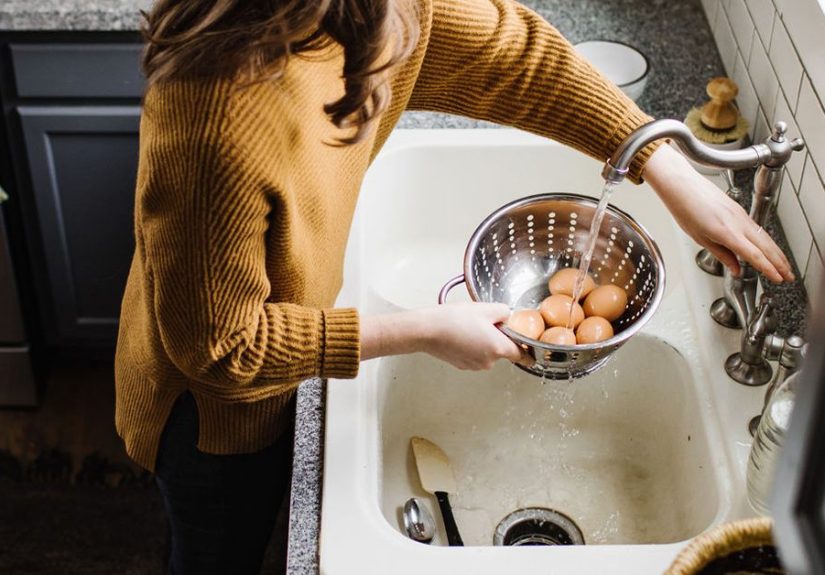
A little running water can slip under the membrane and help loosen stubborn bits. It is not a miracle, but it is the closest thing the sink has to egg therapy.
Food Safety Tips for Boiled Eggs
Boiled eggs are easy, affordable, and nutritious, but they are still perishable. After cooking, cool them promptly and refrigerate them. Hard-boiled eggs should not sit at room temperature for more than two hours. If the surrounding temperature is above 90°F, that window is shorter.
For best quality and safety, store hard-boiled eggs in the refrigerator and use them within one week. Keeping them in the shell can help protect them and reduce odor transfer. Peeled eggs should be stored in a covered container. If they smell off, feel slimy, or look questionable, do not play detective with your stomach. Throw them out.
Also, do not microwave an egg in its shell. Steam can build up inside and cause it to burst. Nobody wants breakfast with a side of microwave cleanup and regret.
Common Egg Boiling Mistakes
Boiling Too Aggressively
A wild boil can crack eggs and make the whites tough. A steady simmer is enough. Eggs need heat, not a hot tub with anger issues.
Skipping the Timer
Egg texture changes quickly. One minute can be the difference between jammy and fully set. Use a timer every time, at least until your preferred method becomes automatic.
Forgetting the Ice Bath
Eggs keep cooking after they leave the pot. Without cooling, a perfect 8-minute egg can become a 10-minute egg while sitting on the counter.
Cooking Too Many Eggs in a Small Pot
Overcrowding lowers the water temperature and causes uneven cooking. Give the eggs room and cook in batches if needed.
Peeling Too Roughly
Soft-boiled and jammy eggs are delicate. Peel slowly, especially if the yolk is still soft. This is not the time to bring “opening a stubborn jar” energy.
Best Uses for Each Type of Boiled Egg
Soft-Boiled Eggs
Use soft-boiled eggs when you want the yolk to act like a sauce. They are fantastic over toast, ramen, sautéed greens, rice bowls, and roasted vegetables. The yolk brings richness without needing much else.
Jammy Eggs
Jammy eggs are flexible. Slice them over grain bowls, tuck them into lunch boxes, add them to noodles, or sprinkle them with salt, pepper, and chili flakes for a quick snack.
Medium-Boiled Eggs
Medium-boiled eggs are great when you want structure but not dryness. They work well in salads, sandwiches, and breakfast plates.
Hard-Boiled Eggs
Hard-boiled eggs are meal-prep heroes. Make egg salad, deviled eggs, potato salad, breakfast boxes, or simple protein snacks. A little salt, pepper, and paprika can turn one boiled egg into a surprisingly satisfying bite.
Troubleshooting: What Went Wrong?
The Yolk Has a Green Ring
The egg was probably overcooked or cooled too slowly. The green-gray ring is harmless, but it usually means the egg spent too much time in heat. Use a timer and transfer eggs to ice water immediately.
The Egg Cracked in the Pot
The water may have been boiling too aggressively, or the egg may have hit the bottom of the pot too hard. Lower eggs gently and reduce the heat to a simmer after adding them.
The Egg Is Hard to Peel
The eggs may be extremely fresh, or they may not have cooled long enough. Try using slightly older eggs, starting in hot water, and chilling them thoroughly before peeling.
The White Is Rubbery
The egg was likely cooked too long or boiled too violently. Use a lower simmer and shorten the cooking time.
The Yolk Is Too Soft
Add one minute next time. Egg boiling is a personal calibration game. Once you find your preferred timing with your stove, pot, and egg size, write it down like it is family treasure.
Kitchen Experience: What Boiling Eggs Teaches You Over Time
After you boil enough eggs, you learn that the perfect egg is less about memorizing one universal number and more about building a tiny kitchen relationship with your own stove. One person’s 8-minute jammy egg may be another person’s slightly-too-soft breakfast surprise. Your pot, burner strength, egg size, refrigerator temperature, and even how fast you move the eggs into ice water all matter.
One useful habit is to test your favorite timing with a small batch. Boil three eggs at once, then remove one at 7 minutes, one at 8 minutes, and one at 9 minutes. Cool them, slice them, and compare. This is not only practical; it also makes you feel like a breakfast scientist with very low laboratory funding. Once you see the difference, you will know exactly what “jammy,” “medium,” and “hard” mean in your kitchen.
For busy mornings, hard-boiled eggs are the most forgiving. You can make six on Sunday, refrigerate them, and suddenly breakfast has a backup plan. Add one to toast, slice one into a salad, or eat one with a little salt before school, work, errands, or whatever daily adventure requires you to be awake and civil. A boiled egg does not solve life, but it does solve the “I forgot to eat something decent” problem.
Jammy eggs are more of a treat. They are best eaten fresh or within a shorter window because the texture is delicate. A 7-minute egg over hot rice with soy sauce, scallions, and a little sesame oil tastes far fancier than the effort involved. It is the kind of meal that makes you look at a saucepan and think, “Maybe we are capable of beautiful things.”
Soft-boiled eggs are the most dramatic. They require timing, gentleness, and a little patience. If you peel them too fast, they may break. If you cook them too short, the white may wobble with suspicious confidence. But when they work, they are fantastic. Dip buttered toast into the yolk, add one to ramen, or spoon it over vegetables. Soft-boiled eggs are proof that simple food can still feel special.
The biggest lesson is to respect the ice bath. Many people focus only on the boiling time, then let eggs sit around steaming themselves into sadness. Cooling is part of cooking. Once the timer ends, move quickly. The difference between a creamy yolk and a dry yolk can happen after the egg leaves the pot.
Finally, do not be discouraged by imperfect peeling. Everyone has mangled a boiled egg at some point. Even experienced cooks occasionally produce an egg that looks like it lost a tiny bar fight. Chop the ugly ones into egg salad, save the pretty ones for deviled eggs, and move on with dignity. The kitchen rewards practice, not perfection.
Conclusion
So, how long does it take to boil an egg? The best answer depends on the yolk you want. For large eggs started in boiling water, cook 5 to 6 minutes for soft-boiled eggs, 7 to 8 minutes for jammy eggs, 9 to 10 minutes for medium-boiled eggs, and 11 to 12 minutes for hard-boiled eggs. Add or subtract time based on egg size, starting temperature, altitude, and personal preference.
The real secret is consistency. Use the same pot, start with the same method, set a timer, and cool the eggs in ice water. Once you find your perfect time, boiling eggs becomes easy, reliable, and surprisingly satisfying. Breakfast may not always be peaceful, but at least your eggs can be.