Table of Contents >> Show >> Hide
- The hidden workload behind the medals
- Meet Jane and Rems: the “support staff” that sheds
- How pets boost health: the real “gold medal” effects
- The science angle: helpful, promising, and not magic
- Pets vs. therapy animals: a quick clarity check
- How to build your own “pet-powered recovery” routine
- Safety and sanity: the not-glamorous parts of pet wellness
- Why Dressel’s pet story hits home for so many people
- Final lap: the simplest lesson from Jane and Rems
- Experiences That Match the Moment (500+ Words)
Caeleb Dressel is built for speed. Sprint swimming is the sporting equivalent of trying to set your hair on fire… on purpose… and then acting surprised when things get intense. Between early mornings, brutal sets, media obligations, sponsor commitments, and the quiet pressure of “Please be superhuman again,” even Olympic champions need a reset button.
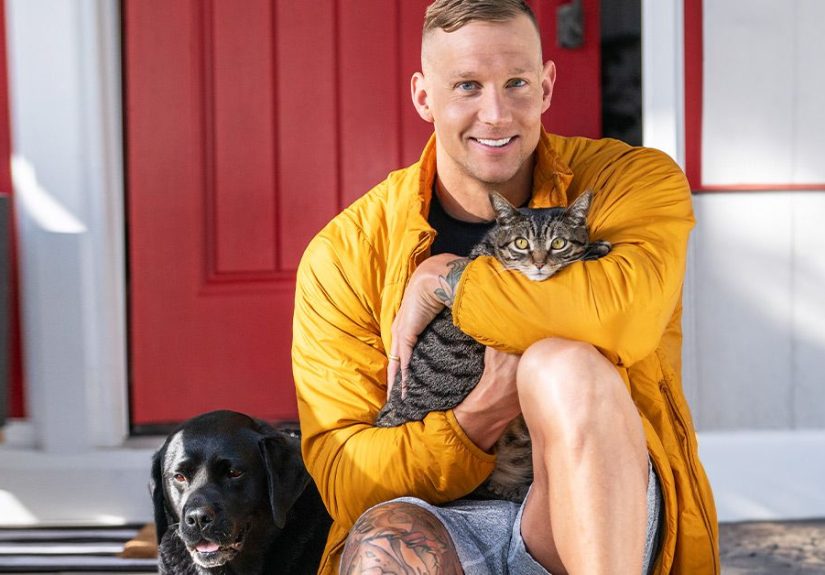
For Dressel, that reset often comes with four paws, a wagging tail, and a cat who’s pretty sure he pays the mortgage. His dog Jane and cat Rems aren’t just cute extras in the backgroundthey’ve become part of his real-life recovery system, helping him decompress, find perspective, and stay emotionally steady through the grind of elite sport.
The hidden workload behind the medals
From the outside, sprint swimming looks simple: dive, go fast, try not to inhale half the pool. But the actual lifestyle is highly repetitive, physically taxing, and mentally loud. Dressel has openly talked about needing to step back from the sport to protect his mental healthproof that even the best in the world can hit a wall when the pressure becomes constant.
That’s the part many people miss: performance isn’t only about what happens in the water. It’s also about what happens after practicehow you downshift, how you recover, and whether your brain ever gets permission to stop running meet replays at 2:00 a.m.
Meet Jane and Rems: the “support staff” that sheds
Jane: the day-one teammate
Jane has been with Dressel since the earliest days of his professional careerso long that she’s basically seen every version of him: the unstoppable one, the exhausted one, the frustrated one, and the one who just wants to eat a snack in peace. In interviews, Dressel has described Jane as the steady presence through rough practices and rougher days.
And yes, Jane is athletic. Dressel once shared a video of her launching off a starting platform and swimming alongside himan adorable moment that also screams, “My dog is training for the trials, and I’m emotionally unprepared.”
Rems: the cat who brings the calm
Rems joined Dressel’s life through his relationship with his wife, Meghan. Cats don’t do “pep talks,” but they excel at something athletes desperately need: nonverbal regulation. A cat settling in on the couch, purring like a tiny engine, can turn a tense, overstimulated nervous system into something closer to human again.
How pets boost health: the real “gold medal” effects
Let’s make this practical. Pets help people feel better for a lot of reasons, but athletesespecially those under relentless performance pressureoften benefit in very specific ways.
1) Pets force a mental “off switch”
Elite competitors can get trapped in “always on” mode: analyzing splits, critiquing technique, thinking about the next race, the next headline, the next expectation. Pets don’t care about any of that. Jane doesn’t ask about brand deals. Rems doesn’t request a recap of butterfly tempo.
That’s the point. Pets interrupt rumination. They pull attention into the present: the walk, the bowl, the toy, the quiet moment on the porch. It’s not that the pressure disappearsit’s that it stops being the only thing in the room.
2) They create routine when everything else feels chaotic
Training cycles change. Travel happens. Sleep gets weird. Social media explodes. But pets? Pets run on clocks, not vibes.
- Breakfast is still breakfast.
- Walk time is still walk time.
- The litter box will still need attention (and will judge you until you comply).
This steady rhythm can anchor a day, especially when anxiety or overwhelm starts to pull you off center. In mental health terms, that’s a form of behavioral activation: doing small, meaningful actions that keep you engaged with life, even when motivation is low.
3) They get you movingwithout negotiating
For many people, the biggest health benefit of pet ownership is simple: you move more. Dog walks increase daily activity, and even cat ownership often adds tiny bursts of movement through play, cleaning, feeding, and general “Why are you sprinting at 3 a.m.?” management.
For an athlete, that movement isn’t about “getting fit.” It’s about recovery circulation, mood regulation, and breaking up long periods of mental tension. The walk isn’t training. It’s decompression with fresh air.
4) Pets can lower stress in the body, not just the mind
Human-animal interaction research suggests that being with animals can reduce stress responsesthink lower cortisol (a stress hormone) and improved blood pressure in some contexts. The evidence is still evolving, and not every study finds the same results, but the overall theme is consistent: animals can help people calm down physiologically.
For someone like Dresselwhose sport is basically a repeated stress testhaving a reliable way to downshift matters. Recovery isn’t only ice baths and nutrition. It’s also nervous-system recovery: going from “fight-or-flight” back to “rest-and-digest.”
5) They provide emotional support without performance pressure
One of the hardest parts of being elite is that praise can start feeling conditional. When you win, people love you. When you struggle, people analyze you. That’s exhausting.
Pets offer something different: connection without evaluation. Jane doesn’t need him to be “the Olympic version” of himself. Rems doesn’t request a podium finish before allowing couch privileges. That unconditional bond can soften shame spirals and help rebuild self-worth outside results.
6) They widen your identity beyond “athlete”
When your whole life is the sport, setbacks can feel like a personal collapse. Pets naturally expand identity: you’re not only a competitoryou’re a caregiver, a companion, a “dog person,” a “cat person,” a family member.
That’s protective. It helps create psychological flexibility: the ability to adapt and stay grounded even when one part of life gets messy.
The science angle: helpful, promising, and not magic
It’s tempting to say, “Pets cure stress!” But the reality is more nuancedand more useful.
What research supports
- Stress buffering: interacting with animals has been associated with reduced stress markers and improved mood in many studies.
- More physical activity: dog owners, especially those who walk their dogs, often get more consistent movement.
- Social support: pets can reduce loneliness and increase feelings of connection.
- Potential cardiovascular benefits: major medical organizations have noted that pet ownershipespecially dog ownershipmay be associated with lower cardiovascular risk, partly because it encourages activity and may reduce stress.
What research does not guarantee
- Pets don’t replace therapy, medication, coaching, or medical care.
- Not everyone experiences the same benefitssome people experience stress from pet responsibilities, allergies, or grief.
- The “pet effect” can depend on lifestyle, bonding, and support systems.
Think of pets like a powerful supportive factor, not a standalone solution. They can enhance health habits and emotional stability, especially when you’re already doing other important things (sleep, treatment, community, training structure).
Pets vs. therapy animals: a quick clarity check
In conversations about mental health, people often mix up terms:
- Pets are companionsno special training required.
- Animal-assisted therapy typically involves trained animals working with credentialed professionals in a structured therapeutic setting.
- Service animals are specially trained to perform tasks for a person with a disability.
- Emotional support animals can provide comfort, but they don’t have the same public access rights as service animals.
Dressel’s story highlights the everyday power of regular pets: the simple, consistent presence of Jane and Rems as part of his normal life.
How to build your own “pet-powered recovery” routine
You don’t need Olympic-level stress to benefit from Olympic-level coping skills. Here are practical ways to let pets support your healthwithout turning your dog into an unpaid life coach.
Steal these habits
- Create a daily walk window: even 10–20 minutes can improve mood and reduce stress.
- Use “pet time” as a screen break: feed, brush, or play without checking notifications.
- Try a post-work “transition ritual”: when you get home, spend 2 minutes greeting your pet before doing anything else. It signals your brain: the workday is over.
- Practice calm breathing while petting: slow exhales + gentle petting can cue relaxation.
- Keep play short and consistent: cats often prefer multiple short sessions; dogs love routine.
- Talk to your pet if you need to vent: it sounds goofy; it also helps people process emotions out loud.
- Train simple cues: training builds connection and gives structure (for you and them).
- Protect sleep: keep pet routines predictable, and set boundaries if nighttime chaos is a pattern.
Safety and sanity: the not-glamorous parts of pet wellness
Pets are wonderful, but they are also living beings with germs, needs, and a surprising ability to find the one white rug you own. To keep the benefits high and the risks low:
- Wash hands after handling food, waste, or litter.
- Keep pets up to date on veterinary care.
- If someone is immunocompromised, follow extra hygiene and safety guidance.
- Don’t ignore allergieshealth benefits shouldn’t come with nonstop sneezing.
In other words: love your pets… and also respect biology.
Why Dressel’s pet story hits home for so many people
Dressel’s relationship with Jane and Rems resonates because it’s not about a “perfect life.” It’s about real coping. He’s spoken about the pressures of competition and the importance of taking a breath, and his pets help create that breathing room.
That’s relatable whether you’re training for the Olympics or just trying to answer emails without developing a twitch.
Final lap: the simplest lesson from Jane and Rems
Elite performance is never only physical. It’s emotional regulation, stress management, connection, routine, and recoveryover and over, for years.
Caeleb Dressel’s pets “win gold” not because they solve everything, but because they help him do the small, vital things that keep a human healthy: slow down, get outside, laugh, reset, and remember that life is bigger than the next race.
Experiences That Match the Moment (500+ Words)
Here’s the part that doesn’t show up on a results sheet: the feel of pet support. Not the highlight reelmore like the quiet behind-the-scenes footage where recovery actually happens.
Experience #1: The “bad practice” reset
Imagine the day goes sideways. The set felt heavy. Your brain is doing that fun thing where it replays every mistake like it’s trying to win an editing Oscar. You get home and your dog doesn’t let you carry that mood into the living room. Not by giving advice (dogs are famously bad at spreadsheets), but by being thrilled you exist. That shiftfrom self-criticism to connectioncan be immediate. Many people describe it as a nervous-system “click” back toward safety: a reminder that you’re more than your performance.
Dressel has described how coming home to Jane and Rems helps him regain perspective, especially after big events where the world feels loud and expectations feel endless. Watching a dog relax like nothing in the universe is urgent can be a surprisingly effective reality check.
Experience #2: The pre-event anxiety antidote
The night before something importantan exam, a presentation, a competitionanxiety loves to negotiate. It offers you worst-case scenarios in exchange for sleep. Pets interrupt that negotiation. A cat that curls up beside you isn’t solving the problem; it’s changing the environment in your body. People often report that the simple routine of feeding, brushing, or sitting with a pet lowers the “mental volume.” Your thoughts are still there, but they aren’t screaming through a megaphone.
And there’s something quietly powerful about being needed in a small, specific way. Not “be amazing tomorrow,” but “please refill my water.” It’s grounding, and grounding is half the battle.
Experience #3: The walking habit that sneaks up on you (in a good way)
Lots of people don’t start walking for fitness. They start walking because the dog is staring at them like a tiny, furry parole officer. Over time, that consistent movement becomes a daily mental health tool: sunlight, fresh air, a break from screens, and a sense of completion (“I did one good thing today”).
For athletes, this kind of easy movement can feel like active recovery. For non-athletes, it can be the first stable habit in a chaotic season. Either way, it’s a “boring” behavior that builds a stronger baselinephysically and emotionally.
Experience #4: The identity shiftespecially for high achievers
High performers often tie self-worth to output. Pets fight that, not with inspirational speeches, but with relentless normalcy. You can be stressed, tired, cranky, or disappointed, and your pet still treats you like you’re their favorite human on Earth. Over time, that can retrain the brain to separate “how I performed” from “who I am.”
And for someone balancing multiple roleslike Dressel navigating elite competition alongside family lifepets can become the bridge between worlds. They’re part of home, part of routine, part of “real life,” which is exactly where mental health is protected: in relationships and stability, not in perfection.
If all of this sounds almost too simple, that’s because it is. The best support systems often aren’t flashy. Sometimes they’re a Labrador who dives in with “perfect form,” and a cat who calmly reminds you that the couch is still the coucheven if your day was a mess.