Table of Contents >> Show >> Hide
- The Bloat Basics (What “Bloated” Usually Means)
- Why Bloating Happens (Even When You’re “Eating Healthy”)
- Meet My 3-Spice “Anti-Bloat” Lineup
- Spice #1: Ginger (The “Don’t Panic” Root)
- Spice #2: Peppermint (The “Un-Knot” Plant)
- Spice #3: Fennel Seed (The “Gas Whisperer”)
- The Secret Sauce: Spices Work Better When You Stop Doing “Bloat Fuel” Things
- A Simple 7-Day “Spice Protocol” You Can Actually Follow
- When Bloating Shouldn’t Be Handled With Spices Alone
- Quick FAQs (Because Your Gut Has Questions)
- My Real-Life Experience: The “Spice Experiment” (About )
- Conclusion: A Spice Rack Isn’t a Doctor, But It Can Be a Great Assistant
Confession: I didn’t “wake up one day and decide to be bloated.” My stomach just started acting like it had its own group chatone I wasn’t invited to. One burrito bowl? Balloon. A salad? Somehow also balloon. A glass of sparkling water? Congratulations, I was now a parade float.
So I did what any reasonable human does when their jeans start negotiating with their button: I experimented. Not with sketchy detox teas (no thank you), but with three legit, kitchen-level spices and a few boring-but-powerful habits that make those spices actually work.
Important note before we get cozy: “Cured” is a headline word. In real life, bloating can come and go depending on what you eat, how you eat, stress, hormones, constipation, food intolerances, IBS, and more. If your bloating is persistent, painful, or comes with red-flag symptoms, you deserve real medical guidancenot a spice rack pep talk.
The Bloat Basics (What “Bloated” Usually Means)
Bloating is that tight, full, “why is my abdomen auditioning for a drumline?” feeling. Sometimes it’s gas. Sometimes it’s constipation. Sometimes it’s how your gut handles certain carbohydrates. Sometimes it’s simply swallowing air because you eat like you’re being timed by a game show host.
And here’s the plot twist: gas is normal. Most people pass gas multiple times a day. The goal isn’t to become a gas-free superhero. The goal is to feel comfortable in your body and reduce the “I swallowed a beach ball” sensation.
Why Bloating Happens (Even When You’re “Eating Healthy”)
Bloating is annoyingly democratic. It can show up in people who eat fast food, people who meal prep quinoa bowls, and people who “only had a little yogurt.” Common culprits include:
- Swallowing air (eating fast, chewing gum, carbonated drinks, using straws, talking while eating)
- Fermentation in the gut from certain hard-to-digest carbs (often called FODMAPs)
- Lactose or fructose sensitivity (dairy, high-fructose foods, sweeteners)
- Constipation (the traffic jam effect)
- Fat-heavy meals that slow digestion for some people
- Stress (your gut listens to your brain’s drama, unfortunately)
- IBS (which often includes bloating and discomfort)
This matters because spices can help with comfort and gut function, but they don’t erase the root cause if the root cause is “I inhale lunch in seven bites while doom-scrolling.”
Meet My 3-Spice “Anti-Bloat” Lineup
I didn’t pick these because they’re trendy. I picked them because they’re widely used in cooking, commonly recommended as gentle digestive supports, and have at least some research and clinical discussion behind them.
My three: ginger, peppermint (yes, technically an herbalso yes, it lives with the spices in most kitchens), and fennel seed.
Spice #1: Ginger (The “Don’t Panic” Root)
Ginger is like the friend who shows up early, brings snacks, and helps you carry the emotional baggage of your digestive system. It has a long history of use for stomach upset and gastrointestinal discomfort, and it’s frequently discussed for nausea and indigestion.
How Ginger May Help a Bloated Gut
While ginger is best known for nausea support, many people notice it also helps with that “heavy” or “stuck” feeling after meals. The working theory is that ginger can support digestive comfort and motility (how food moves through your GI tract). When digestion is sluggish, bloating can feel louder.
How I Used It (Real-Life, Not Fantasy Wellness)
- After-meal ginger tea: Fresh ginger slices steeped in hot water for 5–10 minutes. Optional lemon. Optional honey. Mandatory patience.
- Cooking boost: Grated ginger in stir-fries, soups, and marinadessmall amounts, often.
- “I need calm now” trick: Warm ginger tea + a slow 10-minute walk. Not glamorous. Weirdly effective.
Ginger Safety Notes
Ginger is generally considered safe for many people in food amounts, but it can cause side effects like heartburn, abdominal discomfort, or diarrhea in some cases. If you take medications or are pregnant, it’s smart to check with a healthcare professional before using ginger supplements (food use is typically different from concentrated capsules).
Spice #2: Peppermint (The “Un-Knot” Plant)
Peppermint is what I reach for when my gut feels like it’s tying sailor knots. Peppermintespecially peppermint oil in enteric-coated capsuleshas been studied for digestive comfort, particularly in IBS, where bloating and abdominal discomfort are common.
What Peppermint Does (In Plain English)
Peppermint contains menthol and other compounds that can help relax smooth muscle in the digestive tract. Translation: it may reduce that cramped, spasmy, trapped-gas feeling that makes you want to unbutton your pants before dessert arrives.
Tea vs. Capsules: What Actually Matters
Peppermint tea can be soothing, warm, and helpful for general comfort. But much of the stronger IBS-focused evidence involves enteric-coated peppermint oil capsules (designed to dissolve lower in the gut).
I didn’t jump straight to capsules. I started with tea and saved capsules for “talk to a clinician” territory.
How I Used It
- Peppermint tea after meals, especially dinner (because nighttime bloat is a special kind of rude).
- Cooking cameo: Not common in American dinners, but peppermint can show up in herbal blends and some sauces. Mostly, I used tea.
Peppermint Safety Notes (Read This if You Get Heartburn)
Peppermint oil can cause or worsen heartburn in some people. If you already deal with reflux/GERD, peppermint may not be your best friend (or it may be a “we can hang out, but not after 7 p.m.” friend). Allergic reactions are rare but possible. And concentrated oils are not the same as food amounts.
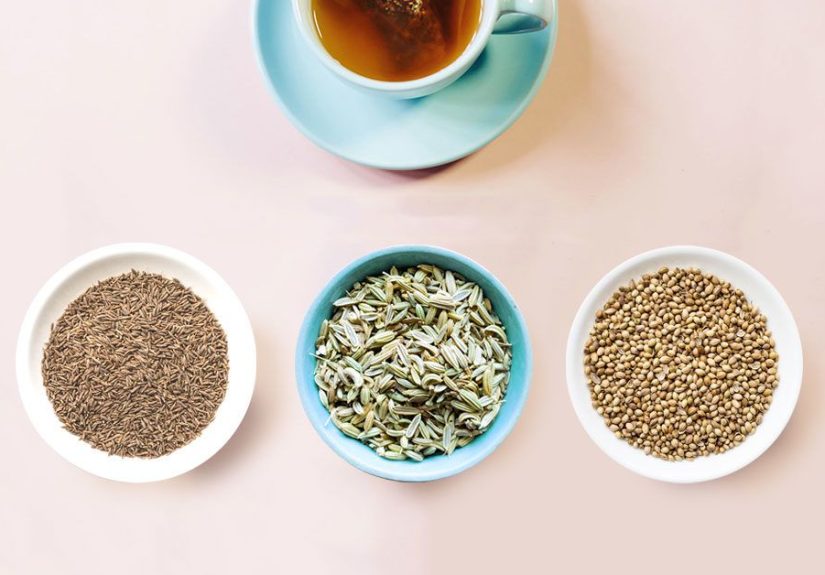
Spice #3: Fennel Seed (The “Gas Whisperer”)
Fennel seed is the underappreciated hero of my spice cabinet. It tastes a bit like licorice (which is either delightful or a personal attackno middle ground). Traditionally, fennel has been used as a “carminative,” meaning it’s used to help relieve gas.
Why Fennel Seed Gets the Anti-Bloat Spotlight
Fennel shows up in many traditional approaches to post-meal comfortoften as tea or as seeds you chew after eating. Some clinical and hospital-based nutrition guidance includes fennel among natural options people try for gas and bloating, even though research quality can vary depending on the product and the condition being studied.
How I Used It (No Fancy Equipment Required)
- Chew ½ teaspoon of fennel seeds after dinner (or whenever the bloat started acting like it paid rent).
- Fennel tea: Lightly crush seeds, steep in hot water 10 minutes.
- Cook with it: Add to roasted vegetables, soups, or spice rubs (especially good with chicken and fish).
Fennel Safety Notes
Fennel can cause allergic reactions in some people, and concentrated forms may interact with certain medications. If you’re pregnant, breastfeeding, have hormone-sensitive conditions, or take regular meds, it’s worth checking with a healthcare professional before using fennel medicinally (again: food use is different from supplements).
The Secret Sauce: Spices Work Better When You Stop Doing “Bloat Fuel” Things
I wish I could tell you the spices did all the work while I continued to eat like a vacuum cleaner and sip fizzy drinks like a soda brand ambassador. They did not.
Here are the unglamorous changes that made the biggest difference:
1) I Slowed Down Like I Was Being Paid By the Chew
Eating fast increases swallowed air, which can ramp up bloating. I tried two tricks:
- Put the fork down between bites (revolutionary, I know).
- Make meals last ~20 minutes (long enough for your body to catch up with your mouth).
2) I Took a 10-Minute Walk After Meals
Short, gentle movement can help gas move through the system and support digestion. I treated it like a “closing shift” for my gut.
3) I Got Curious About My Trigger Foods (Instead of Guessing Forever)
I kept a simple “bloat diary” for two weeks: what I ate, when, and what happened after. Patterns showed up fast (hello, giant raw salads and sugar-free candy).
4) I Respected FODMAPs (Without Turning Eating Into a Spreadsheet)
For people with IBS-like symptoms, a short trial of a low-FODMAP approachideally guided by a clinician or dietitiancan help identify carbohydrate triggers. I didn’t do a forever-elimination diet. I did a “learn what sets me off” experiment.
A Simple 7-Day “Spice Protocol” You Can Actually Follow
This is not medical treatment. It’s a practical, food-first routine that many people tolerate well. Adjust based on your body and any health conditions.
Morning
- Add fresh ginger to breakfast (oatmeal, smoothie, or eggs) or sip ginger tea.
After Lunch
- If you’re prone to afternoon bloat: peppermint tea (especially if you don’t get reflux).
After Dinner
- Fennel seeds (chewed) or fennel tea.
- 10-minute easy walk.
Do this for a week and watch for changes. If something makes you feel worse (hello, peppermint heartburn), swap it out.
When Bloating Shouldn’t Be Handled With Spices Alone
Please don’t “power through” serious symptoms with fennel tea. Talk to a healthcare professional if bloating:
- Persists for more than a week or keeps getting worse
- Is persistently painful
- Comes with fever, vomiting, bleeding, unexplained weight loss, or major bowel habit changes
- Is paired with ongoing nausea/vomiting, constipation or diarrhea that doesn’t improve
- Feels severe enough to interfere with daily life
Bloating is commonbut it can also be a sign that something else needs attention, especially when it’s new, intense, or persistent.
Quick FAQs (Because Your Gut Has Questions)
Is ginger ale the same as ginger?
Not usually. Many ginger ales contain little actual ginger and a lot of sugar or carbonationtwo things that can irritate bloating for some people. Real ginger (fresh or tea) is the move.
Can I use all three spices every day?
In normal food amounts, many people can. But peppermint can worsen reflux, and supplements/concentrated oils are a different category. If you have medical conditions or take medications, ask a clinician before using supplement forms.
What if nothing helps?
Then it’s time to zoom out. Persistent bloating can involve constipation, IBS, food intolerances, celiac disease, SIBO evaluation, or other GI issues. You deserve proper assessment.
My Real-Life Experience: The “Spice Experiment” (About )
I didn’t start this as a graceful wellness journey. It began as a petty feud with my waistband.
Week one, I went all-in on what I called “gentle, consistent, and not weird.” No fasting, no cleanse, no mystery powders with names like Gut Thunder Ultra. Just ginger, peppermint, and fennelplus the annoyingly sensible habit of eating slower.
Day 1–2: I noticed something immediately: ginger tea made me feel lighter after mealsnot magically flat, but less “food is staging a protest in my abdomen.” I also realized I’d been eating lunch like I was late to my own life. When I slowed down, the bloat didn’t disappear, but it got quieter.
Day 3–4: Peppermint tea became my after-dinner ritual. It felt soothinglike my stomach was unclenching its tiny fists. But on one of those nights, I got a hint of heartburn. That was my first lesson: your gut has preferences. Peppermint is not a universal hero. If reflux is your thing, peppermint might be more “frenemy” than friend.
Day 5–7: Fennel seeds surprised me the most. I chewed a small amount after dinner, and within an hour the “trapped gas” feeling eased more often than not. The taste is licorice-adjacent, which I tolerated like an adult doing paperwork. On the plus side, it also made my breath smell vaguely like an Italian bakery, which felt like a personal upgrade.
Week two: This is where the pattern got obvious. The spices helped, yesbut the big wins came from combining them with the basics:
- I stopped drinking carbonated drinks with meals.
- I took a short walk after dinner (even when I didn’t feel like it).
- I kept a simple food-and-symptom note in my phone.
And that last one? The diary was the plot twist. It revealed that my “healthy” afternoon snacksugar-free candywas basically a bloat grenade for me. Once I swapped it for something my gut didn’t hate, the spices started looking like miracle workers. (They weren’t. They were just finally not fighting an uphill battle.)
By the end of two weeks, I wasn’t “cured” in a permanent, never-bloat-again way. But I was consistently more comfortable, less distended after meals, and way more confident about what to do when the bloat started creeping in. I kept ginger and fennel in rotation, used peppermint more selectively, and treated slow eating like a legitimate life skillbecause apparently it is.
Conclusion: A Spice Rack Isn’t a Doctor, But It Can Be a Great Assistant
If your bloated gut is mostly driven by everyday stufffast eating, swallowed air, common trigger foods, mild constipation, stressthese three spices can be a gentle, practical way to support digestive comfort:
- Ginger for post-meal heaviness and general stomach support
- Peppermint (especially as tea; capsules with clinician guidance) for cramps and IBS-type discomfort (watch reflux)
- Fennel seed for that classic gassy, “trapped” feeling
But the real magic is pairing them with the basics: slow down, move a little after meals, and learn your personal triggers. If symptoms are persistent, severe, or come with red flags, get medical advice. You deserve answersnot just seasonings.