Table of Contents >> Show >> Hide
- How High Does The Princess Bride Rank, Really?
- Why Critics Still Adore The Princess Bride
- Fan Rankings: The Internet’s Favorite Comfort Movie
- Ranking the Characters: Who Do Fans Love Most?
- The Most-Ranked Scenes and Moments
- Does It Deserve “Greatest Movie” Status?
- Where To Watch It (and Keep the Rankings Alive)
- Experiences: How The Princess Bride Shapes Our Personal Rankings
- Final Thoughts
If you’ve spent any time on the internet, in a dorm room, or near a slightly dramatic uncle, you’ve probably heard at least one line from The Princess Bride. For a movie that quietly slipped into theaters in 1987, this fairy-tale adventure has somehow climbed every possible list: best comedies, best fantasy movies, best family movies, best romantic comedies, you name it.
But where exactly does The Princess Bride rank among critics and fans today? And why do people talk about it like it’s not just a good movie but a foundational life experience? Let’s dig into the rankings, the opinions, and what really makes this swashbuckling love story so endlessly rewatchable.
How High Does The Princess Bride Rank, Really?
On the critical side, The Princess Bride is doing extremely well for a movie that’s technically “just” a goofy fairy tale. On Rotten Tomatoes, the film sits in the mid-90s on the Tomatometer, with audience scores right in the same neighborhood. In other words, both critics and regular viewers have basically decided this movie is about as close to universally lovable as it gets.
Editorial lists keep reinforcing that verdict. In roundups of the best comedy films and essential comedies to watch, the movie appears not as a niche cult pick but as a core titleoften in the top quarter of the list, competing with heavyweights from every decade. In one “essential comedy” collection, it’s tucked comfortably alongside giants of the genre, praised as a “postmodern fairy tale” that blends romance, swashbuckling, and satire without losing its heart.
Move over to family-movie rankings, and the love gets even louder. Polls of parents, kids, and general audiences have repeatedly placed The Princess Bride high on lists of all-time family films, sometimes even claiming the No. 1 spot. International polls have crowned it the greatest family movie ever; British and American lists routinely keep it in the top tier of family favorites and fantasy classics. It’s become the sort of film people assume you’ve seenand if you haven’t, someone in your life is already planning a movie night to fix that.
When critics rank the best fantasy movies of the 1980s, the film regularly lands at or near the very top, beating out titles with bigger budgets, darker worlds, or more elaborate special effects. That’s the magic of this particular fairy tale: it doesn’t need dragons or CGI. It just needs a farm boy, a princess, a vengeful swordsman, a gentle giant, and a lot of very sharp dialogue.
Why Critics Still Adore The Princess Bride
Part of the movie’s high ranking comes from how smartly it plays with genre. Critics often describe it as a satire of fairy-tale and adventure tropes that never becomes mean or cynical. It pokes fun at storybook conventionsdamsels in distress, evil princes, miraculous resurrectionsbut still delivers a sincere, emotionally satisfying story.
Film scholars point out that the movie doubles as a commentary on storytelling itself. The frame narrativeGrandpa reading a book to a bored, slightly sick grandsonturns the film into a story about why we tell and retell certain tales. The grandson begins as a skeptical, sports-obsessed kid who doesn’t want “the kissing parts” and ends up fully invested in the romance and the adventure. That shift mirrors the audience: people who expect a simple fairy tale end up hooked by the layered humor, the emotional stakes, and the surprisingly sharp writing.
Analyses of the film highlight recurring themes:
- True love that survives distance, class divides, pirates, and death (or at least “mostly dead”).
- Friendship and loyalty, especially in the bond between Inigo and Fezzik.
- Justice and revenge, with Inigo’s long quest for the six-fingered man becoming one of the most satisfying arcs in the film.
- The power of stories, as the boy’s attitude shifts from eye rolls to “Grandpa, maybe you could read it again tomorrow.”
Critics also love how the movie blends tones that shouldn’t work together but somehow do: absurd slapstick, dark humor, romantic sincerity, and thrilling action. It’s whimsical without being sugary, and heartfelt without turning into a lecture about love or heroism.
Fan Rankings: The Internet’s Favorite Comfort Movie
If critics are enthusiastic, fans are downright evangelical.
Online, you’ll find message boards and social media groups dedicated entirely to swapping favorite lines, sharing fan art, and debating the best scene. People don’t just like this movie; they quote it at weddings, tattoo it on their bodies, and use it as a compatibility test when dating. If someone recognizes a certain swordsman’s revenge speech on the first syllable, friendship is basically guaranteed.
On audience-driven platforms, user reviews read less like typical movie reactions and more like love letters. People call it their “third favorite movie of all time,” “the greatest thing ever put to film,” or the ultimate “comfort watch.” Many say they watched it as kids and now show it to their own children, who in turn start quoting it back at them. The film has become a multi-generational bonding ritual.
Even decades after release, cast members still report that fans quote the movie to them daily. The actor behind Inigo Montoya has talked about hearing his character’s famous revenge line so often that he still has to pinch himself that he got to be part of something so culturally sticky. That kind of ongoing enthusiasm naturally keeps fan rankings highwhen a movie never leaves the public conversation, it never leaves the lists either.
Ranking the Characters: Who Do Fans Love Most?
Most people agree the movie itself is top-tier, but inside the film, fans love to rank their favorite characters. Here’s a playful breakdown of how those rankings often shake out in fan discussions:
1. Inigo Montoya – The Emotional Center
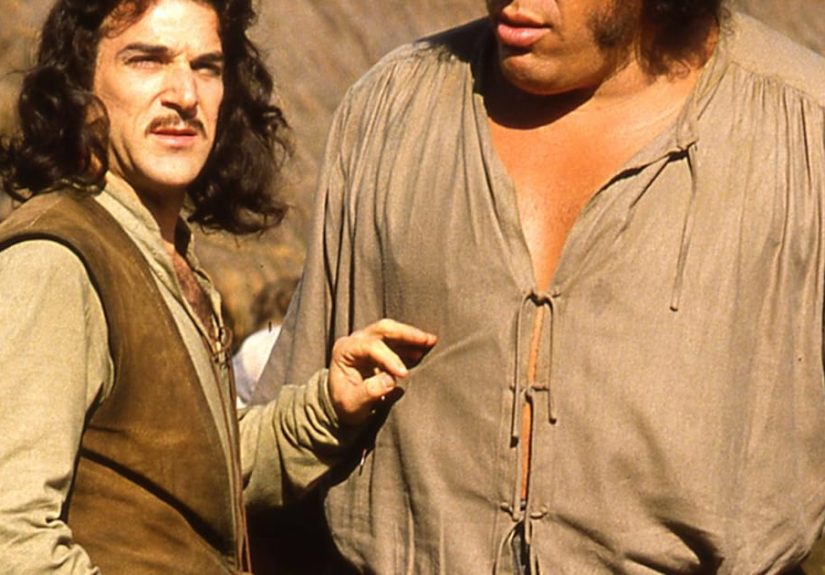
Officially, it’s Buttercup’s story. Unofficially, many viewers consider Inigo Montoya the emotional heart of the film. His quest to avenge his father gives the story its deepest sense of catharsis. While everyone else leans more into comedy or romance, Inigo brings raw feeling, vulnerability, and a surprisingly powerful portrait of grief and healing. It’s no wonder fan polls often put him at the top.
2. Westley – The Gold-Standard Swashbuckler
Westley is the rare romantic lead who’s equally good at flirtatious banter and climbing a cliff with a sword in his teeth. Fans rank him highly because he’s charming without being smug, clever without turning into a jerk, and brave without constantly announcing it. Whether he’s dueling left-handed or verbally outwitting villains, he’s basically the blueprint for “adventure boyfriend.”
3. Buttercup – More Than Just a Damsel
Buttercup sometimes gets unfairly dismissed as passive, but many newer rankings give her more credit. She’s stubborn, outspoken, and not afraid to call out injusticeshe just happens to be trapped in a deeply patriarchal fairy-tale structure. When modern viewers revisit the film, they often rank her higher for her sharp tongue, emotional honesty, and the way she anchors the story’s stakes. Without her fierce love and stubbornness, there would be no quest.
4. Fezzik – The Gentle Giant
The lovable giant Fezzik constantly appears near the top of fan lists for one reason: he’s pure kindness. He’s strong enough to knock people out with a single hand and soft enough to rhyme to cheer up his friends. He’s the kind of character who could have been reduced to a sight gag, but instead he becomes the warm, beating heart of the ensemble.
5. Vizzini, Prince Humperdinck, and the Villains
On the villain side, fans rank characters not by sheer evil but by how entertaining they are. Vizzini is often judged the funniesthis overconfidence and rapid-fire speeches turn a simple poisoning scene into a classic. Prince Humperdinck ranks high as a wonderfully punchable antagonist: vain, cowardly, and fully convinced of his own brilliance. Count Rugen, with his clinical cruelty and extra finger, completes the trio as the quietly terrifying one.
6. The Grandfather and Grandson
Last but not least, the framing charactersthe Grandfather reading and the Grandson listeningoften occupy a special place in fan rankings. They represent the audience itself: skeptical, then intrigued, then utterly invested. Many viewers who grew up watching the movie with grandparents or parents feel an especially strong connection to these two.
The Most-Ranked Scenes and Moments
Ask ten fans to list the best scenes in The Princess Bride, and you’ll get overlap, but everyone has a personal top three. Some of the most frequently ranked moments include:
- The cliffside duel, where Westley and Inigo fight with an elegance and wit that feels like a dance. Many critics still call it one of the most charming sword fights ever filmed.
- The battle of wits, as Westley and Vizzini face off over poisoned wine. The scene is a master class in dialogue-driven comedy and one of the most quoted sequences in the film.
- The resurrection sequence with Miracle Max, which pulls off the impossible trick of turning near-death into one of the funniest detours in the story.
- The wedding interruption, where romance, revenge, and slapstick chaos all collide.
- Inigo’s final confrontation, which delivers payoff for his entire arc and gives the movie a surprising emotional punch.
These scenes don’t just rank highly because they’re funny or exciting. They’re structured in a way that’s incredibly satisfying: setup, escalation, pay-off, all wrapped in sharp, repeatable dialogue. That’s a big part of why the movie ages so welland why people love to rewatch it.
Does It Deserve “Greatest Movie” Status?
Not every opinion piece goes quite as far as calling The Princess Bride the greatest movie ever made, but more than a few personal essays come close. Writers regularly praise its script, pacing, and emotional range while acknowledging its intentionally simple sets and modest budget.
Some critics and readers have argued that the original novel by William Goldman is even richer, with more detail and subplots. Rather than splitting fans, this tends to deepen their affection: for many people, the “definitive” experience is a combination of reading the book and watching the movie, appreciating how each version tells the same story in different ways.
When ranked against other 80s fantasy filmsthink Willow, Labyrinth, or animated classicsit often wins not because it’s the most visually spectacular but because it balances heart, humor, and self-awareness better than almost anything else. It knows exactly what kind of story it is, and it invites you in on the joke without ever mocking the idea of true love or heroism.
Where To Watch It (and Keep the Rankings Alive)
Part of the reason The Princess Bride keeps climbing lists is simple availability. The film has spent time on multiple streaming platforms over the years, including modern lineups of high-scoring classics. When a film is constantly a click away, it’s constantly entering new people’s heartsand their “Top 10” lists.
Add in televised marathons, anniversary screenings, and home media releases, and you get a movie that never really leaves circulation. Every new rewatch means another batch of online reviews, another wave of social media posts, and another round of rankings putting it right back near the top.
Experiences: How The Princess Bride Shapes Our Personal Rankings
Rankings may look like numbers on a page, but underneath them are personal stories. Ask people why they rank The Princess Bride so highly and you rarely get a technical breakdown of camera angles. You get memories.
For some, it’s a grandparent movie. They remember being sick on the couch, a blanket up to their chin, while an older relative put the VHS tape into the player “just to see if you like it.” Maybe they rolled their eyes at the idea of a princess story, only to find themselves leaning in as the sword fights grew more intense and the jokes landed perfectly. Years later, they’re the ones introducing the film to nieces, nephews, or their own kids, watching that same transformation happen again.
For others, it’s a friendship movie. High school or college dorm rooms become the stage: a creaky laptop balanced on a stack of textbooks, microwave popcorn, and a group of friends who can quote nearly every line. When life gets stressfulfinals week, breakups, the general panic of adulthoodsomeone inevitably says, “We should put on The Princess Bride,” and no one argues. Over time, the film stops being a simple choice and becomes a ritual.
There are also the reluctant converts. These are the people who spent years hearing others rave about the movie and assumed it couldn’t possibly live up to the hype. When they finally watch it, they expect to be annoyedand instead they find themselves laughing out loud at jokes that genuinely hold up, tearing up at Inigo’s storyline, and admitting that yes, the romance actually works. Their rankings tend to start modest“Top 50, maybe”and then creep up with every rewatch until suddenly it’s in their top ten.
Then come the generational rankings. Parents who grew up with the movie often discover that their kids connect with different characters than they did. A parent might have loved Westley’s swagger; their child gravitates to Fezzik’s kindness or the Grandson’s skepticism. Some kids find Buttercup more relatable than their parents ever did, seeing her as a young woman stuck in a system she didn’t choose, trying to hold onto hope. As these conversations unfold, each family ends up with its own internal “top character” list, which becomes a running joke at dinner or in the car.
In online fan spaces, people share stories of how the movie helped them through anxiety, grief, or major life changes. Familiar lines become emotional shortcuts: a way of saying “I love you,” “I’m with you,” or “You’re stronger than you think” without having to spell it all out. When someone ranks the movie No. 1 on their personal list, it’s often less about cinematic perfection and more about the comfort and courage it gave them during a rough patch.
All of these experiences feed into the film’s reputation. Every time a viewer connects a personal milestonemoving to a new city, falling in love, going through surgery, starting collegewith a rewatch of The Princess Bride, the movie rises a little higher in their internal rankings. Multiply that by millions of people across decades, and you end up with exactly what we see today: a film that doesn’t just sit high on critics’ lists but occupies a permanent, cozy spot in our collective emotional top ten.
Final Thoughts
So, where does The Princess Bride rank? On paper, it’s already near the top: high critic scores, stellar audience ratings, regular appearances in lists of the best comedies, fantasy films, romantic comedies, and family movies. In practice, it ranks even higher in people’s hearts.
It’s the rare film that can be a childhood favorite, a college comfort watch, and a grown-up classic all at once. It’s funny without aging poorly, romantic without being cloying, and sincere without ever losing its sense of fun. Whether you place it at No. 1 on your own list or simply acknowledge it as “practically perfect,” it’s easy to see why so many people consider The Princess Bride not just a movie but a shared language.